

You want solar gear that fits real routines, not just a spec sheet. For a van build, a cabin roof, a weekend RV setup, or a home backup plan, the right panel size and cell layout can save a lot of hassle later. This roundup focuses on seven Amazon options that suit portable power stations, fixed installs, and off-grid use with different space and shading needs. The trade-offs matter here, because a foldable 200W panel and an 860W bifacial set serve very different jobs.
The Shortlist At A Glance

Renogy 200W Portable Solar Panel, IP65 Foldable Panel

JJN Bifacial 425 Watt Solar Panel, N-Type UL 61730 16BB

Renogy ShadowFlux Solar Panels, N-Type Anti-Shading Panels 200W

Renogy ShadowFlux Solar Panel 400 Watt, 2PCS 200W

N-Type 16BB 400W Bifacial Solar Panel, 2Pcs 200 Watt

Renogy Solar Panels 200 Watt N-Type, 200W Solar Panel 16BB
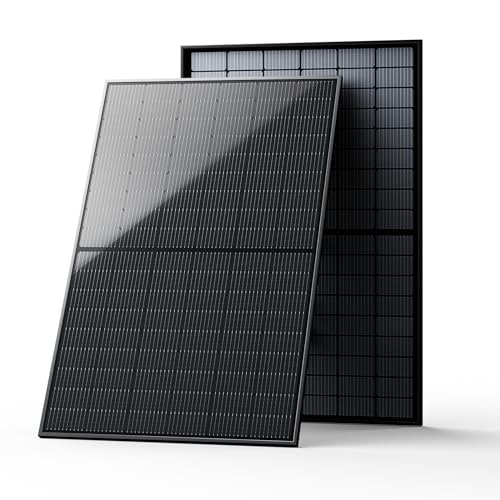
EPOCH 860W Bifacial Solar Panels, N-Type Class A
More Details On Our Top Picks
Portable panels like this make the most sense for people who move gear often. The foldable format, kickstand, and USB-A plus Type-C outputs keep it practical for campsite charging or a blackout kit, while the IP65 rating gives you some peace of mind around dust and splashes.
Compared with the rigid panels later in this list, it trades raw output for portability and easier setup. For a weekend camper or van user, that trade is usually worth it, though a larger roof array will still make more sense for steady home use.
Strong Points
- Folds down for easier carrying and storage in a van or trunk.
- Kickstand support helps you angle the panel without extra hardware.
- USB-A and USB-C outputs add flexibility for small devices and accessories.
- IP65 protection suits dusty campsites and occasional damp conditions.
- 200W size is easier to move than a fixed roof module.
Things To Consider
- Portable form means you still need to set it out and stow it each time.
- Lightweight build is convenient, but it will not match a larger roof array for total output.
- Carry and storage matter, because foldable gear gets handled more often.
Feature Snapshot
Who It Suits Best
Campers, RV owners, and van dwellers who want a panel they can pack and move with less fuss will get the most from it.
A Better Fit Elsewhere
JJN Bifacial 425 Watt Solar Panel suits you better for a fixed rooftop or farm setup where sheer output matters more than portability.
This panel shifts the conversation from portability to steady output. The bifacial design means the back side can help collect reflected light, which matters on bright rooftops, gravel stands, or other reflective surfaces.
For homes, farms, and RV arrays built around 12V, 24V, or 48V systems, that flexibility is useful. The trade-off is simple, though, since a panel this size makes far more sense in a planned installation than in a move-it-every-week setup.
Upsides
- Bifacial design can make use of light from both sides in the right setup.
- 16 busbars, the thin current-collecting strips on a panel, help support even energy flow across the surface.
- Works across 12V, 24V, and 48V systems, which broadens installation choices.
- Strong fit for rooftops, farm structures, and fixed off-grid arrays.
Minor Gripes
- Fixed-install design is less convenient for mobile charging.
- Large-format panels ask for more planning around mounting and wiring.
- Best results depend on placement, so a cramped roof can limit the advantage.
Core Details
Who Should Grab It
You get the most from this panel in a fixed array where higher output and system flexibility matter more than portability.
Where A Sibling Pick Shines
Renogy 200W Portable Solar Panel fits better for campers who need a panel they can fold, carry, and move between sites.
Shade tolerance is the main story here, and that makes a real difference on roofs with vents, tree cover, or awkward angles. The anti-shading design is aimed at keeping the panel more useful in uneven light, which is a problem many standard modules handle poorly.
Compared with the plain portable Renogy 200W panel, this one leans harder into permanent or semi-permanent installs. For a cabin roof or van top that picks up shadows through the day, that focus can be more useful than a basic flat panel.
Highlights
- Anti-shading layout is well suited to roofs with partial cover.
- N-type cell construction is designed for efficient power capture.
- 200W output keeps it manageable for smaller system builds.
- Works with 12V and 24V setups, which covers many common installs.
Areas To Watch
- Shade-focused design still needs decent placement to do its job well.
- 200W output may feel modest for larger battery banks.
- Fixed installation planning matters more here than with a foldable panel.
Feature Rundown
Best Suited To
You benefit most here in a place where shadows change through the day, such as a roof with tree cover or hardware overhead.
Another Choice May Suit
JJN Bifacial 425 Watt Solar Panel is the better fit for you when a larger, fixed array is the real goal.
This pair makes sense for rooftops with some obstruction, especially where trees, vents, or nearby structures cast partial shade. Because it comes as two 200W panels, you get more room to arrange the layout around a roof plan instead of forcing one large footprint.
Compared with the single 200W ShadowFlux panel, this set is aimed at bigger daily demand. For RV owners, marine setups, and homes that want more output without jumping to a huge one-piece module, that middle ground can be useful.
Reasons To Buy
- Two-panel format gives you more mounting flexibility.
- Partial-shade focus helps on rooftops with tree or building cover.
- 400W total output supports larger everyday power needs.
- N-type construction points to a more modern cell design.
- Good fit for roof, marine, and off-grid layouts that need planning room.
Softer Spots
- Two panels mean more mounting steps than a single compact module.
- Roof space still has to be measured carefully before installation.
- Best value shows up in systems that can use the extra output.
Details At A Glance
Right Fit For
Rooftop installers and RV owners who want more output but still need layout flexibility will get the most from this set.
Look Elsewhere When
Renogy 200W Portable Solar Panel suits you better when storage space and frequent moving matter more than total power.
Parallel-style panel layouts can be handy in RV and van installs because they give you more wiring flexibility. This Callsun set combines bifacial construction with a dual-module, anti-shade design, so it aims at systems that need a little more adaptability than a standard single board.
Compared with the Renogy 400W ShadowFlux pair, this set leans more toward flexible installation planning than shade-specific branding. You may find it especially useful on rooftops where spacing and routing matter just as much as panel output.
Best Bits
- Bifacial format can make use of reflected light in the right setup.
- Two 200W modules give you installation flexibility.
- 16-busbar layout supports a modern panel design.
- Dual-module parallel style suits RV and van electrical planning.
- Works with 12V and 24V systems for broad use.
Points To Note
- Dual-panel installs take more planning than a single portable panel.
- Bifacial benefits depend heavily on the mounting surface and light around it.
- Storage and cable management matter more with two separate modules.
Core Details
Whose Shelf It Belongs On
RV, van, and marine setups that need adjustable layout options will get the most out of this pair.
Swap It Out When
Renogy Solar Panels 200 Watt N-Type suits you better when you want a simpler single-panel setup with less wiring to plan.
This one sits in a very practical part of the lineup, because it keeps the footprint familiar while leaning on an N-type, 16-busbar build. That setup tends to appeal to people who want a fixed panel for a van, cabin roof, or home backup plan without moving into a larger multi-panel array.
It compares neatly with the ShadowFlux choices above, but without the shade-first positioning. For most straightforward 12V or 24V systems, that makes it an easy panel to plan around, though a larger load will still need more total wattage.
Positives
- 200W size fits many smaller off-grid layouts.
- 16-busbar construction supports a current-friendly design.
- N-type cell structure gives it a more modern profile.
- Works with 12V and 24V systems.
Small Caveats
- Single-panel output is more modest than the 400W sets in this list.
- Fixed-panel format asks for a more permanent mounting plan.
- Cleaning and access depend on where you place it, as with most roof modules.
Technical Sheet
The Right Fit
You get the most from this panel when you want a straightforward fixed module for a modest solar setup.
Where A Sibling Pick Shines
EPOCH 860W Bifacial Solar Panels is the better choice for larger off-grid systems that need far more total output.
Big off-grid systems need more than a compact panel, and this 860W bifacial set is built for that scale. The two 430W panels are a much stronger fit for RVs, boats, marine installs, and property backup where a larger array can actually be used.
Compared with the 400W pairs above, this option pushes harder toward serious energy demand. You may find the size and planning demands are worth it on a roof or open mounting area, but it is not the easy carry-around choice in this group.
What We Like
- 860W total output suits larger off-grid loads.
- Bifacial structure can help in open, reflective settings.
- Two 430W panels make the system easier to stage in sections.
- Waterproof construction adds confidence for outdoor mounting.
- Class A monocrystalline format points to a higher-end build approach.
Worth Noting
- Large output also means larger mounting and wiring planning.
- Two-panel setup is less convenient for tight storage spaces.
- Best use cases are fixed or semi-fixed, not casual portability.
Feature Card
Built With In Mind
You should look at this set for larger RVs, boats, marine systems, and off-grid setups with room for a serious array.
Another Choice May Suit
Renogy Solar Panels 200 Watt N-Type fits better for smaller roof spaces and simpler builds that do not need this much total power.
How To Choose The Right American Made Solar Panels
Match Output To Real Demand
Panel wattage should line up with how you actually use power. A 200W portable panel suits light charging, weekend trips, and smaller battery banks, while 400W and 860W setups make more sense for larger fridges, repeated device charging, or a deeper backup plan.
Think in daily load, not marketing language. A panel that looks impressive can still feel underpowered on a roof full of appliances, while a smaller one can be just right for a travel kit that only needs steady top-ups.
Choose The Right Form Factor
Portable foldable panels help when you move between campsites or store gear in a vehicle. Fixed panels suit rooftops, cabins, farms, and boats because they stay put and usually support a cleaner long-term layout.
The trade-off is convenience versus permanence. Foldables are easier to stow, but rigid modules usually make more sense once you know where the panel will live.
Pay Attention To Shade And Layout
Partial shade changes everything. Anti-shading and bifacial designs can help in tricky spaces with trees, vents, or nearby buildings, while a standard panel may work fine in a wide-open spot with steady sun.
Also think about the surface under the panel. Reflective roofs or bright mounting areas can help bifacial models, but a cramped or dark installation site can limit the benefit.
Check System Compatibility First
Voltage support matters just as much as wattage. The panels here cover 12V and 24V systems in most cases, and one option extends to 48V, so matching the panel to your charge controller and battery setup saves a lot of headaches.
That compatibility step matters most for first-time installers. A panel that fits your mounting space but not your electrical plan becomes an expensive puzzle piece.
What To Weigh Before You Click
Common Shopping Slip Ups
Many shoppers focus on wattage alone and skip the physical layout. That leads to awkward installs, especially on narrow roofs or crowded van tops where panel size and mounting points matter more than raw output.
Another common miss is ignoring shade. A panel with strong numbers on paper can struggle in a spot with vents, railings, or tree cover, so the placement plan should come first.
Where The Extra Money Goes
Higher-tier panels usually cost more because of cell design, bifacial construction, and broader system support. Those details can help in real use, especially on roofs that need smarter light capture or in arrays that need more flexible planning.
That upgrade makes the most sense for larger homes, cabins, boats, or RVs that run more equipment. For a simple travel kit, the extra spend can be unnecessary.
Frequently Asked Questions
What makes a solar panel a good fit for travel use?
A foldable panel with carry-friendly construction is easier to move between campsites and storage spaces. USB outputs also help when you want direct charging without extra adapters.
Are bifacial panels worth considering?
Bifacial panels can make sense on bright surfaces or open mounting setups because they can use reflected light. They matter less in tight, shaded installs.
Do higher wattage panels always work better?
Not always, because your space and electrical setup still set the limit. A smaller panel can be the better match for a modest battery bank or a compact roof.
Why does shading matter so much?
Shade can reduce the output of a panel more than many shoppers expect. Designs aimed at partial shade are useful on roofs with vents, trees, or uneven light.
What should you check before installation?
Match the panel to your voltage setup, mounting space, and available wiring path. That simple check avoids a lot of frustration later.
Closing Thoughts
The right solar panel depends on how you live, where you mount it, and how much power you need each day. A foldable 200W panel fits travel, while a bifacial 400W or 860W setup belongs in a more permanent array. Shade-aware models earn their place on rooftops with obstructions, and simpler fixed panels still make sense for clean, open installs. Choose the one that matches your space first, and the rest gets easier.
