

Roof solar hardware looks simple until you’re lining up rails, clamps, and roof types that don’t quite match the plan. These eight picks focus on aluminum L-foot and rail setups that suit metal roofs, shingle roofs, tile roofs, RVs, and off-grid builds, so you can match the part to the job instead of forcing a mismatch. You’ll also see the difference between compact bracket sets and fuller rail kits, which matters a lot once your array gets larger. That’s the kind of fit that saves time during installation and cuts down on annoying rework later.
The Shortlist At A Glance
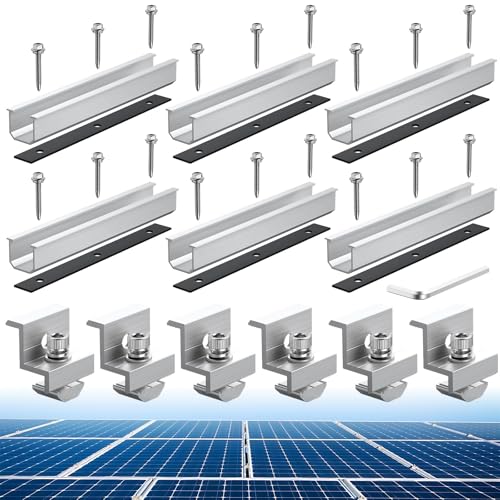
Anbte Solar Panel Roof Mounting Kit 7.87" Aluminum Rail & Clamps
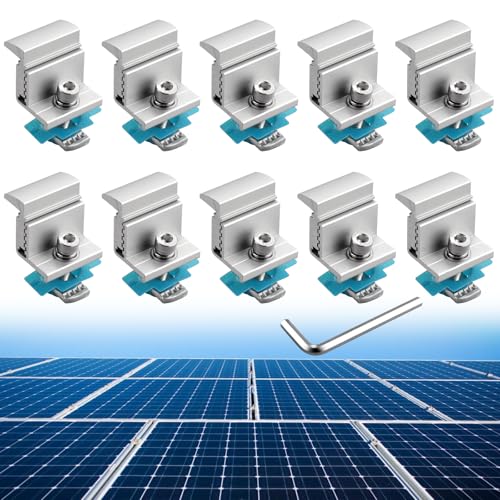
Anbte 10pcs Adjustable Solar Panel End Clamp for Unistrut 30-50mm

10Pcs L Foot Solar Mount, Aluminum Alloy Photovoltaic Panel Mounting Bracket

Solar Panel Mounting Rail Kit for 7 x 320W Panels, 12 x 47.2 Aluminum Rails
L Foot Solar Mount, Aluminum Alloy Photovoltaic Solar Panel Mounting L Brackets 20PCS

Solar Panel Mounting Brackets Kit for Shingle or Metal Roof Black
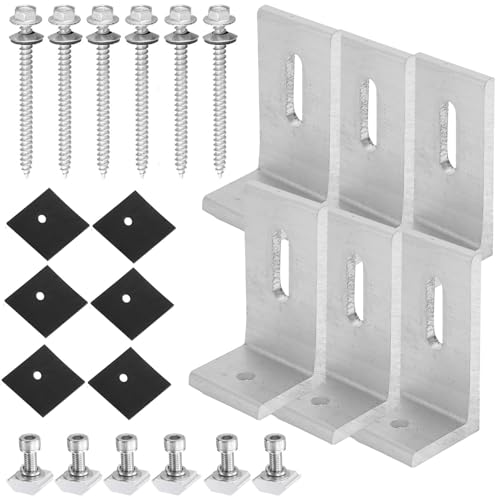
6 Pack Solar Mount L-Bracket with Hardware, Aluminum Alloy Photovoltaic Solar Panel Mounting L Brackets

L Foot Solar Mount, Aluminum Alloy Photovoltaic Solar Panel Mounting L Brackets 10PCS
More Details On Our Top Picks
That 7.87-inch rail size makes this Anbte kit feel aimed at tighter roof layouts, especially on metal or tin roofs where clean spacing matters. The clamp fit for 30 mm and 35 mm panels keeps it focused rather than overly broad, which suits straightforward residential or RV installs.
The honest trade-off is that a compact kit like this gives you less breathing room than a longer rail system, so larger arrays may need a fuller layout plan. For a small, tidy mount, though, it keeps the hardware simple and the footprint controlled.
Strong Points
- Compact rail length suits smaller roof sections.
- Works with common 30 mm and 35 mm panels.
- Aluminum construction keeps weight manageable on the roof.
- Useful for metal, tin, flat, and sheet roofs.
Things To Consider
- Short rail length can feel limiting on larger panel runs.
- Best suited to standard panel thicknesses, not broad size ranges.
- For a busy roof, layout planning still matters.
Feature Snapshot
Who It Suits Best
You benefit most from this kit when you’re building a small roof array and want a tidy, low-fuss hardware set.
A Better Fit Elsewhere
Link Solar’s B0GVH1LPY6 kit suits you better for a larger DIY roof project that needs a more complete rail system.
Adjustable end clamps are the quiet problem-solvers of a solar roof build, and this Anbte set aims at exactly that job. The 30 mm to 50 mm range gives you more flexibility than the tighter-fit Anbte rail kit above, especially for mixed panel frames or Unistrut-based layouts.
Because it includes nuts, bolts, and a wrench, you’re closer to a ready-to-install package than a bare hardware bag. The trade-off is simple: clamp pieces are only useful when the rest of the mounting path is already planned.
What We Like
- Wide 30 mm to 50 mm fit helps with mixed panel frames.
- Hardware bundle saves you from sourcing small parts separately.
- Works well with Unistrut-style layouts.
- Ten-piece count helps cover a modest installation.
Room For Improvement
- End clamps are only one part of a full mounting system.
- Best value shows up once your rail setup is already defined.
Core Details
Made For
You’ll get the most from this set in a DIY build that already uses Unistrut and needs adjustable end clamping.
Another Choice May Suit
Yuecoom’s B0D3LZZ3Q4 L-foot pack fits you better when you want a simpler bracket-focused setup rather than adjustable end clamps.
This Yuecoom set keeps things stripped back in a useful way, which is often what you want for a roof bracket job. Aluminum alloy construction gives it the practical mix of light weight and everyday durability that suits a PV system where each small part has to do steady work.
The waterproof angle matters most on roofs exposed to weather swings, though the real payback comes from having a plain, predictable L-foot format. Compared with the more complete rail kits above, this is the cleaner fit for a simple bracket-first installation.
Highlights
- Ten-piece set covers a small mounting project.
- Aluminum alloy keeps the brackets light and workable.
- Simple L-foot shape makes planning easier.
- Fits well in straightforward roof PV layouts.
Softer Spots
- Simple brackets leave rail planning to you.
- Not as complete as a full racking kit.
- Best for people who already know their layout.
Details At A Glance
Right Fit For
You’re in the sweet spot for this one when you need a straightforward L-foot bracket pack for a basic PV roof setup.
Where A Sibling Pick Shines
Mindoub’s B0FR5DCTXJ kit is the better route for you if your project needs rails, clamps, and wire clips in one larger package.
This Mindoub kit stands apart because it leans into a full-rail approach, not just a handful of brackets. Twelve aluminum rails, adjustable clamps, L-brackets, and wire clips give you the sort of structure that makes a larger roof array feel more orderly, especially on metal, tile, or shingle roofs.
For a DIY installer, that extra completeness can save a lot of piecing things together from different boxes. The trade-off is that a fuller kit asks for more planning, so smaller rooftops may find it more hardware than they need.
Reasons To Buy
- Complete kit suits larger multi-panel layouts.
- Wire clips help keep cabling tidier along the rails.
- Works across metal, tile, and shingle roofs.
- Extra hardware reduces the need to source missing parts.
- 12 rail pieces give the system a more structured feel.
Points To Note
- More parts mean more planning before installation starts.
- Smaller roof areas may not need this much hardware.
Technical Sheet
Built With In Mind
You’ll appreciate this kit most on a larger DIY rooftop project that benefits from a more complete rail system.
Look Elsewhere When
Anbte’s B0BZ3RD3TL rail kit is easier to handle for a smaller roof area or a simpler mounting layout.
YIHAOSSING’s 20-piece pack gives you more mounting points to work with, which matters on roof jobs where spacing and repeatability matter just as much as the part itself. Aluminum alloy construction keeps the profile sensible, and the L-foot shape is familiar enough that most solar layouts won’t feel awkward around it.
Compared with the smaller 10-piece YIHAOSSING set later in the list, this one is easier to choose for a broader installation or a project with several attachment spots. The main compromise is storage and surplus, since a larger pack can sit on the shelf longer than you expected.
Best Bits
- 20-piece count supports a wider installation footprint.
- Aluminum alloy keeps the brackets manageable on the roof.
- Familiar L-foot form works well in standard PV setups.
- Good fit for multiple roof attachment points.
Minor Gripes
- Larger pack may be more than a small project needs.
- Extra pieces can take up storage space.
Feature Rundown
The Right Fit
You’re looking at a strong match for a roof system that needs a larger batch of matching L-brackets.
Swap It Out When
YIHAOSSING’s B0FCSD1QFX 10-piece version fits you better when your project is smaller and you want less leftover hardware.
Link Solar leans into a more complete side-by-side roof setup, which makes this one feel more like a project kit than a loose hardware bundle. For shingle or metal roofs, that matters because alignment and spacing can make the whole array look cleaner and behave more predictably once the panels are up.
The black finish is a nice visual touch, though the stronger appeal is the full-system structure around four panels. You may find it a bit much for a tiny roof, but it fits nicely where you want a more finished DIY result.
Upsides
- Complete four-panel layout supports a coordinated install.
- Works on both shingle and metal roofs.
- Heavy-duty aluminum rails and clamps add confidence.
- Side-by-side format helps keep panel runs neat.
Areas To Watch
- Full-system layout may be more than small roofs need.
- DIY setup takes more planning than a simple bracket pack.
Core Details
Whose Shelf It Belongs On
You’re the best match for this kit when you want a coordinated roof project rather than scattered hardware pieces.
Reach For A Different Pick When
Anbte’s B0FBWB2J2C clamp set suits you better for a smaller Unistrut-based build that needs fewer components.
TOTITOM keeps this pack focused on mobility-friendly installs, which is exactly where RV, boat, and motor home mounting needs tend to differ from house roofs. The anodized 6005 aluminum alloy finish is the detail that matters here, since it gives you a corrosion-resistant surface without adding visual bulk.
Because it includes self-tapping screws and M8 bolts, the kit feels ready for a more hands-on setup than the bare-bones bracket sets above. The main limitation is the six-piece count, so it suits smaller mounting jobs rather than a sprawling rooftop array.
Bright Spots
- Good fit for RV, boat, and motor home projects.
- Anodized aluminum alloy gives the surface extra staying power.
- Included hardware reduces the number of separate parts to source.
- Works well with tin roof substructures.
Small Caveats
- Six-piece pack is better for smaller builds.
- More specialized for mobile installs than large fixed arrays.
At A Glance
Perfect Match For
You’ll appreciate this set most for a compact off-grid or vehicle-based solar install.
Where A Sibling Pick Shines
Mindoub’s B0FR5DCTXJ rail kit suits you better for a fixed rooftop project that needs a fuller hardware package.
This smaller YIHAOSSING pack lands in the practical middle ground, especially for roof jobs that need a modest number of matching L-brackets. Aluminum alloy keeps it aligned with the rest of the list, but the lower piece count makes it easier to handle for smaller installs or a test layout.
Compared with the 20-piece version above, this one is easier to store and less likely to leave you with extra parts sitting around. That makes it a sensible choice for narrow projects, though larger arrays will outgrow it quickly.
Positives
- 10-piece pack suits smaller roof projects.
- Aluminum alloy keeps the brackets manageable.
- Simple L-foot design makes planning and placement easier.
- Good fit for lighter mounting needs.
Worth Noting
- Lower count can feel tight for broader arrays.
- Best for projects where storage space is limited.
Quick Facts
Who Should Grab It
You’re a strong match for this pack when your roof project is small and you want fewer leftover parts.
Skip It When
YIHAOSSING’s B0FCS6T3LX 20-piece set suits you better for a wider rooftop layout with more attachment points.
How To Choose The Right Aluminum L Foots For Roof Solar Mount
Match The Hardware To The Roof
Roof type comes first, because a bracket that suits tin roof ribs may not feel as tidy on shingles or tile. Metal and sheet roofs often favor simpler attachment paths, while shingle installs usually need a more complete rail and clamp arrangement to keep the layout steady.
Aluminum matters here because it keeps rooftop hardware relatively light without turning the install into a wrestling match. That lighter feel helps during positioning, especially on a steep roof or a long workday.
Think In Terms Of Panel Size And Count
The panel thickness range matters more than it first appears, since a 30 mm to 35 mm fit serves a different job than a 30 mm to 50 mm clamp. Narrow-fit parts work well for standard frames, but wider adjustment helps when your system mixes module sizes or uses Unistrut.
Piece count also changes the experience. A 6-piece or 10-piece set suits a small roof area, while 20-piece packs and full rail kits make more sense once you’re covering several mounting points.
Plan For The Installation Style You Want
L-foot brackets keep things direct, but a rail kit adds structure, cable control, and better alignment for multi-panel runs. That extra structure is useful on DIY builds where clean spacing matters and you’d rather not improvise from separate parts.
The trade-off is planning time. Full kits reward careful layouts, while smaller bracket packs stay friendlier for quick, contained jobs.
Look Past The First Impression
Finish, included hardware, and part count all affect the day-to-day feel after the panels go up. Anodized surfaces and bundled bolts or screws reduce the amount of extra sourcing, which is helpful on projects that already involve ladders, tools, and roof time.
Cleaning and inspection stay easier on simpler hardware too. Fewer loose add-ons usually mean less clutter, and that’s a small comfort when you need to revisit the array later.
Things Worth Knowing First
Common Shopping Slip Ups
One common mistake is matching by roof type alone and ignoring panel thickness or clamp range. That’s where a neat-looking bracket can turn awkward in a real installation.
Another frequent miss is underestimating piece count. A small pack is fine for a compact array, but it can feel cramped the moment the project expands.
What The Higher Tier Buys
More complete kits usually cost more because they include rails, clamps, wire clips, and more mounting points. You’re paying for structure and convenience, not just more metal.
That upgrade makes the most sense for larger rooftops, multi-panel rows, and DIY builds where order matters. For a simple two- or three-bracket job, the extra hardware can be more than you need.
Frequently Asked Questions
What does an L-foot do in a solar roof setup?
An L-foot creates a mounting point that connects the panel system to the roof structure. It’s a straightforward part that helps anchor rails or related hardware.
Are aluminum brackets a good fit for roof solar work?
Aluminum is commonly chosen because it stays light and is easy to work with during installation. It also suits rooftop layouts where weight control matters.
Do you need a full rail kit for every install?
No, smaller projects can work well with bracket-focused packs. Larger arrays usually benefit from rails because they keep alignment cleaner.
Why does clamp range matter so much?
Clamp range tells you what panel frame thickness the hardware can handle. A wider range gives you more flexibility across different panel styles.
Which option suits an RV or boat setup best?
TOTITOM’s B0G11RCPRS set fits mobile installs well because it includes hardware and suits off-grid vehicle-style use. It’s a practical match for smaller, portable systems.
Closing Thoughts
Aluminum roof mounting hardware is mostly about fit, not flash. The right choice depends on whether you need a compact L-foot pack, a wider clamp range, or a full rail system that can carry a larger array with less improvisation. Anbte, Yuecoom, Mindoub, Link Solar, TOTITOM, and YIHAOSSING each solve a slightly different part of the roof puzzle. Choose the one that matches your roof type, panel size, and project scale, and the install feels far more manageable.
