

400w Solar Panels can make sense when your setup needs serious output without jumping into oversized gear. You may be feeding an RV, a cabin battery bank, or a backyard shed, and the real question is how much space, wiring, and portability you want to give up. The choices below lean toward practical fit, not glossy spec-sheet bragging.
Quick Look At The Shortlist

ECO-WORTHY 400W Solar Panels N-Type 4pcs 100 Watt 18V Monocrystalline

DOKIO 400W Solar Panel, 31V Monocrystalline, for 24V Off-Grid Systems

JJN Bifacial 425 Watt Solar Panel, N-Type UL 61730 16BB Solar Panel
DOKIO 400W 31V Monocrystalline Solar Panel for 12V/24V Systems
EF ECOFLOW 400W Portable Solar Panel, Foldable & Durabl

Renogy 400W Portable Solar Panel, Premium Materials for Decades of Use

N-Type 16BB 400W Bifacial Solar Panel, 2Pcs 200 Watt Solar Panel
Renogy 400W Portable Solar Panel for Power Stations, 25% High Efficiency
More Details On Our Top Picks
Four separate 100-watt panels give you a modular path into 400w Solar Panels, which helps when your roof space, shed wall, or camper layout does not want one oversized slab. The N-type cell design is the newer silicon style, and the 16BB layout means more busbars across the cells, a setup that can help current move with less loss across the panel face.
That split-panel approach is handy for people who want to stage an off-grid system in pieces instead of all at once. The trade-off is plain enough: more modules mean more mounting points and more wiring to manage, so tidy installation matters more here than it does with a single portable blanket panel like the Renogy foldable options below.
Strong Points
- Four-panel format gives you more layout flexibility on a van roof, shed, or small ground rack.
- 100-watt sections make replacement or reconfiguration easier than dealing with one large panel.
- IP68 waterproofing adds confidence for outdoor mounting in wet weather.
- Works well for 12V and 24V battery setups, which suits common RV and cabin systems.
Things To Consider
- Mounting four panels takes more planning, hardware, and cable routing than a single panel.
- The split layout can mean a little more cleanup around brackets and wire management over time.
- Portability is limited, so this fits fixed or semi-fixed use better than travel-first setups.
Core Details
Who It Suits Best
It suits you best if you want a fixed solar array for an RV, shed, or small off-grid build and you value modular placement over grab-and-go portability.
A Better Fit Elsewhere
DOKIO 400W Solar Panel, 31V Monocrystalline, for 24V Off-Grid Systems suits you better when you want a simpler single-panel layout with fewer parts to mount.
Compared with the ECO-WORTHY set, this DOKIO panel leans toward a cleaner single-piece install. The 31V output and 24V off-grid focus point it toward sheds, cabins, and yard systems where you want a straightforward match between panel and bank voltage.
The included 9.84-foot cable, aluminum frame, and pre-drilled holes make planning easier for a permanent mount. You may still need to think through placement carefully, because a single rigid panel is less forgiving than a foldable option like the EF ECOFLOW or Renogy portable picks.
What We Like
- Single-panel format keeps layout simple for basic off-grid projects.
- 31V output suits 24V systems, which helps narrow the mismatch risk.
- Pre-drilled holes reduce hassle during bracket setup.
- The aluminum frame gives the build a more fixed-install feel.
Worth Noting
- Rigid construction means storage and transport take more room than foldable panels.
- The setup makes most sense in planned installs, not casual weekend moving around.
- Long-term dirt and pollen cleanup matters more on a stationary panel face.
Feature Snapshot
Who Should Grab It
It suits you best for a shed, cabin, or backyard power project where a rigid panel and a tidy, permanent mount make sense.
Where A Sibling Pick Shines
ECO-WORTHY 400W Solar Panels N-Type 4pcs 100 Watt 18V Monocrystalline is a better fit for you if split-panel placement and system flexibility matter more than a single-frame build.
After the fixed DOKIO panels, this JJN unit stands out for sheer output density. Bifacial panels collect light on both sides, so the rear side can contribute in the right placement, such as a reflective roof or a light-colored ground surface beneath a rack.
The 425-watt rating and N-type 16BB build make it a stronger fit for larger rooftop or farm setups than the more modular ECO-WORTHY kit. The trade-off is obvious, though, since a larger rigid module demands more mounting space and a more serious install plan.
Highlights
- Bifacial design gives you a chance to capture more light from the back side.
- 425 watts offers more output headroom than the 400-watt entries around it.
- UL 61730 listing gives the panel a clearer safety and compliance reference on the product page.
- Works across 12V, 24V, and 48V systems, which broadens system planning.
- The 16BB cell layout supports a more refined panel architecture.
Points To Note
- The larger module size makes placement less forgiving on cramped roofs.
- Bifacial benefit depends heavily on where you mount it and what sits below it.
- Cleaning matters, because dust on both faces can chip away at the point of the design.
Feature Rundown
Best Suited To
It suits you best for rooftop, farm, or larger off-grid projects where you can give a single panel enough room to earn its keep.
Another Choice May Suit
DOKIO 400W Solar Panel, 31V Monocrystalline, for 24V Off-Grid Systems is the calmer choice for you if a simpler fixed layout matters more than chasing extra output.
This DOKIO panel lands in a useful middle ground between the split ECO-WORTHY set and the larger JJN module. It supports both 12V and 24V systems, which gives you more room to fit it into a garden, greenhouse, patio, or cabin setup without overcomplicating the wiring plan.
The included 9.84-foot MC4 cable is a practical touch, since MC4 connectors are the common plug style used in many solar kits. You may find the rigid frame a little less forgiving than the portable ECOFLOW and Renogy options, but the payoff is a cleaner permanent installation.
Upsides
- Dual system support makes it easier to match a range of small off-grid builds.
- MC4 cable compatibility is handy for standard solar connections.
- Rigid construction works well for semi-permanent mounting in yards and cabins.
- Panel sizing keeps it in the familiar 400-watt class without feeling oversized.
Small Caveats
- Rigid panels need a fixed storage spot during transport or seasonal removal.
- The install path is more involved than with a foldable suitcase-style option.
- Careful sealing around mount points helps the setup age better outdoors.
Details At A Glance
Right Fit For
It suits you best for cabins, patios, greenhouses, or yard systems where a straightforward rigid panel is easier to live with than a portable kit.
Swap It Out When
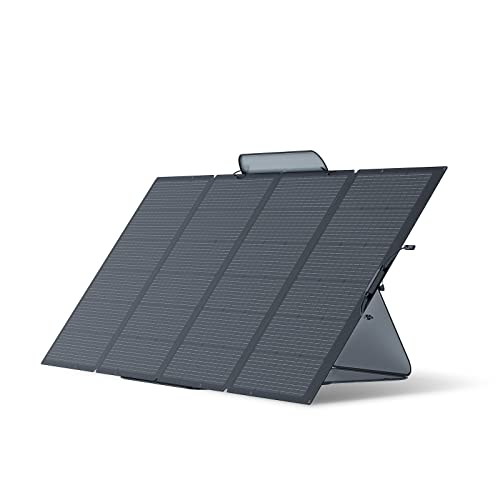
EF ECOFLOW 400W Portable Solar Panel, Foldable & Durabl works better for you when storage space is tight and you need the panel to travel as often as the vehicle does.
Portable 400w Solar Panels make the most sense when storage and setup speed matter as much as output, and this EcoFlow unit leans hard in that direction. The foldable format with an adjustable kickstand case is useful for campsites, vehicle trips, and quick power-station charging where rigid panels would feel awkward.
The IP68 rating adds confidence for outdoor use, though the honest read is that a folding panel still asks for a little more handling care than a rigid mount. Compared with the DOKIO fixed panels, this one is better for movement and temporary placement than for a wall or roof that stays put all season.
Reasons To Buy
- Foldable format stores more easily in a vehicle or gear locker.
- Kickstand case helps you angle the panel without extra hardware.
- Portable design suits power stations and travel-style charging.
- IP68 weather sealing is useful for outdoor trips and changing conditions.
Areas To Watch
- Folding hardware adds moving parts that deserve a little more care.
- It is less suited to permanent roof mounting than a rigid panel.
- Storage works best when you keep the folds clean and dry before packing away.
Technical Sheet
Who Will Love This
It suits you best for road trips, camping, and portable power-station use where fold-up convenience matters more than a fixed array.
Look Elsewhere When
Renogy 400W Portable Solar Panel, Premium Materials for Decades of Use is a better fit for you if you want a heavier-duty travel panel with a suitcase-style setup.
Renogy’s suitcase-style format lands in a different lane from the EcoFlow foldable panel, even though both target portable use. A sturdy kickstand and plug-and-play layout make this appealing for power stations, RV travel, and blackout backup where you want setup to feel orderly instead of improvised.
The IP67 waterproofing is slightly different from the EcoFlow rating, and it still points to serious outdoor readiness. The trade-off is size and weight, since suitcase-style gear usually asks for more lifting room and more storage discipline than a slim blanket panel.
Best Bits
- Suitcase format makes carry-and-set placement feel organized.
- Plug-and-play use is friendly for portable power stations.
- Sturdy kickstand helps hold angle without extra stands.
- IP67 rating supports outdoor travel and rough weather exposure.
Room For Improvement
- The carry format takes more storage room than a backpack-style blanket panel.
- Heavier portable gear can feel less convenient on cramped trips.
- Hinges and folds benefit from regular checks and clean packing.
Core Details
The Right Fit
It suits you best for RVs, power stations, and backup kits where a sturdy portable solar package feels worth the extra bulk.
Where A Sibling Pick Shines
EF ECOFLOW 400W Portable Solar Panel, Foldable & Durabl makes more sense for you if a lighter fold-and-store routine matters more than a suitcase-style carry.
This Callsun set takes a different route from the JJN bifacial panel by splitting the 400 watts into two 200-watt modules. That dual-module approach helps on roofs with awkward shade lines or segmented mounting spots, and the anti-shade layout is appealing when one part of the array is more exposed than another.
For van, marine, and rooftop users, the split format can be easier to place than one large rigid sheet. The catch is that a two-panel package means more connectors and more planning, so it suits someone comfortable with a bit of layout work.
Positives
- Two 200-watt panels give you more placement options than one large module.
- Anti-shade design helps the array cope better with uneven sunlight.
- Bifacial construction can capture reflected light in the right setup.
- 12V and 24V support keeps the system broadly usable.
Honest Caveats
- Two panels mean extra wiring and a little more installation time.
- Shade performance still depends on how the modules are placed.
- Keeping both surfaces clean helps preserve the value of the bifacial design.
At A Glance
Whose Shelf It Belongs On
It suits you best if you want a flexible rooftop or marine setup and you value split placement over a single full-size panel.
Reach For A Different Pick When
JJN Bifacial 425 Watt Solar Panel, N-Type UL 61730 16BB Solar Panel fits you better if one higher-output module is easier to place than two separate ones.
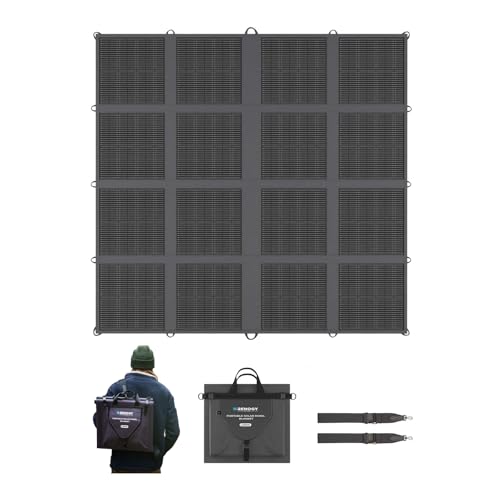
This Renogy blanket-style panel is the most space-conscious option in the group. The backpack-size foldable design matters most for camping, pickup travel, and marine storage where every inch of stash room counts, and that makes it a very different kind of 400w Solar Panels pick from the rigid DOKIO entries.
The 25% efficiency claim and N-type construction point to a modern panel design, which should appeal to people chasing stronger output from a smaller folded footprint. The trade-off is simple enough, since blanket-style gear usually asks for careful unfolding, drying, and packing so the fabric-like structure stays in good shape.
Strong Points
- Backpack-size folding form stores neatly in tight spaces.
- Suited to power stations, so it aligns well with portable battery use.
- The blanket style is easier to tuck into travel gear than a rigid panel.
- 25% efficiency gives the design a strong technical selling point.
Minor Gripes
- Soft, foldable gear needs more careful packing than rigid panels.
- Cleaning and drying matter more before long storage.
- It fits travel and portable use better than permanent mounting.
Feature Card
Built With In Mind
It suits you best if you travel with camping, pickup, or marine gear and need your solar panel to disappear into the smallest possible storage space.
Look Elsewhere When
DOKIO 400W Solar Panel, 31V Monocrystalline, for 24V Off-Grid Systems is the steadier choice for you if a rigid panel is easier to mount and leave in place.
How To Choose The Right 400w Solar Panels
Match The Panel Style To The Job
Rigid panels make sense for sheds, cabins, rooftops, and fixed racks because they mount cleanly and stay put. Foldable or suitcase-style panels make more sense for RV travel, power stations, and temporary setups that need to pack away fast.
The real divide is less about wattage and more about how you live with the panel every day. A stationary setup can handle brackets, cable runs, and cleaning; a travel setup needs easy carrying, fast unfolding, and reliable storage.
Check Voltage Before You Commit
Voltage matters because it helps the panel fit the battery bank or controller you already own. A 31V panel can be a logical match for 24V systems, while 12V, 24V, and 48V compatibility on some models gives you broader planning room.
That detail sounds small, but it can save you from awkward wiring or a panel that does not suit the rest of the system. Think of the panel and the battery setup as two parts of the same conversation, not separate purchases.
Look Past Wattage Alone
400 watts is a useful target, yet panel design changes how that power feels in real life. N-type construction, 16BB cell layout, bifacial modules, and 25% efficiency claims all point to different ways the panel handles space, shading, and output density.
For a cramped van roof, a panel that handles partial shade well may matter more than a few extra watts on paper. For a cabin with open roof space, larger rigid modules can be the cleaner long-term choice.
Think About Handling And Maintenance
Portable panels need folding care, dry storage, and gentle treatment around hinges or kickstands. Rigid panels ask for regular surface cleaning, secure brackets, and room for cable management.
The better panel is usually the one you can maintain without resenting the routine. That simple filter helps more than chasing flashy feature lists.
A Quick Reality Check
Mistakes Worth Dodging
One common slip-up is buying by wattage alone and forgetting the system voltage. Another is choosing a portable panel for a permanent roof, or a rigid panel for a trip-heavy setup where storage matters just as much as output.
You also want to pay attention to mounting hardware and connector style before the panel arrives. A panel can look great on the page and still be awkward in a real install.
The Upgrade Payoff
Higher-tier panels usually earn their place through better cell architecture, stronger weather sealing, smarter folding hardware, or bifacial design. Those details raise the price because they affect real use, not just the spec sheet.
That extra spend makes more sense for frequent travel, uneven lighting, or a setup you want to keep for years without constant compromise. For a simple shed or backup bank, a plain rigid panel can still make a lot of sense.
Frequently Asked Questions
What size system does a 400-watt panel suit?
A 400-watt panel suits compact off-grid systems, RV charging, and small backup setups. It can also serve as part of a larger array when you need more total output.
Do rigid panels or foldable panels fit travel better?
Foldable panels fit travel better because they store in less space and set up quickly. Rigid panels usually make more sense once the mounting spot stays fixed.
Why does voltage matter so much?
Voltage helps the panel match the battery bank and controller you already use. A mismatch can make the whole system harder to plan and wire cleanly.
What does bifacial mean in plain language?
Bifacial means the panel can use light on both sides. That only helps in the right mounting spot, so placement matters a lot.
Which style is easier to maintain?
Rigid panels are usually easier to keep clean on a fixed mount, while foldable panels need more careful packing and drying. The easier style is the one that fits your routine.
Closing Thoughts
Your best 400w Solar Panels pick depends less on brand hype and more on how the panel lives in your space. Fixed installs like the DOKIO and ECO-WORTHY options suit cabins, sheds, and rooftops, while EcoFlow and Renogy portable panels fit travel and power-station use. Bifacial models from JJN and Callsun make more sense when layout and reflected light can work in your favor. Choose the format that matches your routine, and the rest gets simpler fast.
