

Portable solar panels make a lot more sense once you’ve spent a weekend with a power station, a fridge, a phone, and a campsite that never seems to stay sunny in the same spot. The right 200W panel can keep your setup moving without turning your cargo area into a jumble of awkward gear. You’ll care most about fold size, connector compatibility, waterproofing, and how easy the stand system is to set up in a parking lot, by an RV, or beside a tent.
This roundup focuses on practical fits for camping, van travel, backup power, and off-grid routines. You’ll see clear trade-offs too, because a lighter panel often gives up some ruggedness, while a more feature-packed one can take up a bit more space.
Quick Look At Our Top Picks

Renogy 200W Portable Solar Panel, IP65 Waterproof Foldable Solar Panel Power Backup

EBL 200W Portable Solar Panel for Power Station, Foldable IP65 Waterproof

200W Portable Solar Panels ETFE Material 24V MC4 Cable & XT60 Anderson DC

DOKIO 200W Foldable Solar Panel Suitcase with Charge Controller, Gray

200W Portable Solar Panel for Power Station, 24% High Efficiency ETFE Foldable Solar Panel Charger

ZOUPW 200W Portable Solar Panel for Power Station, 23.5% Efficiency Mono Foldable Solar Charger
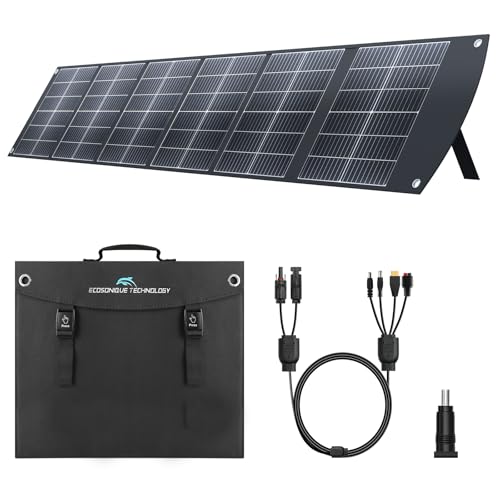
Ecosonique 200W Portable Foldable Solar Panel MC4 Output for Power Station
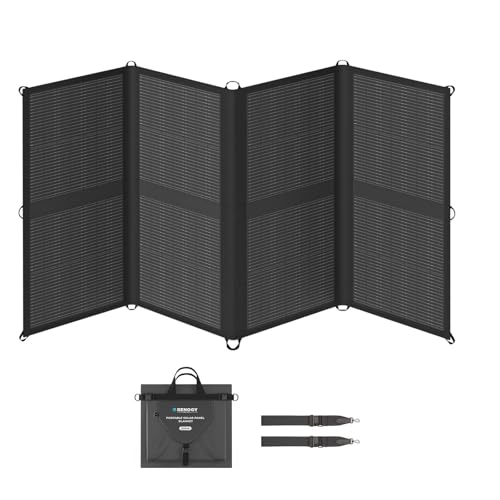
Renogy 200W Portable Solar Panel for Power Stations, 25% High Efficiency
More Details On Our Top Picks
Renogy keeps this one straightforward, which helps in a category that can get cluttered fast. The foldable frame, kickstand setup, and USB-A plus Type-C outputs make it easier to use around camp, at an RV site, or during a home power outage.
The IP65 rating points to protection against dust and low-pressure water spray, so it feels better suited to rougher outdoor routines than softer fabric-panel options. The trade-off is that the feature mix is practical rather than flashy, so you’re paying for clean usability more than extra port variety.
Strong Points
- Foldable layout packs away cleanly for vehicle storage.
- Kickstands help you set the angle without fuss.
- USB-A and Type-C outputs suit small devices directly.
- IP65 protection fits damp campsites and dusty roads.
- Works well as a backup panel for a power station.
Things To Consider
- Port selection stays simpler than some multi-output rivals.
- Carry size still asks for deliberate packing in smaller trunks.
- The folded format needs a little care to keep the hinges tidy.
Feature Snapshot
Who It Suits Best
You’ll get the most from this one in an RV, a truck bed, or a weekend camp setup where convenience matters more than a long accessory list.
A Better Fit Elsewhere
Renogy 200W Portable Solar Panel for Power Stations, 25% High Efficiency makes more sense for cramped storage spaces because it folds into a backpack-size shape.
EBL leans into easy setup, and that matters more than flashy extras for a lot of power-station owners. The MC-4 to Anderson output connection should make integration more familiar for common portable power gear, especially in a garage, cabin, or truck-based setup.
The four kickstands are the real practical touch here, since they help you spread the panel out and aim it without improvising with rocks or coolers. The trade-off is that the overall shape may take a little more room than a simpler two-panel fold, so it suits planned setups better than quick grab-and-go use.
What We Like
- MC-4 to Anderson output suits many power stations.
- Four kickstands add stability across uneven ground.
- Foldable build makes weekend packing less awkward.
- IP65 protection fits outdoor use with some weather exposure.
Room For Improvement
- The larger spread can be less handy in tight vehicle storage.
- Kickstands help setup, but also add moving parts to manage.
- Best results come from careful placement, not a rushed drop-and-go routine.
Core Details
Who Should Grab It
You’ll likely appreciate this most in a fixed camp or RV routine where setup time matters less than a stable stance.
Another Choice May Suit
Renogy 200W Portable Solar Panel, IP65 Waterproof Foldable Solar Panel Power Backup is the easier match for a cleaner output-and-carry balance.
Mesuvida looks built for gear heads who want more connection flexibility than a basic solar blanket usually offers. ETFE, which stands for ethylene tetrafluoroethylene, is a tough fluoropolymer layer that often shows up on outdoor panels because it’s used to improve surface durability and weather tolerance.
The 24V cable plus MC4, XT60, and Anderson DC options make this one a better fit for mixed equipment than Item 2’s simpler connector setup. That flexibility helps in a van, generator shed, or RV bay, though the broader accessory mix also asks you to keep track of the right cable path for your device.
Upsides
- ETFE surface brings a tougher outdoor-ready finish.
- Multiple connector styles broaden equipment compatibility.
- Adjustable kickstands help with panel placement.
- IP68 waterproofing signals stronger exposure tolerance than basic splash ratings.
- Solar-suitcase styling suits organized storage in vehicles.
Softer Spots
- The wider connection choice can feel busy at first.
- Suitcase form may be less compact than lighter fold-flat styles.
- More hardware means a bit more care during packing and cable checks.
Details At A Glance
Made For
You’ll appreciate this most in mixed-gear camps, workshop backups, or RV systems where connector variety saves hassle.
Swap It Out When
EBL 200W Portable Solar Panel for Power Station, Foldable IP65 Waterproof makes more sense for a cleaner, simpler hook-up path.
DOKIO goes after a very practical kind of setup, especially for 12V batteries and backup systems. The included charge controller matters because it handles the panel-to-battery flow in one package, which can simplify life for someone building a solar kit from scratch.
The folded size and 26 lb weight place it more in the “carry with intention” category than the “grab with one hand and forget it” category. That’s not a flaw so much as the trade-off for a suitcase layout that serves boats, RVs, and emergency kits well.
Bright Spots
- Charge controller included for simpler battery setups.
- Works across RV, boat, and emergency uses.
- Suitcase format helps with organized transport.
- Folded dimensions suit trunk and cabinet storage better than loose panels.
Minor Gripes
- 26 lb is enough to notice during repeated moves.
- The suitcase shape is practical, but not the slimmest option here.
- Stored in damp spaces, the controller area deserves a little extra attention.
Quick Facts
Right Fit For
You’ll get the most from this in a garage, boat, or RV where a controller in the box saves setup steps.
Look Elsewhere When
Renogy 200W Portable Solar Panel for Power Stations, 25% High Efficiency is a smarter pick for lighter travel carry.
TWELSEAVAN aims this panel at people who want one sheet of solar gear to cover more than one kind of device. The Type-C 60W port, QC3.0, MC4 output, and USB support make it useful in a campsite where phones, small gadgets, and a power station all need attention.
The solar angle guide and four kickstands give it a more setup-friendly feel than Item 4’s controller-first suitcase approach. The honest read is that all those extras are handy, but they also make this a better match for organized users who like a cleaner charging plan.
Best Bits
- Type-C 60W support is useful for compatible gear.
- QC3.0 and USB ports widen everyday charging options.
- Solar angle guide helps with smarter placement.
- Four kickstands support steadier positioning outdoors.
- ETFE build suits regular travel and camp use.
Areas To Watch
- More ports mean more attention to cable selection.
- The extra feature mix can feel busy for simple backup-only setups.
- Angle guides help, but they still need a little care during setup.
Spec Overview
Whose Shelf It Belongs On
You’ll like this most if you camp with several gadgets and want one panel that can handle a more layered charging routine.
Where Another Pick Suits Better
DOKIO 200W Foldable Solar Panel Suitcase with Charge Controller, Gray suits simpler battery-centered setups a little better.
ZOUPW keeps the focus on compatibility, which matters a lot once you already own a power station from a major brand. That Jackery 1000 V2, Bluetti, EcoFlow, and Anker mention makes the fit feel easier to judge, and the 23.5% mono design gives it a more efficiency-minded profile than some generic foldables.
IP67 waterproofing, which means it’s built to resist dust and stronger water exposure than basic splash ratings, adds confidence for rougher outdoor routines. The trade-off is that you’re paying for a tighter ecosystem match, so it’s best for a home base, road rig, or camp kit that already uses one of those brands.
Positives
- Brand compatibility makes pairing easier for many stations.
- 23.5% mono layout aims for solid conversion efficiency.
- IP67 protection suits harsher outdoor conditions.
- Four kickstands help you steady the panel on camp ground.
Small Caveats
- Best fit leans toward specific power station ecosystems.
- The feature set is focused, so it offers less port variety than Item 5.
- Long-term outdoor use still benefits from careful folding and dry storage.
Core Details
The Right Fit
You’ll appreciate this most when you already use one of the listed power station brands and want a more straightforward match.
Reach For A Different Pick When
Ecosonique 200W Portable Foldable Solar Panel MC4 Output for Power Station gives you broader connector variety for mixed-device setups.
Ecosonique stands out because it spreads its usefulness across several output types without getting too fussy. MC4, XT60, DC, USB-C PD3.0, and USB-A QC3.0 cover a lot of common gear, so a campsite with mixed devices feels easier to manage.
That wide port mix is the selling point, but it also means this one suits shoppers who like a little charging organization. The panel should make sense in an RV, a family camp setup, or a solar-generator kit where one panel handles a lot of small jobs.
Reasons To Buy
- Multi-output layout reduces dependence on extra adapters.
- USB-C PD3.0 and USB-A QC3.0 suit modern devices.
- Waterproof build helps in rough outdoor routines.
- Lightweight framing should ease carrying and repositioning.
- Works across a broad range of camp gear.
Trade Offs
- The port list is excellent, but cable management matters more here.
- More output options can slow setup for first-time users.
- Keeping the panel clean and dry will help preserve the folding hardware.
Feature Rundown
Best Suited To
You’ll get the most out of this in mixed-device camps where one panel needs to support phones, stations, and smaller accessories.
Where Shoppers Go Wrong
Renogy 200W Portable Solar Panel for Power Stations, 25% High Efficiency is easier to live with if you want a more compact, less port-heavy layout.
This Renogy option feels more tuned for travel storage than the first Renogy pick, since the backpack-size foldable design is built to use less space. That makes a real difference in SUVs, marine lockers, or packed van shelves where every inch matters.
The 25% efficiency claim and N-Type panel design point to a more advanced build than basic fold-flat models, though you still want to plan around your storage style and charging needs. USB-A and Type-C outputs keep it practical for everyday gear, which softens the upgrade feel nicely.
Highlights
- Backpack-size folding makes storage simpler in tight spaces.
- 25% efficiency positions it well for serious travel use.
- N-Type construction suggests a more advanced panel approach.
- USB-A and Type-C outputs cover common small devices.
- Good fit for camping, SUV travel, and marine storage.
Worth Noting
- Space-saving design matters most when your storage is already tight.
- Advanced build touches make sense only if you’ll use them often.
- For a simpler setup, Item 1 may feel easier to live with.
Feature Card
Who Will Love This
You’ll appreciate this most in a compact travel setup where storage space is tighter than in a typical RV bay.
Consider Something Else When
DOKIO 200W Foldable Solar Panel Suitcase with Charge Controller, Gray is the safer route for battery-first owners who want the controller bundled in.
How To Choose The Right 200w Portable Solar Panels
Match The Panel To Your Power Gear
Connector fit comes first. MC4, Anderson, XT60, USB-A, and Type-C each serve different gear, so the cleanest choice is the one that matches your power station or device list without a pile of adapters. A panel with broader output options helps in mixed setups, while a simpler connector layout keeps things easier for first-time solar owners.
Efficiency matters too, but only after compatibility is sorted. A 25% panel still needs to plug into the right system, and a rugged IP67 build means little if the cable path does not match your station. The best setup feels like a tidy chain, not a tangle.
Think About Storage And Carry Weight
Fold size changes how often you’ll actually bring the panel along. A suitcase-style unit suits RV bays and garage shelves, while a backpack-size fold works better in SUVs, boats, and packed closets. That difference feels small on paper and very real in a cramped vehicle.
Weight matters in the same way. A 26 lb panel can still be practical, but repeated lifting gets old during short stops or daily moves between house and vehicle. Lighter designs are friendlier for solo handling, though they sometimes give up some structure or accessory depth.
Look Closely At Weather Protection And Surface Materials
IP65, IP67, and IP68 describe how well a product resists dust and water ingress, which means the panel is better suited to rough outdoor conditions as the number rises. ETFE covers and monocrystalline-style builds often show up in more durable-feeling panels, especially for people who camp often or store gear outside a controlled room.
That doesn’t mean you can ignore care. Hinges, cables, and kickstands still need gentle handling, and a panel that gets folded wet or tossed loose in a trunk will age faster than one packed neatly. For regular travel, the better choice is the one you can store cleanly every time.
Choose Features That Match Your Routine
Kickstands, angle guides, and included controllers save time in the field, but only when you’ll use them. A campsite with changing sun angles benefits from adjustable stands, while a simple backup role at home may need little more than reliable output and straightforward storage. Extra features help most when they remove a chore you do often.
That’s where use case should lead the decision. Weekend campers may value quick setup and multi-device outputs, while van travelers often care more about fold size and cable flexibility. The right panel feels like part of the routine, not another piece of gear to explain to yourself each trip.
Things Worth Knowing First
Hidden Buying Traps
It’s easy to focus on the wattage and miss the connection side of the equation. A panel can look strong on paper and still feel awkward if the output standard doesn’t match your station. Storage shape is the other common miss, since a panel that looks manageable online can crowd a small trunk fast.
Care habits matter too. Folding panels do best when you keep the cables organized, the surface clean, and the hinges from getting bent in a rush. That small bit of discipline usually matters more than a flashy spec line.
The Upgrade Payoff
Higher-tier panels usually spend more on better surface materials, stronger water protection, and extra output choices. You also tend to get more thoughtful stands, cleaner folding hardware, and compatibility that saves time during setup. Those touches cost more because they solve daily annoyances, not because they sound fancy.
The upgrade makes the most sense for frequent travel, repeated campsite use, or a power station that anchors your backup routine. For casual backup only, a simpler panel often feels easier to live with and easier to store.
Frequently Asked Questions
What size power station pairs well with a 200W portable solar panel?
A 200W panel pairs well with compact to mid-sized power stations that can accept that input level. The best match depends on the station’s input limits and connector type, not just the panel rating.
Do foldable solar panels need direct sun?
Direct sun usually gives you the cleanest output, especially with portable fold-out designs. Shade from trees, awnings, or a roof rack can cut performance quickly.
Is IP65 enough for camping use?
IP65 handles dust and light water spray well for many outdoor routines. For rougher weather exposure, some shoppers step up to IP67 or IP68.
Why do some 200W panels have several connector types?
Multiple connectors help one panel work with different stations, batteries, and small devices. That flexibility is handy, but it also means you’ll want to keep the right cable with the right device.
Is a lighter panel always the better choice?
A lighter panel is easier to move, but it may give up some rugged feel or accessory depth. The better choice depends on whether you value easy carrying or a more built-out setup.
Closing Thoughts
A good 200W portable solar panel should fit your gear, your storage space, and the way you actually move through trips, outages, or weekend setups. The clearest choices here are the ones that keep setup simple without boxing you into one narrow use. Renogy’s two picks feel especially thoughtful for different storage needs, while TWELSEAVAN, Mesuvida, and Ecosonique bring more feature depth for busier kits. Choose the panel that matches your routine, and it’ll feel useful instead of fussy.
