

Choosing solar gear for a house, cabin, RV pad, or backup setup gets easier once you match the panel style to the job. Fixed panels suit a roof or outbuilding, portable folds help with parking, storage, and seasonal use, and bifacial designs can make sense in open spaces with room for reflected light. The right pick saves space, cuts hassle, and fits the way you actually live.
Here, you get a clear look at nine options that span rigid, portable, bifacial, and plug-and-play styles. You’ll see where each one fits best, where the trade-offs show up, and which choices make the most sense for everyday home use.
The Shortlist At A Glance

ECO-WORTHY 400W Solar Panels N-Type 4pcs 100 Watt 18V Monocrystalline

JJN Bifacial 425 Watt Solar Panel, N-Type UL 61730 16BB

JJN Bifacial 2PCS 425 Watt Solar Panel, N-Type 16BB 850W

Renogy 200W Portable Solar Panel, IP65 Waterproof Foldable

Renogy 400W Portable Solar Panel, Premium Materials

N-Type 16BB 400W Bifacial Solar Panel, 2Pcs 200 Watt

N-Type 16BB 200W Bifacial Solar Panel, 200 Watt

200 Watt TÜV Certification N-Type Solar Panel, 25.8% Efficiency
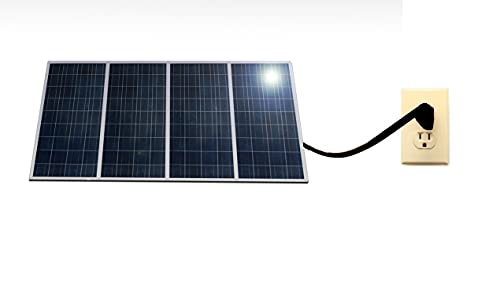
Plug and Play Solar Panel Power with 800-Watt Solar Panels
More Details On Our Top Picks
Four separate 100-watt panels give you room to stage a system in pieces, which suits a garage build, a shed, or a modest home backup plan. The IP68 rating signals strong sealing against dust and water intrusion, and the 16-busbar layout can help the panel handle partial shading more gracefully than a simpler layout.
You may find the 18-volt, 12V/24V-friendly format easier to work into a mixed setup than a heavier all-in-one kit. The trade-off is obvious, though, because four panels take more mounting space and more planning than a single larger module.
Strong Points
- Four-panel format makes staged installs easier.
- 18V output supports common small-system builds.
- IP68 sealing is a welcome fit for exposed placements.
- Useful for cabins, sheds, and RV-side storage.
Things To Consider
- Four separate modules mean more mounting decisions.
- Roof or rack space matters more here than on compact portable options.
- Wiring can take extra care during setup.
Key Specs
Who It Suits Best
You fit this panel set best when you want a straightforward way to build around a shed, small home array, or light off-grid backup system.
Where A Sibling Pick Shines
Renogy 400W Portable Solar Panel, Premium Materials works better for campers who need the same general output in a fold-up format that stores more neatly.
A bifacial panel collects light from both sides, so this JJN model makes the most sense where the back side can catch reflected light from a pale roof, gravel pad, or open rack. The 425-watt rating puts it in stronger territory than ECO-WORTHY’s four-panel starter set, and the 12V/24V/48V compatibility gives a lot of room for system planning.
In a home rooftop or farm array, that flexibility can simplify expansion later. The honest read is that this kind of panel rewards a more deliberate install, since the value shows up best in open, light-friendly placement rather than cramped shading.
Upsides
- Bifacial design can take advantage of reflected light.
- 425-watt rating suits higher-output home arrays.
- Works across 12V, 24V, and 48V systems.
- Monocrystalline build keeps the profile efficient and familiar.
- Good fit for roof, farm, or off-grid planning.
Worth Noting
- Needs the right mounting environment to show its strengths.
- Less convenient for temporary use than a foldable panel.
- Heavier system planning can come with higher-output modules.
Feature Snapshot
Right Fit For
You get the most from this choice in a fixed installation where roof space, rack design, or open ground can support a stronger array.
Another Choice May Suit
Renogy 200W Portable Solar Panel, IP65 Waterproof Foldable is better for campers who need a panel that sets up fast and stores flat.
This two-panel package reads like the expansion-minded sibling to the single JJN panel above. The pair suits a larger roof section, a farm shed, or a staged off-grid setup where you want to add capacity without rebuilding the whole plan.
For a home owner who already knows the array needs will grow, the 2PCS format can reduce the need to piece things together later. The trade-off is simple, though, because this bundle asks for more mounting room and a bit more coordination than one standalone module.
Highlights
- Two-panel bundle helps scale a project cleanly.
- 425-watt panels suit serious residential output goals.
- Bifacial layout can benefit from open placement.
- Works across 12V, 24V, and 48V systems.
- Good fit for those planning a fuller array.
Areas To Watch
- Needs enough space to justify the paired format.
- Less nimble than a portable suitcase panel.
- Best results come from a careful mounting plan.
Details At A Glance
Whose Shelf It Belongs On
You fit this package best when you are building a larger fixed system and want room to scale without changing panel families.
Swap It Out When
PLUGGEDSOLAR Plug and Play Solar Panel Power works better for someone who wants a more bundled, wall-style setup with less custom planning.
Foldable panels matter most when storage space is tight, and this Renogy model fits that reality well. The kickstand helps you angle the panel at camp, beside an RV, or near a portable power station, while the USB-A and Type-C outputs make it easier to handle small-device charging without extra clutter.
Compared with the rigid JJN picks, this one is about mobility, not permanent mounting. You may find the 200-watt format enough for weekend travel, backup charging, or lighter home emergency use, though a larger house setup will usually want more output.
Best Bits
- Foldable design stores neatly in a vehicle or closet.
- Kickstand helps with quick setup on varied ground.
- USB-A and Type-C outputs add everyday convenience.
- IP65 rating supports use around weather exposure.
- Good for power stations and mobile backup plans.
Small Caveats
- Portable format gives up the permanence of roof-mounted panels.
- 200 watts suits smaller loads more than full-home needs.
- Fold hinges and carry handling deserve normal care.
Quick Facts
Made For
You suit this panel best when you camp, travel in an RV, or want a compact backup option that stores without fuss.
Look Elsewhere When
JJN Bifacial 425 Watt Solar Panel, N-Type UL 61730 16BB makes more sense for a permanent roof array that needs stronger output and less portability.
This is the larger portable option in the Renogy pair, and that matters more than it sounds. A 400-watt foldable suitcase gives you more charging headroom for a power station, a longer RV stay, or a backup plan during a household outage, while still avoiding the fixed-install feel of roof panels.
The IP67 rating suggests stronger protection against dust and water immersion than the lighter portable pick above, and the sturdy kickstand should help keep the panel steady once set up. The trade-off is size and weight, so hauling it around a lot will feel more deliberate than carrying the 200-watt version.
Reasons To Buy
- 400 watts gives more portable charging capacity.
- Suitcase format is practical for stored emergency gear.
- IP67 rating is reassuring for rougher outdoor conditions.
- Useful for RV trips, blackouts, and power stations.
Softer Spots
- Bulk is the price of the higher output.
- Setup and carry work better for planned use than quick errands.
- Large portable panels need enough room to open fully.
Core Details
Who Will Love This
You fit this panel best when portable power matters, but you still want enough output for a serious backup kit or longer RV stays.
A Better Fit Elsewhere
Renogy 200W Portable Solar Panel, IP65 Waterproof Foldable suits lighter travel loads and smaller storage spaces more comfortably.
Two 200-watt panels give this Callsun set a more flexible feel than a single heavy module, especially for mixed roof layouts or a van-to-home transfer plan. The anti-shade design matters in practical spaces, because one shaded corner or vent line can otherwise drag down output more than you’d like.
For marine, rooftop, and off-grid use, that kind of resilience can be the difference between a panel that merely looks good on paper and one that works with real-world clutter. The compromise is that a two-piece setup still asks for more wiring and placement work than a portable fold-up panel.
Positives
- Two separate panels give layout flexibility.
- Anti-shade design fits tricky mounting spots.
- Bifacial structure can help in open installations.
- Works well for home, van, or marine use.
Trade Offs
- Two modules mean more hardware to plan around.
- Less compact than a foldable travel panel.
- Best results depend on how clean the mounting area is.
At A Glance
The Right Fit
You suit this set best when you want flexibility across rooftops, vans, and off-grid mounts without giving up decent output.
Where Shoppers Go Wrong
Renogy 400W Portable Solar Panel, Premium Materials fits better for anyone who needs the same broad output in a carry-friendly format.
This smaller Callsun panel keeps the bifacial idea but trims it into a more approachable size for 12V battery systems. That makes it a sensible match for van builds, narrow rooftops, and smaller backup layouts where every square foot matters.
Compared with the 400-watt paired version, this one asks less of your mounting space and less of your budgeted power plan. You may find it a calmer fit for first-time system builders, though it won’t cover larger household loads on its own.
Bright Spots
- 200-watt size stays easier to place.
- Good match for 12V battery systems.
- Bifacial layout adds flexibility in open spots.
- Works well for vans and smaller rooftops.
Minor Gripes
- Power capacity stays limited for bigger home plans.
- Needs thoughtful placement to make bifacial use matter.
- Less scalable than the 2-panel Callsun set.
Feature Rundown
Best Suited To
You fit this panel best when you want a modest solar setup for a van, small roof, or 12V battery bank.
Another Choice May Suit
JJN Bifacial 425 Watt Solar Panel, N-Type UL 61730 16BB is the stronger pick for a fixed home array with more room and higher output goals.
This ECOBOSS panel leans into efficiency and weather sealing in a compact 200-watt format. The 25.8% figure suggests a strong conversion focus, which matters most in cramped installs where you want more useful output from a smaller footprint.
The IP68 build and 16-busbar layout also make it feel suited to tough outdoor spots, from an RV roof to a marine rack or emergency backup station. Compared with the more portable Renogy choices, this one looks better for a fixed setup that still wants a tidy profile.
What We Like
- High-efficiency focus suits compact spaces.
- IP68 sealing supports exposed outdoor mounting.
- 16BB layout points to a modern cell structure.
- Good fit for RV, van, and marine use.
Points To Note
- 200 watts is practical, not expansive.
- Efficiency helps most when placement is already tight.
- Best suited to a fixed installation mindset.
Technical Sheet
Built With In Mind
You fit this model best when you need a compact, efficient panel for an RV, van, marine rig, or backup corner with little spare space.
Where The Extra Money Goes
JJN Bifacial 425 Watt Solar Panel, N-Type UL 61730 16BB is the stronger upgrade when your roof area is larger and you want more output per installation slot.
This PLUGGEDSOLAR setup stands apart because it bundles solar panels with an 800-watt inverter, which changes the conversation from raw panel choice to a more complete power package. For a house that needs a simplified backup path, that can feel less like assembling parts and more like receiving a ready-made system shape.
The trade-off is that a bundled system asks you to accept its layout and structure as given, rather than tailoring every piece yourself. That can be a blessing for straightforward home backup, but a custom rooftop build may still prefer separate panels from JJN, ECO-WORTHY, or Callsun.
Positives
- Includes both panels and an inverter.
- Simplifies the shape of a home backup plan.
- Works well for a hands-off setup style.
- Reduces the need to match separate components.
Areas To Watch
- Less flexible than a custom panel-by-panel build.
- Bundle structure may not suit every roof layout.
- Setup preferences depend on your existing power plan.
Core Details
Who Should Grab It
You fit this bundle best when you want a more complete solar setup without building every part of the system from scratch.
Reach For A Different Pick When
Renogy 400W Portable Solar Panel, Premium Materials is the better match for someone who wants portable panels without committing to a bundled inverter setup.
How To Choose The Right Solar Panels For Residential Use
Start With How The System Will Live
Residential solar works best when the panel shape matches the physical job. Roof-mounted arrays reward rigid panels with solid weather sealing, while porches, garages, campers, and backup kits often benefit from foldable or portable designs that you can move, store, or angle by hand.
Panel output matters, but placement matters just as much. A 200-watt portable panel can be a smart fit for light backup or travel use, while 400-watt and 425-watt modules make more sense for bigger household needs or a growing off-grid plan.
Match Cell Design To Your Site
N-type monocrystalline panels are aimed at efficiency and compact performance, which helps when roof space is limited. Bifacial panels add a second light-capture path from the back side, so they make more sense on open racks, bright ground surfaces, or mounts with room for reflected light.
The catch is that bifacial benefits depend on the environment. A crowded roof with shade lines, vents, and clutter will not help as much as a pale pad or open structure, so the extra feature only earns its keep in the right setting.
Check Weather Rating And Handling Needs
Water and dust resistance can shape day-to-day confidence more than many shoppers expect. IP68 points to stronger enclosure protection than IP65, while portable panels with kickstands and folding frames usually make setup easier but need more handling care over time.
That is where storage and maintenance habits matter. A foldable suitcase panel suits a garage shelf or RV bay, while a rigid panel asks for a more permanent mount and cleaner cable planning.
Think About Wiring And System Fit
Voltage compatibility decides how easily the panel fits your existing gear. A 12V-only setup works well for compact battery banks, while 12V/24V/48V compatibility gives more room to grow into a larger system later.
For most homes, the safer move is to choose a panel that fits your current inverter, battery, and mounting space rather than chasing the biggest number on the page. A neat match now often saves rework later.
Things Worth Knowing First
Wrong Turns To Avoid
Many people get stuck on wattage alone and forget the shape of the install. A high-output panel still disappoints when the roof is cramped, the mount is awkward, or the system needs portability that a rigid module cannot offer.
Another common miss is ignoring the back side of the panel. Bifacial designs only make sense where reflected light has room to work, so a dark, shaded, or cluttered surface can limit the payoff.
The Upgrade Payoff
Higher-tier panels usually cost more because you are paying for stronger sealing, more advanced cell layouts, better efficiency, or a more complete kit. That extra spend can feel worth it in a home setup that stays outdoors year-round or in a backup system where reliability and space efficiency matter.
For a simple shed or occasional travel kit, a more modest panel often does the job without strain. The upgrade makes the most sense when the location is harsh, the space is tight, or the system needs to scale with less compromise.
Frequently Asked Questions
What size solar panel works for a home backup setup?
A smaller 200-watt panel suits light charging and compact battery setups. A 400-watt or 425-watt panel works better for larger backup needs and broader home use.
Are bifacial panels better for residential installs?
They can be, but only in the right setting. Open racks, pale ground surfaces, and low-shade areas give the rear side a better chance to contribute.
Do portable solar panels make sense for a house?
Yes, especially for backup charging, garages, patios, and mobile storage. They fit homes that need flexibility more than permanent mounting.
What matters more, wattage or efficiency?
Both matter, but they solve different problems. Wattage tells you the output level, while efficiency helps most when space is tight.
Should you choose one large panel or several smaller ones?
Several smaller panels are easier to stage and replace in pieces. One large panel can simplify mounting when the roof or rack layout is already set.
Closing Thoughts
You get the best result from solar panels when the panel style fits your home, your storage space, and how often you plan to move it. Fixed panels suit steady residential use, portable models fit travel and backup, and bifacial options make sense where light can bounce back from below. The strongest choice is the one that matches your roof, your battery gear, and your daily routine without making setup feel like a chore.
