

Picking the right solar controller matters because it shapes how smoothly your panels, batteries, and loads work together. A small RV setup, a boat cabin, or a larger off-grid shed all ask for different levels of control, display detail, and battery compatibility. The choices below focus on practical fit, not flashy extras, so you can match the controller to the system you actually plan to run.
Some items here are simple PWM units for modest 12V or 24V systems, while others add MPPT tracking, Bluetooth, or even inverter functions. That spread helps you compare plain control against higher-output options without sorting through a maze of similar-looking listings.
Quick Look At The Shortlist

Renogy Adventurer 30A PWM Controller

Renogy Voyager 20A PWM Controller

Rolokit 30A PWM Controller with Dual USB

SUMRY 4000W Hybrid Solar Inverter

ECO-WORTHY 30A PWM Controller with Bluetooth
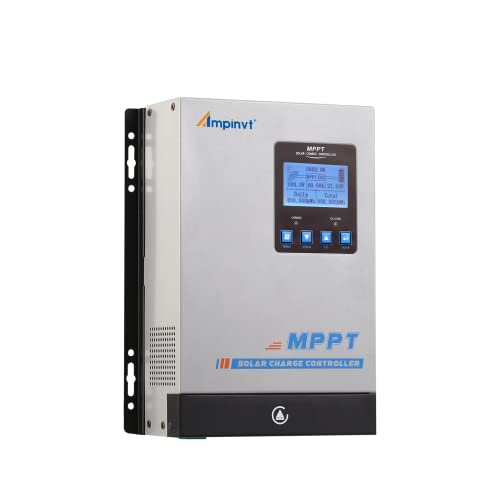
Ampinvt 80A MPPT Solar Charge Controller

Renogy 60A MPPT Solar Charge Controller

Victron Energy SmartSolar MPPT 150V 70A

ACEIRMC 2-Pack 30A Solar Controller
More Details On Our Top Picks
Flush-mount controllers fit neatly in RV panels, and this Renogy model leans into that tidy install style. The LCD gives you a direct read on charging status, while the 12V and 24V support keeps it useful for compact off-grid systems.
The battery support range is broad, with sealed, gel, flooded, and lithium compatibility spelled out in the listing. That makes it a sensible match for a travel trailer, a small cabin, or a backup setup where space is tight and you still want clear front-facing controls.
Strong Points
- Flush-mount design sits cleanly in a dash or wall cutout.
- LCD display makes day-to-day status checks easy.
- Works with 12V and 24V systems, which helps in mixed small setups.
- USB 2.4A output adds a handy phone-charge option for a bench or camper wall.
- Negative-ground design suits many common RV and off-grid arrangements.
Things To Consider
- PWM control is a simpler fit than MPPT for users chasing maximum harvest from longer panel runs.
- Manual lithium setup means you’ll want to pay attention during configuration.
- Flush mounting asks for a clean cutout, so installation takes a bit more planning than a loose tabletop unit.
Feature Snapshot
Who It Suits Best
You’ll get the most from this controller in an RV, shed, or compact cabin where flush installation and simple monitoring matter more than app control.
A Better Fit Elsewhere
Renogy 60A MPPT Solar Charge Controller suits a larger off-grid layout with more panel capacity and a stronger need for harvest efficiency.
Marine use changes the game because moisture and spray never stay politely in the background. The IP67 housing gives this controller a clear edge for boats, exposed deck gear, or installations that see damp conditions more often than a sheltered cabin wall.
Compared with the Adventurer above, this one trims output to 20A and stays focused on simpler systems. That trade-off makes sense for smaller battery banks, and the straightforward design should feel reassuring on a weekend boat or a compact camper setup.
What We Like
- IP67 housing suits damp, splash-prone environments.
- Compact 20A size keeps it practical for smaller arrays.
- 12V and 24V support covers common marine and mobile systems.
- Simpler hardware can be easier to place in tighter compartments.
Worth Noting
- 20A capacity is better for small systems than for expanding panel banks.
- PWM design keeps things simple, but it is less flexible than MPPT on longer runs.
- Marine placement still benefits from careful cable management and corrosion-aware installation habits.
Core Details
Who Will Love This
Boaters and owners of exposed outdoor power boxes will appreciate the weather-oriented housing and the smaller, easier-to-place footprint.
Where A Sibling Pick Shines
Renogy Adventurer 30A PWM Controller fits better for an RV or cabin owner who needs more output and an LCD panel in a flush-mount format.
The Rolokit keeps the formula straightforward, then adds timer-based load control that matters in real day-to-day use. That kind of feature is useful in a small workshop or cabin where you want loads to follow a schedule instead of staying live all the time.
It also brings dual USB ports, which makes it feel more like a utility panel than a bare controller. Compared with the Renogy Voyager, it is less about wet-location durability and more about giving a basic system a little more control and convenience.
Highlights
- LCD display helps you check system status at a glance.
- Timer settings support scheduled load use.
- Multiple load modes add flexibility for simple DC accessories.
- Dual USB ports are handy for small device charging near the system.
Areas To Watch
- The feature set is more about convenience than high-end charging efficiency.
- Basic controller styling means it may feel utilitarian in visible living spaces.
- Menu setup can take a little patience the first time you configure it.
Feature Rundown
Built With In Mind
You’ll get the most use from this pick in a budget-friendly off-grid setup where control options matter more than premium construction.
Another Choice May Suit
ECO-WORTHY 30A PWM Controller with Bluetooth fits better for a setup where wireless monitoring feels worth the extra attention.
This is the big leap in the list, because it combines inverter and controller duties in one unit. The pure sine wave output matters for electronics that prefer cleaner AC power, and the LCD plus glass top cover give it a more polished feel than the smaller PWM boxes.
It also supports battery-less use or AGM and lithium batteries, which opens the door to more off-grid layouts. The trade-off is obvious, though, you’re stepping into a more complex system that suits a serious cabin, workshop, or whole-shed build better than a simple weekend trailer.
Reasons To Buy
- Hybrid design reduces the need for separate inverter and control hardware.
- Pure sine wave output suits sensitive AC loads more comfortably.
- LCD display helps you monitor system behavior from the front panel.
- Battery-less support adds flexibility for specialized off-grid arrangements.
- Glass top cover gives it a cleaner, more finished look.
Small Caveats
- More capability also means more planning during installation.
- 24V DC input keeps it aimed at specific system layouts.
- It makes more sense for a dedicated power station than for a tiny mobile setup.
Details At A Glance
Made For
This fits someone building a more complete off-grid power wall, especially where the inverter and charging section need to live together.
Look Elsewhere When
Renogy Adventurer 30A PWM Controller suits a smaller RV or camper van far better, because it is simpler to install and far less system-heavy.
Bluetooth changes the feel of a controller because it lets you keep an eye on the system without standing over the display. In a workshop, shed, or tucked-away utility bay, that convenience can matter more than it sounds on paper.
Like the Rolokit, this one stays in the 30A, 12V and 24V world, so it makes sense for small to mid-size builds rather than heavy expansion. The honest read is that Bluetooth is the headline feature here, so you’ll want to value remote checking more than raw charging sophistication.
Upsides
- Bluetooth support adds remote visibility for system checks.
- Dual USB ports bring everyday charging convenience.
- Auto operation suits straightforward 12V and 24V setups.
- Negative-ground compatibility matches many common small systems.
Points To Note
- Bluetooth usefulness depends on your comfort with app-based monitoring.
- PWM design is more basic than MPPT for long-cable or high-yield layouts.
- Visible installs may need a little cable tidying to keep the setup neat.
Spec Overview
Best Suited To
This fits someone who likes to check a system from a phone while keeping the hardware itself small and straightforward.
Swap It Out When
Victron Energy SmartSolar MPPT 150V 70A is the better match for a more detail-focused setup where MPPT performance and stronger scaling matter more than Bluetooth alone.
Higher current support shifts this controller into larger-system territory. With 80A capacity and auto support for 12V, 24V, 36V, and 48V, it suits a battery bank that’s grown beyond the small-trailer stage.
The max input power range is broad enough to make the spec sheet feel more serious than the compact PWM choices earlier in the list. That said, the real value shows up in bigger off-grid homes, workshop systems, or expanded backup banks where panel and battery planning are already more deliberate.
Standout Traits
- 80A output supports larger charging loads.
- MPPT design helps make better use of panel output than basic PWM units.
- Auto voltage support across four system levels adds setup flexibility.
- Wide input power range suits expanding installations.
Room For Improvement
- Its scale is more than many compact RV systems need.
- Planning around a larger controller usually means more attention to wiring and protection components.
- It feels better matched to a fixed power room than to a simple travel setup.
Technical Sheet
Whose Shelf It Belongs On
This is a smart fit for someone building a larger off-grid power system that needs room to grow.
Where Another Pick Fits Better
Renogy Voyager 20A PWM Controller is easier to live with for a small marine or mobile setup that does not need this much capacity.
This Renogy steps into a more flexible voltage range than the smaller 12V and 24V choices, and that matters once your system starts spreading across home, RV, or workshop use. The 150V solar input also gives panel planning more breathing room, which can be useful in larger roof or rack layouts.
Compared with the Ampinvt, this one drops to 60A but keeps a strong MPPT platform and a broad voltage spread. That balance suits someone who wants a serious controller without jumping all the way to the heaviest current class in the group.
Best Bits
- 60A output gives solid headroom for growing systems.
- MPPT control helps extract more from panel arrays than PWM designs.
- Auto support across 12V through 48V broadens compatibility.
- 150V solar input increases layout flexibility.
- Fits home, RV, marine, and workshop use in one spec set.
Honest Caveats
- It is more controller than many tiny backup kits require.
- Higher flexibility tends to go hand in hand with more system planning.
- Owners of very small setups may not need the extra voltage range.
Feature Card
Right Fit For
You’ll appreciate this most in a growing off-grid setup where you want range, headroom, and fewer compatibility worries.
Skip It When
Renogy Adventurer 30A PWM Controller is the simpler match for a smaller camper or basic cabin that does not need this much scale.
Bluetooth and MPPT together make this feel built for people who want close control over system behavior. In a detailed off-grid install, that kind of visibility can be useful because you can track what the controller is doing without standing at the hardware.
Compared with the Renogy 60A, this Victron raises the current ceiling to 70A and keeps the 150V input range. The result is a controller that suits careful system builders, especially where monitoring detail and scaling room matter more than keeping the setup plain.
Positives
- 70A capacity supports demanding solar systems.
- 150V input opens up array design options.
- Bluetooth adds convenient remote visibility.
- MPPT operation fits users who want better panel use than PWM usually provides.
- Works across 12V, 24V, 36V, and 48V systems.
Softer Spots
- Its strengths show up most clearly in more involved builds.
- Bluetooth monitoring is useful, but not every simple shed setup needs it.
- Higher-end control usually comes with a more careful installation mindset.
Core Details
Who Should Grab It
This is a strong match for a detail-minded installer building a larger off-grid or mobile power system.
Where Shoppers Go Wrong
A smaller trailer or basic backup box is usually better served by Renogy Adventurer 30A PWM Controller, which is easier to size and place.
The two-pack format changes the buying logic right away, because you’re covering more than one space instead of committing to a single install. That makes sense for a small cabin plus shed, or for a setup where you want a spare controller already on hand.
It stays grounded in the familiar 30A, 12V and 24V range, so the learning curve stays modest. Compared with the Rolokit, this pick feels more practical for someone who needs two straightforward controllers rather than one unit loaded with extra control modes.
Positives
- Two controllers in one package help cover multiple spots.
- Dual USB ports add a useful charging touch.
- LCD display keeps basic monitoring simple.
- Timer setting supports planned load control.
Minor Gripes
- The package approach makes the most sense only when you need both units.
- Basic controller design means the appeal is practical rather than polished.
- Timer and parameter setup may take a little setup time on first use.
Feature Snapshot
The Right Fit
This belongs with someone outfitting more than one small solar spot, especially where keeping a spare makes life easier.
Another Choice May Suit
Rolokit 30A PWM Controller with Dual USB is the better match for a single setup that needs more load modes and one panel-focused interface.
How To Choose The Right Solar Controllers
Match The Controller Type To The Array
PWM, or pulse-width modulation, is the simpler route and works well in smaller systems where panel voltage closely matches battery voltage. MPPT, which stands for maximum power point tracking, adds smarter power harvesting and usually makes more sense once panel runs get longer or the system grows.
That difference matters in real use. A compact camper with one or two panels can live comfortably with PWM, while a larger roof array or off-grid shed usually benefits from MPPT’s wider operating range.
Check Battery Chemistry And Voltage
Your battery type should line up with the controller’s supported settings, especially for lithium, AGM, gel, flooded, or sealed lead-acid banks. A controller that supports 12V only will not suit a system that’s being built around 24V or 48V storage.
Voltage range shapes the whole install, not just the controller box. A small weekend trailer is one thing, but a cabin or workshop that may expand later deserves more headroom.
Think About Controls You’ll Actually Use
LCD screens, Bluetooth monitoring, USB outputs, and timer settings are useful only when they fit the way you live with the system. A wall display helps in a visible utility area, while Bluetooth makes more sense when the controller sits in a tucked-away compartment.
Extra features can feel like comfort features, much like a good work light makes an evening job easier without changing the job itself. The key is choosing the controls you’ll check often, not stacking on functions that sound impressive but stay untouched.
Size The Build For Today And Tomorrow
Current rating, solar input voltage, and array size should leave room for a little growth. A controller that barely fits today’s panel count can become the bottleneck once you add a second module or a larger battery bank.
For most off-grid setups, that’s the point where value shifts away from the cheapest box and toward a unit with clearer headroom. The right move is often the one that stays comfortable after the first upgrade, not just on day one.
A Quick Reality Check
Mistakes Worth Dodging
Many small systems get sized around the controller first, then the panels and batteries are forced to fit later. That can leave you with awkward voltage mismatches or a controller that feels cramped the moment you add another panel.
Another common miss is choosing a control style you won’t use. Bluetooth sounds appealing, but a simple LCD may suit you better in a visible wall mount.
What The Higher Tier Buys
Higher-end models usually bring MPPT tracking, broader voltage support, stronger current ratings, and more precise monitoring. Those parts raise the price because they widen the use case and reduce the chance that your next system change outgrows the hardware.
The upgrade makes sense for expanding cabins, larger RV electrical systems, and serious workshop power plans. A basic PWM unit still serves many small setups well, so the extra spend only pays off when your system needs the added flexibility.
Frequently Asked Questions
What Does A Solar Controller Actually Do?
It manages the flow of power from the panel array to the battery bank. That helps the system charge in a controlled way instead of sending power in blindly.
Is MPPT Worth It For A Small System?
MPPT makes the most sense when panel voltage, array size, or future expansion justify it. A small, simple setup can still work well with PWM.
Can You Use Lithium Batteries With These Controllers?
Several of the models here list lithium support, but the exact setting method varies. You should match the battery chemistry on the product page before installation.
Why Do Some Controllers Show USB Ports?
USB ports add a convenient place to charge small devices near the system. They do not replace the controller’s main job, they just add a useful side function.
How Do You Choose The Right Amp Rating?
Choose a rating that fits your current panel load and leaves room for growth. A controller that is too small can become a bottleneck once your array expands.
Closing Thoughts
The right solar controller depends on how large your system is, where it lives, and how much control you want at the panel. For compact RV or marine use, the smaller PWM picks keep things straightforward, while MPPT models make more sense as voltage, panel count, and battery banks grow. The list above gives you a practical range from simple and tidy to feature-rich and expansion-ready. Match the controller to your setup now, and the rest of the system tends to feel a lot easier to live with.
