

Historic windows ask for a careful touch. You want less glare, softer heat, and better UV control, but you also want to keep the glass and the room’s original character intact.
That balance is where the right film matters. Some options lean toward near-clear heat rejection, while others add privacy, frosting, or decorative texture that suits a home with older trim, transoms, or front-facing panes.
Quick Look At The Shortlist

Gila Heat Control 3-in-1 Adhesive Residential DIY Window Film

Gila Heat Control Light Gray Adhesive Residential DIY Window Film
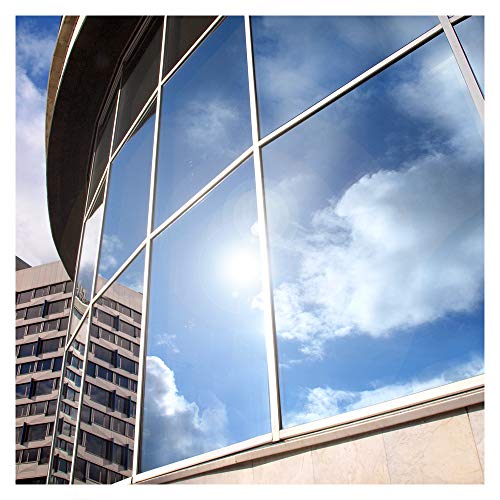
BDF EXS15 Exterior Window Film Mirror Silver 15
BDF NSN70 Window Film Very Light 24in x 14ft

Haton Frosted Window Privacy Film with Tools, Pure

rabbitgoo Window Privacy Film Rainbow Clear 17.5 x 78.7

Gila Heat Control Titanium Adhesive Residential DIY Window Film

35.4 x16ft Colored Window Film Gold Yellow

DKTIE Static Cling Decorative Window Film with Tools
More Details On Our Top Picks
This film fits the classic use case for front rooms that get too much afternoon light. Its 3 ft by 15 ft roll covers a practical stretch of glass, and the adhesive format suits a permanent-minded install on curved surfaces as well as standard panes.
The standout part is the balance, with solar energy rejection up to 59%, glare reduction up to 72%, and UV blocking up to 99%. That mix helps a room feel calmer without pushing it into a dark, heavy look, which matters in older homes where you still want the window line to feel open.
Strong Points
- Reduces bright glare well enough to make a sun-facing living room easier to use.
- Blocks most UV exposure, which helps slow fading on fabrics, rugs, and wood finishes.
- Works on curved glass, so it reaches a few older window shapes better than many flat-only options.
- The 3 ft by 15 ft roll gives you a workable span for several standard windows.
Things To Consider
- Adhesive film is more commitment-heavy than static cling, so placement matters from the start.
- The darker functional tint may stand out more in a house where you want a nearly invisible look.
- Careful surface prep still matters, since dust and residue can affect the finish.
Feature Snapshot
Who It Suits Best
You get the most from this pick in a sun-heavy sitting room, breakfast nook, or street-facing parlor where glare and fading both matter.
A Better Fit Elsewhere
Gila Heat Control Titanium Adhesive Residential DIY Window Film suits you better when heat rejection matters more than a softer everyday tint.
The lighter gray tone makes this one feel less assertive than the first Gila film, which helps in homes where you want comfort without a bold visual change. It is built for flat glass, so older sash windows with straightforward panes are the better match than tricky curved sections.
The selling point is plain and useful, glare reduction up to 53% in a format that aims for quick, adhesive-based installation. For a den, stair landing, or office facing harsh afternoon sun, that can be enough to take the edge off without making the room feel overly tinted.
Upsides
- Light gray styling keeps the window treatment visually restrained.
- Adhesive installation suits a more permanent residential setup.
- Flat-glass compatibility makes it a sensible fit for standard window panes.
- Glare control helps screens, framed art, and reading corners feel easier on the eyes.
Room For Improvement
- Flat glass only, so it’s less flexible than the earlier Gila film for shaped panes.
- The softer performance profile may not satisfy rooms that take the strongest sun.
- Adhesive film rewards careful alignment, because repositioning is more limited once set.
Core Details
Who Will Love This
You’re a good fit for this one when you want a modest-looking film for a bedroom, office, or sitting room with standard flat panes.
Where A Sibling Pick Shines
Gila Heat Control 3-in-1 Adhesive Residential DIY Window Film fits better for curved glass or for spaces that need stronger all-around sun control.
This pick leans into exterior mounting, which changes the feel of the job in a useful way for street-facing windows. The mirror-silver look brings daytime privacy into the picture, so it suits rooms where you want less visibility from outside without changing the inside layout.
Compared with the lighter interior films above, this one is more about the outside-facing effect than subtle indoor tint. That makes it a strong fit for historic homes on busy streets, especially where the window is part of the front elevation and you want a more controlled daytime appearance.
Reasons To Buy
- Exterior application shifts the privacy effect to the outside of the glass.
- The mirror finish helps cut daytime visibility from the street.
- Its darker profile can handle stronger sun exposure with a more assertive look.
- Good for front rooms where privacy matters as much as solar control.
Softer Spots
- Exterior film sees more weather exposure, so upkeep matters more than with interior options.
- The mirror effect can feel too bold for heritage windows where a quiet appearance is the priority.
- Darkness that helps privacy can also make a room feel more enclosed.
Feature Rundown
Built With In Mind
You’re looking at the right type of film for front-facing rooms, porch-adjacent windows, or any glass where daytime privacy matters most.
Look Elsewhere When
BDF NSN70 Window Film Transparent High Heat Rejection & UV Cut suits you better when you want a clearer appearance with less visual change to the window.
This film is for the preservation-minded setup where you want the window to stay visually quiet. Its very light look is a major draw in older houses with trim, divided lights, or street-facing facades that should not look heavily altered.
The trade-off is straightforward, it is less about making a dramatic style statement and more about staying discreet while still addressing heat and UV exposure. For a parlor, library, or upper room with cherished finishes, that restraint can be exactly the point.
Highlights
- Very light appearance keeps the glass looking closer to untreated.
- Heat rejection suits rooms that get regular sun without needing a dark tint.
- UV cut helps reduce sun stress on furnishings and surfaces.
- The 24 in x 14 ft size works well for narrower panes and smaller openings.
Points To Note
- Narrower width can mean more planning on larger windows.
- The understated look helps the architecture, but it may not satisfy privacy needs.
- Clearer films often reward careful installation, since imperfections are easier to notice.
Details At A Glance
Right Fit For
You’re the best match for this pick when the house aesthetic matters as much as the heat control, especially around prominent front windows.
Another Choice May Suit
Gila Heat Control 3-in-1 Adhesive Residential DIY Window Film fits better when you need a broader-width roll and stronger glare reduction.
The frosted look shifts the conversation from heat control alone to privacy first, which helps in rooms where you want daylight without a full view inside. Static cling means no adhesive layer, so the film suits people who prefer a more reversible approach on glass.
That matters in a home office, bathroom, or side window where you may want a softer finish that is easier to live with over time. The included tools make the installation side feel less fussy, though a careful hand still helps any frosted film look cleaner at the edges.
Best Bits
- Frosted surface gives strong privacy while still letting in light.
- Static cling installation avoids adhesive residue on the glass.
- Included tools help simplify the setup for common home windows.
- Works well in bathrooms and offices where privacy matters daily.
Small Caveats
- The frosted look changes the window more than a clear heat-control film would.
- Static cling can need more patience during alignment than adhesive products.
- Edges and corners usually reward a clean, dust-free surface first.
Quick Facts
Best Suited To
You’re in the sweet spot for this one if you want bathroom or office privacy without turning the room into a closed-off space.
Swap It Out When
rabbitgoo Window Privacy Film Rainbow Clear 17.5 x 78.7 fits better when you want more decorative character instead of a frosted finish.
This is the decorative choice in the group, and that makes it feel more like a window dressing than a plain control layer. The iridescent, prism-like effect can suit a stair landing, landing window, or any small pane that deserves character without heavy tint.
Unlike the more restrained films above, this one is about light play first and privacy second, so the fit depends on the room’s role. For historic homes with a touch of personality in the trim or glasswork, the visual effect can feel right at home.
Positives
- Decorative iridescent look adds color movement as daylight shifts.
- Static cling format keeps the installation less permanent.
- The clear base helps the glass still feel bright and open.
- Works well on accent panes where style matters more than heavy shading.
Minor Gripes
- The decorative finish is less subtle than a preservation-first clear film.
- Style-driven performance may not be enough for hotter rooms with strong sun.
- Like other cling films, dust control matters during application.
Spec Overview
The Right Fit
You’ll appreciate this most on smaller windows that need a decorative lift more than serious heat control.
Reach For A Different Pick When
BDF NSN70 Window Film Transparent High Heat Rejection & UV Cut suits you better when the priority is a subtle, nearly clear look for preservation.
The titanium version pushes harder on solar control than the lighter Gila options earlier in the list. It is the one that makes the most sense for a room that bakes in afternoon sun, especially where you want a clear result in both glare and heat relief.
With up to 72% solar energy rejection and up to 72% glare reduction, it has a more decisive job to do. In a historic home, that can be useful on a back room, upper floor, or south-facing window where comfort matters more than an almost invisible finish.
Standout Traits
- Strong solar rejection helps reduce heat-heavy rooms more aggressively.
- Glare control reaches the same high level as the energy control.
- The 3 ft by 15 ft size can cover up to three standard windows.
- Adhesive construction suits a long-term setup on residential glass.
Worth Noting
- The stronger look may be more noticeable than a very light preservation film.
- Adhesive installation asks for care, because placement mistakes are harder to undo.
- Cleaning around the edges takes a gentle hand once the film is in place.
Technical Sheet
Whose Shelf It Belongs On
You’re looking at the right choice for rooms that get strong sun and need a more forceful fix than a lighter neutral film.
Consider Something Else When
BDF NSN70 Window Film Transparent High Heat Rejection & UV Cut is the gentler fit when the glass should stay as visually quiet as possible.
This is the most style-forward option in the roundup, with a gold-yellow color that makes the film part of the decor rather than a quiet background layer. That makes sense for a room where the window itself is a design element, not just a source of light and heat.
Because the source details focus on the decorative format and size, the main appeal here is visual character paired with self-adhesive convenience. For a sunroom, craft room, or front room with a vintage look, the color can bring a warm tone that plain preservation film does not attempt.
Plus Points
- Gold-yellow coloring gives the window a warmer decorative presence.
- The self-adhesive format keeps the finish more fixed once installed.
- The 35.4 in x 16 ft roll offers a broad working span for larger panes.
- Useful where the window is meant to contribute to the room’s style.
Areas To Watch
- The decorative look is less discreet than a preservation-first clear film.
- Style-led tint may not be the right match for every historic facade.
- Careful layout helps a colored film look deliberate rather than busy.
Core Details
Who Should Grab It
You’re the best match for this pick when the project is as much about style as it is about managing sunlight.
Where A Sibling Pick Shines
Gila Heat Control Titanium Adhesive Residential DIY Window Film suits you better for hotter rooms where performance matters more than color.
This film is aimed at smaller spaces where decorative privacy matters more than a heavy solar-control approach. The stained-glass look is useful on bathroom panes, shower-door glass, or a little side window that needs character without making the room feel boxed in.
Static cling keeps it closer to the Haton pick in installation style, while the included tools help keep the process more manageable. The honest read is that it suits accent windows best, especially in a historic home where you want a softer visual change than a full adhesive tint.
What We Like
- Static cling format keeps the film non-permanent and easier to adjust.
- Decorative stained-glass style adds personality to small panes.
- Included tools help with a cleaner setup on compact windows.
- Works nicely where privacy matters but a fully opaque look would feel too heavy.
Honest Caveats
- The decorative style is more about looks than strong solar performance.
- Small-format film works best on panes that match its intended scale.
- Like other cling options, a clean glass surface makes the result easier to live with.
Feature Card
Built For In Mind
You’re looking at a smart fit for bathroom windows, shower doors, and other smaller spots that need privacy with a decorative touch.
Another Choice May Suit
Haton Frosted Window Privacy Film with Tools, Pure is the better match when you want a more restrained, frost-like finish instead of stained-glass styling.
How To Choose The Right Solar Control Films For Historic Home Window Preservation
Start With The Window’s Job
Front-facing parlor glass, upstairs bedrooms, and kitchen windows do not need the same film. A room that gets hard afternoon sun calls for stronger glare and heat control, while a softer side window can get by with a subtler finish that protects the look of the house.
Older sash windows also deserve a closer look at the glass shape. Flat panes usually work with the broadest range of films, while curved or unusual surfaces narrow the field quickly.
Match The Film To The House Style
Historic homes often feel best with restrained tint, very light film, or a finish that sits quietly in the background. Dark mirror styles and bold color can work in the right spot, but they change the window’s personality fast.
Frosted and decorative films suit bathrooms, side lights, and accent panes where privacy or visual interest matters more than near-invisible preservation. Clearer heat-control films make more sense on prominent facade windows.
Choose Between Adhesive And Static Cling
Adhesive film usually feels more permanent, which helps on rooms you know will need long-term sun control. Static cling offers a softer commitment and is easier to rethink later, especially on smaller panes or spaces that may change use.
The trade-off is feel and finish. Adhesive often looks more fixed, while cling tends to suit temporary privacy, renter-friendly upgrades, or glass you may want to revisit later.
Think About Light, Privacy, And Maintenance
Solar control is not only about heat. UV blocking helps reduce fading on textiles and wood finishes, glare control makes seating and screen use easier, and privacy features change how the room feels from the street.
Cleaning and upkeep matter too, especially on exterior-mounted films or any install near sinks, showers, or high-touch areas. The best match is the one that fits your light level, your layout, and how much maintenance you’re willing to live with.
Things Worth Knowing First
Mistakes Worth Dodging
Don’t match every window to the same film just because the roll width looks convenient. A sunny front room, a shaded stairwell, and a bathroom window ask for different levels of light control and privacy.
It also helps to respect the glass type. Flat panes, curved panes, and exterior surfaces each steer you toward a narrower set of choices.
What The Higher Tier Buys
More expensive films usually bring more refined tint, stronger control numbers, or a finish that disappears more easily into the window. That extra cost often shows up in how well the film handles glare, heat, or privacy without making the room look overly altered.
The upgrade makes sense when the window sits in a prominent part of the home or when the room takes hard sun for much of the day. For a secondary window, a simpler film often does the job without extra fuss.
Frequently Asked Questions
Do solar films suit old windows?
They can, provided the glass type and mounting style match the product. Flat, stable panes usually give you the widest set of options.
Which film looks the least noticeable?
The very light clear styles come closest to that goal. BDF NSN70 is the quietest visual option in this roundup.
Is static cling easier to live with than adhesive film?
Static cling is easier to reposition and remove. Adhesive film usually feels more fixed once it’s in place.
Do decorative films still help with sun control?
Some do, but decorative styling should be treated as part of the decision, not the whole point. The stronger the visual effect, the more likely you’ll trade away subtlety.
Which option works best for privacy in street-facing rooms?
The BDF EXS15 exterior mirror film is the clearest privacy-first choice here. It suits daylight-facing windows where outside visibility matters most.
Closing Thoughts
You have a useful spread here, from near-clear preservation-minded films to privacy-heavy and decorative options. For the most balanced historic-home fit, start with the window’s job, then narrow by appearance, attachment style, and how much sun the room really takes. A quiet film can respect the house, while a bolder one can solve a stubborn room without changing the whole feel. Choose the window first, and the right film gets much easier to spot.
