

Solar attic fans help move trapped heat out of attics, garages, sheds, and greenhouses before those spaces start feeling like an oven. You get the most value from them in homes with stuffy upper floors, outbuildings that sit in full sun, or roof spaces that need steadier air movement through long warm seasons. The right choice depends on roof type, panel power, thermostat control, and whether you want solar-only operation or a hybrid setup that can keep moving air after dark.
That mix is why this roundup separates compact units from heavy-duty roof vents and hybrid picks. You can match the fan to the space instead of oversizing or settling for a unit that looks fine on paper but feels awkward in real use.
Quick Look at the Shortlist

Amtrak Solar 12-Inch 50W Solar Attic Fan with Thermostat

Remington Solar Builder Series 40 Watt Solar Attic Fan
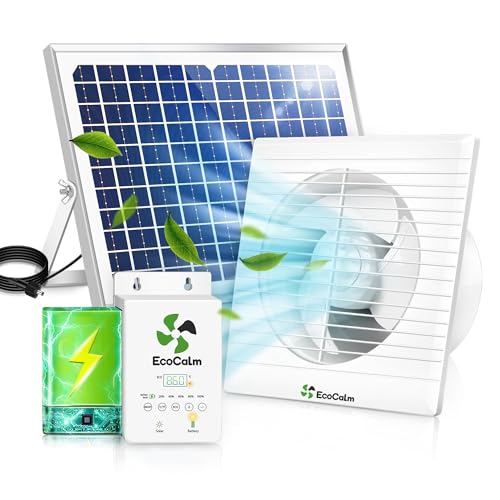
ecoCalm Solar Fan 8 with Adjustable Thermostat and Battery

ECO-WORTHY 25W Solar Powered Attic Ventilator Gable Roof Vent Fan

OmniPV Smart Hybrid Solar Attic Exhaust Fan Pro

Remington Solar 30 Watt Roof Mount Solar Attic Fan


QuietCool AFR SLR-40 Roof Mount Solar Attic Fan
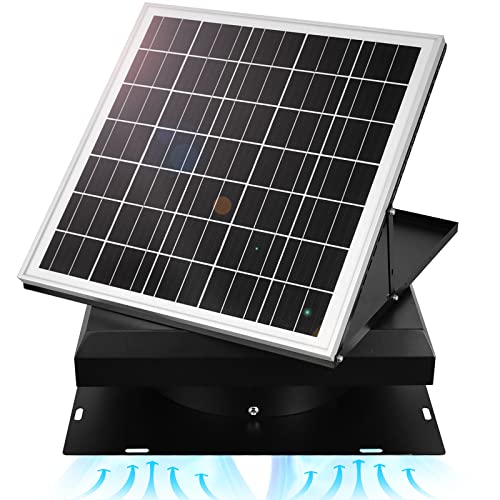
DC HOUSE 32 Watt Solar Attic Fan Solar Powered Roof Exhaust Fan
More Details On Our Top Picks
That 12-inch format suits a larger attic or detached space that needs stronger air movement without adding a complicated setup. The built-in thermostat keeps the fan tied to temperature rather than guesswork, so it fits homes that get punishing afternoon heat.
You also get a Made in USA build, which will matter to shoppers who care about domestic sourcing and straightforward part compatibility. The trade-off is simple: this is a more serious roof fan than a compact greenhouse unit, so smaller spaces may not need this much output.
Strong Points
- 12-inch size suits broader attic venting needs.
- 50W panel gives the fan solid solar input.
- Thermostat control helps the fan respond to heat automatically.
- Works across garages, sheds, and greenhouses too.
- Made in USA may appeal to source-conscious shoppers.
Things To Consider
- It can feel oversized for a small outbuilding.
- Roof mounting asks for careful placement and sealing.
- Thermostat control still depends on your attic layout and airflow path.
Key Specs
Who Will Love This
You get the most out of this one in a hot attic, a garage, or a shed where you want straightforward solar venting and thermostat control.
Where A Sibling Pick Shines
QuietCool AFR SLR-40 fits better for you if you want AC/DC inverter support for day-and-night airflow instead of a solar-only setup.
The built-in 110V adapter changes the story here, because you are not locked into daylight only. That makes this pick a strong fit for homes that want the fan to keep running through the evening or on cloudy stretches.
Compared with Amtrak Solar’s thermostat-first approach, this one leans into runtime flexibility. The honest read is that the added versatility can be worth it for occupied homes, though it feels less stripped-down than a basic roof vent.
What We Like
- 40-watt solar setup keeps the unit in a practical middle range.
- 110V adapter adds night operation support.
- Good fit for homes that need steadier airflow across the day.
- Builder Series positioning suits straightforward retrofit planning.
Minor Gripes
- Hybrid operation brings a little more setup thinking.
- It suits larger roof spaces better than tiny sheds.
- Wiring and placement deserve a careful install plan.
Feature Rundown
Made For
You fit this model best when you want attic ventilation that can keep going after sunset in a home that sees regular heat buildup.
A Better Fit Elsewhere
QuietCool AFR SLR-40 suits you better if you want a roof-mount fan with an AC/DC inverter and thermostat-controlled runtime.
Greenhouses and hobby sheds often need smaller, more controlled airflow, and this 8-inch fan lines up well with that job. The adjustable thermostat plus battery support gives you more control than a bare-bones solar vent, especially in places where sun exposure changes through the day.
Compared with the bigger roof-focused picks, ecoCalm feels more specialized for plant spaces and compact outbuildings. You may find the smaller footprint easier to place, though a larger attic would ask for something with more reach.
Reasons To Buy
- 8-inch size fits compact ventilation jobs.
- Adjustable thermostat adds useful temperature control.
- Battery support broadens the operating window beyond direct sun.
- 25W bifacial panel captures light on both sides of the panel surface.
- Anti-backflow design helps limit reverse airflow concerns.
Areas To Watch
- It is better suited to smaller structures than full attics.
- Battery-based setups can add maintenance awareness over time.
- Plant-space use demands smart placement for airflow circulation.
Details At A Glance
Best Suited To
You get the cleanest fit here in a greenhouse, chicken coop, or small shed where compact size matters as much as airflow control.
Swap It Out When
ECO-WORTHY 25W Solar Powered Attic Ventilator suits you better for a roof-based attic or RV cooling setup.
This one is built for the shopper who wants a ready-to-use attic or greenhouse fan without chasing a complicated parts list. The foldable 30W panel is the part that stands out, because it gives the setup a bit more flexibility in placement than a fixed panel usually does.
Compared with the ecoCalm unit, this ECO-WORTHY pick feels broader in use and less tied to plant-only spaces. The trade-off is that it still sits in the practical midrange, so ultra-large attics will likely want more output.
Upsides
- 25W fan pairing keeps the design in a useful middle zone.
- 30W foldable panel adds flexibility during installation.
- Works for attic, greenhouse, RV, and outdoor spaces.
- Ready-to-use framing suits straightforward projects.
Worth Noting
- It will not match the output of the larger hybrid picks.
- Foldable panel hardware may need careful handling during setup.
- Broader compatibility does not replace a room-specific airflow plan.
Quick Facts
The Right Fit
You suit this model best when you want a flexible solar vent for an attic, greenhouse, RV, or another mid-sized space.
Another Choice May Suit
DC HOUSE 32 Watt Solar Attic Fan fits you better for a larger roof area that needs a tougher metal-shell build.
On raw output, this is the most ambitious pick in the group, with 2850 CFM, which means cubic feet per minute, describing how much air the fan can move in a minute. That makes it a serious choice for large attic volumes, especially when you want cooling and moisture control to cover a much wider footprint.
The 40 to 104°F thermostat range gives you a broad control window, and the hybrid design means it is built for more than sun-only operation. Compared with the simpler Remington Solar models, this one is the clear step-up choice for big spaces, though the setup is more involved and probably more than a small shed needs.
Highlights
- 2850 CFM output suits large-volume attic spaces.
- 50W solar panel supports stronger ventilation demand.
- Thermostat range from 40 to 104°F adds control flexibility.
- Hybrid design fits long-use setups better than basic solar-only units.
- Weatherproof roof vent framing suits exposed locations.
Points To Note
- The high-output design makes this more than a casual retrofit.
- Large-system installs usually ask for more planning and roof coordination.
- Small garages and sheds may not need this much capacity.
Core Details
Built With In Mind
You fit this model best when your attic is large, heat-prone, and in need of a more serious ventilation upgrade.
A Better Fit Elsewhere
4SEASONS Solar Attic Vent Fan makes more sense for a smaller space that only needs up to 500 sq. ft. of coverage.
This roof-mount version keeps the formula simple, which is often exactly what you want in a standard attic. A 30-watt solar setup places it below the bigger 50-watt and hybrid units, so it reads as a steadier middle-ground option rather than a brute-force fan.
That middle position matters in homes with typical attic layouts, because you get a straightforward solar vent without moving into oversized territory. The trade-off is lower ambition, but for many houses that is a reasonable balance and easier to live with over time.
Bright Spots
- 30W panel keeps the system in a manageable range.
- Roof-mount layout suits common attic installs.
- Simple design makes the pick easy to place in context.
- Good middle ground for everyday attic heat relief.
Small Caveats
- It gives up the extra runtime features seen on hybrid picks.
- Large or very hot attics may want more output.
- Roof installation still calls for careful fit and sealing.
Spec Overview
Whose Shelf It Belongs On
You suit this pick if you want a no-fuss roof vent for normal attic cooling without extra hybrid hardware.
Look Elsewhere When
Amtrak Solar 12-Inch 50W Solar Attic Fan with Thermostat works better for you when the attic is hotter and you want thermostat-led control.
For smaller attic zones, this 400 CFM fan stays nicely in its lane. CFM, or cubic feet per minute, gives you a direct hint about how much air it can move, and the up-to-500 sq. ft. coverage claim makes the sizing intent easy to read.
The polycarbonate housing is a sensible touch for a fan that may spend its life exposed to roof heat. Compared with the larger OmniPV and DC HOUSE models, this one feels more measured and better suited to a modest space than a whole-house heat problem.
Best Bits
- 400 CFM is easy to match to smaller spaces.
- Up to 500 sq. ft. helps clarify the use case.
- 12W panel keeps the design compact.
- Polycarbonate housing suits outdoor roof exposure.
Honest Caveats
- It will not suit a large attic as well as the higher-output models.
- Low-watt operation means smaller scale expectations make sense.
- Roof vent placement still deserves careful planning.
Feature Card
Right Fit
You fit this model best for a smaller attic section, a compact roof space, or another area that only needs modest airflow.
Where Another Pick Fits Better
DC HOUSE 32 Watt Solar Attic Fan suits you better when the space is larger and metal-shell durability matters more.
The AC/DC inverter is the headline here, because it gives the fan a path to 24/7 runtime instead of stopping at sunset. That makes it a strong fit for spaces where evening heat lingers, or where continuous ventilation feels more useful than solar-only operation.
Compared with the basic Remington roof-mount model, QuietCool adds a clearer premium feel through the adjustable panel and thermostat control. The trade-off is that you’re paying for flexibility, so it makes the most sense when you will actually use that extra runtime.
Plus Points
- 40W adjustable panel adds installation and angle flexibility.
- AC/DC inverter supports round-the-clock operation.
- Thermostat control helps tie airflow to attic heat.
- Roof-mount format stays familiar for attic projects.
Areas To Watch
- Extra flexibility can mean a more involved install.
- Shoppers who only want daytime solar venting may not need the inverter.
- Planning matters more than on a basic solar-only fan.
Technical Sheet
Who Should Grab It
You suit this one best when you want attic ventilation that keeps working after dark or during lower light stretches.
Reach For A Different Pick When
Remington Solar 30 Watt Roof Mount Solar Attic Fan is the simpler choice for you if basic solar attic cooling is enough.
DC HOUSE lands in the larger-space lane with 2500 CFM and coverage up to 3000 sq. ft., so it makes sense for roomy attics or broad roof areas. The metal shell and hail-and-weather resistance language point to a tougher outside-facing build, which matters more when the fan will sit exposed for long stretches.
Compared with the lighter 4SEASONS pick, this one feels far more ready for demanding conditions. You may find it more confidence-inspiring for a bigger roof, though the installation is naturally less casual than a smaller vent fan.
Standout Traits
- 2500 CFM supports serious roof ventilation needs.
- Coverage up to 3000 sq. ft. fits larger spaces.
- Metal shell adds a tougher exterior feel.
- Weather-focused design suits exposed roof placement.
Room For Improvement
- Large-capacity hardware asks for more installation care.
- It can be more fan than a compact attic needs.
- Weather resistance still depends on a sound roof install.
Core Details
Whose Shelf It Belongs On
You suit this fan best if your roof space is large and you want a sturdier vent with high airflow.
Skip It When
4SEASONS Solar Attic Vent Fan is the better match for a smaller attic or a modest ventilation job.
How To Choose The Right Solar Attic Fans
Match Output To Roof Size
Airflow matters more than marketing language. CFM tells you how much air a fan can move, so a larger attic needs a higher figure than a compact shed or greenhouse.
The safest match starts with the space you actually need to ventilate, not the biggest number on the page. A fan that is too small leaves heat behind, while one that is too large can feel like overkill and bring more installation effort than needed.
Think About Power Path And Runtime
Solar-only fans work best in bright, open roof locations. Hybrid units, inverter support, or an AC adapter help keep airflow going after sunset or during weaker light, which matters in homes that hold heat into the evening.
That extra flexibility usually comes with more hardware and a slightly more involved setup. For a simple outbuilding, plain solar can be enough, but occupied homes often benefit from a model that keeps moving air longer.
Check The Control Features
A thermostat turns the fan on based on heat, which is handy in an attic that swings from mild to punishing. Adjustable panels help you place the solar surface more effectively, especially on tricky roof angles or partial sun exposure.
Battery support can widen the operating window, but it also adds another part to think about over time. The best control setup depends on how hands-off you want the system to feel.
Pick The Build That Fits The Space
Roof mounts, gable vents, and compact housings each solve a different installation problem. Polycarbonate and metal shells speak to different durability priorities, while foldable or adjustable panel designs can make placement easier in awkward spots.
The practical question is simple: do you want a straightforward attic exhaust fan, or a more specialized vent for a greenhouse, coop, RV, or small workshop? That answer narrows the field fast.
Things Worth Knowing First
Common Shopping Slip Ups
Many people start with panel wattage and stop there. That leaves airflow, mounting style, and thermostat control out of the picture, which is where fit usually goes wrong.
A smaller fan can be fine for a greenhouse but feel weak in a full attic. A bigger unit can also be a poor match for a modest shed, so space size should lead the decision.
What The Higher Tier Buys
More expensive models usually bring higher airflow, hybrid runtime support, stronger housings, or broader temperature control. Those upgrades make sense when the fan will run in a larger attic, a roof with tougher exposure, or a home that needs evening airflow too.
The extra spend is less about flashy extras and more about reducing compromise. That matters most when heat lingers, roof access is awkward, or you want the fan to do more than a daylight-only job.
Frequently Asked Questions
What size solar attic fan works for a typical attic?
A typical attic usually calls for a fan with enough airflow to match the roof space, not just a high-watt panel. Larger attics often benefit from stronger CFM and thermostat control.
Do hybrid solar attic fans make sense?
Hybrid models make sense when you want the fan to keep running after sunset or through weaker light. They are a practical step up for homes that hold heat into the evening.
Are these fans only for attics?
No, several options also suit garages, sheds, greenhouses, coops, and RV spaces. The right pick depends on how much air the space needs and how the fan mounts.
Is thermostat control useful?
Thermostat control helps the fan respond to heat without manual attention. That is especially helpful in upper rooms and roof spaces that swing a lot during the day.
What matters more, wattage or airflow?
Airflow matters more for judging how much ventilation you actually get. Wattage helps signal the power setup, but CFM tells you more about the fan’s moving-air capacity.
Closing Thoughts
The right solar attic fan comes down to space size, runtime needs, and how much control you want over heat buildup. A smaller greenhouse or shed can do well with a compact model, while a large attic usually asks for more airflow and a sturdier build. The hybrid options stand out when you want the fan to keep going after dark, and the simpler roof-mount picks work well for straightforward daytime venting. Match the fan to the space, and the rest gets a lot easier.
