

You want charging gear that earns its space in a pack, not another bulky layer of dead weight. These solar backpacking chargers suit day hikes, camping weekends, and travel days where wall outlets stay out of reach. Some lean on panel output, others on built-in battery storage, and a few try to cover both sides of the equation. The right match depends on whether you need to top off a phone at camp, keep a power bank alive, or carry a backup that still fits a light load.
Quick Look At The Shortlist

BLAVOR Solar Power Bank 20000mAh with Hand Crank

BigBlue Ultra-Light Portable 25W Solar Panel Charger

SOLUPUP Solar Panels 30W Foldable Solar Charger
FlexSolar 25W Portable Solar Panel Charger
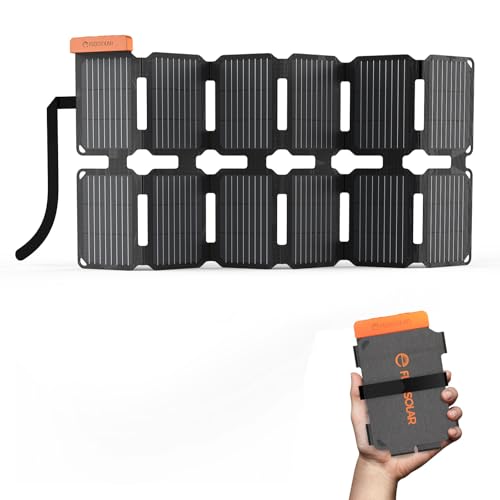
FlexSolar 36W Ultra-Portable Solar Panel Charger
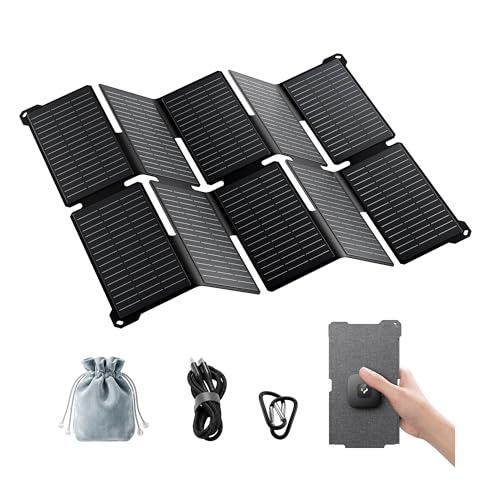
GEYOTO 35W Portable Solar Panel Charger

GEYOTO 45W Portable Solar Panel Charger

BLAVOR Solar Power Bank 10000mAh Wireless Charger

BigBlue 28W High-Efficiency Solar Panel Charger
More Details On Our Top Picks
Trail days get easier when your backup power also behaves like a small camp tool. This BLAVOR unit folds in a 20,000mAh battery, wireless charging, a hand crank, four cables, and a camping light, so it’s aimed at the person who wants fewer loose extras in the pack. The trade-off is weight and bulk compared with a plain panel. For weekend campers or emergency kits, that mix makes sense.
The hand crank is the sort of feature you hope stays unused, but it does add a layer of reassurance on longer trips. Compared with the lighter panel-focused picks from BigBlue and FlexSolar, this one is more about stored power and convenience than solar efficiency alone. You may find it a better match for car camping, storm prep, or a carry-on bag than for fast-and-light backpacking.
Strong Points
- 20,000mAh capacity gives you room for multiple phone top-offs.
- Wireless charging cuts down on cable clutter around camp.
- Four included cables help with mixed-device households.
- Hand crank adds a backup option for low-power situations.
- The built-in light can help in a tent or dark vehicle.
Small Caveats
- The extra features make it less pack-friendly than a slim panel.
- Solar charging alone won’t feel as direct as a purpose-built panel charger.
- Keeping the cables organized takes a little care in a stuffed bag.
Feature Snapshot
Who It Suits Best
Campers who want a battery pack with more than one backup path will get the most from this BLAVOR design.
Where A Sibling Pick Shines
BigBlue Ultra-Light Portable 25W Solar Panel Charger suits hikers who care more about low carry weight than built-in battery features.
BigBlue keeps the footprint tiny, and that matters on a crowded pack or a day hike where every ounce gets noticed. At 0.84 pounds, this panel leans heavily into portability while still giving you both USB-A and USB-C output options. The IP68 rating points to a sealed, ruggedized build for dust and water exposure, which is handy around wet campsites and damp ground. The honest read is simple: this is the sort of panel you carry because it stays out of the way.
Compared with BLAVOR’s battery-heavy setup, this one asks you to bring your own power bank and use the sun as the source. That makes it a cleaner fit for backpackers who already own charging storage and want the lightest practical panel. One thing worth considering, though, is that tiny panels still depend on decent sun angles and good placement.
Highlights
- The very low weight helps on long trail miles.
- USB-A and USB-C ports cover older and newer gear.
- The pocket-size fold makes packing straightforward.
- IP68-rated construction gives extra confidence near dust and moisture.
Points To Note
- You’ll want a power bank on hand, since this is a panel rather than a stored battery.
- The small footprint can be less forgiving in weak or angled sunlight.
Core Details
Made For
Fast-moving hikers who already carry a power bank will appreciate the light, pocket-sized format.
Another Choice May Suit
BLAVOR Solar Power Bank 20000mAh with Hand Crank fits you better when you want storage, a light, and emergency backup in one piece.
SOLUPUP pushes a little harder on output than the lighter 25W options, and that extra headroom helps on longer camp stops. The built-in smart chip is there to identify devices and manage charging more intelligently, which matters when you’re rotating between phones, power banks, and small lights. It also includes automatic reconnection after sunlight returns, so brief cloud cover or a moving shadow does not force a full reset. For mixed-device trips, that combination is genuinely useful.
Compared with BigBlue’s lighter panel, this one is a touch more substantial, but the 30W class is more forgiving when your devices are pulling from a busier camp setup. The IPX5 rating suggests splash resistance rather than full submersion protection, so storage in a dry pocket still makes sense. Hikers who want a middle-ground panel with a bit more muscle will likely find this one easier to live with.
Upsides
- 30W output gives you more breathing room than the smallest panels here.
- USB-A and USB-C support mixed cables and modern gear.
- The smart chip helps keep charging behavior organized.
- Auto-reconnect is helpful during changing light conditions.
- Foldable construction makes it easier to stash between uses.
Areas To Watch
- IPX5 protection is splash-focused, so dry storage still matters.
- The panel format needs good sun placement to do useful work.
Technical Sheet
Right Fit For
Campers who juggle several small electronics and want a 30W panel with smarter charge behavior will get the most from this pick.
Skip It When
BigBlue Ultra-Light Portable 25W Solar Panel Charger makes more sense for ounce-counting hikers who want the lightest panel in the group.
FlexSolar keeps the formula simple, and that works well for packing lists that already feel full. USB-A and USB-C built into the panel mean you can cover a broad spread of device cables without extra clutter, and the lightweight frame suits a bag that changes from daypack to overnight kit. Compared with SOLUPUP’s smarter charging logic, this one reads as the easier grab-and-go choice. It’s a good fit for people who want straightforward solar support more than feature layering.
The 25W class is modest, so patience matters on cloudy afternoons or late starts from camp. That said, the lean build and emergency-charging angle make it appealing for hikers who value simplicity over extra output. You may find it especially handy as a spare panel that lives in a pack until needed.
What We Like
- Built-in USB-A and USB-C ports reduce accessory juggling.
- The low-weight design suits backpack carry.
- Its plain setup is easy to pack and unpack.
- Works well as a backup panel for occasional use.
Minor Gripes
- 25W output is not the strongest choice for larger charging loads.
- Plain panel layouts still depend on solid sunlight positioning.
At A Glance
Whose Shelf It Belongs On
Minimalist hikers who want a simple, low-drama solar panel for occasional trail use will like this one.
Where A Sibling Pick Shines
FlexSolar 36W Ultra-Portable Solar Panel Charger suits you better when you want more output options for longer off-grid stretches.
The jump to 36W gives this FlexSolar more headroom for longer outings, especially when your pack includes a power bank and a phone. USB-A, USB-C, and DC outputs make it broader in compatibility than the simpler 25W panel above, so it suits mixed gear better. The upgraded output mix is handy in base camp or at a picnic table where you can spread out a little. Nothing flashy, just more ways to keep gear moving.
Compared with the smaller FlexSolar 25W model, this one is the better fit for trips that stretch over more than a day or two. The trade-off is that more capability usually brings a little more to carry and manage. You may find that extra flexibility worth it once you start charging more than just a single phone.
Positives
- 36W output gives extra room for slower solar days.
- USB-A, USB-C, and DC ports widen compatibility.
- Works well for packs that include phones and battery packs.
- Still keeps a lightweight, portable profile.
- Better suited to longer camp stays than the smaller 25W panel.
Honest Caveats
- The broader output set can feel unnecessary for very simple setups.
- Like most foldable panels, placement and sunlight angle still matter a lot.
Core Details
The Right Fit
Backpackers who need a more flexible panel for phones, battery packs, and small gear will get the best use from this one.
Swap It Out When
FlexSolar 25W Portable Solar Panel Charger makes more sense when you want the simplest and lightest panel in the FlexSolar pair.
GEYOTO leans into efficiency, and the listed 25.4% figure tells you it’s built for stronger energy conversion than a plain no-frills panel. USB-C PD, or Power Delivery, means the USB-C port can negotiate higher charging levels with compatible devices, while USB-A QC, or Quick Charge, is there for supported gear on the older connector side. At 1.5 pounds, it stays light enough for backpacking without feeling stripped to the bone. That balance makes it appealing for hikers who care about output and portability together.
Compared with the 25W panels earlier in the list, this one feels a bit more serious about getting usable power from limited sun. The IP68 rating also pushes it into sturdier territory for dust and water exposure, which is useful around rough campsites. One thing worth considering is that more advanced ports still depend on compatible devices and decent positioning under the sky.
Bright Spots
- The 25.4% efficiency figure suggests strong energy conversion for a trail panel.
- USB-C PD helps compatible phones and battery packs charge more effectively.
- USB-A QC keeps older gear in the mix.
- The 1.5-pound build stays backpack-friendly.
- IP68-rated protection suits rougher outdoor conditions.
Softer Spots
- Efficiency still depends on sunlight, angle, and cloud cover.
- Compatible charging modes matter, so not every device will behave the same way.
Details At A Glance
Built With In Mind
Backpackers who want a higher-efficiency panel and still care about carry weight will find this GEYOTO model appealing.
Look Elsewhere When
BigBlue Ultra-Light Portable 25W Solar Panel Charger fits you better if your main goal is the smallest and lightest trail carry.
The 45W version is the most output-focused panel in this group, so it suits camp setups that ask more from solar alone. Dual USB-C, plus a USB-A output, gives you plenty of connector flexibility, and the 25W PD mention signals stronger support for compatible USB-C charging gear. At 1.7 pounds, it still stays within a backpacking range, though you’ll notice the extra size compared with the smaller GEYOTO panel. That’s the trade-off for more charging muscle.
Compared with the 35W GEYOTO, this one is the better call for longer stays where you need the panel working harder over the course of a day. The IP68 design also keeps the focus on outdoor use rather than delicate handling. For base camps, trail lodges, and group trips, the extra wattage makes practical sense.
Standout Traits
- 45W output gives the most headroom in this roundup.
- Dual USB-C output is useful for newer device setups.
- USB-A support keeps older cables in play.
- The panel still remains portable enough for camping carry.
- 25W PD support helps compatible gear charge more effectively.
Worth Noting
- The larger panel format is less subtle in a small daypack.
- Higher output still needs strong sunlight to feel worthwhile.
Feature Card
Best Suited To
Base-camp hikers and longer-stay campers who want the strongest panel in this list will get the most from this GEYOTO model.
A Better Fit Elsewhere
GEYOTO 35W Portable Solar Panel Charger suits you better when a lighter panel still has to cover phones and battery packs.
Not every trail carry needs the larger 20,000mAh format, and this BLAVOR bank keeps the footprint more reasonable for everyday stashing. The 10,000mAh capacity is easier to slip into a day bag or carry-on, and the wireless charging plus dual flashlights make it feel useful beyond just phone top-offs. That smaller size does come with a clear trade-off, though: less stored power between charges. For shorter trips and backup carry, that balance feels sensible.
Compared with the 20,000mAh BLAVOR above, this one is the cleaner pick for lighter packing and simpler routines. The solar panel charging is a backup rather than the main event, so it suits people who expect to recharge from a wall source now and then. You may find it especially comfortable for commuting, day hikes, or trip bags that stay in rotation all week.
Positives
- 10,000mAh capacity is easier to carry day to day.
- Wireless charging helps when you want less cable handling.
- Dual flashlights add practical camp and roadside use.
- 20W charging keeps it relevant for phones and small devices.
Room For Improvement
- The smaller battery gives you less stored backup than the 20,000mAh BLAVOR unit.
- Solar panel charging works better as an emergency supplement than a full replacement for wall charging.
Quick Facts
Who Will Love This
People who want a compact backup charger for routine use and short outdoor trips will get the most from this BLAVOR power bank.
Where Another Pick Fits Better
BLAVOR Solar Power Bank 20000mAh with Hand Crank suits you better when extra battery storage and more add-on features matter more than compact size.
This BigBlue panel sits in the middle of the pack in a useful way, not by trying to do too much. The 28W output gives you a bit more breathing room than the smallest 25W options, and the dual USB-C plus USB-A layout helps with mixed charging setups. For camping and backpacking, that middle-ground shape is often the easiest to live with because it balances carry size and practical output. The design feels straightforward rather than fussy, which helps on trips where gear should stay simple.
Compared with the BigBlue ultra-light model above, this one is less about shaving every ounce and more about keeping daily camp charging flexible. The trade-off is that it does not chase the extra features or higher output numbers of the GEYOTO panels. Still, for general trail use, it lands in a very sensible place.
Reasons To Buy
- 28W output gives a helpful step up from the smallest panels.
- USB-C and USB-A support mixed cables and devices.
- The panel format works well for camp and backpack use.
- It keeps the setup simple for general outdoor charging.
Things To Consider
- It does not feel as featherlight as the smallest BigBlue panel.
- Higher-output options in this list offer more headroom for heavier charging loads.
Key Specs
The Right Fit
General campers who want a balanced solar panel without chasing the lightest or strongest extreme will find this BigBlue model easy to live with.
Where A Sibling Pick Shines
BigBlue Ultra-Light Portable 25W Solar Panel Charger makes more sense for ounce-conscious hikers who care more about the lightest carry than a slightly fuller panel.
How To Choose The Right Solar Backpacking Chargers
Match Output To Your Trip Length
Panel wattage tells you how much charging headroom you have, but it only matters in relation to your trip. A 25W panel can suit a weekend hike or a backup carry, while 35W to 45W makes more sense once you start charging a phone plus a power bank or small accessories.
The bigger number is not magic, though. Sun angle, cloud cover, and how long you stay in one place shape the real-world result just as much as the listed output.
Decide Between A Panel And A Battery Pack
A solar panel gives you ongoing input from the sun, while a power bank stores energy you can use later. That difference matters on shaded routes, in forested campgrounds, or during short travel windows where direct sunlight is scarce.
BLAVOR’s 20,000mAh and 10,000mAh options show the battery side of the category, while the BigBlue, FlexSolar, SOLUPUP, and GEYOTO panels focus on live solar charging. Your carry gets simpler once you choose the side that fits your routine.
Look Closely At Ports And Charging Modes
USB-A still helps with older cables, and USB-C is now the connector many people carry first. USB-C PD means Power Delivery, a charging standard that allows compatible devices to negotiate more power, while USB-A QC refers to Quick Charge support on certain older ports.
Mixed port layouts are useful for families, shared gear, and trips with several device types. The trade-off is that the right cable still matters, and not every device will charge at the same pace from every port.
Weight, Weather Resistance, And Pack Shape Matter
Backpackers tend to feel every ounce, so a panel around 0.84 to 1.7 pounds can be easier to justify than a heavier carry. Foldable designs also pack better than rigid panels, especially in smaller daypacks or dry bags.
Weather resistance is worth a hard look too, because campsite dust, splashes, and damp grass happen often. A higher rating can help the panel suit rougher conditions, but storage and placement still matter.
A Quick Reality Check
Wrong Turns To Avoid
Plenty of shoppers focus only on wattage and ignore the rest of the setup. A strong panel still needs compatible ports, a sensible fold size, and enough sunlight exposure to earn its keep.
Another common slip is expecting a solar panel to behave like a wall charger all day long. That’s a fast way to end up frustrated on cloudy trails or under tree cover.
The Upgrade Payoff
More expensive models in this category usually buy you better efficiency, broader port support, lighter materials, or tougher weather resistance. That extra cost can make sense for frequent hikers, long trips, and gear kits that need to stay dependable across changing conditions.
For occasional car camping, a simpler model often makes more sense. For regular backpacking, the upgrade can feel worth it because the panel carries easier and handles more of the charging routine.
Frequently Asked Questions
Can A Solar Backpacking Charger Power A Phone Directly?
Yes, many panels can charge a phone or feed a power bank directly through USB ports. Real-world performance depends on sunlight, shade, and whether the device supports the port type.
Is A Power Bank Better Than A Solar Panel For Backpacking?
A power bank is better for stored energy and predictable use. A solar panel is better once you expect long daylight exposure and want ongoing input from the sun.
What Port Type Helps Most On Trail Trips?
USB-C helps most for newer phones and modern charging cables. USB-A still matters because plenty of cables and small accessories still use it.
How Important Is Water Resistance?
It matters a lot for outdoor carry because splashes, wet grass, and dust are common. A tougher build gives you more confidence, though dry storage still helps extend service life.
What Size Feels Practical For Most Backpacking Trips?
For many trips, a light 25W to 35W panel is the easiest place to start. A larger 45W panel makes more sense once your charging needs grow or your camp stays longer.
Closing Thoughts
Your best choice depends on how you move through the trail, not just on the number on the box. A light panel suits fast hikers, a bigger panel fits longer camp stays, and a power bank works best when you want stored backup instead of sun-dependent charging. BLAVOR’s battery packs bring convenience, BigBlue keeps carry weight low, and GEYOTO pushes more output for people who stay out longer. Pick the one that matches your route, and the whole setup feels easier from day one.
