

Portable power gets a lot easier once the solar panel is part of the bundle. You’re not just picking battery size, you’re looking at how fast a setup can refill, how many outlets it can handle, and whether it makes sense for camping, RV trips, home backup, or a long outage at the house. The picks below focus on that real-world fit, so you can match capacity and output to how you actually live.
The Shortlist At A Glance

BLUETTI AC180 Solar Generator 200W Panel Included

Jackery HomePower 3000 2x200W Solar Panels

Jackery Explorer 2000 v2 2x200W Solar Panels

500W Portable Power Station 100W Solar Panel

Jackery Solar Generator 300 40W Solar Panel

BROWEY 1600W Portable Power Station 1024Wh Built-in Solar Panel
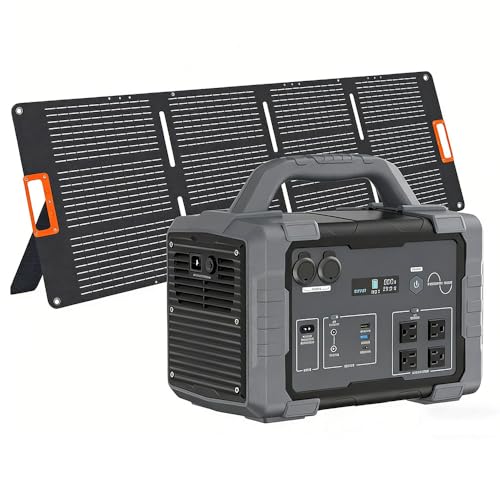
Solar Generator 1800W 200W Solar Panel 1024Wh

ABOK Ark3600 Portable Power Station 400W Solar Panel

UDPOWER S2400 Portable Power Station Solar Panel Option
More Details On Our Top Picks
The AC180 sits in a useful middle zone, with 1,152Wh of stored energy and 1,800W of AC output, plus a 2,700W peak figure for brief surges. That mix works well for a campsite fridge, laptop charging, or keeping a few household basics alive during an outage, and the included 200W panel makes the bundle feel ready for real use.
The trade-off is size and output headroom, because once you move past moderate appliances, you’ll want a larger station. Still, for you who want a fast-charging, LFP-based setup without stepping into a huge cabinet, it lands in a very sensible spot.
Strong Points
- 1,152Wh gives you meaningful reserve for overnight use or several rounds of device charging.
- 1,800W output helps it cover common appliances that smaller stations can’t handle.
- LFP chemistry usually brings steadier long-term ownership than older battery styles, especially for frequent cycling.
- The bundled 200W panel keeps the solar side straightforward for camping or backup storage.
- Fast refill timing is a real plus in busy households that need a station ready again soon.
Things To Consider
- It’s still a substantial unit, so storage in a tight apartment closet can feel awkward.
- Large draws from space heaters, cookers, or other power-hungry gear will shorten runtime quickly.
- Solar charging always depends on light, panel placement, and weather, so the panel is only part of the story.
Feature Snapshot
Who It Suits Best
You’re a strong match for this one if you want a portable backup station that can cover camping, small home essentials, and basic solar recharging without feeling underpowered.
A Better Fit Elsewhere
Jackery HomePower 3000 fits you better when you want a much larger home backup reserve and expect to run more demanding loads for longer stretches.
HomePower 3000 is built for a very different job than the smaller BLUETTI, because the 3,072Wh battery and 3,600W AC output give you far more breathing room. In a house that needs refrigerator support, router power, and several essentials at once, that extra reserve matters right away.
The included pair of 200W panels also makes the solar side feel better matched to the battery size, which is useful during longer outages. You may find the footprint less convenient for casual travel, but for home backup or an RV with room to spare, it makes a lot of sense.
Highlights
- 3,072Wh gives you a much deeper energy reserve than the smaller picks here.
- 3,600W AC output supports more demanding household equipment.
- The 7,200W surge figure helps with startup loads on tougher appliances.
- Two 200W panels suit a larger battery better than a single small panel bundle.
- LFP battery construction is a strong match for repeated backup use.
Minor Gripes
- It’s a sizable setup, so you’ll want a planned storage spot rather than a quick grab shelf.
- That much capacity makes the package less appealing for light weekend packing.
- Solar generation still depends on good sun exposure, so panel placement remains important.
Details At A Glance
Built With In Mind
You’re the right match for this option if you want home-first backup with enough capacity to handle a real outage routine instead of just topping up devices.
Where A Sibling Pick Shines
Jackery Explorer 2000 v2 suits you better if you want a smaller, more portable station with UPS support for desk setups and electronics.
This one trades some raw reserve for faster day-to-day usefulness, and the 20ms UPS function is the detail that sets it apart. UPS means uninterruptible power supply, so gear connected to it can stay on through a very brief switchover, which helps a home office, modem, or important electronics.
The 2,042Wh battery and 2,200W AC output give you a solid middle ground, while the 100W USB-C PD port supports newer laptops and devices. For you who want backup that feels less bulky than HomePower 3000 but more serious than the compact picks, the balance is appealing.
Upsides
- 20ms UPS support is useful for electronics that dislike interruptions.
- 2,042Wh gives you enough capacity for a practical mix of home and travel use.
- 2,200W output covers a good range of common appliances and chargers.
- 100W USB-C PD is handy for capable laptops and fast top-ups.
- The included solar panels make the bundle more ready for extended off-grid use.
Worth Noting
- UPS support helps with electronic continuity, but it’s still worth checking the needs of your specific gear.
- It won’t match the larger battery reserve of the HomePower 3000 for long outages.
- As with most solar bundles, panel output depends heavily on light and placement.
Core Details
Perfect Match For
You’ll get the most out of this pick in a home office, apartment, or RV where quick power continuity matters as much as battery size.
Another Choice May Suit
BLUETTI AC180 is the better fit for camping-first use, since it’s lighter in scale and easier to treat as a mobile power companion.
The GRECELL bundle keeps things straightforward with 519.48Wh of capacity, a 120V pure sine wave outlet, and a 60W USB-C PD port. Pure sine wave output means the AC power is shaped more like standard wall power, which is useful for sensitive electronics and a calmer charging setup.
Compared with the larger Jackery models above, this one is clearly a lighter-duty choice, but that also makes it easier to store and carry. For camping weekends, short travel, or a small emergency kit, the package feels practical rather than oversized.
Reasons To Buy
- 519.48Wh is a manageable size for short trips and modest backup needs.
- The pure sine wave AC outlet is a reassuring feature for many devices.
- 60W USB-C PD helps with modern phone, tablet, and laptop charging.
- The 100W panel keeps the bundle compact enough for simpler storage.
Softer Spots
- Smaller capacity means it’s not the fit for long household outages.
- One AC outlet style can feel limiting if you want to run several appliances at once.
- Panel charging performance still depends on sun and placement, which is normal for this class.
Quick Facts
Whose Shelf It Belongs On
You’re the right fit for this station if you want a smaller solar bundle that handles trips, tailgates, and backup charging without taking over your storage space.
Reach For A Different Pick When
Jackery Explorer 2000 v2 is the stronger choice when you need UPS support and more serious reserve for a desk or home office setup.
At 7.5 pounds, this is the easiest carry in the lineup, and the integrated handle keeps the shape tidy for hikes, car camping, or a packed trunk. The 292Wh battery and 300W AC output clearly sit below the larger stations, but that’s the point, you get less bulk and a simpler grab-and-go routine.
The port mix is useful for everyday kit charging, with two AC outlets, a 100W USB-C PD port, two USB-A ports, and a 120W car port. For weekend travel, camera gear, or a few essentials after dark, the setup feels nicely sorted without asking much from your storage space.
Best Bits
- 7.5-pound weight makes it easy to carry from car to campsite.
- The compact handle design keeps the unit easy to grab and move.
- Multiple charging ports help you manage phones, cameras, and small laptops.
- Pure sine wave AC output is a useful touch for more sensitive electronics.
Small Caveats
- 292Wh is modest, so runtime will feel brief with larger appliances.
- It’s better for light travel than for backing up a full household.
- The smaller solar panel keeps the kit portable, but charging pace won’t match bigger bundles.
At A Glance
Best Suited To
You should look at this station if you want the lightest, simplest solar-ready kit in this group for camping, travel, or short backup tasks.
Swap It Out When
BLUETTI AC180 is the smarter step up for campers who want more runtime and a stronger outlet setup without moving to a home-backup giant.
BROWEY takes a different route by putting a built-in solar panel into the station itself, which makes the bundle feel unusually self-contained. The 1,024Wh LFP battery and 1,600W output keep it in useful territory for camping, RV use, or backup during a short outage.
That built-in panel convenience is the headline, but the real-world trade-off is that an integrated setup is usually less flexible than a separate panel kit. For you who want a cleaner all-in-one solution and still need decent outlet power, it’s an interesting middle path.
Positives
- The built-in panel reduces the number of separate parts you need to manage.
- 1,024Wh gives you respectable reserve for a portable station.
- 1,600W output is strong enough for many common appliances and tools.
- 100W USB-C PD supports modern device charging without extra adapters.
- LFP battery chemistry is a sensible match for repeated use over time.
Areas To Watch
- An integrated panel can be less adjustable than a loose solar panel you place separately.
- Cleaning and storage are a little more involved because everything is joined together.
- That all-in-one format may feel less flexible for users who like to expand later.
Feature Rundown
Made For
You’re a good fit for this one if you want a self-contained solar bundle for camping or backup use and prefer fewer separate parts to manage.
A Better Fit Elsewhere
Jackery HomePower 3000 suits you better when the main priority is large-scale house backup rather than a compact integrated setup.
The STARYLINE kit leans into speed and balance, with 1,024Wh of storage, 1,800W of continuous output, and a 3,600W surge rating. The 1.5-hour AC fast charge claim is the standout here, because fast refill times matter a lot in a house where the station may need to turn around quickly between uses.
Compared with BROWEY’s built-in-panel approach, this one keeps the solar side separate and more familiar, which can feel easier to position outdoors. For RV trips, emergency prep, and family backup, it hits a practical middle ground.
Bright Spots
- 1,024Wh keeps the unit portable without shrinking it into a token backup device.
- 1,800W output covers a wide span of everyday loads.
- 3,600W surge support helps with startup demands.
- The fast AC refill time is appealing for busy homes and travel stops.
- The included 200W panel makes the solar bundle feel well matched to the station.
Points To Note
- Fast AC charging is helpful, but it still depends on having the right outlet available.
- As with most portable stations, heavier appliances shorten runtime quickly.
- Solar performance will shift with light, angle, and weather conditions.
Feature Card
Who Should Grab It
You’re the right fit for this one if you want a portable station with quick AC refill behavior and enough output for home backup, RV life, or emergency prep.
Look Elsewhere When
ABOK Ark3600 makes more sense when you want much larger capacity and future expansion for a heavier household setup.
ABOK moves into serious backup territory with 3,840Wh of battery capacity, 3,600W output, and support for expansion to 11,520Wh. That makes it feel less like a camping companion and more like a power hub for a larger home, especially when outages are a real part of life.
The 15 outlets and 400W panel also point to the same idea, lots of connections and a solar setup that’s meant to be taken seriously. The honest read is that this is more station than most casual travelers need, but for households that want headroom, it has real appeal.
Standout Traits
- 3,840Wh is a major reserve for extended backup use.
- Expansion to 11,520Wh gives you room to build a much larger system later.
- 15 outlets help you plug in a busy mix of household gear.
- 3,600W output supports a wide spread of heavier loads.
- The 400W panel is a strong solar companion for a setup this size.
Room For Improvement
- This is far from a casual carry, so storage and placement matter.
- Larger systems tend to ask for more planning around cables and charging space.
- For lighter travel use, the size can feel more like overkill than convenience.
Technical Sheet
Who Will Love This
You’re the right match for this station if you want a large home backup platform with expansion room and plenty of outlets for a crowded power situation.
Skip It When
Jackery Explorer 2000 v2 is the easier fit for apartment use, lighter transport, or a workstation that only needs moderate reserve.
UDPOWER lands near the upper end of the portable class with 2,083Wh of capacity, 2,400W output, and a 3,000W surge rating. The UPS function is useful for home offices or equipment that benefits from a steadier handoff during short interruptions, and the six AC outlets make it easier to spread power around.
The bundle with the 210W panel also keeps the solar side practical instead of minimal. Compared with ABOK’s much larger expansion path, this one feels more approachable while still giving you enough substance for RV stops, home backup, or emergency planning.
Plus Points
- 2,083Wh gives you a healthy reserve without jumping into very large-station territory.
- 2,400W output widens the range of gear you can realistically run.
- UPS support is useful for protecting work continuity during brief power changes.
- Six AC outlets make the layout easier to live with.
- The 210W panel bundle gives the solar kit more substance than a tiny starter panel.
Honest Caveats
- It’s still a fairly substantial unit, so you’ll want a proper storage plan.
- Heavy appliance use will always bring runtime down faster than device charging.
- Solar charging results depend on conditions outside the box, especially sunlight and angle.
Feature Rundown
Right Fit For
You’re a good match for this pick if you want a mid-large station with UPS support and a solar bundle that feels ready for serious portable use.
Where Shoppers Go Wrong
500W Portable Power Station 100W Solar Panel is the better fit for light travel use, since it’s easier to carry and store than this larger unit.
How To Choose The Right Portable Power Stations With Solar Panels
Start With The Load, Not The Label
Battery capacity tells you how long the station can run things, while AC output tells you how much it can supply at once. A bigger watt-hour number helps with longer use, but a high output rating matters just as much for appliances that start with a burst of power. For home backup, that pair matters more than panel size alone.
The solar panel should match the way you recharge. A modest panel is fine for topping up phones and lights, while a larger panel makes more sense for a station that sees regular use or longer outages. You’ll avoid a lot of disappointment by thinking about what needs power first, then choosing the bundle around that load.
Match The Format To Your Routine
A compact station suits travel, weekend camping, and quick charging jobs because it stays easy to move. Larger units fit better in a garage, RV bay, or utility area where weight is less of a nuisance. That’s why the 7.5-pound Jackery Solar Generator 300 feels very different from the ABOK Ark3600, even before you look at capacity.
Output shape matters too. Pure sine wave AC means the power is smoother and closer to standard household electricity, which is useful for many electronics. UPS support is another useful detail for desks and modems, since it helps cover brief interruptions without making your setup feel fussy.
Think About Recharge Paths
You’re not only buying stored energy, you’re choosing how that energy gets back into the battery. Fast AC charging is handy for busy households, while solar input is more about patience, daylight, and panel placement. A station that supports both can be much easier to live with than one that leans too hard on a single charging path.
Battery chemistry matters as well. LFP, also called lithium iron phosphate, is known for stable day-to-day use and is common in the stronger picks here. It usually makes more sense for frequent cycling than for a setup that sits untouched most of the year.
Don’t Ignore Storage And Handling
A station that looks great on paper can still be awkward to stash or carry. Wheels, handles, weight, and panel count all affect real ownership, especially in a small apartment or a crowded garage. The easier the kit is to move, the more likely you’ll actually keep using it.
Think about upkeep too. Separate panels need a place to live and a bit of care when you pack them away, while an integrated or all-in-one setup can simplify the routine at the cost of flexibility. The right choice usually feels boring in the best way, because it fits your space and your habits without making power feel complicated.
Things Worth Knowing First
Common Shopping Slip Ups
A lot of people focus on battery size and forget output, which leads to a station that lasts a while but can’t start the gear they own. Another common miss is choosing a tiny solar panel for a large battery, then wondering why recharge feels slow. You save yourself trouble by treating the whole bundle as a system.
Portability gets overlooked too. A setup that lives happily in a garage can feel clumsy in an RV or tent site, and that mismatch shows up fast once you start moving it around. Solar bundles work best when the carry style and storage plan make sense from the start.
Where The Extra Money Goes
Higher-tier stations usually cost more because they bring larger batteries, stronger AC output, faster charging options, and more ports. The internal components also need to handle heavier loads without feeling strained, which helps explain the jump. In practical terms, you’re paying for headroom and convenience, not just a bigger number on the battery label.
That upgrade matters most during outages, frequent travel, or shared household use. A larger station can support more equipment at once, while a smaller one asks you to ration what gets plugged in. For a cabin, RV, or home office, that difference can be worth it very quickly.
Frequently Asked Questions
How much capacity do you need for home backup?
For basic router, phone, and light use, a mid-size station can be enough. For refrigerator support or several appliances, a larger battery makes more sense.
Are solar panels enough on their own?
No, the panel is a charging source, not the storage itself. You still need a battery station to hold the power and deliver it later.
What does surge output mean?
Surge output is the brief extra power a station can provide when a device starts up. That matters for appliances that draw more power for a second or two at launch.
Is UPS support useful in a portable station?
Yes, especially for a desk, modem, or other connected electronics that dislike short interruptions. It keeps your setup steadier during brief power changes.
Which size works best for camping?
Smaller and lighter units usually make the most sense for camping. Larger stations fit better when you’re running more gear or staying off-grid for longer.
Closing Thoughts
Your best match comes down to how you plan to carry, store, and recharge the station. Compact kits are easier for travel, while larger bundles make more sense when backup power needs to cover a house, RV, or work area. The good news is that the strongest choices here each solve a different problem cleanly. Pick the one that fits your routine first, and the rest of the decision gets much easier.
