

Choosing a battery for an RV solar setup gets easier once you focus on the way you travel, not just the numbers on a product page. Long stays off-grid call for different capacity, protection, and size choices than weekend camping or a backup power wall in the garage. The right pick keeps lights steady, fridges happier, and charging less fussy. The wrong one can leave you short on storage or carrying more weight than you need.
Quick Look At The Shortlist

dumfume 12V 600Ah LiFePO4 Battery with 200A BMS

CHINS LiFePO4 Battery 12V 100Ah with 100A BMS

dumfume 12V 600Ah LiFePO4 Battery with 200A BMS

ECO-WORTHY 12V 280Ah 2 Pack Metal Case LiFePO4 Battery

SOLPERK 30W 12V Solar Battery Charger with MPPT Controller

VEMDIA 12V 100Ah LiFePO4 Battery, Group 31 Deep Cycle

ECO-WORTHY 12V 314Ah LiFePO4 Battery with Bluetooth
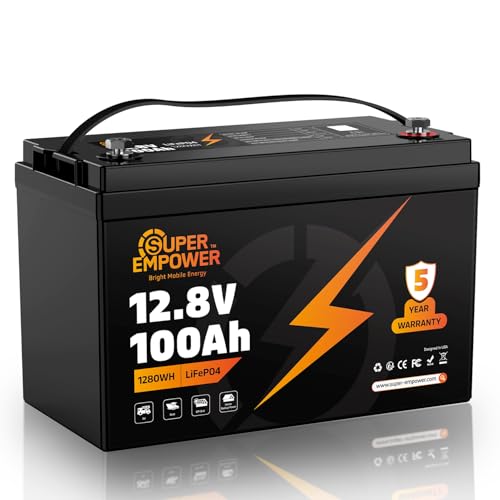
SUPER EMPOWER 12V 100Ah LiFePO4 Battery, Group 31
More Details On Our Top Picks
That 600Ah class capacity makes this dumfume unit feel built for long stretches away from shore power. In a large RV, a tiny cabin, or a home backup bank, the 200A BMS, meaning the battery management system that monitors and protects the pack, gives you a more serious buffer than the 100Ah picks below.
The trade-off is plain size and weight, so this suits rigs with real mounting space and a charging setup that can keep up. For extended boondocking or multi-device loads, it looks like the kind of battery that reduces how often you think about power at all.
Strong Points
- 600Ah capacity suits larger RV electrical loads.
- 7200Wh storage can support longer off-grid stays.
- 200A BMS gives the pack stronger current handling.
- LiFePO4 chemistry usually fits frequent deep cycling better than older lead-acid styles.
- Works across RV, solar, and home storage setups, so your system can stay flexible.
Things To Consider
- Its size asks for careful planning before installation.
- Charging gear should match the bigger capacity, or recharge time can feel slow.
- The heavier format is less friendly for quick swaps.
Feature Rundown
Who It Suits Best
RV owners with large inverter loads or full-time off-grid setups benefit most here, especially when your electrical plan already includes space and heavier cabling.
A Better Fit Elsewhere
CHINS LiFePO4 Battery 12V 100Ah with 100A BMS suits weekend campers and smaller trailers far better, since it’s easier to size into a modest power system.
This CHINS battery lands in the practical middle ground, especially for smaller RV solar systems that still need lithium convenience. The 100Ah size is easier to plan around than the giant dumfume pack, and the low-temperature protection matters for shoulder-season camping or colder storage areas.
That protection helps the battery avoid charging in conditions that are rough on lithium cells, which is the part many casual setups overlook. For trolling motors, boats, and travel trailers, the simpler sizing makes it a calmer fit than a large multi-battery bank.
What We Like
- 100Ah capacity suits compact RV or marine systems.
- Built-in 100A BMS keeps the pack organized around everyday loads.
- Low-temperature protection helps in cooler environments.
- LiFePO4 chemistry usually supports repeated cycling better than older lead-acid batteries.
- The size is easier to place in tight battery compartments.
Worth Noting
- It is not a high-capacity choice for power-hungry rigs.
- Charging expectations still depend on your controller and alternator setup.
- Owners who want app-based monitoring will need a different option.
Quick Facts
Who Will Love This
Weekend RV travelers, anglers, and anyone replacing a smaller battery bank will like the easier fit and straightforward sizing.
Where A Sibling Pick Shines
SUPER EMPOWER 12V 100Ah LiFePO4 Battery, Group 31 makes more sense for shoppers who want the same general capacity in a more clearly defined Group 31 footprint.
This dumfume model pushes the same 600Ah scale as the first pick, but the IP65 rating changes the conversation. IP65 means the enclosure is sealed against dust and low-pressure water spray, so it feels better suited to damp storage areas, outdoor compartments, and mixed-weather use around a camper or shed.
The low-temperature cutoff adds another layer of practical sense for cooler campsites or unheated storage, though the big-format trade-off still applies. You are paying attention to weather exposure and long runtime here, not chasing a tiny battery that disappears into the cabinet.
Reasons To Buy
- 600Ah capacity supports demanding off-grid setups.
- 7680Wh storage offers a deep energy reserve.
- IP65 enclosure adds welcome protection in exposed locations.
- Low-temperature cutoff suits colder storage or travel conditions.
- 200A BMS helps the battery work with stronger loads.
Small Caveats
- The large footprint still demands careful installation planning.
- Heavy-duty charging gear makes more sense here than basic trickle charging.
- Its scale may be more than casual weekend use really needs.
Core Details
Made For
RV owners storing gear outside, off-grid cabins, and home backup setups with exposure concerns will appreciate the tougher enclosure profile.
Another Choice May Suit
ECO-WORTHY 12V 314Ah LiFePO4 Battery with Bluetooth fits smaller solar operators who want app-based monitoring without stepping up to such a large battery bank.
Two batteries change the way you build a solar RV bank, and this ECO-WORTHY set leans into that flexibility. Bluetooth monitoring helps you check status without opening compartments, which matters in crowded battery bays or when the bank sits in a harder-to-reach spot.
The metal case should feel sturdier than soft-shell style options, though it also adds a more industrial look and likely more weight to manage. For a camper that may grow over time, the pair format gives you room to think in stages rather than all at once.
Highlights
- Two-battery format gives you useful layout flexibility.
- Bluetooth adds convenient status checks from nearby.
- Metal housing should suit tougher installation environments.
- Low-temperature protection helps in cooler conditions.
- 200A BMS supports stronger system loads.
Points To Note
- The pair format takes more planning than a single battery.
- Bluetooth features are helpful, but they also add another point of preference for setup.
- Metal casing can make handling less casual during installation.
At A Glance
Built With In Mind
RV owners planning an expandable bank, or campers who want monitoring without lifting panels every time, will get the most out of this set.
Reach For A Different Pick When
VEMDIA 12V 100Ah LiFePO4 Battery, Group 31 makes more sense for a single-battery replacement where compact fit matters more than future expansion.
This is the maintenance-minded item in the group, and that matters more than it first looks. A 30W panel with an MPPT controller, meaning maximum power point tracking, helps the charger adjust for more efficient solar harvesting than a basic fixed controller in many small setups.
For an RV that sits between trips, a trailer, or a boat parked in seasonal storage, it can be a calm way to keep the battery from drifting down. The bracketed mounting style also makes the physical setup feel more practical than a bare panel floating around the garage.
Best Bits
- 30W output suits maintenance charging and light upkeep.
- MPPT controller helps the panel work more intelligently than simple chargers.
- Waterproof design fits outdoor storage use better.
- Adjustable mount bracket makes placement easier.
- Useful for RVs, boats, motorcycles, and similar parked equipment.
Areas To Watch
- It is a maintainer, not a large charging solution.
- Solar exposure and angle matter a lot for real output.
- Owners need enough space for the panel and its mounting position.
Feature Snapshot
Whose Shelf It Belongs On
Shoppers keeping a stored RV, boat, or motorcycle ready between uses will get the clearest value from this kind of gentle solar upkeep.
Swap It Out When
dumfume 12V 600Ah LiFePO4 Battery with 200A BMS is the better route for anyone building a true off-grid power bank instead of maintaining one.
The Group 31 footprint is the quiet advantage here, because it often makes replacement planning much less awkward in RVs and utility compartments. Smart 100A BMS protection and low-temperature cut-off keep the profile practical for everyday travel, especially where the battery sits in a spot that sees changing weather.
It feels like the easiest bridge between basic lead-acid sizing and a more modern lithium setup. For many setups, that balance is enough, and the moderate capacity keeps installation choices simpler than the larger packs above.
Upsides
- Group 31 sizing simplifies many replacement jobs.
- 100Ah capacity fits common 12V RV needs.
- Smart 100A BMS helps manage daily use.
- Low-temperature cut-off is useful in cooler storage.
- Deep-cycle design suits repeated discharge and recharge.
Minor Gripes
- It is a modest-capacity option compared with the larger banks in this list.
- Some rigs will still need more than one battery for longer stays.
- Compact size helps, but system design still needs care.
Details At A Glance
Right Fit For
RV owners replacing a standard battery slot and hoping to keep wiring changes modest should find this an easy place to start.
Look Elsewhere When
ECO-WORTHY 12V 314Ah LiFePO4 Battery with Bluetooth suits larger off-grid setups that need more reserve and built-in status checking.
This one sits in a sweet spot for people who want real capacity without jumping all the way to the 600Ah class. Bluetooth and SOC LEDs, meaning state-of-charge indicator lights, make it much easier to understand remaining power during a campsite stay or a long road run.
That visibility helps more than it sounds, especially in a busy coach where guessing battery state is annoying and sometimes expensive. Compared with the plain VEMDIA pick, this ECO-WORTHY option gives you a more hands-on view of what the bank is doing.
Bright Spots
- 314Ah capacity gives you a strong middle-to-large reserve.
- Bluetooth monitoring helps with quick status checks.
- SOC LEDs provide an easy visual readout.
- 200A BMS suits more demanding 12V setups.
- Low-temperature protection supports colder use conditions.
Room For Improvement
- It is still a substantial battery, so placement matters.
- Monitoring features are useful, but they add another layer to learn.
- The larger format can feel excessive for light weekend usage.
Technical Sheet
Perfect Match For
RV travelers who want a larger bank and easier status checking will get the most from this model, especially in systems that see frequent use.
Not Your Match When
CHINS LiFePO4 Battery 12V 100Ah with 100A BMS is the cleaner fit for compact trailers and lighter daily loads.
The value here comes from staying close to a familiar replacement shape, not from chasing the biggest bank in the group. A BCI Group 31 fit usually makes life easier in RV trays and marine compartments, and the 100A BMS plus low-temperature protection keep the basics tidy.
Compared with the VEMDIA model, this one is aimed at the same general use case, but the way it is positioned makes it feel especially friendly to straightforward drop-in swaps. For smaller systems, that is often enough to keep the install from becoming a weekend project.
Positives
- Group 31 format helps with common replacement fit.
- 100Ah capacity suits modest RV and marine systems.
- 100A BMS supports ordinary deep-cycle use.
- Low-temperature protection helps in cooler environments.
- Deep-cycle design matches repeated charging habits.
Softer Spots
- It will not replace a larger battery bank by itself.
- Systems with heavy inverter loads may want more reserve.
- The main appeal is fit and simplicity rather than sheer scale.
Core Details
Whose Shelf It Belongs On
Budget-minded RV owners wanting a straightforward Group 31 lithium swap will probably appreciate this more than a larger, more complex setup.
Where A Sibling Pick Shines
VEMDIA 12V 100Ah LiFePO4 Battery, Group 31 gives you a similar fit but carries the appeal of a more clearly described smart-BMS package.
How To Choose The Right Battery For Solar Rv
Start With Capacity And Real Load Needs
Capacity, measured in amp-hours, tells you how much energy the battery can store before you need to recharge. A 100Ah unit fits light travel use and smaller electrical demands, while 314Ah or 600Ah makes more sense for long stretches off-grid or rigs running inverters, fridges, and fans together.
The honest mistake is shopping only by the biggest number. Your solar array, alternator charging, and battery compartment all need to match the battery’s size, or the system feels lopsided.
Look Closely At Protection And Battery Chemistry
LiFePO4, short for lithium iron phosphate, is prized in RV use because it tolerates repeated deep cycling better than older lead-acid styles. Low-temperature protection matters too, especially for shoulder-season trips or storage in chilly spaces, since charging limits shift when temperatures drop.
BMS size matters as well. A 100A BMS fits modest loads, while a 200A BMS is a better match for bigger inverters or heavier use, and that can shape how smoothly the whole bank behaves.
Think About Fit, Weight, And Installation Space
Group 31 batteries are easier to place in many RV trays because the footprint is familiar. Larger capacities often need stronger mounting, heavier cabling, and more thoughtful ventilation around the compartment.
The trick is to treat installation like part of the purchase, not an afterthought. A battery that sounds impressive on paper can be awkward in a cramped bay, and that friction shows up every time you service the rig.
Match Monitoring Features To Your Style Of Travel
Bluetooth and state-of-charge lights help you keep a closer eye on usage without opening up every panel. That’s useful for long-distance travelers, seasonal campers, and anyone who wants a quick check before heading out for the day.
Plain batteries still make sense for simple systems. Monitoring features add convenience, but they also add another layer of setup, so the right choice depends on whether you want hands-on visibility or a more hands-off bank.
What To Weigh Before You Decide
Mistakes Worth Dodging
Many shoppers focus on amp-hours and ignore fit, which leads to awkward installs in RV trays. You also want to avoid pairing a large battery with undersized charging gear, because recharge time can become frustratingly slow.
Another common slip is overlooking low-temperature protection for cold-weather travel. Lithium chemistry is practical, but it still works best when the battery’s built-in protections line up with your climate and storage habits.
The Upgrade Payoff
Higher-tier batteries usually cost more because they add capacity, better enclosure materials, smarter monitoring, or stronger current handling. Bluetooth, metal housings, and larger BMS ratings all add real manufacturing complexity.
That upgrade makes sense for full-timers, boondockers, and setups that power several devices at once. For lighter weekend use, a simpler 100Ah Group 31 battery may give you the calmer ownership experience.
Frequently Asked Questions
What size battery works best for a small RV solar setup?
A 100Ah Group 31 battery usually suits smaller rigs and lighter daily use. It keeps installation simpler and gives you enough reserve for basic house loads.
Why do some lithium batteries include low-temperature protection?
Low-temperature protection helps the battery avoid charging in conditions that are rough on lithium cells. That matters for cold campsites, unheated storage, and shoulder-season travel.
Is Bluetooth monitoring worth having?
Bluetooth is useful when you want quick status checks without opening the compartment. It feels especially handy in larger rigs or banks tucked into hard-to-reach spots.
What does a BMS do?
A BMS manages charging and discharge behavior so the battery stays within its intended limits. Larger BMS ratings usually support higher current draw from bigger RV loads.
Should you choose one large battery or two smaller ones?
One large battery keeps the setup simple, while two smaller batteries can make layout and expansion easier. The better choice depends on your compartment space and how you plan to grow the system.
Closing Thoughts
The best Battery For Solar Rv for you is the one that fits your travel style, compartment space, and charging setup without drama. Big off-grid rigs lean toward the larger dumfume and ECO-WORTHY banks, while smaller trailers usually feel better with the CHINS, VEMDIA, or SUPER EMPOWER Group 31 options. If your rig sits between trips, the SOLPERK maintainer earns its place by keeping everything steadier between outings. Start with your real electrical needs, and the right choice becomes much clearer.
