

200w solar panels make sense when you want steady charging without hauling a huge setup. You get enough output for a power station, an RV battery bank, or a compact off-grid cabin plan, while still keeping the system manageable. The right panel depends on where you use it, how much shade you deal with, and whether portability matters more than rooftop coverage.
This roundup focuses on a mix of foldable kits, rigid modules, and panels built for shaded conditions. You’ll see which options suit camping weekends, van life, marine use, and home backup, plus the trade-offs that matter once the panel is installed or packed away.
Quick Look At The Shortlist

Renogy 200W Portable Solar Panel, N-Type Foldable Charger with Kickstand

200W Portable Solar Panels ETFE Material, Foldable Solar Suitcase

Renogy ShadowFlux Solar Panels, N-Type Anti-Shading 200W Panel

Renogy ShadowFlux Solar Panel 400 Watt, 2PCS 200W Panels

N-Type 16BB 400W Bifacial Solar Panel, 2Pcs 200 Watt Panels

Renogy Solar Panels 200 Watt N-Type, 200W 16BB PV Module

STAR 200 Watt Solar Panel, 2PCS 100W Frame-Less Panels
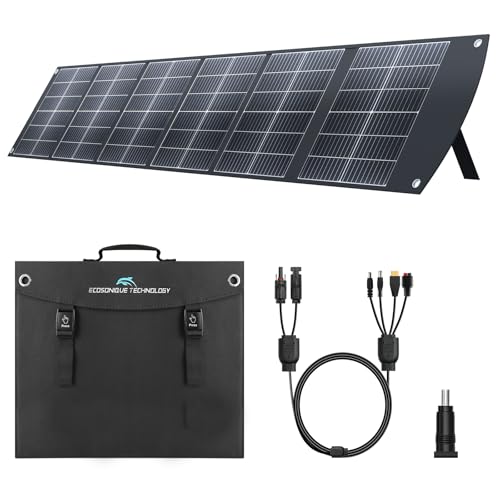
Ecosonique 200W Portable Foldable Solar Panel, Multi-Output
More Details On Our Top Picks
Renogy keeps this one focused on portability, which suits camping weekends and backup charging more than a permanent roof setup. The foldable format and kickstand make it easier to aim toward the sun, and the USB-A plus USB-C outputs are handy for small gear alongside a power station.
The trade-off is plain enough: a portable panel like this asks you to set it up, move it, and store it after use. That’s fine for an RV tailgate, a blackout kit, or a weekend cabin, but it’s less convenient than a fixed panel once you want a set-and-forget layout.
Strong Points
- Foldable design makes packing and storage simpler for travel days.
- Kickstand support helps you angle the panel without much fuss.
- USB-A and USB-C outputs add flexibility for smaller devices.
- IP65 protection gives the housing a tougher feel for outdoor use.
Things To Consider
- Portable panels need setup and repositioning, which adds a little routine work.
- USB outputs help convenience, but they do not replace a full power-station chain.
- The foldable format suits mobile use better than a fixed rooftop array.
Feature Snapshot
Who It Suits Best
You benefit most from this panel if you camp, travel by RV, or need a compact backup charging option for outages.
Where A Sibling Pick Shines
Renogy ShadowFlux Solar Panels, N-Type Anti-Shading 200W Panel suits you better when roof shading is a regular issue and portability matters less.
This Mesuvida suitcase-style panel leans hard into connection options, so it fits better around power stations and generator-style setups. ETFE, a durable fluoropolymer surface layer, is there to help the panel shrug off daily wear more gracefully than a basic glossy finish.
The mix of MC4, XT60, and Anderson DC connections gives you more room to match different gear, which matters in a mixed camp or van setup. The caution is simple, though, the extra flexibility also means you’ll want to pay attention to cable routing and connector compatibility before you head out.
Upsides
- ETFE surface material tends to hold up well in rough outdoor use.
- MC4, XT60, and Anderson DC plugs widen compatibility with common gear.
- Adjustable kickstands help you change the panel angle through the day.
- Foldable suitcase styling makes transport easier than a rigid roof panel.
- IP68 rating points to stronger dust and water protection than simpler portable options.
Minor Gripes
- Connector variety is useful, but it takes more attention during setup.
- Suitcase-style panels still need space to open and position properly.
- The added hardware can feel a little more involved than a plain fold-out panel.
Core Details
Who Will Love This
You suit this pick best when you want one portable panel that can match several power inputs without a tangle of adapters.
A Better Fit Elsewhere
Renogy 200W Portable Solar Panel, N-Type Foldable Charger with Kickstand works better for you when simpler controls and USB outputs matter more than connector variety.
Shade tolerance is the whole story here, and that makes this panel especially relevant for rooftops with vents, nearby trees, or uneven sun exposure. ShadowFlux is Renogy’s anti-shading design, which aims to keep output steadier across the panel than a basic layout with fewer safeguards against partial shadow.
For a van, a cabin roof, or a mixed-light RV setup, that kind of behavior can matter more than a flashy frame. The honest read is that this suits practical installs, not casual carry-around use, so you get more from it once it’s mounted and left in place.
Highlights
- Anti-shading design is useful where trees or roof hardware interrupt sunlight.
- Works with 12V and 24V systems for broad setup flexibility.
- High-efficiency module design helps make better use of limited roof space.
- Fixed-panel format fits vehicle roofs and cabins well.
Areas To Watch
- Fixed mounting gives you less flexibility than a foldable portable panel.
- Its value shows most clearly in partly shaded installations.
- Mounting hardware and layout planning matter more here than with a suitcase-style option.
Details At A Glance
Built With In Mind
You fit this panel best if your roof, camper, or cabin sees partial shade for part of the day and you want more stable charging behavior.
Another Choice May Suit
Ecosonique 200W Portable Foldable Solar Panel, Multi-Output fits you better for travel days and temporary setups where you need to pack the panel away often.
This Renogy pair is aimed at more ambitious rooftops, especially when you want two 200W modules working as a 400W setup. Compared with the single-panel ShadowFlux option, you get a broader footprint, so it suits vehicles, boats, or home roofs where mounting space is already part of the plan.
Partial shade optimization is the big draw here, and that matters on roofs with vents, racks, nearby buildings, or seasonal tree cover. You may find the installation planning more demanding than with a portable panel, but the payoff is cleaner coverage once it’s mounted.
Bright Spots
- Two-panel setup gives you more total surface area than a single 200W module.
- Shade-oriented design helps in mixed-light roof environments.
- Fits RV, marine, and home rooftop use well.
- N-Type construction suits users who want a more advanced fixed-array option.
Softer Spots
- Two panels mean more mounting planning and more roof space use.
- Not as easy to move or store as a foldable portable panel.
Feature Rundown
Whose Shelf It Belongs On
You suit this setup best if you want a larger fixed array and have the roof area to match it.
Reach For A Different Pick When
STAR 200 Watt Solar Panel, 2PCS 100W Frame-Less Panels fits you better when a simpler, lower-maintenance fixed setup matters more than a larger dual-panel array.
Bifacial means the panel can capture light from both sides, so this Callsun set is built for installations that can benefit from reflected light and a more advanced mounting style. That makes it more appealing for rooftops, raised frames, and open areas than for a carry-everywhere camping setup.
The dual-module parallel anti-shade layout is the other important detail, because it can help reduce the drag that one shaded section causes on the rest of the array. The flip side is that you get the most value only when you have room, planning, and a mounting angle that suits a larger fixed system.
Reasons To Buy
- Bifacial design can take advantage of reflected light in the right setup.
- 16BB layout points to a more advanced cell structure.
- Dual-module parallel design helps limit the impact of partial shade.
- Works with 12V and 24V systems for flexible system matching.
Worth Noting
- Its real value depends on how and where you mount it.
- Best suited to larger fixed installations, not frequent moving around.
- Bifacial performance matters more in open layouts with reflective surfaces.
Technical Sheet
The Right Fit
You fit this panel best when your roof, dock, or off-grid site can support a more advanced fixed solar layout.
Swap It Out When
Renogy 200W Portable Solar Panel, N-Type Foldable Charger with Kickstand suits you better when portability and simple storage matter more than a bifacial roof setup.
This fixed Renogy panel keeps the approach straightforward, which is useful for vans, cabin roofs, and home-based charging setups. Compared with the portable Renogy option, it gives you a cleaner permanent installation path, so you spend less time packing gear and more time letting the array work.
The 16BB cell structure matters because more busbars can help current move with less bottlenecking across the panel surface. The practical trade-off is that, like most rigid modules, it wants proper mounting space and a plan for wiring before you commit.
What We Like
- Rigid panel format suits permanent installations well.
- 16BB cell layout supports a more refined electrical design.
- Works across 12V and 24V system types.
- Fits a wide spread of uses, from RV roofs to cabins.
Points To Note
- Rigid panels take more planning than foldable travel panels.
- Best value shows up once the panel is mounted in place.
- Home and RV setups need enough roof or rack area.
Quick Facts
Made For
You fit this panel best if you want a dependable rigid module for a van, marine rig, cabin, or roof rack.
Look Elsewhere When
200W Portable Solar Panels ETFE Material, Foldable Solar Suitcase suits you better when connector variety and pack-away convenience matter more than a fixed install.
Frame-less panels appeal to you when cleaning and edge buildup matter, especially on marine roofs or exposed home installs. STAR splits the system into two 100W pieces, so you still get a 200W total while keeping the layout more modular than a single large module.
That modularity can make placement easier, though it also means you’re planning two panels rather than one. For many rooftop projects, that trade feels fair, but the setup is more intentional than a basic one-piece panel.
Best Bits
- Frame-less design reduces the places where dirt can collect.
- Two-panel layout gives you flexible placement options.
- Works with 12V and 24V systems.
- Maintenance-friendly shape suits exposed installations.
Small Caveats
- Two panels mean more layout decisions than a single rigid module.
- Frame-less styling is practical, but installation still needs care.
At A Glance
Best Suited To
You fit this set best if you want a cleaner-looking fixed install and you prefer easier edge upkeep.
Skip It When
Renogy 200W Portable Solar Panel, N-Type Foldable Charger with Kickstand suits you better when you need a panel you can pack away after each use.
Ecosonique is built for versatility first, with MC4 output plus several charging paths for power stations and small gear. That makes it especially handy for camping, road travel, and any setup where your equipment changes from trip to trip.
The lightweight foldable form helps on the move, but the real appeal is how many connection types it brings together in one panel. The trade-off is the usual one for a multi-output portable unit, you get convenience, while still needing to manage setup and storage each time.
Positives
- Multiple output options make pairing with gear more flexible.
- Foldable structure works well for travel and campsite storage.
- Water-resistant build suits outdoor trips better than bare-bones portable panels.
- MC4 output is useful for power-station style charging setups.
- USB-C PD 3.0 and USB-A QC 3.0 add convenience for smaller devices.
Room For Improvement
- Like most portable panels, it still needs setup before use.
- Multi-output convenience can mean more cable management.
- Travel-friendly design works best when you have space to unfold it fully.
Feature Card
Who Should Grab It
You fit this panel best if your trips call for one portable charger that can handle several device types.
Where Another Pick Suits Better
Renogy Solar Panels 200 Watt N-Type, 200W 16BB PV Module suits you better if your setup is permanent and you want a rigid roof-mounted panel instead.
How To Choose The Right 200w Solar Panels
Portable Versus Fixed Panels
Portable panels work well for campers, RV travel, and backup charging because you can angle them, move them, and store them after use. Fixed panels suit roof racks, cabins, and marine installs because they stay in place and do not need repeated setup.
The difference sounds obvious, yet it shapes the whole ownership experience. A foldable kit asks for a little more handling, while a rigid module rewards you with a cleaner daily routine.
Shade Tolerance Matters More Than Most People Expect
Tree cover, roof vents, railings, and nearby buildings can cut into output in ways that surprise new installers. Anti-shading layouts, like the ShadowFlux options here, make more sense for those mixed-light conditions than for open desert-style installs.
That extra protection usually comes with a more focused use case, so you want it only when shade is part of the real environment. In a wide-open lot, a simpler panel can make more sense.
Connector Choices Shape Compatibility
MC4 connectors are common in solar setups, while XT60, Anderson DC, USB-A, and USB-C add convenience for portable gear and power stations. More connector options help you match different equipment without hunting for adapter stacks.
The trade-off is setup complexity. More connection paths can mean more cables to sort out, so a simpler panel often suits the person who wants one clean line from panel to power station.
Materials And Mounting Decide Durability
ETFE surfaces, frame-less panels, and kickstands each solve a different problem. ETFE helps the surface handle rough outdoor use, frame-less designs can make cleaning easier, and kickstands improve angle control on portable panels.
Mounting style matters just as much. A portable suitcase works for travel, but a roof module usually lasts as a better fit for daily routines because it stays put and avoids repeated handling.
Things Worth Knowing First
Common Shopping Slip Ups
Many people focus only on wattage and ignore whether the panel is meant for travel or permanent mounting. That usually leads to awkward setup choices later, especially on rooftops or in small storage spaces.
Another common miss is connector mismatch. A panel can look right on paper and still need extra cabling before it works smoothly with your power station or battery setup.
The Upgrade Payoff
Higher-tier models usually cost more because they use better cell layouts, stronger surface materials, or more advanced shade handling. Those touches matter most in rough weather, partial shade, or frequent use.
Paying up makes sense when the panel will live outdoors, sit on a roof, or feed a system that runs often. For occasional camping, a simpler panel may be enough.
Frequently Asked Questions
Are 200w solar panels enough for an RV?
They can cover light charging, small appliances, and battery support in many RV setups. Your actual result depends on battery size, sun hours, and how much power you use each day.
Do portable 200w panels work with power stations?
Yes, many are built with the right outputs for that kind of setup. You still need to check connector match and voltage range before you commit.
What is ETFE on a solar panel?
ETFE is a tough fluoropolymer top layer used on some portable solar panels. It helps the surface handle outdoor wear better than simpler finishes.
Why does shade matter so much?
Shade can reduce how much sunlight reaches part of the panel, which cuts output. Anti-shading designs help soften that effect in mixed-light locations.
Should you choose foldable or rigid panels?
Choose foldable panels for travel, storage, and temporary setups. Choose rigid panels for roofs, cabins, and installations that stay in place.
Closing Remarks
The right 200w solar panel depends less on raw wattage and more on how you plan to live with it. Portable kits suit travel and backup use, while rigid modules make more sense for rooftops and longer-term systems. Shade, connector mix, and storage space matter just as much as the headline number. Once you match the panel to your routine, the rest gets a lot easier, and that is usually where a good solar setup starts to feel natural.
