

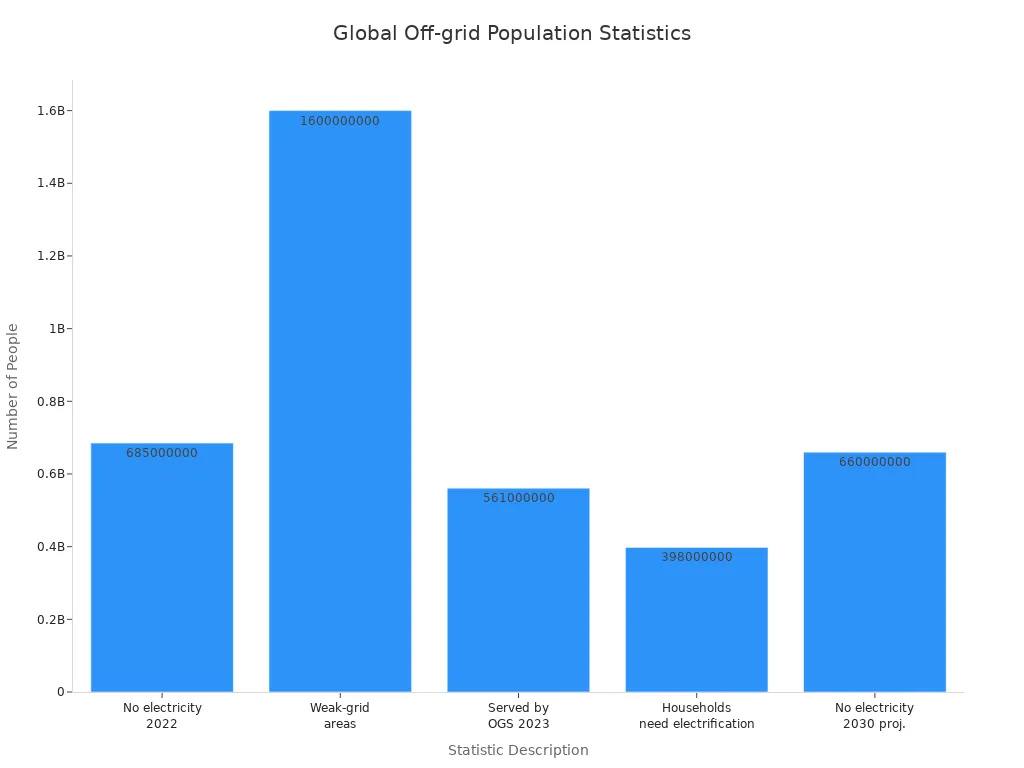
The rise of off-grid living is reshaping how you think about energy. With around 685 million people lacking access to electricity and 1.6 billion living in weak-grid areas, the need for innovative solutions has never been greater. Solar stations play a crucial role in this transformation, providing renewable energy to communities that traditional power grids overlook. These solar solutions offer freedom from reliance on unstable energy sources, empowering individuals and families to thrive in their environments.
Statistic Description | Number of People |
|---|---|
People lacking access to electricity (2022) | 685 million |
People living in weak-grid areas without reliable access | 1.6 billion |
People served by the OGS sector (2023) | 561 million |
Households needing electrification by 2030 (41%) | 398 million |
Projected people lacking access to electricity by 2030 | 660 million |
Solar Station Types
Standalone Systems
Standalone solar systems operate independently from the utility grid. They are perfect for remote areas where traditional electricity sources are unavailable. These systems typically include solar panels, a battery bank, and an inverter. The battery bank stores energy generated by the solar panels, allowing you to use electricity even when the sun isn’t shining.
Some common applications for standalone systems include:
Military Use: Solar-powered tents and chargers support operations in remote locations.
Disaster Relief: They provide essential power for refrigeration and communication during emergencies.
Rural Electrification: Standalone systems enable consistent power supply for homes in isolated areas.
Hybrid Systems
Hybrid solar systems combine features of both standalone and grid-tied systems. They offer flexibility and reliability, making them suitable for various off-grid applications. These systems integrate solar panels, batteries, and connections to utility grids. This setup allows you to store excess energy and use it during outages or periods of low sunlight.
Hybrid systems provide several advantages:
Backup Power During Outages: They ensure you have power when the grid fails.
Optimized Energy Use: You can store excess energy for later use, especially during high electricity prices.
Future-Ready and Expandable: These systems can grow with your energy needs.
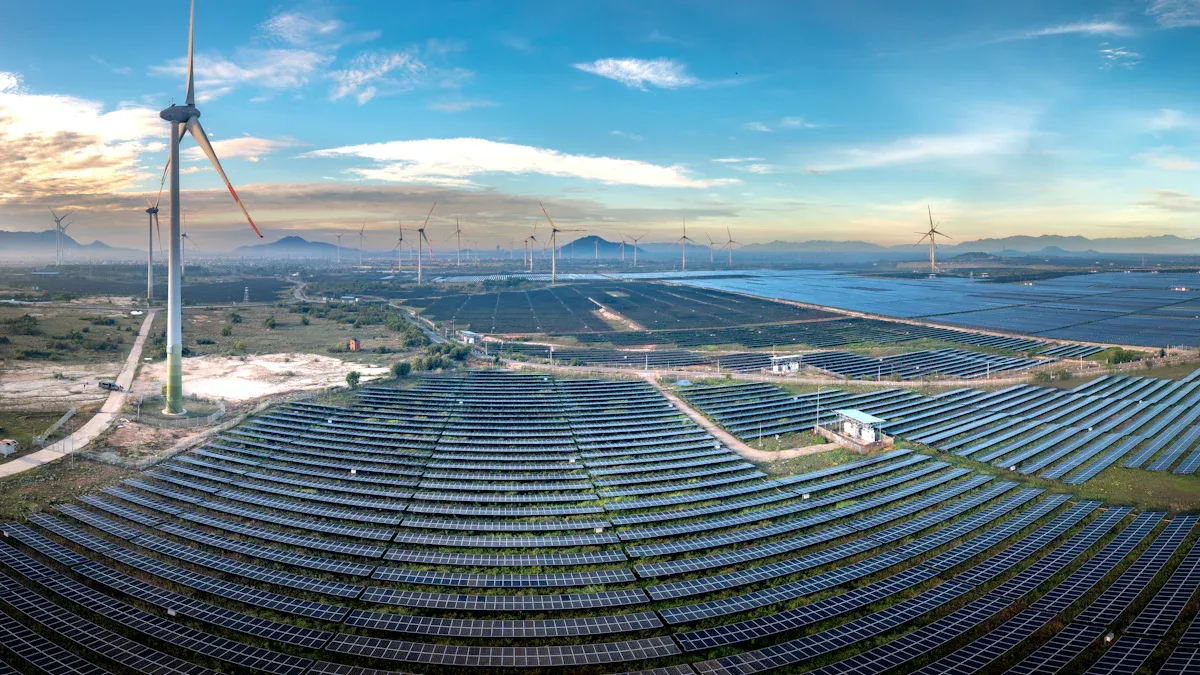
In addition, hybrid systems can integrate other renewable sources, like wind turbines, enhancing your energy generation options. This versatility makes them an excellent choice for off-grid solar systems.
Key Components of Off-Grid Solar Power Systems
Solar Panels
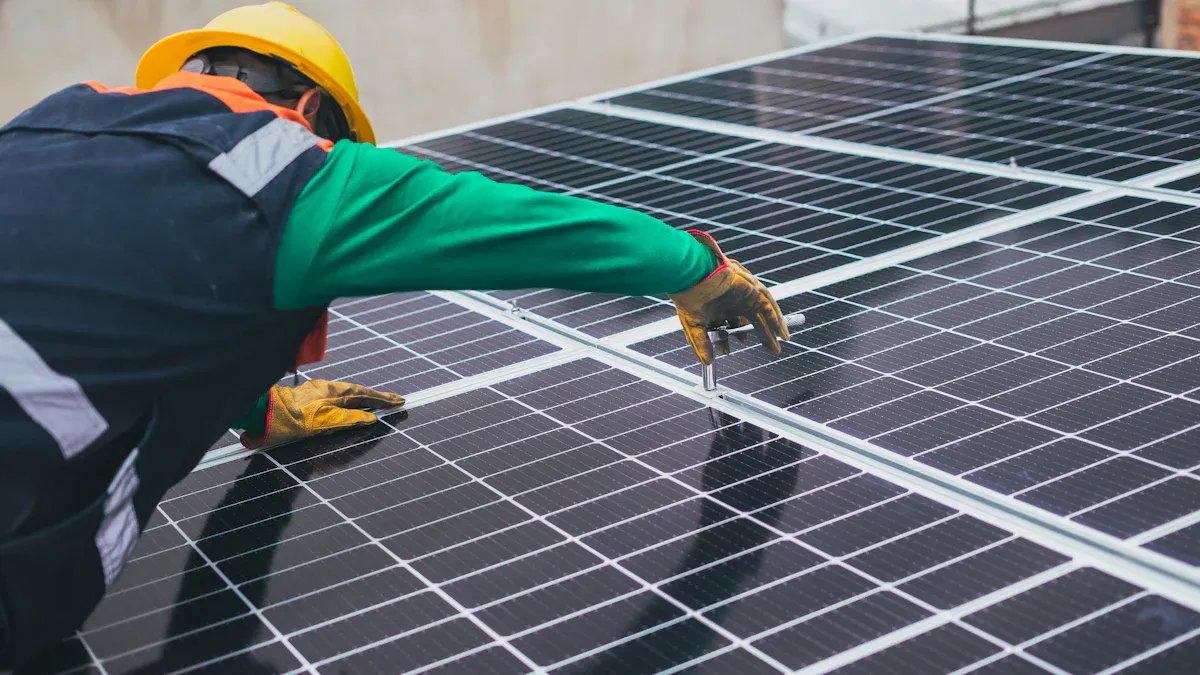
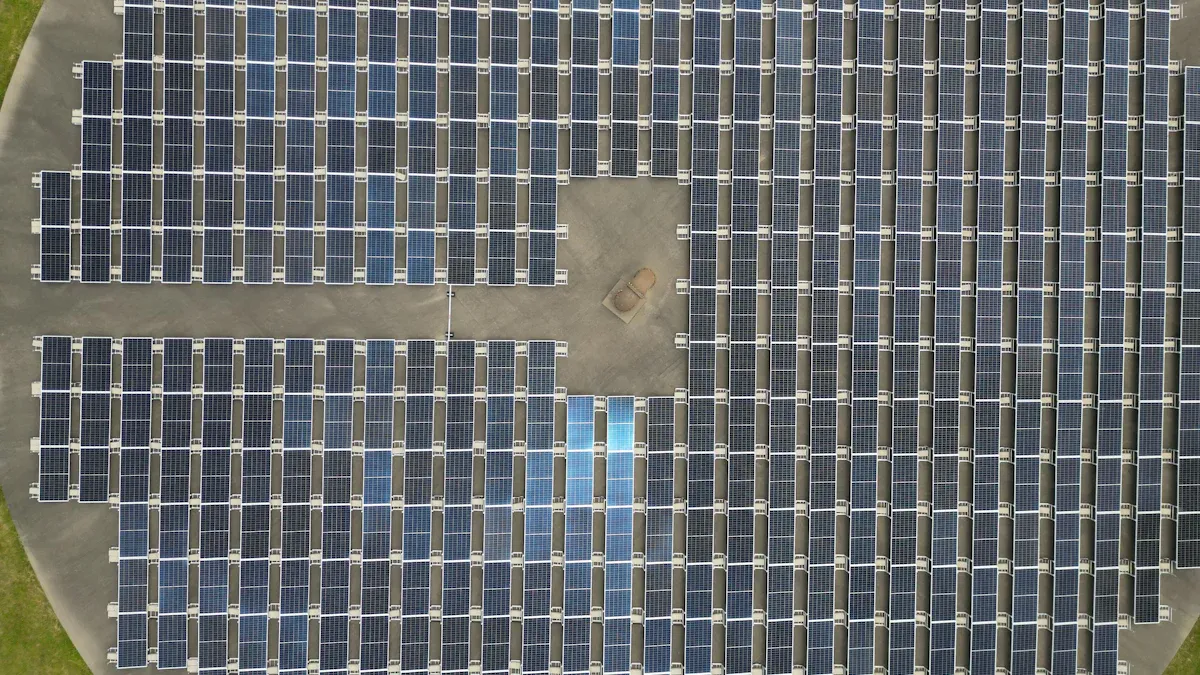
Solar panels are the heart of any off-grid solar power system. They convert sunlight into electricity, making them essential for generating power in remote areas. You can rely on solar panels to provide a consistent energy source, reducing your dependence on traditional grid infrastructure. Here are some key benefits of solar panels:
They harness renewable energy, which helps decrease carbon emissions.
They offer a reliable power source, even in challenging environments.
They can be installed in various locations, maximizing energy capture.
Inverters and Charge Controllers
Inverters and charge controllers play crucial roles in managing the energy produced by your off-grid solar system. The inverter converts the direct current (DC) electricity generated by solar panels into alternating current (AC) electricity, which is what most household appliances use.
Charge controllers are equally important. They regulate the flow of electricity to and from the battery bank, preventing overcharging and ensuring optimal battery health. Here’s how these components enhance your off-grid solar power system:
Efficiency: Modern inverters can achieve performance ratings nearing 90%, maximizing energy use.
Smart Technology: Many inverters now feature remote monitoring capabilities, allowing you to track system performance via smartphone apps.
Battery Management: Charge controllers help maintain battery life by managing energy storage effectively.
Battery storage is vital for energy management in off-grid solar systems. It ensures a reliable power supply, especially during cloudy days or at night. By storing energy when production is high, you can use it during peak demand times, enhancing your energy independence.
Impact of Off-Grid Solar Solutions on Communities
Case Study: Rural Electrification
Off-grid solar solutions have significantly transformed rural communities by providing reliable electricity where traditional power grids are absent. For instance, in Kenya, M-KOPA Solar has connected over 600,000 homes. Families save an average of $750 over four years, allowing them to invest in education and health. In Bangladesh, the IDCOL program has installed over 4 million solar home systems, benefiting about 20 million people. This initiative has also created over 114,000 jobs, showcasing how solar stations can drive economic growth.
The introduction of pay-as-you-go systems has made solar energy affordable for low-income customers. This approach facilitates access to electricity, empowering families to improve their quality of life. In India, solar microgrids in the Sundarbans region have led to a 100% increase in business activities and a 30% increase in students’ study time. These improvements illustrate how off-grid solar solutions enhance energy autonomy and independence for rural communities.
Case Study: Disaster Relief
Off-grid solar solutions also play a crucial role in disaster relief scenarios. After natural disasters, communities often face power outages that hinder recovery efforts. Solar stations provide a reliable source of energy, ensuring that essential services remain operational. For example, during the aftermath of hurricanes in Puerto Rico, communities maintained power through Category 5 storms. Similarly, remote villages in Sub-Saharan Africa achieved 99.8% energy availability despite drought-induced grid instability.
The benefits of off-grid solar electricity extend beyond immediate energy needs. Communities with diversified PV systems reduced outages by 87% compared to those reliant on traditional grids. This resilience not only saves energy costs—cutting expenses by 60-75%—but also improves health outcomes. Solar-powered refrigeration systems preserve critical medications, significantly reducing mortality rates from preventable diseases. Furthermore, solar solutions enhance food security by extending storage capabilities, minimizing spoilage, and improving nutritional security for families.
Benefits and Challenges of Off-Grid Solar Projects
Advantages of Solar Stations
Off-grid solar projects offer numerous benefits that can significantly improve your quality of life. Here are some key advantages:
Energy Independence: With an off-grid solar system, you can generate your own electricity. This self-sufficiency reduces your reliance on external power sources, giving you control over your energy needs.
Cost Savings: By eliminating electric bills, you can save money in the long run. Although the initial investment may seem high, the reduction in fossil fuel reliance leads to long-term financial benefits.
Environmental Impact: Solar power is a cleaner alternative to fossil fuels. Utilizing solar energy helps reduce greenhouse gas emissions and other pollutants, contributing to a healthier planet. This shift promotes sustainability and combats climate change.
The optimization of off-grid solar power systems, including battery storage and efficient design, is crucial for ensuring a reliable energy supply. These systems provide affordable and reliable electricity, especially in remote areas where traditional grid access is unavailable.
Common Implementation Challenges
While off-grid solar projects present many advantages, they also come with challenges. Understanding these hurdles can help you navigate the implementation process more effectively. Here are some common challenges:
Intermittency of Solar Power: Solar energy generation depends on sunlight. This variability can lead to periods of low energy production, especially during cloudy days or at night.
Maintenance Requirements: Off-grid solar systems require regular maintenance to ensure optimal performance. This includes cleaning solar panels and checking battery health.
Need for Proper System Design: Designing an effective off-grid solar power system requires careful planning. You must consider your energy needs, location, and available resources.
Additionally, technical limitations can hinder the deployment of off-grid solar stations. Regulatory challenges, integration issues, and financial barriers can slow down project timelines. For example, navigating complex regulations can complicate the installation process.
Technical Limitation | Description |
|---|---|
Regulatory Challenges | Navigating complex regulations and policies that vary by region can hinder solar deployment. |
Technical Integration Issues | Variability in solar output can strain grid stability, requiring costly upgrades to existing infrastructure. |
Interconnection Delays | Bureaucratic processes for obtaining utility approvals can significantly slow down project timelines. |
Grid Capacity Constraints | Limited infrastructure can prevent the integration of additional solar capacity, stifling growth. |
Financial Barriers | High upfront costs and uncertain returns deter investment in solar systems, impacting adoption rates. |
By addressing these challenges, you can enhance the success of your off-grid solar projects and contribute to a more sustainable future.
Solar stations hold transformative potential for off-grid energy solutions. They provide reliable electricity to remote areas, supporting essential services like lighting and refrigeration. Continued innovation in solar technology enhances accessibility. For instance, advancements like perovskite solar cells and thin-film technology make solar solutions more efficient and affordable.
The off-grid solar station market is projected to grow significantly, reaching USD 4.84 billion by 2030. This growth reflects the increasing demand for sustainable energy sources. Investing in solar technology not only empowers communities but also promotes environmental sustainability.
Embrace the future of energy with solar stations. Together, we can enhance energy accessibility for all.
