

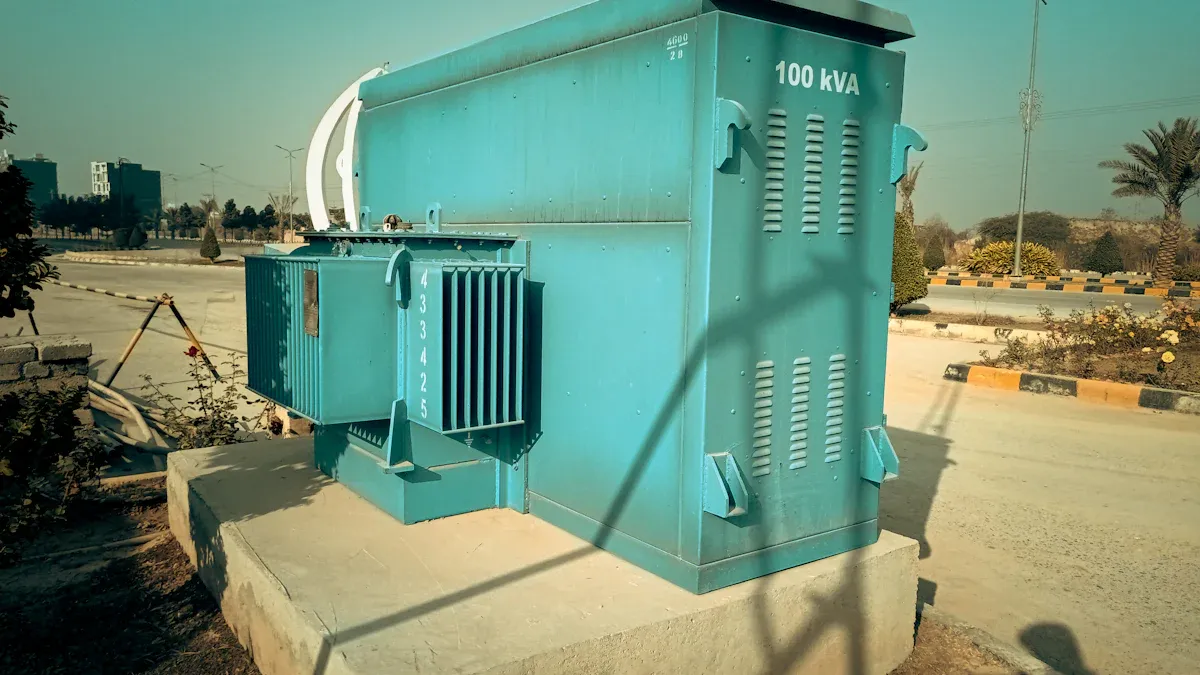
The world increasingly embraces alternative energy sources, which makes choosing the right generator crucial. Data shows that renewable energy sources contribute significantly to electricity generation, with solar energy being one of the fastest-growing options. For instance, solar accounts for 5.1% of U.S. electricity generation and is part of a total renewable share of 22.7%. With rising interest in sustainability, you may wonder about the efficiency, cost, environmental impact, maintenance, and usability of solar generators compared to gas generators.
Key Takeaways
Solar generators convert sunlight into electricity, achieving efficiencies of up to 25%, making them a sustainable choice.
Gas generators provide high power output and can run continuously, but they produce emissions and require regular maintenance.
Investing in solar generators can lead to long-term savings due to low maintenance costs and potential government incentives.
Consider your specific needs: solar generators are great for outdoor activities and emergencies, while gas generators excel in heavy-duty applications.
Both generator types have unique strengths; choose based on your priorities for sustainability, cost, and power reliability.
Efficiency
Solar Generator Efficiency
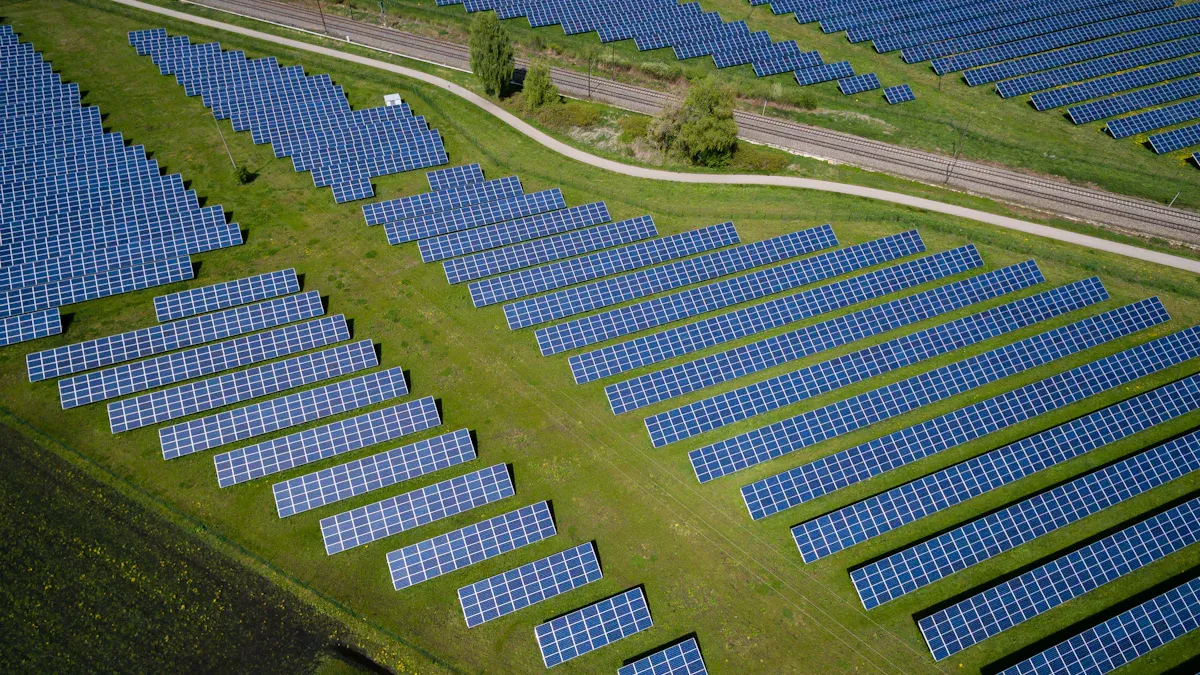
Solar generators convert sunlight into electricity through photovoltaic cells. These cells capture sunlight and transform it into usable energy. The efficiency of solar generators has improved significantly over the years. In the mid-1980s, the efficiency was less than 10%. By 2015, it reached around 15%, and today, modern solar panels can achieve efficiencies of approximately 25%.
Here are some key points about solar generator efficiency:
The average energy conversion efficiency for solar generators typically ranges between 13% and 23% under standard test conditions.
Advanced solar cells can achieve efficiencies up to 42% in laboratory settings.
Solar power generation can be influenced by weather and seasonal changes, which may affect its stability.
Geographic location plays a significant role in solar power efficiency, with sunnier areas yielding better results.
Gas Generator Efficiency
Gas generators, particularly those using natural gas, have their own efficiency metrics. They convert fuel into electricity through combustion. The efficiency of these generators can vary based on the technology used. For instance, combined cycle gas turbines can achieve an impressive efficiency of up to 64%.
Consider these points regarding gas generator efficiency:
Gas generators typically have a fuel-to-electricity conversion efficiency that varies based on the model and operating conditions.
They can provide surge power capabilities, which means they can deliver a higher output for short periods, making them suitable for starting heavy appliances.
Cost
Solar Generators Cost
When considering solar generators, you should first look at the initial purchase costs. The price varies based on the power capacity of the generator. Here’s a breakdown of the average costs:
Power Capacity | Price Range |
|---|---|
Small generators | $500 |
Larger models | $1,500 – $5,000 |
High-powered generators | $10,000 – $50,000 |
Investing in solar generators can seem high at first, but remember that they often come with government incentives. These incentives can significantly reduce your overall costs. Many states offer grants, tax credits, and rebates for solar energy systems, making them more affordable.
Gas Generators Cost
Gas generators also vary in price, depending on their wattage ratings. Here’s a typical cost breakdown:
Wattage Rating | Price Range |
|---|---|
Smaller generators (7-10 kW) | $2,000 – $4,000 |
Medium-sized units (14-20 kW) | $4,000 – $5,800 |
Larger residential generators (20-24 kW) | $5,600 – $13,500 |
Commercial-grade units (22-48 kW and beyond) | $12,300 – $25,000+ |
While gas generators may have lower initial costs, you must consider ongoing fuel expenses. Fuel prices can fluctuate, impacting your long-term budget.
Long-term Savings
When you think about long-term savings, solar generators often shine. They require almost no maintenance compared to gas generators, which need regular upkeep. This difference can lead to significant savings over time. Here are some key points to consider:
Solar generators have a lifespan of several decades, allowing you to enjoy energy bill savings and increased property value.
Unlike gas generators, which require costly mechanical maintenance, solar generators mainly need you to keep the panels clean and check connections annually.
As energy costs rise, the financial benefits of solar generators become more pronounced.
On the other hand, gas generators can offer some savings if you choose dual fuel options. These generators allow you to switch fuels, which can lead to lower fuel costs over time. Here are some factors to keep in mind:
Initial costs of dual fuel generators may be higher, but long-term fuel savings can offset this investment.
Utilizing propane can lead to significant reductions in fuel costs over time.
Investing in dual fuel technology can balance upfront costs with ongoing operational savings.
Environmental Impact

Emissions from Gas Generators
Gas generators produce emissions that contribute to air pollution. While they burn natural gas, which is cleaner than other fossil fuels, they still release greenhouse gases. For example, natural gas generates about 117 pounds of CO2 for every million British thermal units burned. This amount is significantly lower than coal and distillate fuel oil, which produce around 200 and over 160 pounds of CO2, respectively.
Here’s a quick comparison of emissions from different fuel types:
Fuel Type | CO2 Emissions (lbs/MMBtu) | NOx Emissions Reduction | PM Emissions Reduction |
|---|---|---|---|
Natural Gas | 117 | 95% | 59% |
Diesel | 200 | N/A | N/A |
Distillate Fuel Oil | 160 | N/A | N/A |
Gas generators emit 95% less NOx compared to diesel generators. They also produce 98% less NMHC emissions and 59% less CO emissions than diesel generators. Despite these reductions, they still contribute to environmental concerns.
Sustainability of Solar Generators
Solar generators offer a more sustainable option. They harness solar energy, which does not produce emissions during operation. However, the manufacturing and disposal of solar panels raise some environmental issues. The production process can involve hazardous materials, which require careful recycling or disposal.
By 2030, the U.S. is projected to generate up to one million tons of solar panel waste. This statistic highlights the importance of managing the lifecycle of solar technology. Although solar energy has a lower carbon footprint compared to natural gas, the environmental impact of manufacturing batteries and disposing of solar panels cannot be ignored.
Maintenance
Solar Generators Maintenance
Maintaining solar generators is relatively straightforward. You can keep them in good working condition with minimal effort. Here are the typical maintenance tasks you should perform:
Maintenance Task | Frequency |
|---|---|
Visual Inspection | Monthly |
Battery Inspection | Monthly |
Oil Level Check | Monthly |
Air Filter Inspection | Quarterly |
Coolant Level Check | Quarterly |
Run the Generator | Quarterly |
Oil and Filter Change | Bi-Annual |
Spark Plug Inspection | Bi-Annual |
Fuel System Check | Bi-Annual |
Full System Inspection | Annual |
Load Testing | Annual |
Software Updates | Annual |
You will find that the annual maintenance cost for solar generators is typically $0, requiring only about 20 minutes per year of your time. This low maintenance requirement makes solar generators an attractive option for many users.
Gas Generators Maintenance
Gas generators require more attention and care. Regular maintenance ensures they operate efficiently and safely. Here are common maintenance tasks for gas generators:
Maintenance Task | Frequency |
|---|---|
Fluid Replacement | Based on hours of use |
Battery Inspection | Monthly |
Oil Filter Replacement | Every oil change |
Fuel Filter Replacement | Every 200-250 hours |
Air Filter Inspection | Monthly |
Exhaust System Inspection | Annually or as needed |
Belts and Hoses Inspection | Quarterly or as needed |
Control Panel Check | Monthly |
Load Bank Test | Annually or every 500 hours |
Gas generators can cost several hundred dollars annually for maintenance. You may spend several hours each year on upkeep. This difference in maintenance needs highlights the convenience of solar generators.
Usability
Solar Generators Usability
Solar generators offer excellent portability and ease of use. You can set them up quickly, making them ideal for various situations. Here are some key points about their usability:
Understanding Power Consumption: Knowing how much power your devices consume helps you optimize the use of a solar generator.
Power Passthrough Capabilities: Basic systems allow you to charge while using devices, but this may slow down charging. Advanced systems require more technical knowledge but offer better efficiency.
Silent Operation: Solar generators operate quietly, making them perfect for camping or outdoor events.
You can use solar generators in many scenarios, including:
Camping and Hiking: They can charge devices and power appliances, enhancing your outdoor experience.
Remote Locations: They provide essential power without needing grid connections.
Blackouts: They serve as a reliable backup power source during outages.
Outdoor Events: They offer clean power for lighting and sound systems.
Construction Sites: They supply portable power for tools and machinery.
Gas Generators Usability
Gas generators have their strengths, especially in situations requiring high power output. Here are some usability aspects to consider:
Setup and Operation: Gas generators can take longer to set up compared to solar generators. You need to ensure proper fuel levels and check for any mechanical issues.
Noise Levels: Gas generators produce noise during operation. The noise level typically ranges from 60 to 80 decibels, similar to a garbage disposal or lawnmower running constantly. In contrast, solar generators operate silently.
Generator Type | Noise Level (Decibels) | Description |
|---|---|---|
Gas Generators | 60-80 | Similar to a garbage disposal or lawnmower running constantly |
Solar Generators | 0 | No audible noise during operation |
Gas generators excel in scenarios where you need consistent power for extended periods. They can run continuously as long as you supply fuel. This makes them suitable for:
Prolonged Outages: They can keep your home heated during winter outages.
High-Demand Devices: They can power multiple devices simultaneously, making them ideal for construction sites or large events.
Best Use Cases
Choosing between solar and gas generators depends on your specific needs. Here are some best use cases for each type:
Solar Generators:
Ideal for outdoor activities like camping.
Great for emergency backup power in homes.
Perfect for environmentally conscious users seeking a clean energy source.
Gas Generators:
Best for heavy-duty applications requiring high power output.
Suitable for long-term use during extended outages.
Effective for powering tools and equipment on job sites.
In summary, both solar generators and gas generators have unique strengths and weaknesses. Here’s a quick comparison to help you decide which option suits your needs:
Factors | Solar Generator | Gas Generator |
|---|---|---|
Fuel source | Relies on sunlight to generate electricity | Relies on natural gas or propane gas |
Cost | Expensive to set up, but no running costs | Cheaper to acquire, but ongoing fuel costs |
Environmental impact | No emissions, environmentally friendly | Emits pollutants, harmful to the environment |
Noise | Operates silently | Can be very noisy |
Reliability | Affected by weather conditions | More reliable, not weather-dependent |
If you prioritize sustainability and low maintenance, solar generators may be the better choice. However, if you need consistent power without worrying about sunlight, gas generators could be more suitable for your situation.
FAQ
What is the lifespan of a solar generator?
Solar generators typically last 25 to 30 years with proper maintenance. Their longevity depends on factors like usage, weather conditions, and quality of components.
Can I use a solar generator during cloudy days?
Yes, you can use a solar generator on cloudy days. However, its efficiency may decrease due to reduced sunlight. You can still generate some power.
How often should I maintain my gas generator?
You should perform maintenance on your gas generator every 100-200 hours of use. Regular checks on oil, filters, and fuel systems ensure optimal performance.
Are solar generators worth the investment?
Yes, solar generators can be worth the investment. They offer long-term savings on energy bills and require minimal maintenance compared to gas generators.
Can I connect multiple solar panels to one generator?
Yes, you can connect multiple solar panels to a single solar generator. This setup increases your power output, allowing you to charge devices faster.
