


Off-grid solar power systems offer you energy independence and reliability. You can harness the sun’s energy to power your home without relying on the grid. Essential components for your setup include:
Solar panels
Batteries
Charge controllers
Inverters
Understanding costs and maintenance is crucial. Typical annual maintenance costs average around $137.2, ensuring your system runs smoothly.
Key Takeaways
Calculate your power load before purchasing components. Use tools like the Off Grid Solar Load Calculator to determine your energy needs.
Choose high-quality solar panels for efficiency and durability. Consider options like Rich Solar panels for various applications.
Understand the costs of off-grid solar systems. While initial investments are high, long-term savings from eliminating utility bills can be significant.
Off-Grid Solar Components
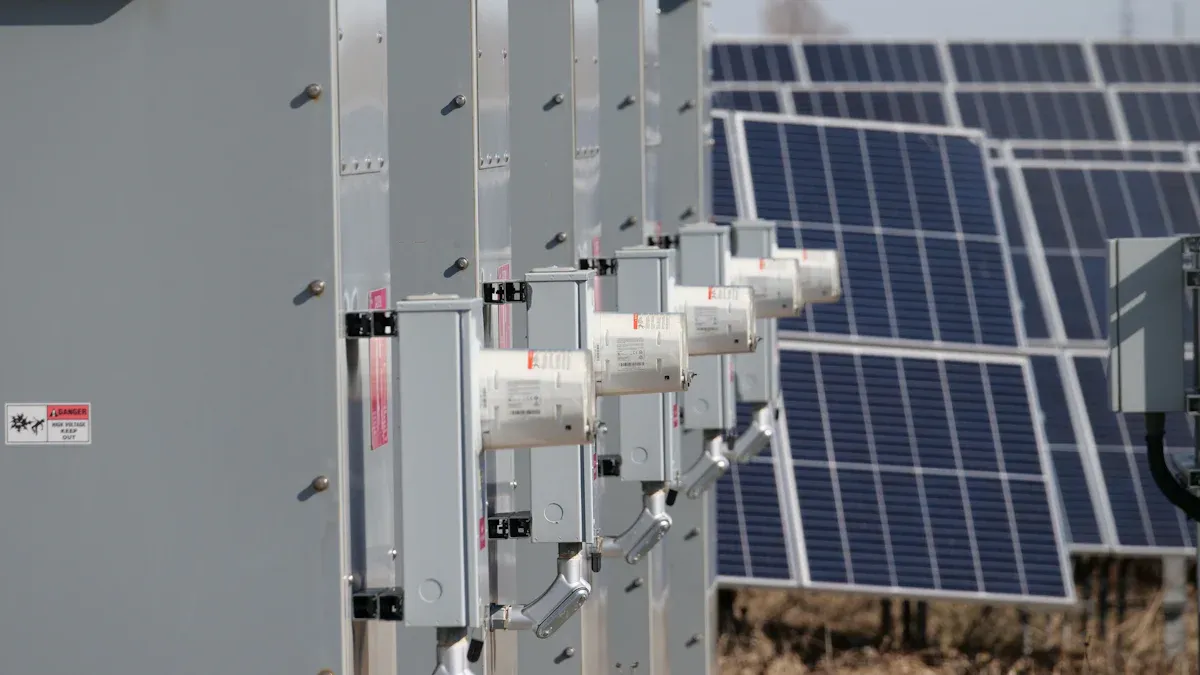
Building an off-grid solar power system involves understanding its key components. Each part plays a vital role in ensuring your system operates efficiently.
Power Load Calculation
Before you start purchasing components, you must calculate your power load. This step helps you determine how much energy you need to generate. You can use tools like the Off Grid Solar Load Calculator to assess your electricity usage. This calculator helps you figure out the size of the solar power system you need. Another useful tool is the S-5! Design Tools, which includes a Solar Calculator for various projects.
Knowing your power load allows you to select the right components for your system. If you underestimate your needs, you may end up with insufficient power. Conversely, overestimating can lead to unnecessary expenses.
Solar Panels
Solar panels are the heart of your off-grid solar power system. They convert sunlight into electricity. When choosing solar panels, consider efficiency and durability. Here are some popular options:
Rich Solar 100W Panels: These panels perform well even in cloudy conditions, making them ideal for RVs.
Rich Solar 200W Panels: Lightweight and easy to install, these panels are versatile for various off-grid applications.
Rich Solar Foldable Panels: Perfect for camping and emergencies, these portable panels offer flexibility.
300+W Panels from Brands like SunPower, Q Cells, and Panasonic: These high-efficiency panels provide excellent performance.
Most solar panels have a lifespan of 25-30 years. They gradually lose efficiency over time, typically retaining 80-90% of their output after 25 years. The average degradation rate is around 0.5-0.75% per year.
Batteries
Batteries store the energy generated by your solar panels. They ensure you have power when the sun isn’t shining. Several types of batteries are suitable for off-grid systems:
Lithium-ion
Lithium iron phosphate (LFP)
Lead-acid
Flow
Saltwater
Nickel-cadmium
Battery capacity is crucial. It determines how much energy you can store for use during low solar generation periods. Aim for a battery capacity that provides 2-3 days of backup power. A total capacity of 400 to 600 Ah is recommended for essential appliances. Using multiple batteries wired in parallel can enhance performance.
Charge Controller
The charge controller manages the battery charging process. It prevents overcharging and deep discharge, which can damage your batteries. Additionally, it blocks reverse currents that could flow from the battery back to the solar panels at night.
You can choose between two main types of charge controllers:
Type | Advantages | Disadvantages |
|---|---|---|
PWM | Simplicity, lower cost, suitable for small systems | Less efficient in variable sunlight, requires matching voltage |
MPPT | Higher efficiency, ideal for larger systems | More expensive, complex design |
Inverter
The inverter converts the DC electricity generated by solar panels into AC electricity, which most household appliances require. Here’s how it works:
Conversion of Sunlight into DC Electricity: Solar panels generate DC electricity from sunlight.
The Inverter Converts DC to AC Electricity: This conversion is essential for household use.
Maximum Power Point Tracking (MPPT): This technology optimizes energy output from solar panels.
Smart Energy Management: Inverters manage how and when solar energy is used, integrating with home energy systems and battery storage.
When selecting an inverter, consider specifications like output capacity, compatibility with household AC voltage, and battery type compatibility.
Understanding these components will help you build a reliable off-grid solar power system tailored to your energy needs.
Cost of Off-Grid Solar Power
Understanding the costs associated with off-grid solar power systems is essential for making informed decisions. You will encounter both initial investments and long-term savings that can significantly impact your finances.
Initial Investment
The initial investment for an off-grid solar power system can be substantial. Here are some factors that influence the overall cost:
System Size: Larger systems require more solar panels and batteries, increasing costs.
Location: Costs vary based on your geographical area. For example:
In Massachusetts, higher daily electricity consumption and the need for backup power due to weather conditions lead to increased costs.
In Arizona, while the higher sun hours reduce the need for larger solar arrays, the substantial electricity load still requires significant battery storage.
Average Costs: The average cost of installing an off-grid solar-plus-storage system for a typical house is often $115,000 or more. Off-grid systems can be significantly more expensive than grid-tied systems, often exceeding six figures.
Long-Term Savings
While the initial investment for off-grid systems is higher, the long-term savings can be considerable. Here are some key points to consider:
Elimination of Utility Bills: Off-grid solar systems completely remove monthly electricity bills.
Energy Independence: You gain independence from rising utility rates, which have historically increased by 2-4% annually.
Break-Even Period: The break-even period for an investment in a solar panel installation typically ranges from 8 to 12 years. Some homeowners may achieve break-even in as little as 5 years.
Financial Benefits: The long-term savings from off-grid systems include avoiding utility bills and connection fees, leading to significant financial benefits over time.
Incentives and Rebates
Government incentives and rebates can help offset the costs of installing off-grid solar power systems. Here are some available options:
Incentive Name | Description |
|---|---|
Residential Clean Energy Credit | Equals 30% of costs for new, qualified clean energy property installed from 2022 to December 31, 2025. |
Subsidies and Rebates Adjustment | Subsidies and rebates may reduce the amount of qualified expenses for the credit calculation. |
State Energy Efficiency Incentives | Generally not subtracted unless they qualify as rebates under federal tax law. |
These incentives can significantly impact the overall cost of your off-grid solar power system, making it more affordable.
By understanding the costs, savings, and available incentives, you can make a well-informed decision about investing in an off-grid solar power system.
Installation Options for Off-Grid Solar
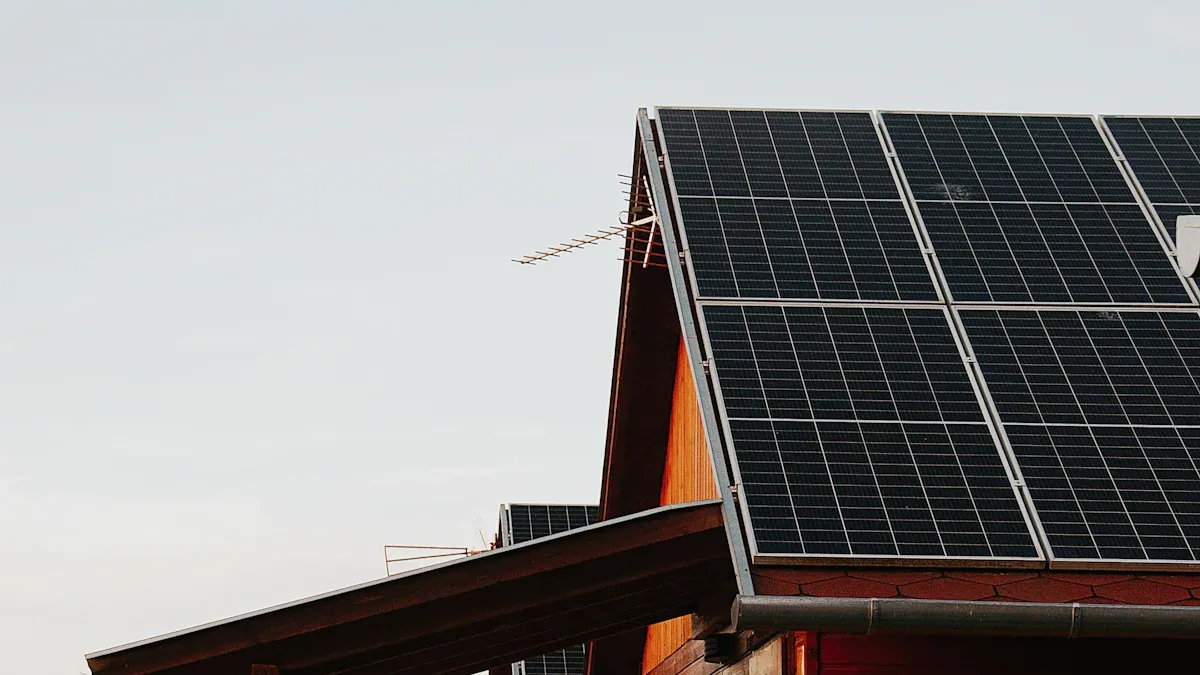
When it comes to installing your off-grid solar power system, you have two main options: doing it yourself (DIY) or hiring a professional. Each choice has its benefits and drawbacks.
DIY Installation Steps
If you choose to install the system yourself, follow these essential steps:
Mounting Panels: Ensure proper orientation and cleanliness of solar panels to maximize sunlight capture.
Wiring and Connections: Connect solar panels, charge controller, battery bank, and inverter in a specific sequence for safety and efficiency.
Battery and Inverter Setup: Carefully connect batteries and inverters, ensuring correct polarity and secure connections.
Initial Testing: Perform tests to confirm system functionality, including checking battery voltage and connection tightness.
Safety Tips: Use appropriate safety devices and gear to protect against electrical hazards and physical injuries.
Safety Precautions: Always wear insulated gloves, safety glasses, and rubber-soled boots. Ensure all equipment is properly grounded to prevent electrical hazards.
Hiring a Professional
Hiring a professional can save you time and ensure a safe installation. The average cost for professional installation includes:
$100 per panel for roof racks.
Ground panel costs ranging from $50 to $300 each.
Installation labor costs averaging $20 per hour.
An additional $3,000 for hiring a professional installer.
Pros and Cons
Option | Pros | Cons |
|---|---|---|
DIY Installation | Cost savings, hands-on experience | Time-consuming, requires technical skills |
Hiring a Pro | Expertise, faster installation | Higher costs, less personal involvement |
Choosing between DIY and professional installation depends on your budget, skills, and comfort level with electrical work. Assess your situation carefully to make the best decision for your off-grid solar power system.
Building an off-grid solar power system involves several key components. You must conduct a load assessment to determine your energy needs. Size your solar panels and battery storage accordingly. Consider future energy demands and plan for backup options. Take these steps to ensure a successful installation and energy independence.
FAQ
What is the lifespan of solar panels?
Most solar panels last 25-30 years. They typically retain 80-90% of their efficiency after 25 years.
How much maintenance do off-grid solar systems require?
Off-grid solar systems generally need minimal maintenance. You should inspect components annually and clean solar panels regularly for optimal performance.
Can I expand my off-grid solar system later?
Yes, you can expand your off-grid solar system. Ensure your initial setup allows for future additions, like more panels or batteries.
