

You’re probably comparing panel size, mounting style, and how much your setup can actually handle, not just chasing a watt number on a page. This roundup focuses on 450-watt class panels and nearby options that make sense for RV roofs, off-grid cabins, home storage systems, and portable power stations. You’ll also see where flexible panels still earn a spot, because a rigid panel is not always the right answer for curved surfaces or travel rigs.
The Shortlist At A Glance

Renogy Flexible Solar Panel 100 Watt, 240° Ultra Flex Bendable

Renogy 200W Portable Solar Panel, IP65 Waterproof Foldable Solar Panel Power Backup
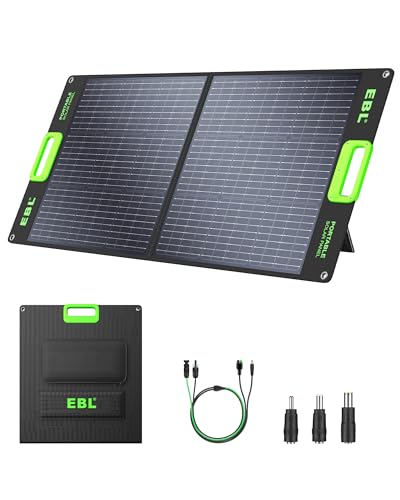
EBL Solar Panel 100W Portable Solar Panel for 300/500/1000 Power Station

ZOUPW 450W Portable Solar Panel N-Type 16BB for Power Station
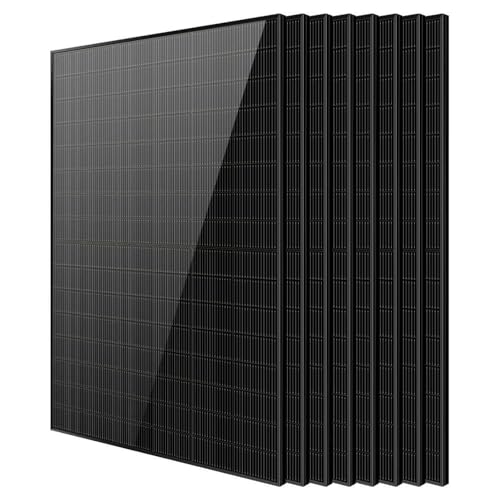
SUNGOLDPOWER UL61730 N-Type 8PCS 450W Bifacial Solar Panels

JJN UL61730 425W N-Type Bifacial Solar Panel, 16BB Monocrystalline

SUNGOLDPOWER UL61730 N-Type 4PCS 450W Bifacial Solar Panels
More Details On Our Top Picks
Curved roofs and narrow marine surfaces are where this Renogy panel makes sense, not on a rigid rack where a standard panel would do the same job more neatly. The 0.1-inch profile helps it sit close to the surface, and that low-slung shape can matter in a van build or cabin project where clearance is tight.
IP68 is the water and dust ingress rating, which tells you the enclosure is built for harsher outdoor exposure than a casual weekend setup. The trade-off is simple, flexible panels usually ask more from your mounting plan and your expectations for long-term flatness, so this suits shape-driven installs more than neat rooftop rows.
Strong Points
- Flexible bend helps on curved surfaces
- Low profile keeps the build tidy
- IP68 rating suits harsher outdoor placement
- Good match for marine or van layouts
Things To Consider
- Works best with careful mounting support
- Less suited to traditional rigid roof frames
- Needs routine cleaning where dust builds up
Feature Snapshot
Who It Suits Best
You’ll get the most from this panel in a marine, van, or custom off-grid build that needs to follow a curve instead of sitting dead flat.
A Better Fit Elsewhere
Renogy 200W Portable Solar Panel is the cleaner match for campers who want a foldable setup they can move from site to site.
This foldable Renogy setup leans into mobile backup, so it feels more natural beside a power station than on a permanent roof. The kickstand helps you angle the panel on a campsite or driveway, and the USB-A plus Type-C outputs give you direct charging options without making the setup feel fussy.
IP65 means it’s built to handle dust and water spray, which is useful for travel days and fast pack-downs, though it still deserves sensible storage after use. Compared with the flexible Renogy panel above, this one is easier to move around, but you give up the slim, surface-hugging form that makes rooftop installs cleaner.
What We Like
- Foldable design packs for travel
- Kickstand helps with panel angle
- USB-A and Type-C outputs add convenience
- Handy for portable power stations
Worth Noting
- Needs space to open fully
- Best stored dry after outdoor use
- Less suited to fixed rooftop mounting
Core Details
Who Will Love This
You’ll like this most for camping, blackout backup, or any mobile power station routine that benefits from quick setup and pack-down.
Another Choice May Suit
ZOUPW 450W Portable Solar Panel fits better for larger rigs that need much more output from a single foldable unit.
EBL takes a simpler route than the Renogy portable model above, and that helps in small setups where compatibility matters more than extra features. The adjustable kickstand gives you a more useful angle on uneven ground, while the parallel cable is there for people building a larger charging setup over time.
IP65 protection makes this a sensible camp or RV companion, especially for weekends where dust and damp grass are part of the routine. The honest read is that 100W is still a modest panel, so it suits topping up a smaller station more than running a demanding off-grid household.
Highlights
- Fits several common power stations
- Adjustable stand helps with placement
- Parallel cable supports larger setups
- Portable size suits trunk storage
Small Caveats
- 100W output suits smaller energy needs
- Requires a bit of setup space
- Best kept clean for steady output
Details At A Glance
Built With In Mind
You’ll appreciate this most in a compact camping kit or a beginner power-station setup where ease of pairing matters.
Where A Sibling Pick Shines
Renogy 200W Portable Solar Panel suits you better when you want more charging muscle from a portable foldable format.
For portable systems that want a serious jump in charging capacity, this ZOUPW panel stands out quickly. The N-Type 16BB cell layout means the panel uses a newer cell construction with multiple front-side busbars, and that matters because it can support better current flow than simpler designs.
The foldable format keeps it travel-friendly, yet the 450W class makes it feel closer to a high-output tool than a casual camp accessory. Compared with the Renogy 200W and EBL 100W picks, this one is the better fit for larger stations, though its size means you’ll want storage space and a deliberate setup routine.
Reasons To Buy
- High 450W output suits bigger stations
- N-Type 16BB design targets strong performance
- Foldable format still travels well
- Good match for EcoFlow, Anker, Jackery, and Bluetti use cases
- IP68 rating adds confidence outdoors
Areas To Watch
- Large foldable panel needs room to store
- Works best with a larger power station
- Setup takes more planning than smaller units
Feature Rundown
Best Suited To
You’ll get the most from this panel in an RV, overlanding, or backup-power setup where size is acceptable and output matters first.
Skip It When
JJN UL61730 425W Bifacial Solar Panel is a better fit for fixed installs that want a more traditional rigid panel format.
This SUNGOLDPOWER bundle belongs in larger fixed arrays, not in a travel kit, and that’s the point. Bifacial panels can capture light on both sides, so the design can be useful where reflected light from a roof, ground surface, or open mount can contribute to output.
With eight 450W panels in the package, it suits people planning a more substantial energy storage or home system. The trade-off is obvious, this is a bulkier, more installation-heavy route than the portable picks, so it rewards a serious layout and enough room to stage the panels.
Positives
- Eight-panel bundle supports large builds
- Bifacial design can use reflected light
- Good match for storage systems
- 16BB layout aims for smoother current handling
Minor Gripes
- Best suited to planned installations
- Bulk makes storage and handling less casual
- Not the easy choice for quick transport
Core Details
Whose Shelf It Belongs On
You’ll want this for home storage, on-grid planning, or a farm setup where the panel count and installation effort are both part of the project.
Reach For A Different Pick When
ZOUPW 450W Portable Solar Panel fits you better for mobile use, since it folds down instead of anchoring a fixed array.
This JJN panel sits in a useful middle ground, especially for installs that need flexibility across 12V, 24V, and 48V systems. That spread matters because it makes the panel easier to slot into different electrical plans without forcing a complete redesign around it.
Its bifacial layout and up-to-25% efficiency claim point toward a more serious fixed setup than the portable Renogy and EBL picks. The catch is that it still asks for proper rooftop or ground-mount planning, so it feels best suited to homes, farms, and storage builds that already have a defined structure.
Bright Spots
- Works across 12V, 24V, and 48V systems
- Bifacial format broadens light capture potential
- Suitable for rooftop or ground installs
- Good fit for energy storage projects
Points To Note
- Needs a proper fixed-install plan
- Less convenient for travel use
- Cleaning matters on dusty rooftops
At A Glance
The Right Fit
You’ll like this best for a rooftop, farm, or energy-storage setup where flexibility across system voltages matters.
Where A Sibling Pick Shines
SUNGOLDPOWER UL61730 8PCS 450W Bifacial Solar Panels makes more sense for larger planned arrays that need a bigger bundle right away.
This smaller SUNGOLDPOWER bundle keeps the same 450W-per-panel idea as the larger eight-pack, but trims the scale to a more manageable four-panel setup. That makes it easier to stage for a home project or a charging station without committing to the larger footprint of the earlier SUNGOLDPOWER option.
The bifacial construction still gives you the same broad installation logic, which helps on reflective surfaces and open mounts. For many households, that’s the sweet spot, enough panel for a meaningful build, but not so much bulk that the system feels oversized before it’s wired.
Best Bits
- Four-panel bundle is easier to stage
- Still suits larger solar plans
- Bifacial design works in open layouts
- Good fit for charging and storage systems
Honest Caveats
- Still a fixed-install product
- Not suited to casual transport
- Mounting plan matters more than on portable panels
Quick Facts
Perfect Match For
You’ll get the best fit here for a smaller fixed array, especially around a home, workshop, or charging setup where four panels are enough.
Look Elsewhere When
JJN UL61730 425W Bifacial Solar Panel is the better call for mixed-voltage systems that need broader electrical flexibility.
How To Choose The Right 450 Watt Solar Panels
Match Panel Style To The Space
A rigid panel belongs on a flat roof, a frame, or a ground mount with room to spare. A flexible or foldable panel fits awkward surfaces, mobile rigs, and storage-heavy setups where size and shape matter more than a clean permanent layout.
The phrase 16BB means the cell uses 16 busbars, which are thin conductive strips that help move current across the panel. More busbars can support better electrical flow and stress distribution, though the real payoff depends on the rest of the system around it.
Think About Output Versus Portability
A 450W portable panel can suit a large power station, but the fold-out size means you need space for setup and storage. Smaller portable panels are easier to move and stash, though they’ll top up a battery more slowly.
For a van, RV, or campsite routine, mobility often matters more than raw panel count. For a fixed home or farm build, a rigid bifacial panel usually makes more sense because you’re aiming for steady output rather than fast packing.
Check Compatibility Before You Commit
Voltage range matters because it shapes how easily the panel fits into your system. A panel that works across 12V, 24V, and 48V options gives you more room to plan around an inverter, charge controller, or storage bank.
Power station compatibility matters just as much for portable use. Many portable setups work better when the panel and the station speak the same electrical language, so the product page should be read as a system match, not a standalone promise.
Look At Ownership Effort Too
Outdoor ratings like IP65 and IP68 tell you how well a panel stands up to dust and water exposure, and that matters during travel or rough-weather storage. They do not remove the need for cleaning, careful cable management, and dry storage habits.
A panel that folds or bends can save space, but the trade-off is a more hands-on setup. A fixed bifacial panel asks more at installation, then usually asks less during daily use.
A Quick Reality Check
Common Shopping Slip Ups
A lot of people focus on wattage alone and miss the format. That leads to a mismatch, like choosing a rigid panel for a curved boat roof or a giant foldable panel for a cramped hatchback.
The safer move is to start with the space, then the system, then the watt class. Once those three line up, the rest gets easier.
Where The Extra Money Goes
Higher-tier panels usually spend more on cell design, larger output, and materials that suit longer outdoor use. Bifacial construction, N-Type cells, and denser busbar layouts often sit in that higher-cost tier because they’re meant for stronger system planning.
That upgrade makes the most sense when you already have a proper install, a sizable battery bank, or a power station that can actually use the extra output. For casual backup, the added cost can feel like overkill.
Frequently Asked Questions
Are 450 watt solar panels too large for home use?
Not for many homes, but the space and electrical plan have to fit the panel class. A rooftop or ground array handles them better than a small patio setup.
Do portable 450 watt panels make sense for camping?
They can, especially for large power stations or extended off-grid stays. The trade-off is bulk, so storage and setup time matter.
What does bifacial mean in plain terms?
Bifacial means the panel can use light from both the front and rear sides. That can help in open installs where reflected light reaches the back.
Is a flexible panel a better choice than a rigid one?
Only for the right surface. Flexible panels help on curved or uneven spaces, while rigid panels usually suit permanent flat installs better.
Do higher watt panels always fit smaller power stations?
Not always, because compatibility matters as much as wattage. The power station’s input limits and connector setup should match the panel plan.
Closing Thoughts
A 450-watt solar panel setup only works well when the form matches the job. You’ll get the cleanest result from a rigid panel on a fixed array, a foldable panel for mobile backup, or a flexible panel on a curved surface that won’t take a standard frame. The seven picks above cover those different realities without pretending one style fits every roof, campsite, or storage plan. Choose the one that matches your space first, and the rest of the decision gets much simpler.
