

Power outages rarely wait for a convenient hour, and that’s exactly why standby and portable generator choices deserve careful attention. You may need something small enough for weekend camping, or a larger setup that keeps a whole house running through a storm. This roundup sorts those needs by capacity, fuel flexibility, control style, and installation style so you can match the machine to the way you actually live. Some picks favor mobility, others are built for hands-off backup.
Quick Look At Our Top Picks

Oxseryn Power Equipment 4400 Watt Inverter Generator

PowerSmart 3600 Watt Portable Inverter Generator

Champion Power Equipment 4000-Watt Dual Fuel RV Ready Portable Inverter Generator
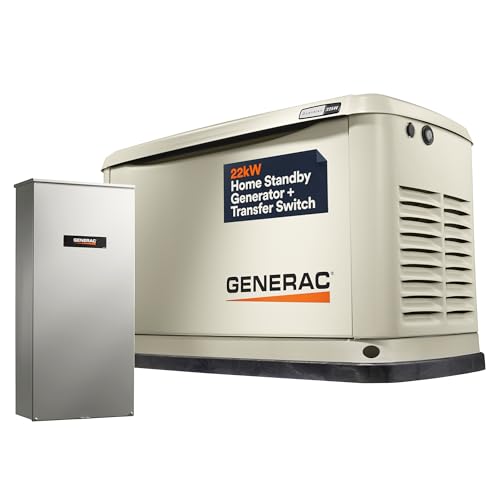
Generac Guardian 22kW Home Generator

DuroStar DS13000MX 13,000-Watt 500cc Dual Fuel Portable Generator

Westinghouse 18000 Peak Watt Tri-Fuel Home Backup Portable Generator

Champion Power Equipment 100177 8.5-kW Home Standby Generator

20kW Standby Generator with 200amp TS
More Details On Our Top Picks
Oxseryn’s open-frame design keeps this pick grounded in practical use, especially for camping, tailgating, and light home backup. The inverter setup matters because it usually handles power more cleanly than a basic open-frame unit, which helps sensitive electronics feel less like an afterthought.
You also get ECO mode, which typically lowers engine output during lighter loads, so fuel use and noise tend to stay more sensible for evening use around the house. It sits in a useful middle ground, smaller than the heavy whole-home machines like Generac Guardian 22kW, but more capable than the most compact travel units.
What We Like
- 4400 watts gives you room for essential appliances and job-site tools without jumping to a full-size standby setup.
- Inverter output is a smart fit for laptops, phones, and other sensitive devices that dislike rougher power delivery.
- ECO mode helps the engine stay calmer during lighter household loads.
- RV-ready positioning makes it a practical crossover pick for trips and emergency backup.
Points To Note
- Open-frame construction is usually less compact than a suitcase-style inverter, so storage takes more planning.
- You still need to handle fuel and routine upkeep yourself, which is normal for this category.
Feature Rundown
Who It Suits Best
Weekend campers, RV owners, and households that want portable backup without going all the way to permanent installation fit this model well.
Where A Sibling Pick Shines
PowerSmart 3600 Watt Portable Inverter Generator suits you better for lighter loads and easier carrying, especially around campsites or smaller storage spaces.
This one makes the most sense for lighter backup needs, where portability matters as much as output. Compared with the Oxseryn unit above, it sounds aimed more squarely at campsite comfort and smaller household tasks than at pushing several large appliances at once.
The long-runtime positioning is useful for overnight use or extended outages, where fewer refueling interruptions are a real comfort. The honest read is that 3600 watts is still a modest ceiling, so you’ll want to prioritize essentials rather than try to run everything at once.
Highlights
- 3600 watts suits light to moderate needs without making the unit feel oversized.
- Portable inverter format is friendlier for travel, tailgating, and small storage areas.
- Quiet-focused design should feel easier on the ears in campgrounds and neighborhoods.
- Long runtime positioning helps stretch use between fill-ups during outages or trips.
Small Caveats
- The output range is better for essentials than for large-home coverage.
- Portable units need fuel handling and periodic upkeep, which adds ownership chores.
- You may find it undersized for a full kitchen plus heating gear at the same time.
Details At A Glance
Who Will Love This
You fit this pick well for camping, tailgating, apartment-adjacent storage, or backup use for only a few essentials.
Another Choice May Suit
Oxseryn Power Equipment 4400 Watt Inverter Generator suits you better when your backup list includes a few extra appliances or RV gear.
Dual-fuel support is the obvious draw here, because it gives you a second fuel path when one source is harder to find. That flexibility matters during outages and road trips, and it sets this model apart from the single-fuel feel of the PowerSmart 3600 Watt Portable Inverter Generator.
RV-ready positioning makes the package even more useful for travelers who want one machine for both campsite power and emergency backup. The trade-off is that 4000 watts still asks you to be selective about which appliances stay on at the same time, especially during longer outages.
Upsides
- Dual-fuel design gives you more fuel planning flexibility.
- 4000-watt class output lands in a practical middle zone for travel and home use.
- RV-ready setup broadens the use case beyond household backup.
- Quiet technology is a meaningful comfort boost around campsites and close neighbors.
- Portable inverter format is easier to store than a fixed home standby system.
Honest Caveats
- Dual-fuel convenience can mean a bit more decision-making around storage and fuel rotation.
- It still won’t replace the output of a permanent whole-house backup unit.
Core Details
Best Suited To
Travelers, RV owners, and households that want fuel flexibility in a portable package will appreciate this format most.
Swap It Out When
Generac Guardian 22kW Home Generator makes more sense for you when you want automatic, whole-home standby rather than a mobile unit.
This is the first true hands-off backup option in the group, and that changes the conversation entirely. Unlike the portable models before it, the 22kW capacity is built for households that want automatic coverage rather than a machine you roll out and start by hand.
WiFi monitoring adds remote visibility, which is handy during storm season because you can keep tabs on status without going outside. For larger homes, the natural gas or propane fuel choice and automatic transfer setup make this feel more like home infrastructure than an accessory.
Reasons To Buy
- 22kW output is suited to larger homes with broader backup needs.
- Automatic transfer support reduces the amount of hands-on work during an outage.
- WiFi monitoring adds status awareness from a phone or browser.
- Natural gas or propane compatibility gives you flexibility in how the unit is fueled.
Softer Spots
- This is a fixed home system, so installation planning matters more than it does for portable units.
- The size makes it a poor fit for renters or people who need storage-friendly backup.
At A Glance
Made For
Homeowners who want a permanent backup system for larger living spaces and frequent outage concerns fit this model best.
A Better Fit Elsewhere
Champion Power Equipment 100177 8.5-kW Home Standby Generator suits smaller homes that still want automatic backup but do not need 22kW capacity.
With 13,000 watts on tap, this DuroStar steps into serious backup territory without becoming a fixed standby system. Compared with the Generac Guardian, it keeps the portability angle, so you can move it around for job sites, outage prep, or RV support.
The remote electric start is a real convenience point, especially for anyone who doesn’t want to fuss with a pull start in bad weather. The 500cc engine size suggests the unit is built for heavier demand, though that also means you should expect a bigger physical footprint and more storage planning.
Bright Spots
- 13,000 watts gives you much more capacity than the mid-size portable picks.
- Dual-fuel support gives you practical fueling flexibility.
- Remote electric start saves effort during messy weather or late-night outages.
- Transfer switch readiness makes it more useful for home backup planning.
- RV and emergency positioning broadens its value beyond one setting.
Areas To Watch
- High-output portable units usually take more space and more careful handling.
- Heavy-duty upkeep can feel more involved than with smaller inverter models.
Technical Sheet
Right Fit For
Households, small properties, and RV users who want high-output backup with movement flexibility will get the most out of this design.
Look Elsewhere When
PowerSmart 3600 Watt Portable Inverter Generator is easier to live with for lighter loads, shorter trips, and simpler storage.
Three fuel choices make this Westinghouse feel unusually adaptable for outage planning. Compared with the DuroStar DS13000MX, it spreads the emphasis across fuel flexibility rather than only raw portable punch, which can matter a lot in areas where supply conditions change.
The remote electric start and transfer-switch-ready design keep it pointed toward home backup, while the CO sensor adds a noteworthy layer of awareness for enclosed or semi-enclosed operating spaces. The honest read is that the extra fuel versatility is helpful, but it also means you’ll want a tidy storage routine and a clear plan for fuel rotation.
Best Bits
- Tri-fuel design gives you gas, propane, and natural gas options.
- 18,000 peak watts place it near the upper end of portable backup capacity.
- Remote electric start is handy during urgent outages.
- Transfer switch readiness supports more organized home use.
- CO sensor adds a practical layer of operational awareness.
Room For Improvement
- Tri-fuel convenience also adds more fuel-management decisions.
- High-output portable equipment usually needs more storage room and routine care.
Feature Card
Who Should Grab It
You fit this model well when you want a high-output portable backup unit with the widest fuel flexibility in the group.
Skip It When
Generac Guardian 22kW Home Generator is the better path for you when you want a permanent, fully automatic home installation instead of a portable machine.
This is the sensible middle step for homeowners who want standby behavior without jumping straight to a huge whole-house rig. The 8.5-kW size is notably more approachable than the 22kW Generac above, and that can make it a better fit for smaller homes or more modest backup expectations.
The 50-amp outdoor-rated automatic transfer switch is the part that really changes the ownership feel, because it supports hands-off backup once installed. For busy households, that kind of setup is often more valuable than raw wattage alone, though you still need to account for installation work and the space the system occupies.
Positives
- Automatic standby behavior reduces the need for manual startup during outages.
- 8.5-kW capacity suits many smaller homes well.
- Outdoor-rated 50-amp transfer switch supports a more complete setup.
- Permanent installation can feel calmer than rolling out a portable generator in bad weather.
Minor Gripes
- It’s a fixed system, so installation and placement matter a lot.
- 8.5kW is enough for many homes, but not for every full-house load.
Core Details
Built With In Mind
You fit this pick well if you want a true standby setup for a smaller home or a tight backup plan with less manual effort.
A Better Fit Elsewhere
Generac Guardian 22kW Home Generator suits you better when your home needs more capacity and smarter monitoring from the start.
This 20kW standby unit sits in the same permanent-backup lane as the Generac Guardian, but it leans into a simpler title and a clearly house-sized role. The included 200-amp transfer switch is the headline detail, because that capacity points toward broader whole-home integration for properties with heavier electrical demands.
It makes the most sense for households that want a serious installed backup system rather than a portable stopgap. The trade-off is straightforward, fixed systems ask more of your installation planning, but they also remove a lot of the scramble that comes with rolling equipment out in bad weather.
Best Bits
- 20kW output is suited to large-home standby use.
- 200-amp transfer switch supports substantial household integration.
- Permanent standby design reduces the work of manual setup during outages.
- Fits homes that need a more complete backup answer than portable models can offer.
Things To Consider
- The system is meant for fixed installation, so planning and placement matter.
- It makes little sense for renters or anyone who needs a movable unit.
- Routine service access should be part of the long-term ownership plan.
At A Glance
Whose Shelf It Belongs On
You fit this pick well if you want a serious, installed backup system for a larger property and prefer broad coverage over portability.
Reach For A Different Pick When
Champion Power Equipment 100177 8.5-kW Home Standby Generator is the gentler fit for smaller homes that still want automatic standby support.
How To Choose The Right Standby Generators
Match Capacity To Your Real Load
The first mistake is chasing wattage without thinking about what you actually want to keep on. A small portable inverter can handle charging, lighting, and a fridge, while a 20kW or 22kW standby unit is built for a much wider household footprint. Start with essentials, then add comfort loads like HVAC zones, kitchen appliances, or a water pump.
Decide How Much Manual Work You Want
Portable generators ask for more involvement, because you need to position them, fuel them, and start them by hand. Standby systems like the Champion 100177 or Generac Guardian are different, since they’re meant to sit in place and step in with far less effort. That convenience matters most during storms, overnight outages, or any situation where you don’t want to wrestle with equipment outside.
Fuel Flexibility Changes The Experience
Dual-fuel and tri-fuel models are worth a close look when fuel supply worries you. Gas, propane, and natural gas each come with trade-offs in storage, availability, and setup, so the right choice depends on how you plan to use the unit over time. For a cabin, RV, or storm-prone home, extra fuel paths can be a practical comfort.
Think About Installation And Storage
Permanent standby generators need space, planning, and a proper setup, while portable models need storage room and a safe operating spot. That difference can matter as much as output, especially for townhouses, small yards, or garages already packed with seasonal gear. A compact inverter may be the saner choice for limited space, even when a bigger unit looks more powerful on paper.
A Quick Reality Check Before You Commit
Traps First Timers Fall Into
A common misstep is buying too little output and expecting a small generator to run the whole house. Another is overlooking the difference between portable backup and true standby installation, which can lead to a setup that feels more awkward than useful. You also want to think about storage, fuel handling, and maintenance access before you choose a bigger machine.
The Upgrade Payoff
Higher-tier standby models cost more because they usually deliver greater capacity, automatic transfer, remote monitoring, and a more seamless backup experience. That extra spend makes sense for larger homes, frequent outages, or anyone who wants less manual effort when the power goes out. Portable inverter units still make sense for smaller needs, but permanent systems earn their keep when convenience and broader coverage matter more than mobility.
Frequently Asked Questions
What’s the difference between a standby generator and a portable one?
A standby unit is installed in place and can take over automatically during an outage. A portable generator needs to be moved, started, and fueled by hand.
How much power do you need for a whole house?
That depends on the appliances you want to run at the same time. Smaller homes may manage with a modest standby unit, while larger homes often need 20kW class output or more.
Are dual-fuel and tri-fuel models worth it?
They can be, especially in places where one fuel source is harder to plan around. Extra fuel choices give you flexibility, but they also add more ownership decisions.
Do inverter generators make sense for home backup?
Yes, for lighter backup needs and sensitive electronics. They’re usually better for essentials, travel, and smaller household loads than for full-house coverage.
What should you check before choosing a standby unit?
Look at the load you want covered, the fuel source you can support, and the space available for installation. Transfer switch compatibility matters too, because it shapes how the system ties into your home.
Closing Thoughts
A good generator choice starts with honesty about your space, your load, and how much work you want during an outage. Portable inverter models are easier to store and move, while standby systems bring a calmer, more automatic kind of backup. For travel and lighter household use, the smaller picks are enough. For larger homes and storm season peace of mind, the installed units are the ones that feel built for the job.
