

Power loss changes the rhythm of a house fast, from a silent fridge to a cold morning coffee routine. This roundup focuses on standby generators for home, plus a few portable and inverter options that make sense for garages, small homes, and whole-house backup plans. You’ll see where each pick fits, where it falls short, and which setup suits your space, fuel access, and comfort with installation. For a storm-prone neighborhood or a place where outages linger, that difference matters.
The Shortlist At A Glance

Jackery Explorer 2000 v2 Portable Power Station 2042Wh 2200W AC Output

Oxseryn Power Equipment 4400 Watts Inverter Generator Gas Powered Portable Open Frame Generator
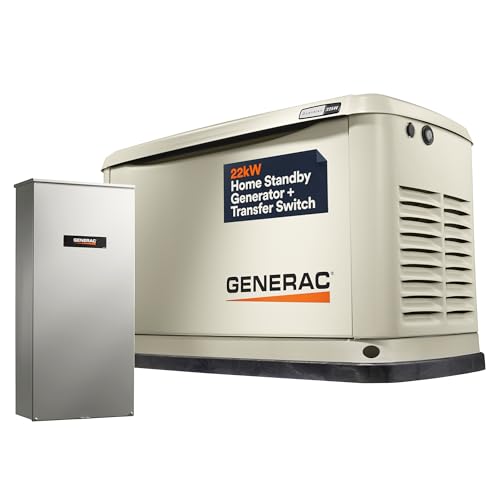
Generac Guardian 22kW Home Generator Transfer Switch WiFi Monitoring

DuroStar DS13000MX 13000-Watt 500cc Dual Fuel Portable Generator

Westinghouse 18000 Peak Watt Tri-Fuel Home Backup Portable Generator

Westinghouse 28000 Peak Watt Tri-Fuel Home Backup Portable Generator

Westinghouse 13500 Peak Watt Tri-Fuel Home Backup Portable Generator

Champion Power Equipment 100177 8.5-kW Home Standby Generator with 50-Amp Outdoor-Rated Automatic Transfer Switch
Jackery’s 2042Wh battery pack puts it in a different lane from the fuel-burning units later in this list. A lithium iron phosphate, or LiFePO4, battery means the chemistry is built for steadier long-term use than many older portable packs, and the 2200W AC output gives you room for lights, networking gear, and smaller appliances during an outage.
The 100W USB-C PD port is handy for modern laptops and phones, especially during a work-from-home blackout or a camping weekend with gadgets in tow. The trade-off is simple, it’s not meant to replace a fuel generator for whole-home coverage, so it suits apartments, garages, and smaller emergency loads far better than a full transfer-switch setup.
Strong Points
- Large battery capacity helps you keep essential electronics running without fuel handling.
- 2200W AC output covers a practical mix of household and travel gear.
- 100W USB-C charging suits laptops that need faster top-ups.
- LiFePO4 chemistry tends to suit regular backup use better than short-cycle packs.
Things To Consider
- It’s a portable power station, so it does not act like a wired standby unit.
- Heavy household appliances can outgrow its output range quickly.
- You’ll need to plan recharge access carefully during longer outages.
Feature Snapshot
Who It Suits Best
Small-house owners, apartment dwellers, and commuters who want quiet backup for electronics and networking equipment will get the most from this layout.
Where A Sibling Pick Shines
Generac Guardian 22kW Home Generator Transfer Switch WiFi Monitoring fits better for anyone who wants fixed whole-house coverage and automatic changeover.
Compared with the Jackery above, this Oxseryn leans back toward a fuel-powered backup plan with more headroom for tools and appliances. ECO mode is the useful detail here, because that usually means the engine can ease off under lighter loads, which matters in a long outage or on a campsite where every gallon counts.
The open-frame design keeps the shape straightforward, but it also signals more noise and less shelter from the elements than an enclosed inverter cabinet. For RV use, tailgating setups, and homes that want portable emergency support without going all the way to a permanent standby system, that trade can feel reasonable.
What We Like
- 4400 watts gives you a stronger cushion for mixed household loads.
- Inverter-style power is friendlier to sensitive electronics than a basic open-frame set.
- ECO mode can help stretch runtime during lighter usage.
- Portable format suits garages, RV trips, and backup storage without a permanent install.
Worth Noting
- Open-frame builds usually carry more sound than enclosed units.
- It still needs fuel management, storage space, and routine upkeep.
- Whole-home coverage remains outside its natural comfort zone.
Core Details
Whose Shelf It Belongs On
RV owners, garage preppers, and homes that want a portable bridge between small electronics backup and full generator coverage will find this a sensible middle step.
Another Choice May Suit
Champion Power Equipment 100177 8.5-kW Home Standby Generator with 50-Amp Outdoor-Rated Automatic Transfer Switch fits better for homeowners who want a fixed system that takes over without manual setup.
This is the one that looks the most like a classic standby solution, with fixed installation, transfer switching, and WiFi monitoring all pointed at hands-off home backup. In a storm season where outages can stretch into days, that setup removes a lot of the small chores that come with portable machines.
The fuel flexibility matters too, because natural gas or propane gives you installation options depending on what’s already at the property. The trade-off is the obvious one, this level of convenience expects proper placement and a professional-style setup, so it suits homeowners who are ready for a permanent system rather than a grab-and-go machine.
Highlights
- 22kW output points to serious home backup capacity.
- Transfer switching supports automatic switchover during outages.
- WiFi monitoring adds remote status awareness from your phone or computer.
- Natural gas and propane compatibility gives you install flexibility.
- Best suited to homes that want a permanent backup plan, not a portable workaround.
Areas To Watch
- Installation is far more involved than a portable generator.
- It makes sense mainly for properties with the right fuel and space planning.
- Portability is not part of the appeal here.
At A Glance
Best Suited To
Homeowners who want a permanent backup source for larger houses, and who can support a fixed fuel and transfer-switch setup, are the right match here.
Reach For A Different Pick When
Westinghouse 13500 Peak Watt Tri-Fuel Home Backup Portable Generator fits better for homes that need strong backup power but still want to keep the unit movable.
The DuroStar sits in the big-portable category, where a strong engine and dual-fuel flexibility matter more than compact size. Gas and propane support gives you more options during shortages or long storage periods, and the 500cc engine tells you this unit is aimed at serious backup loads rather than light convenience use.
Remote electric start is a practical touch for anyone who’d rather avoid tugging a recoil cord in poor weather. Compared with the Generac above, it gives up automatic whole-home behavior, but it offers a more movable answer for RV pads, detached garages, and homes that need power at specific circuits instead of the entire house.
Reasons To Buy
- 500cc displacement signals strong output potential for demanding backup jobs.
- Dual-fuel operation gives you gas and propane flexibility.
- Remote electric start adds convenience in rough weather.
- Transfer-switch readiness helps it fit planned home backup installs.
Small Caveats
- Large portable units need more storage and floor space than compact options.
- Fuel-powered upkeep is part of ownership, including regular attention to storage and maintenance.
- It still relies on manual deployment rather than automatic standby behavior.
Technical Sheet
The Right Fit
Families that want a portable but serious backup generator for a larger home, workshop, or RV setup will get the most from this one.
Look Elsewhere When
Westinghouse 18000 Peak Watt Tri-Fuel Home Backup Portable Generator fits better for someone who wants tri-fuel flexibility in a similar portable format.
Tri-fuel support is the headline here, and that matters more than most spec sheets admit. Gas, propane, and natural gas give you a wider path around fuel shortages and storage headaches, which is useful for homes that want a backup option to sit ready without constant refueling drama.
The remote electric start and transfer-switch readiness make it easier to imagine as a planned home backup tool rather than a purely emergency-only machine. A CO sensor adds a meaningful layer of caution for routine ownership, though the unit still needs the same respectful placement and ventilation habits any fuel generator requires.
Best Bits
- Tri-fuel support gives you the widest fuel flexibility in this group.
- Remote electric start simplifies startup on rough-weather days.
- Transfer-switch readiness makes it friendlier for home backup planning.
- CO sensor adds an extra layer of awareness during use.
Points To Note
- Tri-fuel gear can take a little more setup planning than a simple portable unit.
- Large fuel-powered machines need storage space and regular care.
- It’s still a portable generator, so it won’t behave like a fixed standby system.
Details At A Glance
Perfect Match For
Homeowners who want a fuel-flexible backup generator with a more polished ownership feel should look closely at this model.
Skip It When
Jackery Explorer 2000 v2 Portable Power Station 2042Wh 2200W AC Output is the simpler fit for quiet indoor-adjacent backup needs and smaller electronics loads.
Here you’re looking at the most capacity-heavy portable-style option in the Westinghouse trio, and that usually means better headroom for larger homes or heavier circuit planning. Like the 18000-watt sibling, it supports gas, propane, and natural gas, but the larger output is the reason it sits higher for families who want more breathing room during long outages.
The trade-off is scale. Bigger backup output usually comes with more space demand, more weight to manage, and a stronger case for careful placement, so this model makes the most sense where the home’s load demands justify the jump.
Upsides
- 28000 peak watts gives you substantial backup headroom.
- Tri-fuel support adds real flexibility around fuel access.
- Remote electric start keeps startup easier than manual-only options.
- Transfer-switch readiness supports organized home integration.
Honest Caveats
- Size and storage needs rise along with output.
- Fuel and maintenance planning matter a lot with a unit this substantial.
- It’s a portable design, so it still needs manual setup during an outage.
Feature Card
Who Should Grab It
Large homes and properties with bigger emergency loads will appreciate the extra capacity and fuel flexibility here.
A Better Fit Elsewhere
Westinghouse 13500 Peak Watt Tri-Fuel Home Backup Portable Generator makes more sense for households that want a smaller footprint and easier storage.
This Westinghouse lands in the middle of the tri-fuel range, and that middle is often where practical households feel most comfortable. It brings gas, propane, and natural gas support, plus remote electric start and transfer-switch readiness, so you can plan for backup power without jumping all the way to the largest unit in the lineup.
For a family that wants a stronger portable backup solution than the Jackery or Oxseryn, but doesn’t need the bigger 18000- or 28000-watt models, this one makes a tidy argument. The honest read is that it’s the least flashy of the three Westinghouse tri-fuel units, yet that can be a virtue when storage space and setup simplicity matter.
Positives
- Tri-fuel support gives you flexibility across gas, propane, and natural gas.
- 13500 peak watts suits many homes that need more than a light-duty backup.
- Remote electric start makes startup easier during rough weather.
- Transfer-switch readiness helps it work with planned household circuits.
- Its size is easier to manage than the larger Westinghouse models above it.
Softer Spots
- It still asks for fuel handling and regular maintenance.
- It won’t match a fixed standby system for convenience.
- Output is solid, but very large homes may want more reserve capacity.
Core Details
Built With In Mind
Homeowners who want a balanced tri-fuel generator for everyday emergency planning will find this the most approachable Westinghouse portable in the group.
Where A Sibling Pick Shines
Westinghouse 18000 Peak Watt Tri-Fuel Home Backup Portable Generator fits better for larger homes that want more reserve power without moving to the fixed standby path.
The Champion rounds out the list with the clearest fixed-standby profile outside the Generac, and the 50-amp outdoor-rated automatic transfer switch is the detail that gives it its identity. That switch matters because it supports a more hands-off response during outages, which is exactly what many homes want after the lights go out.
At 8.5 kW, it sits in a more modest power tier than the larger whole-house models, so it suits smaller homes or a limited essential-load plan. Compared with the portable Westinghouse units, it trades portability for automatic behavior, and that swap makes sense for anyone who wants backup to feel closer to a built-in household system.
What We Like
- Automatic transfer switch support gives it a true standby feel.
- 8.5-kW output fits smaller home backup plans.
- Outdoor-rated transfer gear supports a more organized installation.
- Less day-to-day involvement is needed than with portable generators.
Room For Improvement
- Its capacity is modest compared with the larger fixed systems in this roundup.
- Portability is not part of the story here.
- It makes the most sense where installation support is already in place.
Quick Facts
Who Will Love This
Homeowners who want a smaller fixed standby generator and care more about automatic response than portability will appreciate this fit.
Swap It Out When
Generac Guardian 22kW Home Generator Transfer Switch WiFi Monitoring is the stronger match for larger households that need broader whole-home coverage and remote monitoring.
How To Choose The Right Standby Generators For Home
Start With The Load You Actually Need
The first fork in the road is simple, whole-house coverage versus essential circuits. A 22kW fixed unit like the Generac can support far more of the house than an 8.5-kW standby model, while battery stations such as the Jackery are better for electronics, networking, and a few smaller appliances.
Think in terms of what must stay on during a storm, not what would be nice to have. Refrigeration, sump pumps, lighting, and internet gear usually outrank comfort extras.
Match Fuel Type To Your Property
Fuel choice shapes both convenience and long-term practicality. Natural gas and propane favor planned installations, while gas-only and dual-fuel portables make more sense for garages, RV pads, and homes that want mobility.
Tri-fuel machines give you the widest flexibility, which helps when one fuel source is hard to arrange. The trade-off is usually more setup planning and a larger physical footprint.
Decide How Hands-Off You Want Backup To Be
Automatic transfer switching is the big divide between true standby behavior and portable backup. A generator like the Champion can take over with far less effort, while portable models ask you to roll them out, fuel them, and connect them yourself.
WiFi monitoring, remote electric start, and transfer-switch readiness each add convenience in different ways. Together they reduce friction, but they also push the price and installation demands upward.
Don’t Ignore Storage, Noise, And Maintenance
Bigger portable generators often bring stronger output, yet they also demand more space and more attention. Open-frame units tend to be louder, fuel-powered models need routine care, and battery stations need charging plans rather than gasoline cans.
For a home that sees outages only once in a while, a compact backup solution may be enough. For repeated storm seasons, paying for more capacity and easier operation usually feels worthwhile.
What To Weigh Before You Click Through
Wrong Turns To Avoid
Many shoppers start with wattage and stop there, which is how they end up with a unit that fits the numbers but not the house. A portable generator can look generous on paper and still miss the mark if you need automatic switchover or quieter operation.
Another common miss is forgetting fuel storage and space. A larger machine needs room, and fuel-based units expect a maintenance rhythm you’ll want to keep up with.
The Upgrade Payoff
Higher-tier models usually cost more because they bring bigger output, automatic transfer capability, tri-fuel flexibility, monitoring, and sturdier power delivery. That extra spend starts to make sense for larger homes, frequent outages, or anyone tired of manually managing backup every time the weather turns rough.
For lighter emergency use, a smaller portable or battery-based pick may be enough. For full-house comfort and less hassle, the extra money goes toward convenience as much as raw capacity.
Frequently Asked Questions
What size standby generator suits a typical home?
Smaller homes often do well with essential-load coverage, while larger houses usually need far more output. The right size depends on what you want to keep running at the same time.
Is a portable generator the same as a standby generator?
No, a portable unit needs manual setup and connection, while a standby system is installed to take over more automatically. The difference shows up most clearly during a long outage.
Why do some models support multiple fuel types?
Multiple fuel options give you more flexibility around availability and storage. That matters most in areas where one fuel source may be easier to keep on hand than another.
Do you need WiFi monitoring?
You do not need it for backup power, but it helps you check status without walking outside. That convenience is useful for larger properties or homes with a generator farther from the living area.
What matters most for long outages?
Capacity, fuel access, and ease of operation all matter together. A unit that’s easy to run and easy to refuel usually stays useful longer than a spec-heavy model that’s a pain to manage.
Final Thoughts
Your best choice depends less on the loudest watt number and more on how you live during an outage. A battery station handles quiet essentials, a portable fuel generator covers broader emergency loads, and a fixed standby system gives you the smoothest handoff when the power drops. For a home that needs real backup, the right fit is the one that matches your space, your fuel setup, and how much effort you want to spend in the dark. Start there, and the shortlist gets much easier to read.
