

Power cuts feel different once your fridge, lights, and internet all stop at once. This roundup focuses on standby-style and backup-ready options that suit different homes, from portable power stations for lighter needs to hardwired whole-house units for longer outages. You’ll see where each pick fits, what it asks of your setup, and where the trade-offs sit. That makes it easier to match backup power to your house, your fuel access, and how much convenience you want during an outage.
Quick Shortlist At A Glance

Jackery Explorer 2000 v2 Portable Power Station 2042Wh 2200W AC Output

Oxseryn Power Equipment 4400 Watts Inverter Generator Gas Powered
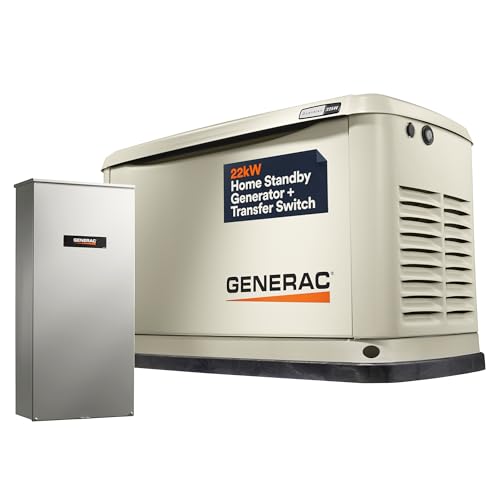
Generac Guardian 22kW Home Generator Transfer Switch WiFi Monitoring

DuroStar DS13000MX 13000-Watt 500cc Dual Fuel Portable Generator

Westinghouse 18000 Peak Watt Tri-Fuel Home Backup Portable Generator

Jackery HomePower 3600 Plus Portable Power Station 3600W AC Output

Westinghouse 28000 Peak Watt Tri-Fuel Home Backup Portable Generator

Generac Guardian 14kW Home Standby Generator 100 Amp Transfer Switch
More Details On Our Top Picks
For apartments, townhomes, and homes that only need essentials alive, this Jackery keeps things simpler than a fuel-burning generator. The 2042Wh battery pack and 2200W AC output give you a clean way to run routers, lights, chargers, and smaller kitchen gear during a cut in service.
The LiFePO4 battery, which is lithium iron phosphate, matters because it usually holds up well under repeated charging and daily use habits. USB-C PD at 100W also helps modern laptops and tablets, while the trade-off is that you’re still managing stored energy rather than unlimited runtime.
What We Like
- Battery-based backup keeps indoor use straightforward, with no exhaust or fuel handling.
- 2200W AC output covers a useful slice of home electronics and small appliances.
- USB-C PD 100W suits newer laptops, phones, and work-from-home gear.
- LiFePO4 chemistry is a strong fit for frequent charge cycles.
Points To Note
- Stored capacity is finite, so longer outages call for careful load management.
- Heavier household appliances sit outside the comfort zone of most power stations.
- Solar panel support is optional, so off-grid recharge planning takes extra thought.
Feature Rundown
Who It Suits Best
Space-conscious homeowners and renters who want quiet backup for core electronics will get the most from this one.
Where A Sibling Pick Shines
Jackery HomePower 3600 Plus Portable Power Station 3600W AC Output suits households that want more stored capacity and solar-panel support for longer interruptions.
This Oxseryn lands in a useful middle lane for homes that need more than a small power station but don’t want to jump straight to a whole-house install. The inverter design usually means steadier power delivery for electronics, and ECO mode helps the engine back off under lighter loads.
It fits best for garages, tool sheds, and backup circuits that only need a few essentials online at once. The open-frame layout keeps it straightforward, though that style is typically bulkier and a touch less refined than the enclosed look of a compact inverter station like the Jackery units above.
Highlights
- 4400 watts gives you a wider cushion for mixed household loads.
- Inverter output is a friendlier match for electronics than a basic generator build.
- ECO mode can help reduce engine strain during lighter demand.
- RV-ready setup adds flexibility for travel and cabin use.
Room For Improvement
- Open-frame construction usually takes up more visual and physical space.
- Gas-only operation means fuel storage and refills stay part of ownership.
- Home backup use still depends on the right transfer setup.
Details At A Glance
Who Should Grab It
Households that want a fuel-powered backup option for a small number of circuits will find the balance appealing.
Skip It When
Jackery Explorer 2000 v2 Portable Power Station 2042Wh 2200W AC Output is the better match for quiet indoor backup and lighter electronics use.
Once a home starts leaning toward whole-house backup, this Generac makes a lot more sense than portable alternatives. The 22kW output and automatic transfer setup are aimed at households that want power restoration to feel closer to a normal utility handoff than a manual workaround.
WiFi monitoring is handy because it lets you keep an eye on the unit without standing outside in rough weather, which matters more than people expect during long storm seasons. Natural gas or propane compatibility gives you fuel flexibility, but the trade-off is that this is a true installation project, not a plug-and-play box.
Reasons To Buy
- 22kW output suits larger homes with more simultaneous demand.
- Automatic transfer helps the backup system feel seamless.
- WiFi monitoring supports easier status checks from inside the house.
- Natural gas and propane compatibility broadens installation options.
Minor Gripes
- Installation is more involved than portable backup gear.
- Fuel hookup decisions need planning before the unit ever starts.
- The system makes the most sense for fixed-home ownership, not casual relocation.
Core Details
Built With In Mind
This fits homeowners who want a permanent backup system and prefer automatic operation over rolling a unit out by hand.
Reach For A Different Pick When
DuroStar DS13000MX 13000-Watt 500cc Dual Fuel Portable Generator suits households that want substantial output without moving into a fixed installation.
The DuroStar sits between the smaller inverter class and the fixed home standby units, which makes it useful for homeowners who want serious output without committing to a permanent install. Dual fuel support means you can choose gas or propane, a practical benefit during storm prep when one fuel may be easier to store than the other.
Remote electric start is a real convenience when the generator sits outside in bad weather or on the far side of the garage. The honest read is that its size and fuel appetite make it better for prepared households than for anyone hoping for a light, quiet backup solution.
Upsides
- 13000-watt output gives you strong room for household essentials and beyond.
- Dual fuel operation adds flexibility for outage planning.
- Remote electric start reduces the hassle of getting it going.
- Transfer-switch readiness fits serious backup setups.
Worth Noting
- Weight and footprint call for a proper storage spot.
- Fuel handling is part of the routine, so upkeep takes planning.
- Open portable design is less discreet than an installed standby unit.
Feature Snapshot
Who Will Love This
Families that want a powerful portable backup unit for outage prep and occasional RV use will get the most value here.
Another Choice May Suit
Generac Guardian 14kW Home Standby Generator with 100 Amp Transfer Switch suits households that want a permanent automatic backup setup.
This Westinghouse model is built for households that like options, because tri-fuel support can take gas, propane, or natural gas. That flexibility becomes especially useful during long outages, when one fuel source may be easier to access than the others.
Remote electric start helps keep things manageable, and the transfer-switch-ready design makes it a more serious backup candidate than smaller portable units. The CO sensor adds an important layer of caution, though you still need sensible placement and normal outdoor generator habits to keep operation sensible.
Best Bits
- Tri-fuel design gives you more ways to keep the unit running.
- Remote start saves you from repeated pull-start effort.
- Transfer-switch readiness works well for home backup planning.
- CO sensor adds a useful layer of household awareness.
Softer Spots
- Tri-fuel flexibility helps most when you’ve already planned fuel storage.
- Bigger backup units still need clear outdoor space and routine maintenance.
- It’s more involved than a battery station for short outages.
Quick Facts
Best Suited To
Homeowners who want a fuel-flexible portable backup unit for larger essentials and storm prep will appreciate the setup.
Where Shoppers Go Wrong
Jackery HomePower 3600 Plus Portable Power Station 3600W AC Output is the cleaner fit for indoor-friendly backup without fuel storage.
This Jackery leans hard into serious home backup without crossing into fuel-generator territory. The package includes two 200W solar panels, so you’re looking at a more self-sustaining setup for outages, cabins, and long weekends away from grid power.
Its 3600W AC output and 3584Wh battery size give it more breathing room than the smaller power station earlier in the list. Expansion up to 21kWh is the standout detail, though the trade-off is that building that kind of system takes more money and more planning than a simple portable unit.
Standout Traits
- 3600W AC output supports a wider spread of home essentials.
- 3584Wh battery capacity gives you a large built-in reserve.
- Two 200W solar panels add charging flexibility.
- Expandable design suits households that want room to grow.
Areas To Watch
- Expansion brings more setup decisions and more upfront planning.
- Solar panels take space, especially in smaller storage areas.
- It remains a stored-energy system, so runtime still depends on load size.
Key Specs
The Right Fit
This suits homeowners who want a cleaner, quieter backup setup with room to scale over time.
Swap It Out When
Westinghouse 28000 Peak Watt Tri-Fuel Home Backup Portable Generator fits bigger load demands better when you want fuel-powered capacity instead.
Among portable generators in this list, this Westinghouse pushes hardest into high-output territory. That makes it a strong match for larger homes, heavier appliance loads, and outage situations where several rooms need to stay active at once.
The tri-fuel setup gives you gas, propane, or natural gas, which is useful when one fuel source is easier to secure than the others. The size and output bring more convenience, but they also bring more storage responsibility and a bigger footprint than the smaller Oxseryn or DuroStar picks.
Bright Spots
- 28000 peak watts offers substantial headroom for demanding home use.
- Tri-fuel operation gives you meaningful flexibility.
- Remote electric start simplifies startup in rough weather.
- Transfer-switch readiness supports a more complete backup setup.
Small Caveats
- Large-capacity gear usually needs more storage space and planning.
- Fuel management is still part of the ownership routine.
- It makes more sense for serious backup needs than casual emergencies.
At A Glance
Whose Shelf It Belongs On
This belongs with households that want very strong portable backup and have the space to store it.
Look Elsewhere When
Generac Guardian 14kW Home Standby Generator with 100 Amp Transfer Switch suits homes that want an automatic fixed system instead.
This 14kW Generac is the most clearly “set it and let it work” option in the list. The 100 amp transfer switch and automatic whole-house backup behavior are aimed at households that want the system to take over without a lot of manual attention.
WiFi-enabled monitoring helps you keep tabs on the unit from inside the home, which is useful during storms or travel. Natural gas and liquid propane support also gives you flexibility, though the real commitment here is the fixed installation rather than the fuel list.
Strong Points
- Automatic backup behavior suits hands-off household planning.
- 100 amp transfer switch supports a proper home integration.
- WiFi capability makes routine checks more convenient.
- Natural gas or propane compatibility adds install flexibility.
Honest Caveats
- Fixed installation makes this a more involved project.
- It fits permanent-home use better than casual relocation.
- Setup decisions matter more than they do with portable units.
Core Details
Made For
Homeowners who want fixed, automatic backup for storms and outages will get the most from this unit.
Where Shoppers Go Wrong
Jackery Explorer 2000 v2 Portable Power Station 2042Wh 2200W AC Output is the better choice for light, portable backup and easier storage.
How To Choose The Right Standby Generators For Home Use
Start With The Loads You Actually Need
The first decision is output, because backup power that looks impressive on paper can still feel small once the refrigerator, sump pump, and network gear all start up together. Portable stations such as the Jackery Explorer 2000 v2 suit lighter essentials, while the Generac Guardian 22kW or Westinghouse 28000 Peak Watt unit gives you far more room for simultaneous demand.
Think in terms of habits, not just appliance labels. A home office plus a fridge needs a different setup than a house that wants HVAC support, kitchen use, and lighting at the same time.
Match Fuel And Maintenance To Your Routine
Gas, propane, and natural gas each bring their own trade-offs. Fuel-powered units can run longer and handle bigger loads, but they also ask for storage, refills, and routine maintenance, while battery stations stay cleaner and quieter with less day-to-day fuss.
For a busy household, that difference matters as much as wattage. You’ll usually feel it most during a long outage, because the simpler system is the one you can keep using without extra hassle.
Decide Between Portable And Fixed Backup
A portable generator or power station makes sense when flexibility matters more than automatic coverage. Fixed standby units, like the Generac Guardian 14kW and 22kW models, fit homes that want the backup system to take over with less manual work.
Installation is the dividing line. Portable options stay easier to move and store, but a hardwired standby unit tends to be the more seamless answer for a house that depends on regular outage protection.
A Quick Reality Check
Common Shopping Slip Ups
Many people chase wattage first and forget about transfer-switch fit, fuel access, or storage space. That can leave a generator that sounds powerful but doesn’t match the house it’s meant to support.
Another miss is choosing a portable unit for a load pattern that really wants automatic whole-home coverage. A smaller power station or inverter generator is useful, but it won’t behave like a fixed standby system.
Where The Extra Money Goes
Higher-tier models usually cost more because they bring more output, easier startup, smarter monitoring, or a permanent installation setup. The Westinghouse tri-fuel units, for example, earn their place through fuel flexibility and high output, while the Generac standby models add automatic transfer and home integration.
That upgrade pays off when power loss is more than an inconvenience. For homes with sensitive electronics, larger appliance loads, or frequent outages, the extra spend often buys less stress.
Frequently Asked Questions
What size standby generator suits a small home?
A smaller home often does well with a battery station or a modest inverter generator for essentials. The Jackery Explorer 2000 v2 is a sensible starting point for light backup needs.
Is a portable generator enough for home backup?
It can be, especially for refrigerators, internet gear, and a few lights. For whole-house support, a fixed standby model fits better.
What does transfer switch ready mean?
It means the generator is designed to work with a transfer switch for cleaner connection to home circuits. That matters because it helps separate utility power from backup power.
Why choose tri-fuel over gas only?
Tri-fuel units give you more freedom during an outage because you can use gas, propane, or natural gas. That flexibility helps when one source is easier to store or access.
Are battery power stations useful for outages?
Yes, especially for quiet indoor backup and electronics. They work best for shorter interruptions or reduced loads, not whole-house service.
Closing Thoughts
Your best match depends on how much of the house you want to keep running, how much fuel handling feels reasonable, and whether you want a portable setup or a fixed one. The Jackery options suit quieter, lighter backup, while the Generac standby models make more sense for households that want automatic whole-home support. Portable fuel units sit in the middle and offer a strong compromise for many homes. Pick the level of effort you’ll actually live with, and the right backup choice gets much clearer.
