

Power outages feel very different once you rely on a freezer full of food, a sump pump, or a home office that can’t go dark for long. These seven picks cover a wide spread, from compact inverter units for lighter backup loads to whole-house standby systems built for heavier household demands. You’ll also see where diesel makes sense, where dual-fuel flexibility helps more, and where a battery station may be the calmer choice. That mix matters, because the right backup setup depends on your home, your space, and how often outages tend to show up.
Quick Look At The Shortlist

Oxseryn Power Equipment 4400 Watts Inverter Generator

Champion Power Equipment 4000-Watt Dual Fuel Portable Inverter Generator

DuroStar DS13000MX 13,000-Watt 500cc Dual Fuel Portable Generator

Westinghouse 18000 Peak Watt Tri-Fuel Home Backup Portable Generator

Jackery HomePower 3600 Plus Portable Power Station
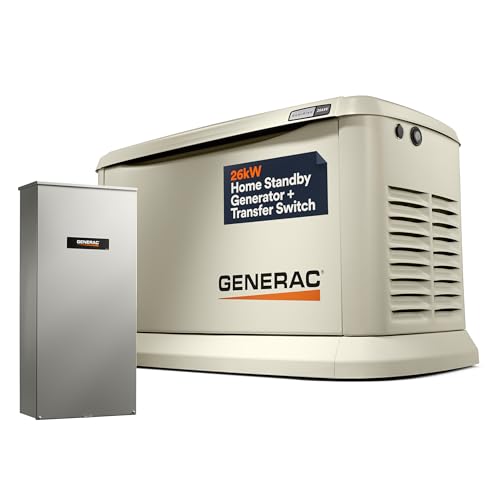
Generac Guardian 26kW Home Standby Generator

Generac 6864 XD5000E 5000-Watt Diesel-Powered Portable Generator
More Details On Our Top Picks
Oxseryn’s 4,400-watt inverter setup sits in the lighter end of this roundup, which makes it easier to picture beside a garage, patio, or tight storage area. ECO mode trims engine demand during lighter loads, and that tends to matter for household basics like phones, lights, and a few small appliances.
The open-frame layout keeps the design straightforward, though it does mean you’re choosing function over polish. For homes that want backup without jumping straight to a giant standby machine, this feels like a sensible middle step, especially compared with the heavier DuroStar and Westinghouse units.
What We Like
- ECO mode can help the unit stay calmer under lighter household loads.
- Open-frame construction keeps the footprint more manageable than bulkier whole-house models.
- Portable design suits storage in a shed, garage, or utility corner.
- Works as a practical backup choice for short outages and modest essentials.
Points To Note
- It fits lighter backup needs better than heavy whole-home duty.
- Open-frame styling usually means more sound and exposure than enclosed units.
- Fuel handling and outdoor placement still require regular upkeep and common-sense storage.
Feature Rundown
Who It Suits Best
Households that want a compact emergency backup option for shorter outages will get the most from this pick.
Where A Sibling Pick Shines
Champion Power Equipment 4000-Watt Dual Fuel Portable Inverter Generator suits campers and weekend travelers better, thanks to its dual-fuel flexibility.
After Oxseryn’s simpler open-frame design, this Champion leans more toward quiet, flexible use in camping setups and light home backup. Dual fuel means you can run it on either of two fuel types, which gives you more room to adapt around storage or availability.
That flexibility matters in real life, especially for households that split time between the road and the driveway. It’s a good fit for a garage shelf or RV compartment, though a larger home may want the heavier output from DuroStar or Westinghouse instead.
Highlights
- Dual-fuel operation adds useful flexibility for home backup and travel.
- Quiet-leaning inverter design is friendlier around campsites and close neighbors.
- RV-ready setup broadens the use case beyond emergency storage.
- Compact enough to make sense for smaller garages or limited storage zones.
Small Caveats
- Its capacity suits lighter backup needs more than whole-house coverage.
- Fuel-change decisions add a little planning compared with a single-fuel unit.
- Like most portable generators, routine handling and dry storage still matter.
Core Details
Who Will Love This
Travel-minded households and weekend campers will appreciate the flexibility and lighter footprint here.
Another Choice May Suit
Generac Guardian 26kW Home Standby Generator is the stronger fit for homeowners who want permanent, automatic whole-house backup.
DuroStar moves much closer to serious home backup territory than the first two picks. With 13,000 watts, a 500cc engine, remote electric start, and transfer-switch readiness, it’s built for households that want to keep a larger slice of the home running during an outage.
The trade-off is plain: this is less about easy carry and more about real backup muscle. In a home that needs fridge, sump, lights, and a few larger appliances covered, this looks far more capable than Oxseryn or Champion, though it asks for more space and more planning.
Bright Spots
- High output suits larger emergency loads better than compact portable units.
- Dual-fuel operation gives you fuel flexibility during stressful outage periods.
- Remote electric start makes startup easier from a sensible distance.
- Transfer-switch readiness points it toward a more integrated home setup.
- Strong fit for households that want backup beyond a few basics.
Honest Caveats
- Its size and output level place it well above simple weekend-use generators.
- Storage and movement take more effort than smaller inverter units.
- Routine maintenance matters more as engine size and load expectations rise.
Quick Facts
Built With In Mind
Homes that need a stronger portable backup option with a transfer-switch setup will get the most value here.
Look Elsewhere When
Jackery HomePower 3600 Plus Portable Power Station suits indoor-adjacent backup needs better, especially for quieter, battery-based use.
Westinghouse pushes further into large-home backup territory with tri-fuel flexibility, remote electric start, and transfer-switch readiness. Tri-fuel means you can run the generator on gas, propane, or natural gas, which gives you real flexibility depending on your home setup and what’s available during an outage.
That kind of range makes sense for households that don’t want to be boxed into one fuel plan. Compared with DuroStar, this adds one more fuel option, and that can be the deciding factor for a home with a permanent gas line or a propane tank already in place.
Reasons To Buy
- Tri-fuel support gives you the broadest fuel flexibility in this group.
- Remote electric start keeps startup more convenient from outside the house.
- Transfer-switch readiness aligns well with a built-in home backup plan.
- Large peak output suits homes with more demanding outage coverage.
Areas To Watch
- The size and setup needs place it beyond casual portable use.
- Fuel choice is flexible, but the surrounding installation plan still takes thought.
- Storage, handling, and maintenance are easier to overlook than they should be.
Feature Snapshot
Best Suited To
Large households and homes with an existing fuel connection will get the clearest payoff here.
A Better Fit Elsewhere
Generac Guardian 26kW Home Standby Generator is the stronger route for anyone who wants automatic whole-house backup rather than a portable frame.
Jackery takes a different path from the fuel-burning units above, and that shift matters for homes that want a calmer backup setup. The 3,584Wh LFP battery pack, 3,600W AC output, and included 200W solar panels make this feel built for outage support without the usual engine noise and fuel storage chores.
The expandable design is the part that stands out most, because it gives you room to grow toward a much larger stored-energy setup later. For apartments, townhomes, or homes where indoor-friendly backup matters more than raw engine output, this is a very thoughtful alternative to the portable generators in the first half of the list.
Positives
- Battery-based operation avoids fuel handling during an outage.
- Included solar panels add charging flexibility in the real world.
- LFP chemistry, or lithium iron phosphate, is valued for stable long-cycle backup use.
- Expandable storage gives the system a longer upgrade path.
- Indoor-friendly behavior suits homes that need quieter emergency power.
Things To Consider
- Battery backup works differently from a fuel generator, so load planning matters.
- The upfront system shape is more specialized than a basic portable generator.
- Solar charging depends on sunlight conditions and placement.
Details At A Glance
The Right Fit
Homes that want quieter, fuel-free backup for essentials and device charging will get the best match here.
Reach For A Different Pick When
Generac Guardian 26kW Home Standby Generator fits whole-house protection better for households that want an automatic standby system.
This is the most fully planted option in the lineup, and that shows in the way it’s built around automatic whole-house backup. The 200 amp transfer switch, WiFi enabled monitoring, and natural gas or liquid propane fueling make it a strong fit for homes that want the backup system to feel integrated rather than improvised.
Compared with the portable picks above, this is less about moving gear around and more about having the house recover on its own. For families who live through storm seasons or want a permanent answer instead of a temporary one, this is the clearest long-term style match in the group.
Best Bits
- Automatic whole-house backup takes pressure off during outages.
- 200 amp transfer switch supports a serious home integration plan.
- WiFi monitoring adds useful visibility from a distance.
- Dual fuel support broadens installation and fuel planning options.
- Permanent standby style suits homes that face repeated outages.
Softer Spots
- The permanent setup will matter more than simple plug-and-play convenience.
- Space, placement, and installation planning become part of the decision.
- It makes sense for houses, not for light portable use.
Core Details
Who Should Grab It
Homeowners who want permanent standby backup with automatic behavior will find the best match here.
Swap It Out When
Jackery HomePower 3600 Plus Portable Power Station suits smaller households that want indoor-friendly emergency backup without a full installation.
Generac’s XD5000E closes the list with a diesel-powered, work-ready feel that suits both emergency backup and demanding jobsite use. At 5,000 watts, it sits well below the giant standby machine above, but the diesel format gives it a different kind of appeal for households that already think in terms of fuel storage and rugged use.
That makes it a more specialized option than the Westinghouse or DuroStar picks. For a garage, workshop, or home that needs dependable portable backup with a tougher edge, it has a straightforward purpose and doesn’t pretend to be a full-house standby replacement.
Positives
- Diesel power suits users who prefer that fuel format for backup and work.
- Portable build gives you movement across home, garage, and site use.
- 5,000 watts is enough for a focused set of essentials or tools.
- CARB compliant status helps the listing fit stricter-use environments.
Room For Improvement
- It serves as portable backup, not automatic standby coverage.
- Diesel ownership usually means you need to stay on top of fuel storage and upkeep.
- The 3.6-star average on the listing suggests the fit may be more selective than the stronger-rated picks above.
Feature Card
Whose Shelf It Belongs On
Homeowners with workshop needs or diesel-friendly backup plans will get the best use out of this model.
Not Your Match When
Generac Guardian 26kW Home Standby Generator is the better fit for anyone who wants automatic whole-house coverage instead of a portable diesel unit.
How To Choose The Right Standby Diesel Generators For Home Use
Match Output To The Loads You Actually Care About
Generator wattage matters most when you tie it to real household tasks. A fridge, lights, modem, and a few outlets need far less than central air or a well pump, so a 4,000 to 5,000-watt portable unit belongs in a very different conversation from a 13,000-watt or 26kW standby system. Standby generators are often sized around whole-house demand, while smaller portables are better at keeping essentials alive without taking over the yard.
You also want to think in startup surges, not only steady draw. Motors and compressors ask for more power at the moment they start, which is why the headroom on larger systems matters so much in a real outage.
Choose The Fuel Path That Fits Daily Life
Diesel makes sense for some homes because it pairs well with rugged use and familiar storage routines, yet gas, propane, and natural gas are easier fits for many suburban setups. Dual-fuel and tri-fuel options bring flexibility, which can be handy during long outages or in homes that already keep one fuel source on hand. Battery stations skip fuel handling entirely, but they ask you to think about charging capacity instead.
The honest read is that fuel choice shapes maintenance as much as convenience. If you want the least fuss during a storm season, a permanent standby model with a home fuel line can feel much calmer than a portable unit that needs refilling and relocation.
Decide Whether Portable Or Permanent Makes More Sense
Portable generators suit homes that want flexibility, easier storage, or a backup plan for occasional outages. Permanent standby units cost more and need installation, but they can start on their own and carry more of the home without manual setup. That difference becomes huge during night outages, travel, or storm cleanup, when moving equipment feels like one chore too many.
For many households, the right answer sits between those extremes. A portable unit covers the basics, while a standby model becomes the better long-term fit once outages are frequent or the home carries heavier electrical needs.
Check Convenience Features Before You Commit
Remote start, transfer-switch readiness, WiFi monitoring, and ECO mode all change the ownership experience in practical ways. Remote start saves steps, transfer-switch support makes a home connection cleaner, and WiFi helps you keep an eye on status without walking outside in bad weather. ECO mode helps smaller loads feel less wasteful, which matters more in everyday backup use than many specs sheets admit.
These details do not replace capacity, but they shape how easy the machine is to live with. A generator that fits your home and your routine will always feel better than a larger unit that sits awkwardly in storage or needs too much setup.
Things Worth Knowing First
Common Shopping Slip Ups
One common mistake is treating every generator like a whole-house answer. A smaller portable unit can be a smart backup choice, but it won’t cover the same appliances as a standby system with a transfer switch.
Another miss is overlooking fuel storage and placement. Diesel, gas, and propane each ask for a different kind of upkeep, and that practical detail matters more than shiny features.
Where The Extra Money Goes
Higher-tier models usually cost more because they bring larger engines, heavier output, transfer-switch support, and more complete home integration. You also pay for conveniences like automatic startup, WiFi monitoring, or multi-fuel support, which matter more once a generator becomes part of your home plan.
That upgrade is worth it for storm-prone homes, larger families, and anyone who wants less manual work during outages. For occasional backup, a smaller portable unit can still be the smarter, calmer spend.
Frequently Asked Questions
Can a portable generator replace a standby unit?
A portable generator can cover essentials, but it does not behave like a permanent standby system. The difference shows up most during long outages, where automatic whole-house backup brings far less hassle.
Is diesel a good choice for home backup?
Diesel can work well for rugged backup use and certain storage habits. The trade-off is that you need to stay more deliberate about fuel care and maintenance.
What size generator fits a typical home?
Small homes may only need a compact unit for lights, refrigeration, and device charging. Larger homes with central systems usually need far more output, often in the standby range.
Are battery stations enough for outages?
Battery stations are strong for quiet, indoor-friendly backup and electronics. They are less suited to heavy loads unless the system is sized and expanded with care.
Why does transfer-switch readiness matter?
A transfer switch helps connect generator power to the home more cleanly and safely through the proper setup. It also makes backup operation feel more like part of the house and less like a temporary workaround.
Closing Remarks
For standby diesel generators for home use, your best choice depends on how much of the house you want to keep alive and how hands-on you want the backup process to be. The Generac Guardian 26kW stands out for permanent whole-house protection, while the DuroStar and Westinghouse models give you serious portable output with more fuel flexibility. Jackery takes the quieter route, and the smaller Oxseryn and Champion units make sense for lighter backup needs. Choose the machine that fits your outage pattern, your space, and your tolerance for setup, and you’ll feel much better when the lights go out.
