

Solar-powered cameras make the most sense when you want perimeter coverage without running cable across a driveway, garage, or back fence. You still need the right fit, though, because solar panel style, storage option, motion detection logic, and viewing range change the whole experience. This roundup focuses on practical setups for busy homes, small farms, and anyone who wants fewer charging chores.
The Shortlist At A Glance
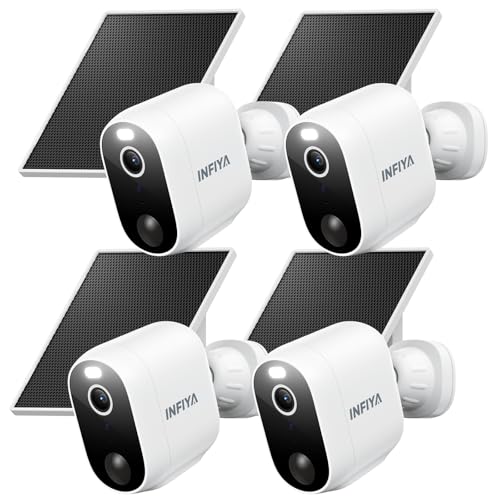
INFIYA Security Cameras Wireless Outdoor 4Pack
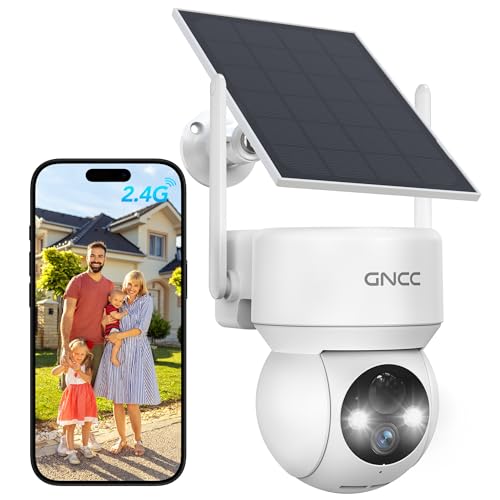
GNCC Solar Security Cameras Wireless Outdoor 2.4G WiFi

SeeVision Solar Security Cameras Wireless Outdoor 2K PTZ WiFi

GALAYOU Solar Camera Outdoor Wireless R6 1Pack

Anona 4K Solar Security Cameras Wireless Outdoor 4 Pack

Cinnado Security Cameras Wireless Outdoor S1 4Pack
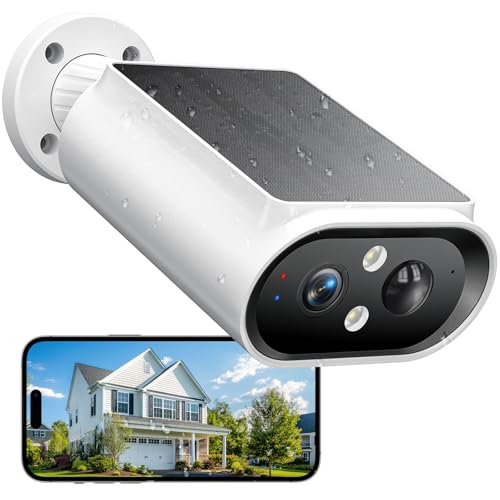
AlkiVision Solar Security Cameras Wireless Outdoor 2K
More Details On Our Top Picks
Four cameras in one kit change the math for a front walk, back gate, and side entry. The solar-and-battery setup trims routine charging, while AI human detection and instant alerts help separate people from everyday motion. That mix suits busy homes that want coverage without building a complicated system.
Color night vision, a siren, light response, two-way talk, SD storage, and 2.4G Wi-Fi give you a full feature set without leaning on a hardwired install. The trade-off is that four-camera bundles take more planning, so mounting and Wi-Fi placement matter. You may find it especially useful where one camera would leave blind spots.
Strong Points
- Four-camera layout covers several zones at once.
- Solar support cuts down on charging chores.
- Human detection helps narrow routine motion noise.
- Two-way talk adds practical front-door interaction.
- SD storage gives you local recording control.
Things To Consider
- Four units mean more placement decisions up front.
- 2.4G Wi-Fi only can limit network matching.
- SD storage asks for occasional card management.
Feature Snapshot
Who It Suits Best
It fits homeowners who need multi-point coverage and want a single bundle instead of assembling cameras one by one.
A Better Fit Elsewhere
SeeVision Solar Security Cameras Wireless Outdoor 2K PTZ WiFi suits you better when a smaller, more actively steered setup matters more than a four-camera spread.
GNCC leans into wide-area coverage, which makes sense for driveways and open yards where fixed framing can feel limiting. The 360-degree design gives you a broader sweep than the more static INFIYA bundle, and the spotlight plus siren adds visible deterrence behavior. In a larger outdoor zone, that combination usually matters more than packed feature lists.
PIR motion detection, or passive infrared sensing, helps the camera react to heat movement instead of pure scene change, and IP65 weather resistance supports outdoor placement in exposed spots. The trade-off is that PTZ-style coverage works best when the mount position is chosen carefully. You may find it best for spaces where one camera has to do the work of several.
Highlights
- 360-degree coverage reduces blind spots.
- Spotlight and siren support active deterrence.
- PIR sensing is useful in busy outdoor areas.
- SD and cloud storage give you flexibility.
- IP65 rating suits weather-exposed mounting points.
Points To Note
- Broad coverage depends on thoughtful placement.
- Cloud access can add account management.
- Moving parts usually need a little more care than fixed-angle cameras.
Details At A Glance
Whose Shelf It Belongs On
It suits you best when a large yard, driveway, or open side lot needs wide coverage from a single mount point.
Another Choice May Suit
INFIYA Security Cameras Wireless Outdoor 4Pack is the cleaner match for homes that need several smaller coverage points instead of one sweeping view.
PTZ, meaning pan, tilt, and zoom control, gives SeeVision a more active role than the fixed-angle INFIYA setup and the broader GNCC view. That matters in a driveway or patio where you want to steer the frame without walking outside. The 2K label signals a sharper video tier than basic HD, and the 3MP listing points to its capture class.
Spotlight support, PIR motion detection, siren, color night vision, two-way talk, and SD or cloud storage make it a hands-on option for homes that want live interaction as much as recording. The honest read is that this style rewards users who check the app and adjust framing now and then. For most porches and side yards, that extra control feels worth it.
Best Bits
- PTZ control lets you adjust the field of view.
- 2K capture gives you a stronger detail tier.
- Two-way talk helps with quick doorstep exchanges.
- SD and cloud storage cover two record-keeping styles.
- Spotlight and siren add active response tools.
Room For Improvement
- PTZ features work best with occasional app attention.
- More moving control can mean more setup thought.
- Indoor and outdoor wording in the listing may need a close look before placement.
Core Details
Built With In Mind
It suits you best if you want steerable monitoring for a porch, patio, or driveway and don’t mind a more hands-on camera style.
Swap It Out When
GNCC Solar Security Cameras Wireless Outdoor 2.4G WiFi is the better match when you want broader fixed coverage with less day-to-day adjustment.
A single-camera design makes GALAYOU easier to place than the larger bundles above, especially for a garage corner or a fence line that only needs one watch point. The detachable solar panel is the practical detail here, because it gives you more freedom in where the camera sits versus where the panel gets sun. That split can matter a lot on shaded walls.
2K video, color night vision, and SD or cloud storage round it out without pushing the setup into a more complex category. The trade-off is simple, one camera means narrower coverage, so placement has to be deliberate. For a side entrance or a narrow farm lane, that restraint can actually work in your favor.
Upsides
- One-camera format keeps installation straightforward.
- Detachable solar panel gives placement flexibility.
- 2K video fits practical everyday monitoring.
- Color night vision helps after dark.
- SD and cloud storage broaden your recording options.
Small Caveats
- Single-camera coverage suits smaller zones better.
- Detached panel mounting adds one extra step.
- 2.4G Wi-Fi only may narrow compatibility.
Quick Facts
Right Fit For
It suits you best when one focused camera is enough for a gate, garage, or narrow exterior run.
Look Elsewhere When
INFIYA Security Cameras Wireless Outdoor 4Pack fits better for homes that need broader multi-zone coverage instead of a single point watch.
Anona sits at the high-detail end of this roundup, with 4K and 8MP both pointing to a sharper capture tier than the 2K models above. The 24/7 AOV recording claim matters because always-on video changes how much context you keep around motion events. That’s useful for long driveways, delivery areas, and places where short clips miss too much.
No monthly fees and easy setup keep the package from feeling overly complex, while AI detection, IP67 weather resistance, and a solar panel add the usual outdoor conveniences. IP67 means a tighter dust and water protection class than simpler outdoor ratings, so it suits harsher exposure better. The trade-off is that higher-detail systems usually ask for more storage planning and a bit more bandwidth attention.
Positives
- 4K and 8MP point to high-detail capture.
- 24/7 recording keeps fuller context around events.
- AI detection helps organize motion alerts.
- IP67 support suits harsher outdoor placement.
- No monthly fees keeps ownership simpler over time.
- Four-camera pack covers several areas at once.
Areas To Watch
- Higher-detail footage can ask more from storage planning.
- Always-on recording may require closer attention to system settings.
- Four units still need a careful install plan.
Feature Rundown
The Right Fit
It suits you best if you want a higher-detail, multi-camera setup for demanding outdoor coverage.
Reach For A Different Pick When
Cinnado Security Cameras Wireless Outdoor S1 4Pack is easier to live with when you want a simpler solar panel approach and less emphasis on maximum capture detail.
Cinnado is built around an integrated solar panel, and that keeps the install cleaner than the detached-panel GALAYOU setup. For a yard or garage wall, fewer separate parts usually mean less fiddling during placement. The 4-pack format still gives you the wide spread that smaller single-camera kits cannot match.
2K video, two-way talk, siren support, and cordless mounting make it a straightforward outdoor system for everyday use. The catch is that all-in-one solar hardware can be more dependent on where the camera sits relative to available sun. In a shaded side yard, that matters more than the spec sheet suggests.
Reasons To Buy
- Integrated solar panel simplifies the install.
- Four cameras widen coverage across the property.
- 2K capture is a sensible detail tier.
- Two-way talk adds practical communication.
- Cordless mounting helps placement in flexible spots.
Softer Spots
- Integrated panel placement depends on sunlight.
- Four-camera kits still take planning to balance coverage.
- 2.4G Wi-Fi only may not suit every network layout.
Feature Card
Who Should Grab It
It suits you best if you want a tidy four-camera outdoor setup without separate solar panel hardware to position.
Where A Sibling Pick Shines
GALAYOU Solar Camera Outdoor Wireless R6 1Pack fits better for a shaded spot that benefits from placing the panel apart from the camera.
AlkiVision pulls together a familiar outdoor feature set, but the 360-degree view gives it a more adaptable edge than the fixed-angle Cinnado pack. AI motion detection, spotlight support, siren, and two-way audio make it useful for gates and corners where a wider watch line matters. The IP67 rating also points to a tougher outdoor shell than lighter-weather models.
SD and cloud storage keep recording options open, and color night vision helps preserve context after dark. The trade-off is the usual one for broad-view cameras, placement decides a lot, and the mount position will shape how much of that 360-degree coverage you actually use. For porches and boundary corners, that flexibility can be the main attraction.
Positives
- 360-degree viewing helps cover corners and gates.
- AI motion detection reduces routine alert clutter.
- Two-way audio supports quick interaction.
- IP67 protection suits tougher outdoor exposure.
- SD and cloud storage keep recording options open.
Minor Gripes
- Broad coverage still depends on careful mounting.
- Full benefit comes from a thoughtful app setup.
- Cloud use can add another account layer.
Technical Sheet
Perfect Match For
It suits you best if you want a wide-view solar camera for corners, gates, or perimeter areas that need flexible framing.
Where Shoppers Go Wrong
INFIYA Security Cameras Wireless Outdoor 4Pack is the stronger match for homes that need several separate camera points rather than one broad view.
How To Choose The Right Solar Wireless Security Cameras
Power Setup Matters More Than The Label
Solar support sounds simple, but panel placement drives the whole experience. A detached panel can help on shaded walls, while an integrated panel keeps installs tidier and easier to manage. You want enough sun exposure for daily upkeep to stay invisible, not a routine chore.
Match Coverage To The Property Shape
A four-pack makes sense for a home with separate entry points, while a 360-degree camera works better in a broad yard or driveway. PTZ models add steering control, which helps when one mount needs to cover several angles. Fixed-angle cameras stay simpler, and that simplicity is useful in smaller spaces.
Storage And Alerts Change Daily Use
SD storage keeps footage local, while cloud access adds remote convenience and a different kind of record keeping. AI human detection and PIR motion sensing reduce common motion noise, but they work best when the camera is aimed cleanly at the area that matters. Spotlight and siren features are most useful where you want a visible response, not just a silent clip.
Think About Weather And Maintenance
Outdoor cameras live harder lives than indoor ones, so IP65 or IP67 protection matters in exposed spots. Integrated solar designs usually need less hardware juggling, while detachables give more mounting freedom but add one more part to secure. For garages, farm lanes, and side yards, that trade-off often decides the right pick.
A Quick Reality Check
Common Shopping Slip Ups
A lot of setups fail because the camera count matches the house size badly. A single camera can look neat on paper, then leave a driveway or back path uncovered. Network band support matters too, since many of these models use 2.4G Wi-Fi only.
What The Higher Tier Buys
Higher-end models usually pay for sharper video, wider coverage, and recording that captures more context around motion. You’re also paying for extra hardware or software layers, such as PTZ movement, stronger weather protection, or always-on recording. That upgrade makes sense for larger properties and places where detail matters after dark.
Frequently Asked Questions
Do solar wireless cameras still need charging?
Yes, they still rely on battery storage, even with solar support. The panel reduces how often you need to think about charging.
Is 2.4G Wi-Fi enough for these cameras?
Yes, for many homes it’s the common fit. It usually helps with range, though it won’t suit every network setup.
What storage style works better, SD or cloud?
SD storage keeps footage local and straightforward. Cloud storage adds remote access and another place to keep recordings.
Are PTZ cameras harder to use?
They can be a little more hands-on because the view is adjustable. That extra control helps when you want to steer coverage around a larger area.
Which camera style works best for a yard with many angles?
A 360-degree camera or a multi-camera bundle usually fits that kind of layout. PTZ also helps when one mount needs to cover several directions.
Final Thoughts
Solar wireless cameras work best when you match the hardware to the property, not the other way around. A four-pack suits split coverage, a PTZ camera suits active control, and an integrated-panel model keeps the install clean. The strongest choice for you comes down to where the sun hits, how many angles matter, and how much detail you want after dark. Choose for the layout you live with every day, and the system will feel easier from the start.
