

Solar tiles cover a strange but useful range, from low-profile pathway lighting to rigid panels and deck surfaces. That spread matters for you, because the right pick depends on whether you want safer steps, a more visible driveway edge, a DIY power source, or a patio surface that snaps together without tools. The list below focuses on fit, build details, and the kind of day-to-day use each item suits best. A few choices are decorative, others are strictly functional, and that mix is the point.
Quick Look at the Shortlist
Lacasa Solar Deck Lights Outdoor Waterproof LED 4 Pack

JJN Bifacial 400 Watt Solar Panels 2 PCS 200 Watt

MLKNK Solar Brick Lights Outdoor 3 Pack

MLKNK Solar Brick Lights Outdoor 3 Pack
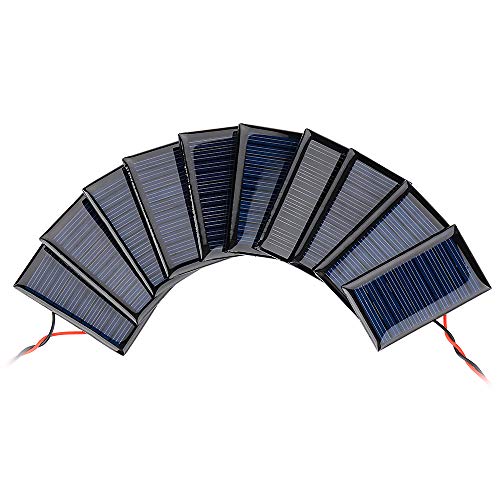
10Pcs 5V 30mA Mini Solar Panels 2.08 x 1.18 in
VOLISUN Solar Driveway Deck Dock Marine Lights 4 Pack

GREEN ALLUVIUM Acacia Wood Interlocking Deck Tiles 9 PCS
More Details On Our Top Picks
Lacasa leans into low-profile lighting, which makes sense for steps, decks, and narrow pathways where bulk gets in the way. The square format and 4000K white light point to a clean, neutral look rather than a warm decorative glow, so the effect stays useful instead of flashy.
For busy kitchens outside, porch landings, or a dock edge that needs clearer footing, that restraint helps. The trade-off is simple, it’s a lighting aid first and a decor piece second, so you’re choosing function over drama.
What We Like
- Water-resistant outdoor build suits exposed spots better than indoor-only accent lights.
- 4000K light reads crisp and easy to place along steps or walkway edges.
- The compact shape fits tighter runs where larger fixtures would crowd the surface.
- Solar-powered operation keeps the setup straightforward for routine yard use.
Points To Note
- Output looks geared toward guidance, not broad-area illumination.
- Placement matters, because shaded mounting spots can limit charging.
- The look is restrained, so it may feel plain in decorative garden builds.
Feature Snapshot
Who It Suits Best
You benefit most here if you want tidy path lighting for a deck, dock, or entry step and care more about clear placement than decorative flair.
Where A Sibling Pick Shines
VOLISUN Solar Driveway Deck Dock Marine Lights 4 Pack suits you better when you want a driveway marker with dual-color output instead of Lacasa’s single-purpose step-light approach.
JJN moves out of accent lighting and into actual solar power generation, so the priorities change fast. Bifacial panels collect light from both sides, which can help in reflective settings like a bright rooftop, a pale ground surface, or a setup with room for light bounce.
The monocrystalline cell type is the conventional high-efficiency route, and the 12V format keeps it relevant for RV, cabin, trailer, and marine systems. The honest read is that this is for people building or expanding a proper power system, not for casual yard decoration.
Highlights
- Bifacial construction gives you another path for light capture in the right environment.
- Monocrystalline cells suit compact installs where output per panel matters.
- 12V compatibility fits common RV and off-grid hardware categories.
- The two-panel pack works well for paired mounting or staged expansion.
- Useful across home, farm, trailer, camper, and marine setups.
Room For Improvement
- Panel installs take planning, mounting gear, and space discipline.
- Bifacial benefit depends on the install surface and surrounding light conditions.
- It’s a serious power component, so it asks more of your system design than a lighting product does.
Core Details
Built With In Mind
You’re in the right lane here if your project involves RV living, cabin backup power, farm equipment, or a modular off-grid setup that needs real generation capacity.
Another Choice May Suit
AOSHIKE 10Pcs 5V 30mA Mini Solar Panels fits you better for hobby work, toy builds, and small DIY circuits where compact parts matter more than system-scale output.
MLKNK takes the decorative route, and the brick shape is what sets the tone. It works best where you want the lighting to feel built into the landscape rather than attached to it, especially along a path, patio border, or backyard walk.
Compared with Lacasa’s more restrained step-light look, this one leans into visual character. That makes it a better fit for surface detail and mood, though you may find it less suited to places where maximum visibility is the main goal.
Reasons To Buy
- Brick-like styling blends into garden decor without looking purely utilitarian.
- Three-pack layout works for a short run or a small accent zone.
- Useful along walkways where you want form and function together.
- Outdoor solar setup keeps cabling out of the way.
Small Caveats
- Decorative focus can matter more than output in this design.
- Dark or shaded placement can reduce charging consistency.
- The compact pack size may not cover a long boundary line.
Details At A Glance
Perfect Match For
You’ll like this most if your yard lighting needs a decorative edge and you want the fixtures to feel like part of the hardscape.
A Better Fit Elsewhere
VOLISUN Solar Driveway Deck Dock Marine Lights 4 Pack suits you better when your main goal is clearer driveway marking with a more purpose-built warning light style.
This second MLKNK listing sits in the same family as item 3, but the practical read is a bit different: you’re still getting brick-style landscape lighting, only the fit depends on how you want the path to feel. For a compact yard, that shared format keeps installation simple and visually consistent.
Compared with the Lacasa lights, this option is less about a crisp step-edge cue and more about decorative continuity. The trade-off is straightforward, so it suits you best when style and spacing matter as much as guide lighting.
Best Bits
- Brick silhouette gives your path a more finished look.
- Three-pack count works well for small grouped placements.
- Good fit for garden borders, walkways, and patio edges.
- Solar format avoids extra wiring across the yard.
Things To Consider
- It shares the same decorative-first profile as item 3.
- Not the strongest match for long runs that need high visibility.
- Outdoor solar placement still depends on steady exposure.
Core Details
Whose Shelf It Belongs On
You’re the right fit here if you want a small cluster of solar accents that blends into a neat yard layout.
Swap It Out When
Lacasa Solar Deck Lights Outdoor Waterproof LED 4 Pack suits you better if your main priority is clear step lighting instead of decorative brick styling.
AOSHIKE moves the category into hobby hardware, and that matters because these are tiny panels for small circuits, toy projects, and classroom-style builds. The measured size is part of the appeal, since compact cells are much easier to fit into models than full-size panels.
The source notes that output figures are measured under strong sunlight, with voltage rising above 5V in full sun. That makes this a parts-bin item rather than a household power source, so it fits tinkerers far better than anyone planning a yard install.
Positives
- Ten-piece count helps when you need several small cells for one project.
- Compact size suits model builds and lightweight DIY electronics.
- 5V, 30mA labeling gives you a clear starting point for circuit planning.
- Small format stores easily in a craft box or project drawer.
Honest Caveats
- These are not meant for large outdoor lighting or power supply jobs.
- Performance depends heavily on direct sunlight and clean placement.
- Small panels can be awkward to wire neatly without patience.
Feature Rundown
Who Will Love This
You’re the right fit here if you build toys, mini gadgets, or simple solar experiments and want small parts that are easy to arrange.
Consider Something Else When
JJN Bifacial 400 Watt Solar Panels 2 PCS 200 Watt is the better route for RVs, cabins, and larger off-grid systems that need real panel output.
VOLISUN is the most purpose-built marker light in this group, and the two-color setup is the key clue. White and blue modes give you more visual options for driveway edges, dock lines, or step borders, so the same fixture can play a few different roles.
Compared with Lacasa, this one feels more active in the scene because the color choice adds a little flexibility. The trade-off is that more modes usually mean more to think about during placement, so it suits you best when visibility and zoning matter more than a plain single-color look.
Standout Traits
- Two-color output gives you more control over the look of the path edge.
- Four-pack count helps cover a short driveway or dock section.
- Ground-light format fits warning and marker use more naturally than wall-style fixtures.
- Waterproof outdoor design suits exposed route edges.
Areas To Watch
- More modes can mean more decision-making during setup.
- Marker-style lights are about guidance, not broad lighting.
- As with most solar ground lights, charging depends on good exposure.
Feature Card
Who Should Grab It
You’ll get the most from this set if you need clear edge marking for a driveway, dock, or path and want more than a single light color.
A Better Fit Elsewhere
Lacasa Solar Deck Lights Outdoor Waterproof LED 4 Pack is the simpler pick for you if you want a more understated, single-color step light.
This is the only true surface upgrade in the group, so the use case shifts from lighting and power to floor coverage. Acacia wood gives the tiles a warmer, more finished look than bare concrete, and the interlocking design is the reason they matter for quick layout changes.
The 12-inch size, 9-square-foot coverage, and no-tool assembly make this easier to picture in a balcony or entryway than many outdoor flooring options. The honest trade-off is maintenance, because wood surfaces need more attention than plastic lighting gear, but the visual payoff is real.
Plus Points
- Acacia wood brings a more natural look to patios and balconies.
- Snap-together format keeps installation straightforward.
- Coverage figure helps you estimate small-space layout.
- Trimmable design adds flexibility around corners and edges.
- 466 lb capacity speaks to solid everyday support for its class.
Minor Gripes
- Wood surfaces ask for more care than solar lighting products.
- Coverage is modest, so larger spaces need multiple sets.
- As with any tile layout, uneven ground can complicate fit.
Technical Sheet
The Right Fit
You’re in the sweet spot here if you want a compact patio or balcony surface with a more finished wood look than plain concrete or bare decking.
Look Elsewhere When
Lacasa Solar Deck Lights Outdoor Waterproof LED 4 Pack makes more sense if your goal is step illumination rather than floor resurfacing.
How To Choose The Right Solar Tiles
Match The Product Type To The Job
“Solar Tiles” covers a wider field than the name suggests. Some items are lights, some are panel hardware, and one is an actual floor tile set, so the first job is separating lighting, generation, and surface coverage.
For steps and walkways, look for low-profile lighting with a clear color temperature and a shape that sits cleanly on the route. For off-grid power, the important details are voltage, cell type, and how the panel style fits your system.
Look Closely At Placement And Exposure
Solar lights depend on access to sun, and that simple point controls most of the real-world experience. Shady porches, tree-covered paths, and north-facing spots can all reduce charging consistency.
Dock edges, driveways, and decks usually work better than tucked-away corners because the panel has room to breathe. The same logic applies to decorative bricks, which look best where they can charge without obstruction.
Check Build Style Before You Check Extras
Material and form matter more than a long feature list. Waterproof housing helps in outdoor settings, acacia wood changes the mood of a patio, and monocrystalline panels fit tighter power builds because they’re efficient for their footprint.
Extra modes and color options are useful, but only when they match the space. A driveway marker can benefit from dual colors, while a plain step light often works better with one clear output.
Size Your Pick To The Space
Pack count and coverage tell you how much ground you can handle without stretching the layout. A four-pack suits a short run of steps, a three-pack works for accents, and a 9-square-foot tile set is meant for a small zone rather than a full patio.
That sizing step saves you from overbuying or ending up short. It also keeps the finished result cleaner, which matters more than people expect once the lights or tiles are in place.
A Quick Reality Check
Hidden Buying Traps
One common mistake is treating every solar item like the same kind of product. Lighting, power panels, and deck tiles solve different problems, so a panel spec sheet won’t help you choose a path light.
Another slip-up is ignoring sunlight exposure. A stylish light or compact panel can still disappoint in a shaded corner, and that’s the sort of issue that shows up after installation.
The Upgrade Payoff
Higher-tier options usually cost more because of material quality, output, or build complexity. Bifacial panel design, two-color lighting, and acacia wood surfaces all add capability or finish that basic versions don’t always match.
The upgrade makes sense when the space gets used daily or the install has to look polished. For a temporary project or a simple accent line, a simpler item often keeps the job cleaner and easier.
Frequently Asked Questions
Are solar tiles all used the same way?
No, the term covers lights, power panels, and deck surfaces in this roundup. The right choice depends on whether your goal is visibility, electrical generation, or outdoor flooring.
Do solar lights work in shaded areas?
They usually work less consistently there because the panel gets less direct sun. A brighter, more open placement tends to give you steadier daily performance.
What makes bifacial panels different?
Bifacial panels can take in light from both sides. That helps most in spaces where light reflects off a pale roof or nearby surface.
Are wood deck tiles harder to maintain?
Wood generally asks for more care than plastic lighting gear. You’ll want to keep the surface clean and check the fit in uneven spots over time.
Which option suits a small DIY project best?
The AOSHIKE mini panel set fits hobby builds, toys, and compact circuit work. It’s a much closer match to small parts projects than to outdoor lighting or household power use.
Closing Thoughts
You get the best results with Solar Tiles when you match the product to the actual job instead of the category name. Step lights like Lacasa and VOLISUN suit route marking, MLKNK fits decorative landscape accents, JJN handles power generation, AOSHIKE serves small builds, and GREEN ALLUVIUM changes a floor surface. That split makes the shortlist useful, because each pick solves a different real-world problem. Choose the one that fits your space, and the rest gets a lot easier.
