

Solar shed lighting solves a simple problem, poor visibility where wiring is awkward, expensive, or not worth the trouble. You’re looking at options for sheds, barns, garages, patios, and fence lines, so the real question is how much brightness, sensor behavior, and mounting flexibility your space needs. The seven picks below separate cleanly by output, coverage, controls, and whether you want a hanging light or a wall-mounted fixture.
Quick Look At The Shortlist

INXPHY Solar Shed Light 1200LM, 174LEDs Motion Sensor Pendant Light

Solar Shed Light Indoor Outdoor 180LED Solar Powered Pendant Work Light

Solar Shed Light Indoor Outdoor 180LED Dual Head Solar Powered Pendant Work Light
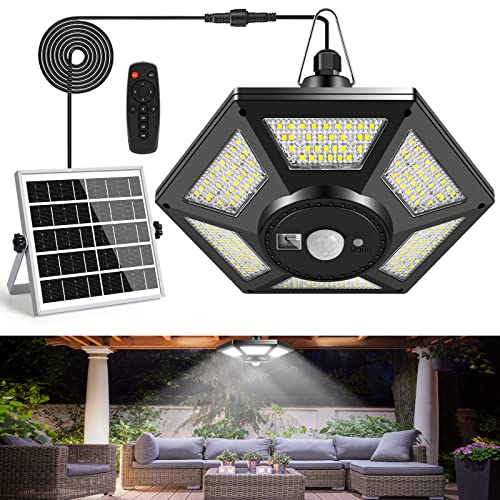
Deogos Solar Shed Light 180 LED 1000LM Solar Pendant Light

ropelux Solar Lights Indoor Outdoor 3000LM Dimmable Motion Sensor Shed Light

ropelux Solar Indoor Outdoor Shed Light 3000LM Dual Motion Sensor

Solar Lights Outdoor 72 LED Motion Sensor Wall Light, 2 Packs
More Details On Our Top Picks
This INXPHY model sits in the middle of the group: brighter than the smaller Deogos pick, less output-heavy than the ropelux 3000LM options. The 174 LED array, 6500K daylight tone, and remote control make it a sensible match for garages, sheds, or a covered work area where you want a whiter beam and simple scheduling.
The 120-degree adjustable head helps you point light where shelving, benches, or a path needs it, and the IP65 rating gives the enclosure a tougher weather profile for exposed spots. The honest read is that this one leans practical rather than fancy, which suits everyday chores more than polished accent lighting.
What We Like
- 174 LEDs give you strong coverage for a medium-size shed or garage bay.
- Remote control and timer support make routine use easier from a distance.
- 6500K daylight output keeps tools, labels, and edges easy to see.
- Adjustable angle helps direct light away from wasted ceiling throw.
- IP65 protection adds confidence for exposed mounts and damp conditions.
Things To Consider
- The daylight color is crisp, but it can feel stark in relaxed patio settings.
- Single-head coverage suits modest spaces more than oversized workshops.
- Remote-driven use works best when you keep the controller close to hand.
Core Details
Who It Suits Best
You’re the right fit here if you want a hanging solar light for a shed, garage, or utility corner and care more about control than sheer output.
Where A Sibling Pick Shines
ropelux Solar Lights Indoor Outdoor 3000LM Dimmable Motion Sensor Shed Light suits bigger, busier spaces better, especially when you need stronger output and dimming.
Aqonsie gives you a lot of control here, and that’s the point. Five lighting modes plus three timers make it easier to tailor the lamp to chores, evening access, or general hanging use in a barn or garage.
Compared with the INXPHY pick, this one leans harder into configuration, which helps in spaces where the light stays on for different jobs during the day. The trade-off is that more modes mean more setup decisions, so it suits you best when you like to fine-tune behavior instead of leaving everything on one setting.
Positives
- Five modes give you more control over how the lamp behaves.
- Three timer options help match light runtime to daily routines.
- 180 LEDs support broader coverage for work zones and storage aisles.
- Motion-sensor behavior suits hands-busy use around sheds and garages.
Softer Spots
- More modes can mean a little more learning at setup.
- The pendant style fits hanging placement better than tight wall mounting.
- Owners who want a simple on-off routine may find the feature set more than they need.
Feature Rundown
Made For
You’ll get the most from this one in a shed or barn where you want more control over runtime and light behavior.
Look Elsewhere When
INXPHY Solar Shed Light 1200LM, 174LEDs Motion Sensor Pendant Light fits better for you when a simpler setup and daylight output matter more than extra mode choices.
The dual-head layout is the big distinction here, and it matters in spaces that need light thrown in two directions instead of one cone. That makes this Aqonsie version a smart fit for a workbench area, a long garage wall, or a storage room with aisles on both sides.
It shares the same 5-mode, 3-timer control style as the previous Aqonsie pick, but the split head design changes the job entirely. The catch is that installation and aiming can take a little more patience, although that extra effort pays off in better spread.
Strong Points
- Dual heads help push light into more than one zone.
- 180 LEDs support broad, practical coverage for active spaces.
- Five modes and three timers give you flexible control.
- Remote access keeps adjustments easy from the floor.
Room For Improvement
- The split design can take more aiming than a single fixed body.
- It suits open interiors better than very narrow sheds.
- More parts in the head layout can mean a bit more cleaning around the joints.
Details At A Glance
Best Suited To
You’re a strong match for this model if your garage or workshop needs broader spread from a hanging fixture.
Another Choice May Suit
Solar Shed Light Indoor Outdoor 180LED Solar Powered Pendant Work Light is easier to live with when you want one head, not two, and prefer a simpler shape.
Deogos trims the feature set down a bit, and that can be useful in a smaller shed, gazebo, or home storage area where you just want dependable light without a lot of adjustment overhead. The 1000LM output sits below the INXPHY pick, so it makes more sense as a supporting fixture than the main source in a large workshop.
The 180 LED count still gives it a respectable spread, and the remote plus motion sensing keeps it easy to use for quick visits. One thing worth considering is that the simpler profile usually appeals most to spaces where you install once and leave it alone.
Upsides
- 1000LM is a sensible fit for smaller utility spaces.
- 180 LEDs help spread the light more evenly than a tiny lamp head.
- Remote control keeps quick adjustments close at hand.
- Motion sensing works well for brief access around doors and storage corners.
Minor Gripes
- Lower output makes it less suited to wide workshops.
- Owners wanting a more customizable system may prefer a mode-heavy pick.
- The pendant format still asks for a suitable hanging point.
Key Specs
Whose Shelf It Belongs On
You’ll appreciate this most in a compact shed, garden structure, or side storage spot that doesn’t need intense brightness.
Skip It When
ropelux Solar Lights Indoor Outdoor 3000LM Dimmable Motion Sensor Shed Light is the stronger match for larger spaces that need noticeably more output.
This ropelux option moves into heavier-duty territory with 3000LM output, which is the kind of jump that matters in a larger garage, a patio with broad seating, or a barn aisle that needs serious fill. Dimmable control helps prevent the beam from feeling excessive, so you get more flexibility than a fixed-output lamp like the Deogos.
The two daytime lighting modes are useful in real daylight-adjacent settings, especially when you need the lamp active before dusk. The trade-off is simple: more output and more modes usually mean a larger, more involved fixture, and that suits demanding spaces better than small sheds.
Highlights
- 3000LM output gives you a clear step up in brightness.
- Dimmable control helps match light levels to the task.
- Five modes, including two daytime options, add scheduling flexibility.
- Motion sensor behavior fits security-minded outdoor use.
- IP65 protection supports use in exposed or damp spots.
Points To Note
- Higher output makes it better for medium and large spaces than tiny rooms.
- More capability can mean more setup decisions during installation.
- The stronger beam may feel brighter than needed in simple storage closets.
Feature Snapshot
The Right Fit
You’ll get the most value here in larger sheds, open garages, or patios where stronger illumination matters more than a compact body.
A Better Fit Elsewhere
Deogos Solar Shed Light 180 LED 1000LM Solar Pendant Light is the calmer choice for smaller spaces that don’t need this much brightness.
This version adds three color temperatures, which means you can move between warmer and cooler light tones depending on how you use the space. That matters in a shed used for projects one day and casual access the next, and it makes the light feel more adaptable than the fixed daylight tone on the INXPHY pick.
Dual motion sensors also set it apart, especially in longer areas where one sensor zone may miss movement at an angle. The honest read is that this is the more polished ropelux option for shoppers who want brightness plus tone control, not just raw output.
Reasons To Buy
- Three color temperatures let you tailor the feel of the light.
- Dual motion sensors improve coverage in longer or awkward layouts.
- 3000LM output keeps it competitive for larger spaces.
- Five modes support varied use through the day.
Small Caveats
- More sensor coverage can mean more thought during placement.
- The broader feature set suits setup-minded users more than plug-and-forget shoppers.
- Color choice helps a lot, but it won’t change the fixture’s basic size and hanging needs.
Quick Facts
Built With In Mind
You’re the right match for this one if your space needs strong light plus the ability to tune color tone.
Where A Sibling Pick Shines
ropelux Solar Lights Indoor Outdoor 3000LM Dimmable Motion Sensor Shed Light fits better when you want the same power level with a simpler control story.
This kuyimy model takes a different route from the hanging lights above, since it mounts to a wall and comes as a two-pack. That setup makes sense for porches, fence posts, front entries, and side yards where you want two placement points instead of one central pendant.
With 72 LEDs, three lighting modes, and IP65 protection, it fits perimeter lighting better than indoor task work. Compared with the ropelux and INXPHY hanging styles, this is the more straightforward security-minded choice, although it won’t replace a broader overhead lamp inside a workshop.
Best Bits
- Two-pack format helps cover more than one outdoor access point.
- Wall mounting suits porches, fences, and entryways.
- Three lighting modes keep operation simple.
- IP65 protection supports exposed outdoor placement.
Areas To Watch
- 72 LEDs is more modest than the higher-output hanging options.
- Wall lights serve perimeter coverage better than indoor task lighting.
- Placement matters more here, since each unit needs a fixed mounting point.
Technical Sheet
Who Should Grab It
You’re best served by this pair if you want simple exterior lighting for entrances, patios, or fence lines.
Reach For A Different Pick When
ropelux Solar Lights Indoor Outdoor 3000LM Dimmable Motion Sensor Shed Light makes more sense for a garage or shed where you need stronger overhead illumination.
How To Choose The Right Solar Shed Lights
Brightness, Spread, And Placement
Start with the space, not the badge count. A compact shed can live with 1000LM and a single head, while a garage with shelves and a car bay usually benefits from 3000LM or a dual-head design that pushes light sideways as well as downward.
Color tone matters too. A 6500K daylight output gives you sharper contrast for labels, tools, and fast tasks, while a model with selectable color temperatures feels easier on the eyes in mixed-use areas.
Controls That Match Daily Use
Motion sensor behavior makes sense for entry points, storage rooms, and workspaces you visit with your hands full. Remote control helps when the fixture hangs high, and timer settings become useful when you want the lamp to settle into a routine instead of staying active longer than needed.
More modes add flexibility, but they also add setup choices. A simple three-mode wall light suits a porch, while a five-mode pendant is the better fit for a shed that changes jobs during the week.
Mounting Style And Weather Exposure
Pendant lights work well inside sheds, barns, and covered garages because they throw light into the room from above. Wall-mounted lights fit doorways, fences, and porch posts more naturally, especially when you want coverage from more than one point.
For outdoor-adjacent mounting, IP65 protection is the kind of rating that matters, since it signals better resistance to dust and moisture exposure. It does not remove the need for sensible placement, but it does widen where you can use the fixture with confidence.
What To Weigh Before You Choose
Mistakes Worth Dodging
Many shoppers focus on brightness alone and miss the shape of the beam. A high-output light with poor spread can still leave corners dim, which is why head design and mounting height deserve as much attention as lumen count.
Another common miss is buying a pendant for a wall task or a wall light for a workbench. The shape of the room should drive the shape of the light.
Where The Extra Money Goes
Higher-tier models usually buy you more LEDs, stronger output, better control logic, or multiple color temperatures. In practical terms, that means less strain in larger rooms, more tuning for mixed-use spaces, and fewer compromises when you use the light every day.
The upgrade is worth it when the area is active and the lighting job changes often. For a plain storage shed, simpler gear is often enough, but a busy garage or long barn aisle can justify the added flexibility.
Frequently Asked Questions
How bright should a solar shed light be?
Smaller storage spaces usually do fine with lower output, while garages and larger barns benefit from stronger lumen ratings. The right answer depends on room size, ceiling height, and how much task work happens there.
Do motion sensors work well in sheds?
They work well for quick entry, tool grabs, and hands-busy moments. Placement still matters, because a sensor aimed at the wrong angle can miss the path you actually use.
Is a wall light or pendant light better?
Pendant lights suit overhead room coverage, especially indoors or under cover. Wall lights fit entry points, fences, and porches better when you want perimeter coverage.
Does color temperature matter much?
Yes, especially in spaces where you sort tools, read labels, or work on detail jobs. Cooler daylight tones look sharper, while warmer options usually feel less harsh in casual spaces.
How much weather protection should you look for?
IP65 is a strong place to start for exposed outdoor placement. It gives you a sturdier case for damp or dusty spots, but good mounting still matters.
Closing Thoughts
You get the best result from solar shed lights when the fixture matches the job, not just the label. A compact shed can be served by a simpler pendant, while a working garage or long exterior run usually asks for more output, better spread, or wall-mounted coverage. The seven picks here separate cleanly on those lines, so your choice gets easier once you match brightness, controls, and mounting style to the space in front of you.
