

Solar security lights earn their keep on dark walkways, side gates, garages, and porches, where you want faster visibility without extra wiring. The strongest choices balance sensor reach, panel placement, beam spread, and everyday durability, because a light that only looks good on paper can still feel awkward on the wall. This roundup focuses on seven solar motion picks with different strengths, so you can match the fixture to your space instead of forcing the space to fit the light.
Quick Look at the Shortlist
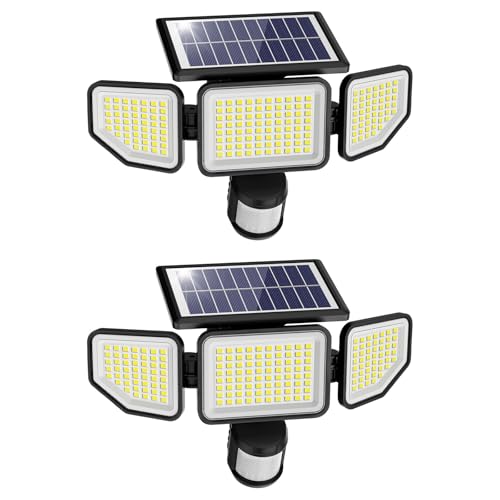
Onforu 4500LM Solar Lights Outdoor 3 Heads Security Lights
CLAONER Solar Outdoor Lights Motion Sensor 2500LM 286 LED Security Flood Lights

WaitScher Solar Motion Lights Outdoor Spotlight Sensor Lights IP67 Waterproof 3600mAh

Peasur 318 LED Solar Motion Lights Outdoor Waterproof 16.4 FT Cable Warm Light

Peasur 318 LED Solar Motion Lights Outdoor Waterproof 16.4 FT Cable White Light

Philips Solar Security Light Outdoor LED 6500K Solar-Powered Flood Light
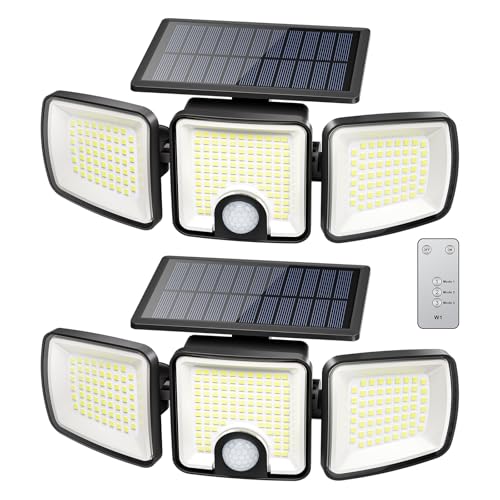
Brightown 2 Pack Solar Flood Outdoor Lights with Motion Sensor 3 Modes 2500LM 223 LED
More Details On Our Top Picks
Three adjustable heads make this Onforu option feel built for broad coverage rather than a tight spotlight. The remote control helps when the fixture sits high on a garage wall or porch beam, so you spend less time climbing ladders for small changes.
The wider beam pattern suits driveways, side yards, and front entries that need light spread across several angles. The trade-off is simple, the broader the reach, the more important the mounting height and aim become, especially on irregular walls.
Strong Points
- Three-head layout spreads light across a wider frontage.
- Remote control adds convenience for awkward installs.
- IP65 rating suits exposed outdoor mounting.
- Two-pack setup works well for paired entry points.
Things To Consider
- Wide coverage can feel excessive on very narrow paths.
- Higher mounting points need careful aiming.
- Remote use adds one more small item to keep track of.
Core Details
Who It Suits Best
You get the most from this pick on a larger home exterior, especially where one fixture has to cover a garage apron, porch edge, or side gate.
A Better Fit Elsewhere
Brightown B0GD7NQ8XL suits a shopper who wants a broader 270-degree spread in a simpler wall-light format.
CLAONER leans into information, not just output, with its visual battery and mode display placed front and center. That makes it a practical match for a driveway or patio where you want to glance at settings without guessing which mode is active.
The 286-LED layout gives this one a more segmented light source than the simpler beam styles above, so the spread feels engineered for broad surface coverage. In most suburban setups, that’s useful, though the extra detail can be more than you need for a short entry path.
Highlights
- Visual display helps you check battery and mode status quickly.
- Three lighting modes give you more setup flexibility.
- 286 LEDs support broad, even coverage.
- Wide-angle head design fits garage and patio use.
Minor Gripes
- The display adds complexity you may not need on a simple porch.
- Broader coverage can be overkill on compact stoops.
- More on-unit information can mean more features to learn at first.
Feature Rundown
Who Should Grab It
You suit this pick best when you want a feature-forward light for a garage, patio, or side yard and value quick status checks.
Where Another Pick Suits Better
Onforu B0DFVYLWZT fits you better when you want simpler remote-driven operation and a stronger three-head wall wash.
WaitScher takes a narrower spotlight-style approach, which makes sense near front doors, garage corners, and driveway edges. The IP67 rating points to stronger dust and water resistance than the IP65 models above, so it suits a more exposed mounting spot on paper.
The 3600mAh battery capacity is the kind of detail that matters to routine use, because it speaks to how much stored power the fixture can hold between sunny stretches. The honest read is that this style works best where you want targeted coverage rather than a broad wash over a whole yard.
Upsides
- Spotlight shape focuses light on specific entry points.
- IP67 rating gives you a tougher weather profile.
- 3600mAh battery capacity supports stored energy needs.
- Two-pack format can cover paired corners or doors.
Room For Improvement
- Narrower coverage is less suited to large open lawns.
- Spot-style lighting can leave side areas darker.
- More focused beams need more exact placement.
Details At A Glance
Built With In Mind
You fit this pick best when you want a tighter beam for doors, paths, and corners rather than a wide flood across the entire frontage.
Another Choice May Suit
CLAONER B0GXK8K7NL works better for you when you want more on-unit feedback and a broader feature set for a larger patio or garage zone.
This Peasur model stands out because the 16.4-foot cable gives you more freedom between the panel and the light head. That matters on sheds, fences, or awkward patio walls where direct sun and lighting placement rarely line up cleanly.
The warm-light version feels friendlier than the harsher white options in this roundup, which can be a better match for porch seating or backyard edges. The trade-off is simple, warmer light usually looks softer, so task-heavy zones may prefer a colder beam.
Plus Points
- Long cable gives you more installation reach.
- Warm light suits porch and patio settings.
- Dusk-to-dawn behavior supports hands-off evening use.
- Three modes add flexibility for different routines.
Areas To Watch
- Cable routing takes a little planning during setup.
- Warm output is less stark than white light for task work.
- Longer placement options can mean more exposed wiring to tidy.
Feature Card
Whose Shelf It Belongs On
You suit this pick best when panel placement matters as much as brightness, especially on tricky exteriors with limited direct-sun spots.
Skip It When
Philips B0DKN5P5JJ is the stronger match for you when you want a more polished brand presence and a cooler 6500K look.
This white-light version follows the same cable-friendly layout as the warm-light Peasur pick, but it shifts the output toward a crisper utility look. That makes it a natural fit for drive paths, utility doors, and places where you want a more plainly visible beam.
For most homes, the appeal is straightforward: strong practical light without asking you to rework the mounting plan. The downside is that white output can feel less relaxed around a seating area, so the ambiance is more functional than soft.
Best Bits
- White output gives a clearer, utility-style beam.
- 16.4-foot cable helps with panel positioning.
- Three modes support different exterior routines.
- Dusk-to-dawn operation suits low-touch use.
Softer Spots
- White light feels less relaxed in lounge-style outdoor areas.
- Cable setup needs a tidy route to stay neat.
- Best fit is more practical than decorative.
Technical Sheet
Right Fit For
You suit this pick best when function matters more than atmosphere, especially on side yards, sheds, and utility entrances.
Look Elsewhere When
Peasur B0FR9G8NY8 makes more sense for you if you want the same cable flexibility with a warmer finish for seating areas.
Philips brings a more polished nameplate into a category that often leans purely on specs. The 6500K color temperature is a cool-white tone, which usually reads crisp and bright around entries, garage doors, and security-minded frontage.
The remote control and 16-foot cable add practical flexibility, especially on installs where the panel needs a better sun angle than the lamp itself. Compared with the Peasur pair, this one feels more restrained and branded, though the cable still asks for clean routing.
What We Like
- 6500K output gives a crisp, daylight-like look.
- PIR motion sensing keeps operation automatic.
- Remote control makes changes easier after mounting.
- 16-foot cable expands placement options.
Points To Note
- Cool-white output may feel harsh in seating areas.
- Cable management matters for a tidy install.
- Brand premium usually comes from finish and feature polish, not just raw output.
At A Glance
The Right Fit
You fit this pick best when you want a branded flood-light look for a front entry, garage wall, or polished exterior setup.
Reach For A Different Pick When
Onforu B0DFVYLWZT is the stronger match for you when you want broader three-head coverage and a more aggressive wall wash.
Brightown splits the difference between broad coverage and straightforward setup, with three heads and a 270-degree spread that should suit many walls and fences. That wider angle makes it more flexible than the WaitScher spotlight style, especially for shared perimeter lighting.
The remote control and three modes keep it practical, and the 2-pack format helps when you want symmetry on a long fence line or two separate corners. The trade-off is familiar, wide-angle lighting is forgiving, but it still needs thoughtful placement to avoid wasted spill.
Bright Spots
- 270-degree spread covers a wide exterior zone.
- Three heads help shape light across the wall.
- Remote control keeps adjustments convenient.
- Two-pack format works well for paired spaces.
Small Caveats
- Wide coverage can spill beyond the area you meant to light.
- Wall placement matters to get the angle right.
- Three-head layouts need a little more aiming than a simple single beam.
Quick Facts
Made For
You suit this pick best when you want a practical all-rounder for walls, fences, garages, and shared exterior paths.
Swap It Out When
WaitScher B0BMPZS1ZV is the better fit for you when a tighter spotlight beam matters more than wide-angle spill.
How To Choose The Right Solar Security Lights With Motion Sensor
Start With The Space You Need To Cover
Broad driveways and long fences usually benefit from three-head flood lights, since the beam can spread across more of the wall. Narrow doorways and side passages are easier to cover with a tighter spotlight style.
Think about the shape of the darkness, not just the brightness number. A wide yard wants coverage, while a short entry path wants control.
Check The Sun And The Mounting Spot
Solar panels need sensible placement, and that often matters more than the lamp body itself. A model with a long cable can solve awkward rooflines, shaded walls, or detached panels on sheds and fences.
That cable length is not just a convenience feature, it’s the difference between a workable install and a frustrating one. On mixed-sun properties, the extra reach can save the setup.
Match Color Tone To The Use Case
Warm light tends to feel softer around patios and porch seating, while cooler white light gives a more direct, security-minded look. 6500K, for example, is a cool-white tone that reads crisp and clear around entrances.
Choose the tone that fits the space you live in. A backyard hangout and a utility door rarely need the same mood.
Look At Control And Feedback
Remote control helps when the fixture sits high, and mode displays help when you want to confirm settings without guessing. Those extras matter more on larger homes or multi-light setups than on a small stoop.
They also add a bit of learning on day one, so a simpler unit may suit you better for a small porch. The trade-off is convenience against simplicity.
Things Worth Knowing First
Common Shopping Slip Ups
Many people overbuy brightness and underbuy fit, which leaves a powerful light pointing at the wrong area. A wide beam on a narrow walkway can feel wasteful rather than helpful.
Another common miss is ignoring panel placement. A solar light with weak sun exposure often disappoints no matter how strong the LED count looks on paper.
What The Higher Tier Buys
More expensive models usually pay for wider coverage, longer cables, clearer mode controls, or a more polished housing. Those details matter most on bigger properties, exposed walls, or spaces where you want fewer adjustments after install.
For a simple side entrance, basic may be enough. For a garage, long fence line, or awkward sun angle, the extra spend often goes toward convenience and setup flexibility.
Frequently Asked Questions
How bright should solar motion lights be for a driveway?
Driveways usually benefit from broader output and enough brightness to light both the vehicle area and the approach. Three-head layouts and higher lumen figures are often easier to live with there than a narrow spotlight.
Do warm and white light serve different spaces?
Yes, warm light usually feels softer around patios and lounging areas, while white light reads more practical near doors and garages. The right choice depends on whether you want comfort or crisp visibility.
Why does cable length matter so much?
A longer cable gives you more freedom to place the solar panel where it gets better sun. That matters on shaded walls, detached sheds, and awkward corners where the light itself belongs somewhere else.
Are three-head lights harder to install?
They can take a little more aiming because each head needs a sensible angle. The payoff is broader coverage, which suits larger walls and open frontage.
What does IP65 or IP67 mean in plain terms?
Those ratings describe how well a light is sealed against dust and water exposure. IP67 is the tougher of the two, while IP65 still suits many exposed outdoor spots.
Closing Thoughts
The right solar motion light depends less on marketing language and more on your wall, your sun exposure, and the shape of the space you want to light. Onforu and Brightown suit broader coverage, CLAONER leans into features, and the Peasur and Philips options handle cable reach and finish with more polish. For tighter entry points, WaitScher stays focused and compact. Match the beam to the space, and the choice gets much easier.
