

Solar-powered fence energizers help you keep lines live in places where running mains power is awkward or impossible. For pasture edges, garden runs, and temporary paddocks, the right unit needs enough output for your fence length, steady charging, and a mounting setup that fits your post or grounding plan.
This roundup focuses on range, joule output, portability, battery design, and weather-ready construction. The trade-off is simple: smaller units are easier to move, while larger ones usually suit longer fences and tougher conditions better.
The Shortlist At A Glance
ANDMON 10 Miles Solar Electric Fence Charger

Parmak Magnum Solar-Pak 12 MAG12-SP
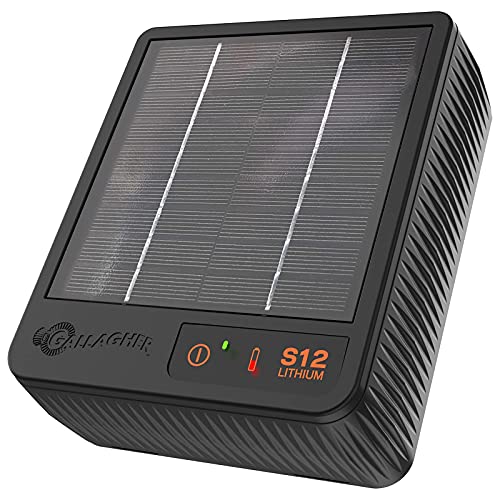
Gallagher S12 Solar Electric Fence Charger

Zareba 10 Mile Solar Powered Low Impedance Electric Fence Charger ESP10M-Z
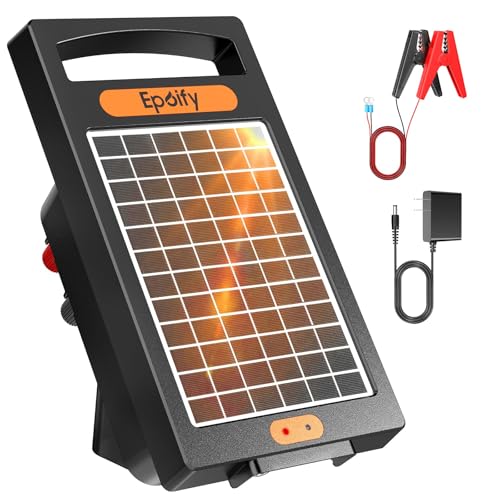
Epoify 24-Hour Solar Electric Fence Charger
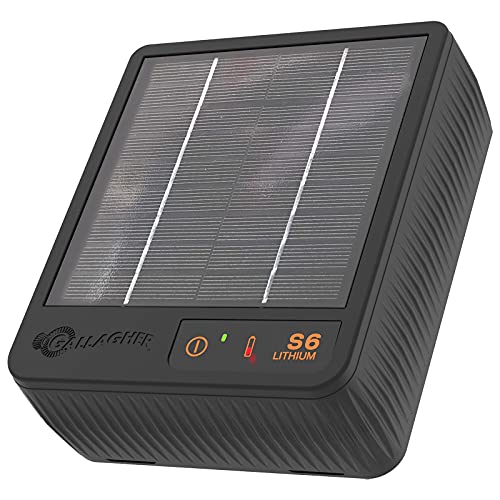
Gallagher S6 Solar Electric Fence Charger

Zhangmengge 10 Miles Solar Powered Electric Fence Charger
More Details On Our Top Picks
ANDMON keeps the formula straightforward: a portable solar charger with 0.16 joule output and a day/night mode that helps it adapt to changing light. That mix makes sense for a back fence, a temporary paddock, or a garden run where you want steady coverage without a bulky setup.
The rechargeable panel is the practical part here, since you are not stuck wiring power to a remote spot. The honest read is that this is more about convenience and modest coverage than heavy-duty distance, so it suits smaller properties better than wide-open acreage.
What We Like
- Day/night operation gives you more control over charging behavior.
- Portable format suits temporary fencing and moveable runs.
- 0.16 joule output fits lighter containment needs.
- Rechargeable solar panel reduces dependence on nearby power.
Small Caveats
- Coverage is geared toward shorter fence lines.
- Portable units usually need cleaner panel placement to stay effective.
- Best suited to lighter livestock or garden boundaries, not demanding perimeter jobs.
Feature Snapshot
Who It Suits Best
You get the most from this model in a small farm setup, backyard livestock pen, or garden enclosure where portability matters more than raw reach.
A Better Fit Elsewhere
Parmak Magnum Solar-Pak 12 MAG12-SP suits larger acreage better, especially when your fence line stretches well past a simple garden or yard layout.
Compared with the compact ANDMON unit, the Parmak Magnum Solar-Pak 12 is built for a much broader job. Low impedance means the charger is designed to keep power moving more efficiently through the fence line, which matters on longer runs and in areas where vegetation can rob performance.
The 30 mile range claim puts it in a different category from the earlier pick, and that is the point, not a small upgrade. For large paddocks, horses, or mixed livestock fences, you get a more serious platform, though the bigger reach also means you need to be more careful about fence condition and setup.
Highlights
- Long-range capacity suits larger acreage.
- Low impedance design helps maintain output through fence load.
- 12 volt battery operation gives you a flexible power setup.
- Better fit for demanding livestock boundaries than small portable chargers.
- Useful where the fence line is long enough to justify extra output headroom.
Points To Note
- Size and power level are more than many small yards need.
- Long-range systems depend on solid fence maintenance for best results.
- Less convenient for quick moves than lighter portable units.
Details At A Glance
Who Should Grab It
You benefit most from this model in larger ranch-style setups where fence length and power retention matter more than portability.
Skip It When
Gallagher S6 is the cleaner fit for small gardens or chicken runs, especially when you want a lighter ground-rod-mounted unit.
The Gallagher S12 sits in the middle ground nicely, with solar lithium technology and a 0.12 stored joule output that keeps the package lean. Stored joule is the amount of energy the charger holds and delivers in pulses, so the number helps you compare raw punch without guessing from the shell alone.
That 4 mile or 18 acre coverage claim makes it much more specific than the Parmak above, and that specificity helps in real use. For smaller grazing setups or portable fencing around a few paddocks, it feels better matched than a big long-range unit that might be more than you need.
Reasons To Buy
- Lithium-based solar design keeps the footprint compact.
- Built-in earthing simplifies grounding on many setups.
- Portable format fits moveable fence jobs.
- Clear coverage figures help with planning fence length.
Areas To Watch
- Coverage is narrower than the larger-range Parmak unit.
- Portable gear still benefits from thoughtful placement and upkeep.
- Better for moderate fence jobs than sprawling acreages.
Core Details
Made For
You get the best fit here in a small farm, garden edge, or temporary paddock where portability and defined coverage are more important than raw range.
Look Elsewhere When
ANDMON 10 Miles Solar Electric Fence Charger makes more sense for a simple portable setup with a stronger emphasis on day and night control.
Zareba leans into straightforward livestock containment, and the built-in mounting bracket makes that clear before you even look at the output rating. With 0.15 output joules and a 10 mile rating, it lands between the small portable units and the bigger long-range Parmak.
That middle position is useful in a busy farm yard, especially when you want a charger that mounts neatly to a post and stays put. You may find it a cleaner fit than the Gallagher S12 when your priority is fixed placement rather than a more compact portable frame.
Bright Spots
- Mounting bracket helps with stable post installation.
- 10 mile rating suits moderate fence lengths.
- 0.15 output joules gives you a sensible middle-ground spec.
- Works across common livestock setups, including cattle, horses, and goats.
Worth Noting
- Fixed mounting is less flexible than truly portable units.
- Shorter-range users may not need this much capacity.
Quick Facts
The Right Fit
You get a strong match here for fenced cattle lots, horse runs, and goat enclosures where a fixed post-mounted charger makes daily use simpler.
Another Choice May Suit
Gallagher S12 is the better route for a lighter portable build, especially for smaller acreage or temporary fence lines.
Epoify stacks more on the spec sheet than the earlier picks, starting with 0.18 joules and a pulse range listed at 5700 to 10200 volts. Voltage is the electrical push behind the fence pulse, so the range tells you there is meaningful headroom for stronger containment work.
The 24-hour solar charging claim and weatherproof build point to a unit made for all-day placement in open air. That makes it appealing for livestock areas where the fence needs to stay active through changing weather, though the extra feature set may be more than casual garden users need.
Standout Traits
- Higher 0.18 joule output gives you more pulse energy.
- Voltage range is clearly stated for planning fence needs.
- All-in-one portable layout simplifies setup.
- Weatherproof construction fits exposed outdoor use.
- 24-hour solar charging language suits long days in the field.
Things To Consider
- Extra features can be more than small enclosures require.
- As with any portable energizer, panel placement still matters.
- Higher-output gear deserves a careful match to fence length and load.
Feature Card
Built With In Mind
You benefit most here on larger livestock enclosures or predator-sensitive garden edges where higher output and weather exposure are part of daily use.
Reach For A Different Pick When
Zareba 10 Mile Solar Powered Low Impedance Electric Fence Charger is the neater match for a fixed post-mounted setup with simpler installation.
Gallagher’s S6 shifts the focus from acreage to small-scale animal control. It mounts directly to a grounding rod, which keeps installation tidy in gardens, chicken runs, and small goat enclosures where you want the charger close to the fence line.
That direct-mount style sets it apart from the Zareba and the larger Parmak, both of which lean more toward fixed fence infrastructure. The honest read is that this model is a cleaner match for smaller properties, and that simplicity is a real advantage for maintenance and setup.
Best Bits
- Direct grounding-rod mounting keeps setup compact.
- Well suited to gardens, chickens, goats, and pets.
- Lithium battery support helps with off-grid use.
- Small-format design works well in tight spaces.
Room For Improvement
- Small-scale focus means it is not aimed at larger perimeter jobs.
- Grounding-rod placement needs a suitable site.
- Less room for expansion than broader-coverage chargers.
Core Details
Whose Shelf It Belongs On
You get the best match here for a small homestead, kitchen garden, or chicken area where the fence charger should stay out of the way.
Where A Sibling Pick Shines
Gallagher S12 makes more sense for portable use and broader coverage across a few acres.
Zhangmengge takes the portable route seriously, pairing 0.18 joules with 24/7 day/night mode and dual power through a portable solar panel plus AC support. That combination gives you more setup flexibility than the earlier ANDMON pick, especially for fences that move between a home area and grazing ground.
The 10 mile rating and weatherproof build make it easy to place in garden or livestock scenarios without turning the install into a project. You may find it especially handy for small pets, goats, or temporary boundaries where portability matters more than a permanent mount.
Upsides
- Dual power adds placement flexibility.
- 24/7 day/night mode supports changing conditions.
- 0.18 joule output gives you solid pulse energy.
- Weatherproof construction fits outdoor use.
- Lightweight format helps with moving between fence areas.
Honest Caveats
- Portable design still depends on sensible panel exposure.
- Fixed, high-acreage jobs are better served by the larger Parmak.
- Dual-power flexibility is useful, but it adds one more setup choice to manage.
Technical Sheet
Best Suited To
You get strong value from this model in moveable livestock fencing, small garden protection, or a setup that shifts between storage and active use.
A Better Fit Elsewhere
Parmak Magnum Solar-Pak 12 MAG12-SP is the better call for a fixed, long-range fence that needs broader reach than a portable unit.
How To Choose The Right Solar Powered Fence Chargers
Match Output To Fence Size
Joules tell you how much energy the charger stores and sends in each pulse, which is the cleanest way to compare models. A smaller garden run can work with lower output, while longer livestock lines need more reserve to stay effective after fence loss and vegetation drag.
Range claims help, but they work best as a starting point rather than a promise. In a brushy pasture or a layout with several corners, you want a little headroom, not a unit that sounds adequate only on paper.
Think About Mounting And Mobility
Some chargers mount directly to a grounding rod or post, and that makes sense for a permanent enclosure. Others are built to move, which helps in temporary paddocks, seasonal grazing, or garden protection that changes through the year.
Portable units are easier to reposition, but they also depend more on panel exposure and tidy placement. Fixed units usually feel simpler day to day, especially in a busy farm yard where you want less fuss.
Check Power Source And Backup Options
Solar charging is the point here, but battery style still changes ownership. Lithium designs usually keep the package lighter, while battery-operated systems can suit larger or more demanding setups where you care more about staying power than compact size.
Dual power can be useful for mixed conditions, especially in seasons with weaker sun. That extra flexibility costs more in complexity, so it makes the most sense when your fence location or weather pattern is hard to predict.
Choose For The Ground You Actually Have
Low impedance matters on longer or less-than-perfect fence lines because it helps the charger handle resistance more efficiently. In plain terms, it keeps the energizer from wasting as much effort when the line gets longer or less tidy.
For small pens and clean garden boundaries, you do not need to overshoot. For open acreage, mixed livestock, or fences with some grass pressure, choosing a stronger, better-specified unit usually saves headaches later.
What To Weigh Before You Order
Common Shopping Slip Ups
Many people focus on range alone and skip the output rating, which leads to weak performance on real fence lines. You also want to avoid matching a portable charger to a permanent perimeter job, because the mounting style and charging setup may not fit your land.
Another common miss is overlooking panel placement. A charger can look strong on paper and still underperform in the shade of a shed, hedge, or tall fence line.
What The Higher Tier Buys
More expensive units usually bring higher joule output, stronger housing, and clearer support for larger fence runs. That matters most on acreage, rough weather exposure, or fences that need more consistent pulse delivery.
You also tend to get smarter mounting, better power flexibility, or lithium-based designs that make moving and storage easier. Paying up makes sense when the fence is part of daily livestock management instead of a weekend garden project.
Frequently Asked Questions
How many joules do you need for a solar fence charger?
Smaller garden runs can work with lower output, while longer livestock lines usually need more. Your fence length, vegetation, and animal type all shape the right range.
Is low impedance important?
Low impedance helps a charger handle fence resistance more efficiently. That matters more on long runs and lines that are not perfectly clean.
Do you need a battery with solar power?
Yes, most solar chargers use some form of stored power so they can keep working after sunset or during weak sun. Lithium and battery-operated designs simply handle that job in different ways.
What is the easiest type to install?
Models with built-in brackets or direct ground-rod mounting usually feel simplest. Portable units also help when you want to move the fence later without rebuilding everything.
Which one fits a small backyard best?
Gallagher S6 fits compact spaces well because it mounts directly to a grounding rod. ANDMON 10 Miles Solar Electric Fence Charger is also a sensible option for a small portable setup.
Final Thoughts
Your best match depends on fence length, mounting style, and how much moving around your setup needs. For larger acreage, Parmak Magnum Solar-Pak 12 gives you the broadest reach in this group, while Gallagher S6 and the ANDMON unit suit smaller, more manageable enclosures. Epoify and Zhangmengge are the stronger portable-style choices, especially when you want higher output and more flexible placement. Pick for the fence you actually have, not the one you hope to grow into.
