

Solar heating can stretch swim season without turning your pool area into a wiring project. For above-ground setups, small backyard pools, and larger systems that need a cleaner temperature boost, the right pick depends on space, plumbing, and how much warmth you want to add.
Some choices are simple mats, others are full panels or a heat pump that steps outside the solar-only lane. The lineup below helps you match the product to your pool size, installation comfort, and upkeep style.
Quick Shortlist for Faster Comparison
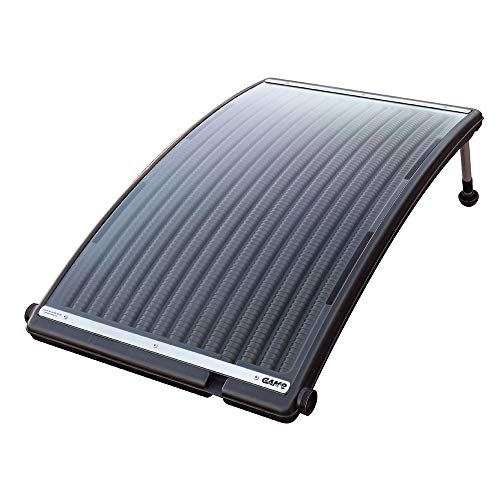
GAME 72000-BB SolarPRO Curve Above-Ground Pool Heater

Solar Sun Rings 60-Inch UV Resistant Solar Pool Heater

Goplus 2.5FT x 10FT Solar Pool Heater

FAFCO Original Solar Bear 4 x 20 Feet Solar Pool Heater
Intex 47 x 47 Inch Solar Pool Heater Mat 2 Pack

Bestway Solar-Powered Pool Heating Pad
POOLSPARX Solar Pool Ionizer Copper System

WARMBLU H7 Swimming Pool Heat Pump 27,000BTU
More Details On Our Top Picks
Pool owners with Intex or Bestway gear tend to notice this one first, because the fit is built around those above-ground systems. That narrow compatibility keeps the setup focused, and it suits a backyard where you want solar support without chasing a complicated heater install.
The curved profile also matters in day-to-day use, since it aims to sit neatly with the pool layout rather than feeling like a loose add-on. The honest trade-off is that this kind of compatibility-first design can feel less universal than a panel you can adapt across more setups.
Strong Points
- Designed around specific above-ground pool brands, which makes matching the setup easier.
- Solar support keeps your pool warming path simple, with no electric heater to manage.
- Curved form helps it sit more naturally with compatible pool layouts.
- Good fit for owners who want a straightforward seasonal helper rather than a complex system.
Things To Consider
- Brand fit is the main limitation, so it is not the most flexible choice.
- Solar output still depends on sun exposure and weather, which shapes daily results.
- Owners who want a larger coverage area may need a more expansive panel setup.
Feature Snapshot
Who Should Grab It
You fit this best when your pool already comes from Intex or Bestway and you want a simpler solar add-on for regular backyard use.
Where A Sibling Pick Shines
Goplus 2.5FT x 10FT Solar Pool Heater makes more sense for you if you want a more adaptable panel-style option for a broader range of pool layouts.
This ring-style design suits pools where you want a light-touch way to catch sunlight on the water’s surface. Two vinyl layers, both built to resist ultraviolet exposure, give the piece its basic structure, and that matters for anyone who leaves gear out across the season.
Water anchors help it stay in place, which is useful in a busy backyard where floating accessories tend to drift. Compared with the GAME option above, this one feels less about brand-matched fit and more about simple surface warming in a mixed pool setup.
Upsides
- Two-layer vinyl construction is meant to hold up in sunny poolside conditions.
- Water anchors help keep it positioned where you want it.
- Works with both above-ground and inground pools, so the use case stays broad.
- Easy to understand for casual pool owners who want a low-complexity solar helper.
Points To Note
- Surface-style heating usually depends heavily on sunlight and day-to-day weather.
- A ring format may feel less integrated than a plumbed panel system.
- One unit is a modest starting point, so larger pools may need more coverage.
Core Details
Made For
You suit this pick best when you want a simple, floating-style solar heater for a pool that does not need a full plumbing project.
Swap It Out When
Intex 47 x 47 Inch Solar Pool Heater Mat 2 Pack fits you better when your main goal is a more grounded mat setup for an above-ground pool.
Goplus leans into sizing flexibility, which is handy for homeowners trying to match heater length to an actual pool layout instead of guessing. The 2.5-foot width is consistent, while the available lengths make it easier to scale the footprint to your space.
That matters most in mixed-use yards where a small setup feels too slight and a huge panel would be overkill. Compared with the Solar Sun Rings pick, this one feels more like a planned system than a floating accessory, so you gain structure but also more installation thought.
Reasons To Buy
- Multiple size paths make it easier to match different pool layouts.
- Panel-style form suits owners who want a more deliberate heating setup.
- Works with above-ground and inground pools, widening the practical use case.
- Weatherproof framing is a sensible fit for outdoor seasonal use.
- Helpful for pools that need more coverage than a small mat can provide.
Small Caveats
- More sizing choices also mean more planning before setup.
- Panel systems usually take a bit more space than ring or mat options.
- Performance still depends on sun exposure and circulation conditions.
Technical Sheet
Best Suited To
You fit this best when you want a panel-based solar heater that gives you real sizing flexibility for a backyard pool with more demanding coverage needs.
Look Elsewhere When
Bestway Solar-Powered Pool Heating Pad is the cleaner match for you if you want a simpler hose-connected option with less setup planning.
The FAFCO Solar Bear reads like the more infrastructure-minded choice in this group. A 4 by 20 foot footprint gives it a substantial presence, and the connected-tube design points toward a more built-in way of moving solar heat into the pool system.
That makes it appealing for bigger above-ground pools where a tiny accessory would feel undersized. The catch is that you are dealing with a larger physical setup, so storage and placement matter more than they do with the Intex mat or the Solar Sun Rings option.
Highlights
- Large 4 x 20 foot size supports broader coverage.
- Connected-tube layout feels more like a system than a standalone accessory.
- Starter kit inclusion helps the setup feel more complete.
- Good match for owners who want a heavier seasonal heating solution.
Areas To Watch
- Its larger footprint needs more space for installation and storage.
- Big-panel setups can feel less convenient to move around.
- Best results still depend on good sun exposure and the rest of the circulation setup.
Details At A Glance
Whose Shelf It Belongs On
You fit this best when your above-ground pool has enough room for a larger solar layout and you want a more substantial heating approach.
Another Choice May Suit
GAME 72000-BB SolarPRO Curve Above-Ground Pool Heater fits you better if you want a more compatibility-focused option for Intex or Bestway equipment.
Intex keeps things straightforward here with a mat format that suits smaller above-ground pool areas. The 47-inch by 47-inch footprint is easy to picture, and the hose attachment plus bypass valve make it feel like a more practical plumbing add-on than a floating surface piece.
That setup is useful in a family backyard where you want a simple way to nudge the water temperature upward. Compared with the FAFCO panel, this one asks for less space, though the trade-off is that smaller mats usually bring more modest heating reach.
Bright Spots
- Compact footprint suits tighter outdoor spaces.
- Hose attachment and bypass valve support a more functional plumbing setup.
- Two-pack format gives you more than a single mat to work with.
- Useful for above-ground pools that do not need an oversized panel system.
Worth Noting
- Mat-style heating usually works best as a supplemental solution.
- Smaller footprint can mean slower progress on larger pools.
- Hose routing and valve placement still need a little attention during installation.
Core Details
Right Fit For
You fit this best when your above-ground pool is on the smaller side and you want a compact heater mat with a clearer plumbing path.
Skip It When
Bestway Solar-Powered Pool Heating Pad suits you better if you want a more modern hose-linked heater pad for a slightly broader seasonal setup.
Bestway keeps the install story easy to follow, since the pad uses two hose ports, one to the filter pump and one back to the pool. That layout supports a gentle, even return of warmed water, which is the sort of thing you notice most in a regular backyard pool routine.
The weather-resistant build is a meaningful plus for seasonal storage and repeated use, though the real output still rises and falls with sunlight. Compared with the Intex mat, this one feels a bit more guided by circulation design, so it suits owners who prefer a cleaner hose path.
Best Bits
- Two hose outlets keep the flow path easy to understand.
- Works with the filter pump loop, which helps the heating process feel organized.
- Weather-resistant materials are a useful fit for outdoor storage.
- Temperature increase range is plainly stated, which helps set expectations.
- Good pick for owners who like low-drama equipment.
Honest Caveats
- Results still depend on weather and sun exposure, so daily output can vary.
- Pad-style heating takes up space where the hose line runs.
- Routine cleaning around the connectors helps keep setup smooth over time.
Feature Rundown
The Right Fit
You fit this best when you want a low-fuss solar pad that works through the filter line and suits a normal above-ground pool routine.
Reach For A Different Pick When
Goplus 2.5FT x 10FT Solar Pool Heater is the better call for you if you want a broader panel format with more size paths to compare.
POOLSPARX takes a different lane from the heating mats and panels above, because this is a solar-powered ionizer rather than a heater in the usual sense. It suits pool owners who care about a cleaner maintenance routine and want a solar-driven accessory that handles a different part of pool care.
The 45,000-gallon coverage reference gives it a much larger pool profile than the smaller warming products in this roundup. You may find that useful in a busy backyard where the pool is large enough that ordinary compact add-ons feel too narrow in scope.
Positives
- Solar power makes the system feel self-contained once placed properly.
- Copper ionizer design targets a different pool-care need than heat-only products.
- Large-gallon rating points to a broad pool size fit.
- Useful for owners who want to reduce routine attention on larger pools.
Minor Gripes
- It serves a different purpose than the main solar heaters in this list.
- Owners focused only on water warming may prefer a panel or mat instead.
- Maintenance expectations can differ from a simple solar cover-style add-on.
Key Specs
Built With In Mind
You fit this best when your priority is solar-assisted pool maintenance on a large pool, rather than straightforward water heating.
A Better Fit Elsewhere
Solar Sun Rings 60-Inch UV Resistant Solar Pool Heater suits you better if your focus stays on adding warmth to the water surface.
This one sits apart from the solar mats and panels because it’s a heat pump, not a sun-capture accessory. The 27,000 BTU output, 7,500-gallon coverage reference, and WiFi control make it feel aimed at pool owners who want a more active way to manage water temperature.
COP 5.2 is the efficiency figure listed on the product page, and the 110V power requirement gives you a clearer sense of the electrical setup involved. Compared with the solar-only picks, this is the more capable choice for someone who wants control first and simplicity second.
Positives
- Higher-output heat pump design is better suited to tighter temperature control.
- WiFi control adds convenience for owners who like remote adjustments.
- 7,500-gallon coverage target helps narrow the fit for mid-size pools.
- COP 5.2 gives you a useful efficiency reference point on the listing.
- 110V power makes the electrical requirement easy to identify before setup.
Room For Improvement
- It is not a solar-only heater, so the operating approach is different from the rest of the list.
- Electric connection planning matters more here than with passive solar options.
- Owners chasing a simple backyard add-on may find it more involved than they want.
At A Glance
Who Will Love This
You fit this best when you want a more advanced heating setup for a mid-size pool and you value control features as much as output.
Where Shoppers Go Wrong
GAME 72000-BB SolarPRO Curve Above-Ground Pool Heater makes more sense for you if you want a simpler solar path with less electrical involvement.
How To Choose The Right Solar Pool Heaters
Match The Heater To Your Pool Layout
Above-ground pools often do better with mats, pads, or brand-matched add-ons, because the plumbing path stays simpler and the footprint is easier to manage. Inground pools can handle more flexible panel systems, especially where you have room for a longer run of hose or tubing.
Compatibility matters just as much as size. A model made for Intex or Bestway gear can save you a lot of guesswork, while universal-style panels suit mixed setups that do not follow one brand family.
Think About The Kind Of Warmth You Want
Solar rings and mats usually work as gentle helpers, nudging water temperature rather than transforming it overnight. Bigger panels and heat pumps sit higher on the output ladder, which helps more in cooler shoulder seasons or with larger pools.
That difference changes ownership expectations. A small mat can be enough for a weekend pool, while a 4 x 20 foot panel or 27,000 BTU heat pump suits someone who wants a stronger, more deliberate temperature result.
Check Installation And Storage Reality
Solar heaters are not all equal in how much space they ask for. Floating rings are easy to stash, compact mats stay manageable, and large panel systems need more outdoor room plus a place to store them out of the way.
Hose routing, bypass valves, and connection points matter more than they first appear. A cleaner plumbing path usually means less friction during setup and fewer annoyances once pool season settles in.
Plan For Maintenance And Climate
Pool owners in sunny regions often get more from passive solar gear, since the system depends on consistent light. In cloudier places, or in yards with partial shade, a higher-output panel or heat pump can make the setup feel more dependable.
Also think about cleaning. Vinyl surfaces, hose ports, and tube runs tend to need occasional attention, especially after storage, and that is normal for equipment living outdoors through a long season.
Things Worth Knowing First
Common Shopping Slip Ups
Many pool setups go wrong because the heater size looks right on paper but not in the yard. Measure where the mat, ring, or panel will actually sit, and make sure the circulation path has room to breathe.
Another common miss is buying a solar accessory for a pool that really needs stronger heating support. A small floating unit can help, but it won’t feel satisfying on a large pool that loses warmth fast.
When Paying More Pays Off
Higher-tier models often cost more because they bring more surface area, stronger plumbing parts, better control, or a more complete heating system. That extra structure matters most for larger pools and for owners who want more predictable temperature control.
The upgrade makes sense when your current setup feels underpowered or awkward to maintain. A better-built panel or a heat pump is easier to justify than a tiny add-on that never quite covers the pool properly.
Frequently Asked Questions
Do solar pool heaters work on cloudy days?
They can still do some work, but output usually drops when sunlight is weak. The exact result depends on the model, pool size, and how much circulation it gets.
Which type is easiest to set up?
Floating rings and compact mats are usually the least involved. Large panel systems and heat pumps ask for more planning and more space.
Can one solar heater warm a large pool?
Sometimes, but large pools often need more coverage than a single small mat can provide. Bigger panel systems or a higher-output unit usually make more sense.
Is a heat pump the same thing as a solar heater?
No, a heat pump uses electricity and active heat transfer, while solar pool gear relies on sunlight. The best fit depends on how much control and output you want.
What matters most before you choose one?
Pool size, installation space, and plumbing layout should lead the decision. After that, think about how much temperature lift you realistically expect from a seasonal system.
Closing Thoughts
The right solar pool heater depends on your pool shape, your yard space, and how much effort you want to put into setup. A compact mat makes sense for a smaller above-ground pool, while larger panels and a heat pump serve owners who need more reach or more control. Match the product to the job and you’ll get a setup that feels useful instead of fussy. For most backyards, that practical fit matters more than any flashy claim.
