

Shaded roofs, tree lines, and mixed-light campsites can make ordinary solar setups feel inconsistent. The right panel helps you keep output steadier when daylight isn’t perfectly clean, which matters for RV trips, cabin backup, marine setups, and off-grid spaces with patchy sun.
You’ll see a mix of rigid, flexible, foldable, and higher-wattage options here. That range matters because a shady driveway, a snow-edged roof, and a curved boat deck all ask for something different.
Quick Look At The Shortlist

Renogy ShadowFlux Solar Panels 200W

Renogy Solar Panels 200 Watt N-Type 200W
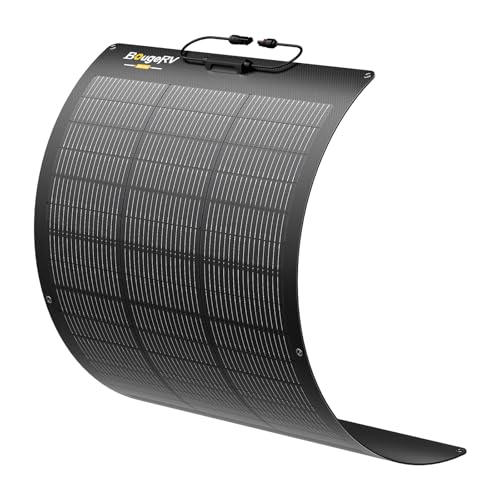
BougeRV Arch Pro 100W Anti-Shading N-Type
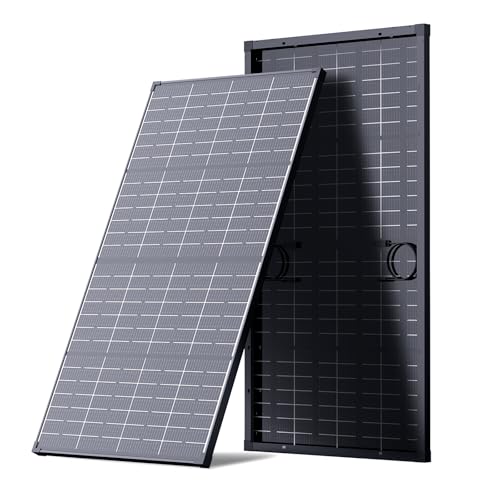
215W 4-Modules Anti-Shading Bifacial Solar Panel

RENOGY REGO 200 Watt Solar Panel ShadowFlux

BougeRV 200W Portable Solar Panel N-Type
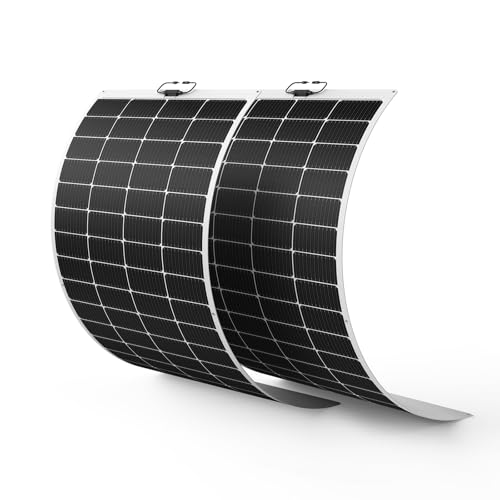
400W Flexible Solar Panel Set 2x200W

SUNGOLDPOWER UL61730 500 Watt Monocrystalline Solar Panel 10PCS
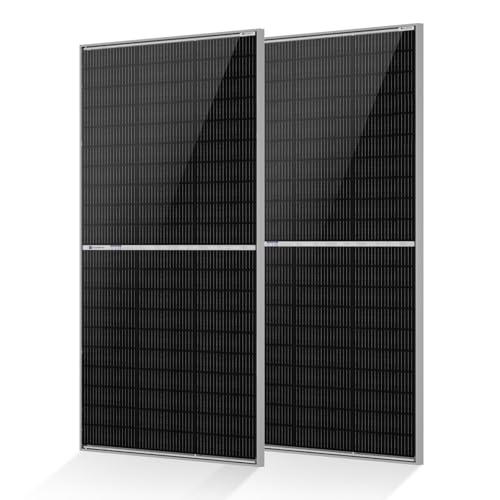
ECO-WORTHY N-Type 18BB 2Pcs 195 Watt Solar Panel
More Details On Our Top Picks
Shade handling is the main reason this panel stands out, especially on roofs where vents, rails, or nearby branches interrupt the light. The 12V and 24V system support keeps it useful across RV builds and small home backup setups.
You’ll likely appreciate the N-type module design when your charging window is short and inconsistent. Compared with the simpler Renogy 200W panel below, this one feels like the stronger shade-first choice for mixed-light installs.
Strong Points
- Anti-shading design helps keep output steadier in patchy light.
- Works with both 12V and 24V setups, which broadens placement options.
- 200W output suits modest RV banks and compact off-grid runs.
- Renogy’s N-type module approach is a practical fit for uneven sun exposure.
Things To Consider
- Rigid panels need a proper mounting surface and enough roof space.
- Installation takes more planning than a foldable panel, especially on curved surfaces.
- For portable use, this is less convenient than BougeRV’s fold-and-carry option.
Feature Snapshot
Who It Suits Best
RV owners and cabin setups with mixed sun and partial roof shade get the most from this panel.
Where A Sibling Pick Shines
RENOGY REGO 200 Watt Solar Panel ShadowFlux suits you better when you want a more premium Renogy rooftop option with the same shade-aware focus.
This Renogy panel is the cleaner all-around option for small systems that still need shade tolerance without extra fuss. The 16BB cell layout, meaning 16 thin conductor bars across the cell, supports more even current collection, which matters on cloudy mornings and under tree cover.
For van roofs, cabin sheds, and marine installs, the appeal is simple: solid output, familiar sizing, and broad voltage support. Compared with ShadowFlux above, this one feels a touch more general-purpose and a little less specialized toward shade-heavy rooftops.
What We Like
- 16BB cell design helps the panel stay useful in uneven daylight.
- 25% efficiency is strong for a 200W panel in a compact footprint.
- Fits 12V and 24V systems, which helps across common mobile and fixed installs.
- Good match for RV roofs where space and shade both matter.
- Easy to place into a starter or mid-size solar setup.
Worth Noting
- Rigid format is less forgiving on curved surfaces than a flexible panel.
- You’ll need suitable mounts and wiring space for a clean install.
- For highly irregular roof shapes, BougeRV Arch Pro is easier to fit.
Core Details
Built With In Mind
Van dwellers, RV owners, and cabin users who want a balanced rigid panel will feel at home with this one.
Another Choice May Suit
BougeRV 200W Portable Solar Panel N-Type suits you better when portability matters more than roof-mounted permanence.
Curved roofs and tight mounting areas are where this 100W flexible panel earns attention. Fiberglass backing gives it a different feel from the rigid Renogy picks above, and that matters on boat decks, arc-shaped camper roofs, or small spaces where stiffness becomes a problem.
The anti-shading design and N-type cell structure make sense for a setup that rarely sits in perfect noon sun. You may find the lower wattage enough for topping off smaller battery banks, but it won’t replace a larger roof array.
Highlights
- Flexible construction suits curved or uneven mounting surfaces.
- Fiberglass layer adds structure without turning it into a rigid board.
- 100W size works well for smaller portable power needs.
- Anti-shading design is useful where branches or rails break up sunlight.
Small Caveats
- 100W is modest, so larger power demands need more than one panel.
- Flexible panels often need careful mounting for long-term shape retention.
- For roof-mounted permanence, Renogy’s 200W rigid option is simpler.
Details At A Glance
Who Will Love This
Boat owners, van campers, and compact off-grid setups benefit most from the flexible shape and smaller footprint.
Skip It When
RENOGY REGO 200 Watt Solar Panel ShadowFlux is the better fit when your roof space can handle a larger rigid panel and you want more output.
Partial shade from trees and rooftop hardware is exactly the problem this panel is trying to solve. The bifacial build means it can use light from both the front and the rear sides, which can help in places where reflections or bright ground surfaces are part of the picture.
That four-module layout gives it a more segmented look than the earlier Renogy models, and that segmentation is part of the shade strategy. For RVs, marine decks, and 12V off-grid systems, it feels especially suited to messy daylight rather than clean, wide-open sun.
Reasons To Buy
- Four-module layout is built around partial-shade resilience.
- Bifacial design can capture usable light from both sides.
- 215W output sits above the smaller 200W choices in this list.
- Good fit for tree-lined sites, snowy surroundings, and rooftop clutter.
Areas To Watch
- Best results depend on placement and reflected light around the panel.
- Installation takes more planning than a simple flat panel.
- For a lighter, more portable setup, BougeRV Arch Pro is easier to handle.
Feature Card
Right Fit For
RV owners, marine installs, and off-grid setups with trees or nearby snow glare suit this panel well.
Where Another Pick Suits Better
BougeRV 200W Portable Solar Panel N-Type is the simpler match for campers who need to pack the panel away often.
Roof installs with tree shadow, building shade, or snow patches are the natural home for this REGO panel. It leans into the same ShadowFlux idea as the first Renogy pick, but the REGO branding signals a more refined rooftop-oriented option.
For RV owners who want something that feels purpose-built rather than generic, that matters. The trade-off is the same one you get with most rigid roof panels, it asks for space and a proper mounting plan, so it’s less forgiving than a flexible panel.
Upsides
- Shade-aware design suits roofs that rarely see clean, uninterrupted sun.
- 200W output is a comfortable middle ground for RV charging.
- N-type build and 25% efficiency point to strong use of limited roof area.
- Feels tailored to rooftop use rather than portable carry-around duty.
Softer Spots
- Rigid installation limits placement on curved or irregular surfaces.
- Better for permanent mounting than frequent setup and takedown.
- For a lighter portable approach, BougeRV’s foldable 200W panel is easier to move.
Quick Facts
The Right Fit
RV and marine users with shaded rooftops will get the most from this panel.
Swap It Out When
RENOGY ShadowFlux Solar Panels 200W is the more practical choice when you want a similar Renogy shade-first panel and a slightly broader system fit.
This is the easiest pick for people who charge gear in changing places, not just on a fixed roof. The foldable design and fiberglass layer make it easier to store, carry, and set up around campsites, temporary work areas, or seasonal off-grid spots.
IP65 protection means the enclosure is built to handle dust and low-pressure water exposure, which is reassuring for outdoor use without turning the panel into a rough-duty beast. Compared with the rigid Renogy options, this one gives up some permanence in exchange for a lot more mobility.
Best Bits
- Foldable design makes transport and storage much simpler.
- Fiberglass layer adds structure without the bulk of a rigid frame.
- IP65 protection suits camping and outdoor charging routines.
- 200W output works for compact portable power stations and RV backup charging.
Points To Note
- Portable format means you’ll need to set it out and pack it away.
- Less suited to permanent rooftop mounting than the rigid Renogy panels.
- For larger fixed coverage, Callsun’s 400W flexible set gives you more surface area.
Core Details
Made For
Campers, weekend travelers, and portable power station users fit this panel well.
A Better Fit Elsewhere
Renogy Solar Panels 200 Watt N-Type 200W makes more sense for a fixed van or cabin roof that stays in one place.
Large roof areas call for a different approach, and this two-panel 400W set answers with breadth instead of a single compact module. The cool-running white design and ETFE, a durable solar-facing surface layer, make it well suited to bigger surfaces where heat management and weather exposure matter.
That makes sense on catamarans, large RVs, and sheds with plenty of mounting room. You give up the easy portability of BougeRV’s foldable 200W panel, but you gain a much larger solar footprint without stepping into a rigid glass-panel setup.
Standout Traits
- Two 200W panels create broad coverage for larger mounting spaces.
- Flexible build helps the set follow wider roof surfaces more easily.
- ETFE surface layer is a smart choice for outdoor exposure.
- White design may help with heat buildup on sun-heavy roofs.
Room For Improvement
- Best suited to bigger surfaces, so small roofs may waste capacity.
- Flexible panels still need careful attachment for long-term stability.
- For a simpler single-panel layout, Renogy ShadowFlux 200W is easier to plan around.
Feature Rundown
Who Should Grab It
Large-RV owners, shed setups, and boat installations with wide mounting space are the best match.
Look Elsewhere When
BougeRV 200W Portable Solar Panel N-Type suits you better when transport and quick setup matter more than roof coverage.
Once you move into larger off-grid systems, the conversation shifts from small roof optimization to serious power planning. This 500W monocrystalline panel set is built for that bigger job, especially in RV, farm, parking lot, and on-grid or off-grid installations where a higher-capacity array makes more sense.
The whole-black look keeps it visually quiet, while the 12V, 24V, and 48V DC support gives the system room to scale. The trade-off is obvious, it’s a larger commitment in space and planning than the 200W panels, so it fits structured builds more than casual setups.
Bright Spots
- 500W capacity supports larger charging and storage goals.
- Works across 12V, 24V, and 48V DC systems.
- Monocrystalline cell design suits higher-output array planning.
- Pack of 10 gives you a serious multi-panel framework.
Honest Caveats
- Requires more installation space than the smaller single-panel picks.
- Best suited to planned systems, not casual portable use.
- For a smaller shade-first roof panel, Renogy ShadowFlux 200W is easier to place.
Technical Sheet
Best Suited To
Large off-grid setups, farm power projects, and fixed installations with room for an array suit this set well.
Reach For A Different Pick When
ECO-WORTHY N-Type 18BB 2Pcs 195 Watt Solar Panel is the easier path when you want a smaller two-panel kit with more modest space needs.
This two-panel set gives you a practical middle ground for shaded RV roofs, marine builds, and home off-grid layouts. The 6-zone matrix design breaks the panel into sections that can keep contributing even when part of the surface sits under a branch, vent, or roof edge.
That’s a smart fit for places where shade is uneven instead of constant. Compared with the SUNGOLDPOWER 10-panel set, this one is far easier to place into a smaller system, and compared with the single Renogy 200W panels, it gives you a paired layout to work with.
Positives
- Two-panel kit gives you practical coverage without a huge footprint.
- 6-zone matrix layout is built around broken light conditions.
- Bifacial design can help use reflected light around the installation area.
- 195W per panel keeps the size manageable for many roofs.
Minor Gripes
- Two-panel planning takes more wiring thought than a single-panel kit.
- The 195W size sits below the 200W and 215W options in this roundup.
- For a portable approach, BougeRV 200W Portable Solar Panel N-Type is easier to move.
Feature Card
Whose Shelf It Belongs On
You’ll get the most value from this kit in RV, marine, home, and off-grid systems with patchy sunlight.
Where A Sibling Pick Shines
Renogy ShadowFlux Solar Panels 200W is the cleaner choice when you want a single-panel setup with stronger brand familiarity for small roof installs.
How To Choose The Right Solar Panels For Shaded Areas
Start With The Shade Pattern
Shade is not all the same. A roof with a single vent shadow behaves differently from a campsite under tree cover or a shed that loses sun by midafternoon. Anti-shading layouts, bifacial cells, and segmented panels help most when shadow moves across part of the surface instead of covering the whole panel.
N-type cells matter here because they’re commonly chosen for better behavior in real-world lighting swings. You do not need the most expensive panel in the list for every setup, but you do need a layout that keeps working when the light is broken up.
Match The Form To The Surface
Rigid panels suit fixed roofs, rails, and straight mounting runs. Flexible panels make more sense on curved boats, rounded camper tops, and surfaces where a frame would fight the shape.
Foldable designs add another layer of practicality for travel, since they can move between jobs. The trade-off is simple, the more portable the panel, the less permanent it usually feels.
Size The Output To The Real Job
Think in terms of use, not just watts. A 100W portable panel can support light charging and backup top-offs, while 200W panels often fit RV owners and small cabins better, and 400W or 500W setups belong in larger arrays with more room and planning.
More output usually means more surface area, more mounting effort, and more system coordination. That’s not a bad thing, it just means the right choice depends on how much power you actually need to replace each day.
Check Durability Against Your Routine
Outdoor use is hard on any solar setup. Fiberglass backings, ETFE surface layers, and IP65 or IP68 protection all point to different levels of environmental handling, but the practical question is whether you want something you set and forget or something you pack away after each use.
Cleaning, storage, and cable management matter more than people expect. A panel that suits your mount and your routine will usually feel better long after the first sunny afternoon.
A Quick Reality Check
Hidden Buying Traps
Shoppers often focus on wattage and miss the mounting style. A flexible panel sounds convenient until you need the structure of a rigid frame, and a portable panel sounds simple until daily setup becomes a chore.
Another common miss is pairing the panel with the wrong system voltage or a roof that has too much dead space. Measure the installation area first, then match the panel shape and output to that space.
When Paying More Pays Off
Higher-tier panels usually cost more because the cell layout, surface materials, and shade-aware design are doing more work. Segmented layouts, bifacial construction, and premium surfaces like ETFE all add complexity that can make sense in difficult-light environments.
The upgrade is worth it when your installation lives under branches, around roof hardware, or on surfaces where every usable hour of sun matters. For simpler backup charging, a plain 200W panel can still be enough.
Frequently Asked Questions
Do shaded-area solar panels work in deep shade?
They work better than basic panels in broken light, but deep shade still limits output. The best results come from partial shade, moving shadows, and bright reflected light around the panel.
Are flexible solar panels a good fit for RV roofs?
Yes, especially on curved or uneven roofs where rigid frames are awkward. You trade some permanence for easier placement and a lower-profile install.
What does bifacial mean in a solar panel?
Bifacial means the panel can use light from both sides. That helps in places with reflective surfaces, snow, or bright ground around the installation.
Is 200W enough for a shaded setup?
It often is for small RV systems, cabin backups, and portable charging. Larger battery banks or heavier daily use usually call for more total output.
What matters more, wattage or shade design?
Both matter, but shade design often decides how useful the panel feels in messy light. A well-placed lower-watt panel can outperform a bigger one that handles shadows poorly.
Closing Thoughts
The right solar panel for shaded areas depends on how your light actually behaves, not just on the number printed on the box. A roof with tree cover asks for shade-aware cells, while a curved boat deck asks for flexibility, and a larger off-grid build asks for more total output. The strongest match is the one that fits your surface, your space, and your routine without making installation feel like a puzzle. Choose around those three things, and your setup will feel much more dependable.
