

Solar Panel Kits For Home make more sense once you match the kit to the space you actually have, the loads you want to cover, and how much setup complexity you can handle. A small cabin, a backup corner in the garage, and a full off-grid house all ask for very different hardware. The eight picks below cover that range without pretending every kit fits every roof or every goal.
Quick Look At The Shortlist

Renogy 400 Watt 12 Volt Premium 4 Pcs 100W Panel Set
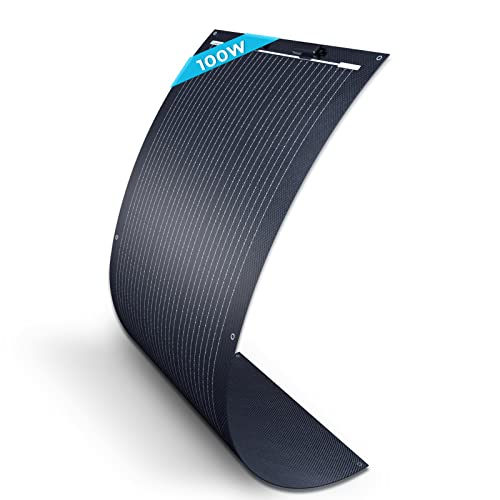
Renogy Flexible Solar Panel 100 Watt 240° Ultra Flex Bendable

ECO-WORTHY 400 Watt 12 Volt Premium Solar Panel Kit 4pcs 100W

ECO-Worthy 1.6KWH Complete Solar Panel Kit 400W 12V for RV Off Grid

ECO-Worthy 7.168KWH 800W Solar Panel Kit for RV Off Grid Complete System
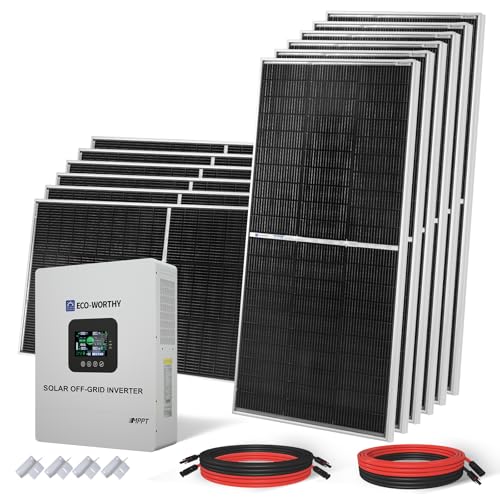
ECO-WORTHY 9.36KWH 2340W 48V Solar Power System Kit Off Grid

Renogy 100W 12V Solar Panel Starter Kit with 30A PWM Controller

ECO-WORTHY 4.68KWH Solar Power Complete Kit 1200W 48V with Lithium Battery and Inverter for Home
More Details On Our Top Picks
This Renogy bundle suits a home setup that starts at 12V and needs the parts gathered in one place. The 40A MPPT controller, meaning maximum power point tracking, helps the system work closer to panel output than a basic controller usually can, and the Bluetooth module makes status checks less of a chore.
Four 100W panels give you a clean, modular layout for a garage roof, shed roof, or larger RV-style mount that feeds a house backup bank. The trade-off is size, since four rigid panels need real mounting space and careful cable planning.
Strong Points
- Four-panel layout makes system planning straightforward.
- MPPT control suits longer cable runs better than a simpler controller.
- Bluetooth monitoring helps you check performance without opening hardware.
- Included brackets and cabling reduce the number of separate parts you need to source.
Things To Consider
- Rigid panels need flat, secure mounting space.
- The kit asks for a bit more installation time than a single-panel starter kit.
- Stored wiring and hardware take more room than a compact all-in-one bundle.
Feature Snapshot
Who It Suits Best
You get the most from this kit as a hands-on homeowner or camper who wants a tidy 12V foundation with room to grow.
Where A Sibling Pick Shines
Renogy 100W 12V Solar Panel Starter Kit with 30A PWM Controller is the easier fit for smaller backup builds that don’t need the extra panel count or the MPPT controller.
Some rooflines and curved surfaces leave rigid panels looking awkward or impossible to mount cleanly, and that’s where this flexible Renogy panel makes sense. Its 0.1-inch profile stays low, so it can suit a van roof, boat deck, or a cabin surface where weight and clearance both matter.
The 240-degree flex rating points to broad bend tolerance, which helps on shaped surfaces, though you still need a suitable mounting plan and a sound attachment surface. For home use, it’s more of a niche answer than a whole-roof solution, and that’s the point.
What We Like
- Flexible construction adapts to curved or uneven mounting areas.
- Low profile helps with clearance on tight installs.
- Lightweight format is easier to handle during placement.
- Works well for mixed-use setups that include marine or vehicle power.
Minor Gripes
- Flexible panels can ask more from your mounting surface than rigid ones.
- This is not the easiest choice for large, flat roof arrays.
- Surface prep matters, so a sloppy install can undercut the fit.
Core Details
Made For
You’re the right match for this panel if your mounting surface is curved, space is tight, or your home backup plan extends into a van, boat, or cabin.
Swap It Out When
Renogy 400 Watt 12 Volt Premium 4 Pcs 100W Panel Set suits a more traditional roof or ground-mount plan where rigid panels and a larger array make more sense.
This ECO-WORTHY kit follows the same basic 400W, 12V blueprint as the Renogy four-panel bundle, but it leans into an off-grid home or RV setup with N-Type panels in the listing title. N-Type means a newer panel cell style that can support efficient output, and that can matter in smaller arrays where every bit of usable sunlight counts.
You get the MPPT controller, Bluetooth module, and mounting Z brackets in the package, so the setup feels complete without a scavenger hunt for parts. The honest read is that it works best for shoppers who want a practical 12V system and care more about included hardware than polished extras.
Highlights
- N-Type panel wording suggests a more current cell design.
- Controller, Bluetooth module, and mounting pieces are bundled together.
- The 400W format supports modest home backup or RV use.
- Good fit for people who want fewer add-on purchases.
Room For Improvement
- The setup still needs real installation space and planning.
- Four rigid panels can be awkward in very tight locations.
- The package stays focused on generation, so storage remains separate from the core bundle.
Feature Rundown
The Right Fit
You’ll appreciate this one most as a homeowner or camper who wants a straightforward 400W build with useful included parts.
Look Elsewhere When
ECO-Worthy 1.6KWH Complete Solar Panel Kit 400W 12V for RV Off Grid makes more sense when you want batteries and inverter gear in the same package.
This kit goes a step beyond generation, since it bundles 2 x 12V 100Ah lithium batteries and an upgraded 2000W inverter with the 400W panel array. That makes it more useful for a garage backup corner, a small cabin, or an RV where you want stored power instead of panels alone.
The battery count matters because it lets you keep lights, small appliances, or charging gear running after sunset, not just while the sun is out. The trade-off is bulk and system complexity, so it suits a more committed setup than the earlier 400W panel-only picks.
Reasons To Buy
- Battery storage turns the kit into a true power package.
- The 2000W inverter broadens what you can run from the system.
- Bluetooth support helps you keep tabs on usage and charging.
- Good fit for backup power in a smaller home setting.
Points To Note
- More pieces mean more wiring and more planning.
- The battery and inverter gear take up noticeable space.
- Maintenance and layout decisions matter more than they do with simpler kits.
At A Glance
Best Suited To
This belongs on the short list for homeowners or RV users who want stored power, not just solar input.
A Better Fit Elsewhere
Renogy 400 Watt 12 Volt Premium 4 Pcs 100W Panel Set is the cleaner choice for a simpler build that skips battery storage.
At this size, the conversation shifts from basic backup to longer self-sufficiency. Four 195W panels, two 12.8V 280Ah lithium batteries, a 60A MPPT controller, and a 3000W UPS inverter charger add up to a kit that suits bigger RV systems or a more serious cabin build.
You may find the 7.168KWh storage figure most useful if your power use stretches into evenings and cloudy stretches, since the kit is built to hold more energy in reserve. The catch is footprint and cost complexity, so it’s less casual than the earlier 400W or 1.6KWh options.
Best Bits
- Large battery bank supports longer runtime between charging cycles.
- 800W panel capacity makes the array feel more substantial.
- UPS inverter charger adds useful power-management flexibility.
- Bluetooth controller support helps with day-to-day monitoring.
- Good match for bigger off-grid living patterns.
Areas To Watch
- The kit demands more installation room than smaller bundles.
- It makes sense only when your power use justifies the scale.
- Battery-based systems usually need more careful layout and upkeep.
Feature Card
Whose Shelf It Belongs On
You’re the right fit for this system only when your home, cabin, or RV plan calls for serious stored power and a larger energy budget.
Where Another Pick Suits Better
ECO-Worthy 1.6KWH Complete Solar Panel Kit 400W 12V for RV Off Grid is easier to manage for smaller backup roles and lighter power habits.
This kit sits in the full-house conversation rather than the weekend-cabin one. Twelve 195W mono panels, a 5000W 48V all-in-one off-grid charge inverter, and Z mounting brackets point toward a substantial system that needs more space and a more deliberate plan than any 12V bundle here.
The plug-and-play language in the title suggests easier assembly than a pile of loose components, though the scale still asks for a careful install. For a home backup room, shop building, or larger off-grid property, the 48V format gives you room to grow without immediately outgrowing the system.
Positives
- Large 48V format suits higher-demand builds.
- Twelve panels create a serious generation footprint.
- All-in-one inverter design keeps the core package consolidated.
- Plug-and-play wording suggests a more organized setup path.
Softer Spots
- The footprint is too large for compact installs.
- It asks more from your mounting area and electrical planning.
- Smaller backup jobs would leave much of this kit unused.
Technical Sheet
Built With In Mind
This belongs with you if your off-grid property needs real capacity and you have the room to host a 48V system.
Another Choice May Suit
ECO-Worthy 7.168KWH 800W Solar Panel Kit for RV Off Grid Complete System is the easier step-up for people who want strong storage without jumping straight to a 2340W array.
This Renogy starter kit keeps the learning curve modest, which helps a lot for a first solar setup on an RV, camper, or small off-grid corner. The monocrystalline panel, charger controller, cables, and Z-brackets form a simple package that feels less intimidating than the larger multi-panel bundles above.
The 30A PWM controller, meaning pulse width modulation, is a simpler style than MPPT, so the trade-off is less sophistication in exchange for easier entry and a cleaner starting point. For a small shed, a trailer, or a backup battery project, that simplicity can be exactly what you want.
Upsides
- Small package makes the first install feel manageable.
- Included cables and brackets reduce parts hunting.
- PWM control keeps the system easy to understand.
- Good starting size for light-duty power needs.
Worth Noting
- Single-panel output stays modest compared with the larger kits here.
- PWM control is simpler than MPPT for some layouts.
- Expansion will likely need extra planning later.
Details At A Glance
Who Should Grab It
You’ll get the most from this kit as a first-time solar installer who wants a smaller, readable system instead of a sprawling array.
Reach For A Different Pick When
Renogy 400 Watt 12 Volt Premium 4 Pcs 100W Panel Set is the smarter step once your roof space and power needs move past starter-size output.
This home-focused ECO-WORTHY kit sits between the midrange backup bundles and the larger 48V systems. Six 195W N-Type bifacial panels, a 48V 50Ah lithium battery, and a 3500W solar charger inverter make it a strong fit for a garage backup setup or a home that wants more than basic daytime generation.
Bifacial panels can capture light from both sides, so they make the most sense where reflected light or a favorable mount can help. You still need a proper installation plan, but for a homeowner who wants a substantial yet not oversized package, the balance feels sensible.
Positives
- N-Type bifacial panels suit a more advanced home array.
- The 48V battery keeps the system anchored for storage use.
- 3500W inverter capacity broadens usable household loads.
- Six-panel layout gives you more flexibility than a tiny kit.
Areas To Watch
- The package still takes planning and dedicated install space.
- Home use works best with a clear backup or load-shedding plan.
- The setup is more involved than a simple starter panel bundle.
Core Details
Perfect Match For
You’re the right fit for this kit if you want a home backup system with real storage and more flexibility than a small 12V bundle.
Skip It When
Renogy 100W 12V Solar Panel Starter Kit with 30A PWM Controller is the better route for a small, low-pressure entry point.
How To Choose The Right Solar Panel Kits For Home
Match Voltage And System Size To The Job
Start with the voltage the kit is built around, since 12V and 48V systems serve different jobs. A 12V kit like the Renogy 100W starter or the 400W bundles suits small backup roles, short cable runs, and simpler layouts, while 48V systems make more sense as power needs rise.
The bigger question is storage versus generation. A panel-only kit helps you charge batteries, but a package with lithium storage and an inverter, like the ECO-WORTHY 1.6KWH or 4.68KWH options, gives you usable power after sunset.
Think About Mounting Space And Surface Shape
Flat roofs, sheds, and ground mounts work well with rigid panels because they’re easier to align and secure. Flexible panels answer a different problem, especially on curved roofs, boats, or vans where a rigid frame would feel clumsy.
Weight matters too. A lighter panel can help on a vehicle or an awkward structure, while a full 12-panel 48V system needs a sturdier site and more careful layout.
Controller Type Changes How The System Feels
MPPT controllers, or maximum power point tracking controllers, usually suit larger or more variable systems because they manage charging more efficiently across changing light conditions. PWM controllers are simpler and can feel friendlier for a first setup, especially in smaller kits.
Bluetooth monitoring adds convenience, not magic. It helps you check system behavior without going outside, which is handy in a garage, on a roof, or in bad weather.
Storage And Inverter Capacity Decide Day-To-Day Use
Once you want lights, fans, or small appliances after dark, battery capacity matters as much as panel wattage. A kit with lithium batteries and an inverter can cover a much more useful slice of real home life than a panel bundle alone.
Inverter size shapes what you can power at once, so a 2000W or 3500W unit serves a different household pattern than a small starter controller. Match that capacity to your actual loads, not to the biggest number you see in the title.
Things Worth Knowing First
Wrong Turns To Avoid
Many first-time setups go wrong because the panel count looks impressive while the mounting site is too small or too shaded. Another common miss is buying a panel bundle when the real need is storage, inverter output, or both.
It also helps to check whether the controller type matches the rest of the system. A mismatch can leave you with hardware that works, but not as smoothly as you expected.
The Upgrade Payoff
Higher-tier kits usually cost more because they add batteries, larger inverters, more panels, and smarter charge control. You’re paying for more usable power, longer runtime, and fewer separate purchases.
That upgrade makes sense for homes that want backup during outages, cabins that stay in use for long stretches, or off-grid properties that treat solar as the main energy source. For a light-duty shed or a small camper, the extra scale can be overkill.
Frequently Asked Questions
How much solar capacity suits a small home backup setup?
A 100W to 400W kit can handle light charging and basic backup roles. A larger home setup usually needs storage and inverter support, not just more panel wattage.
Is MPPT better than PWM for home solar kits?
MPPT is usually the stronger fit for larger or more complex systems because it manages charging more efficiently. PWM works well for simpler, smaller setups where ease matters more than squeezing out extra performance.
Do flexible panels make sense for rooftops?
Flexible panels make sense on curved or weight-sensitive surfaces. Flat roofs usually suit rigid panels better because mounting is simpler and the panels are easier to secure.
Why do some kits include batteries while others do not?
Battery-backed kits store energy for later use, so they cover evening and cloudy-day needs better. Panel-only kits are a lighter starting point when you already have storage or plan to add it later.
What matters more, panel wattage or inverter size?
Both matter, but they solve different problems. Wattage tells you how much energy you can gather, while inverter size tells you how much AC power you can use at once.
Closing Thoughts
The right solar kit is the one that fits your roof, your storage needs, and your tolerance for setup work. Small starter bundles keep things simple, midrange 400W kits offer a sensible step up, and the larger 48V systems make sense only when your home or cabin really needs that scale. Focus on the job you want the system to do, not the biggest number in the title. That keeps the choice grounded, and it usually leads you to a kit you’ll actually live with comfortably.
