

Solar charging gear covers a lot of ground, from small battery-maintainer kits to full portable power stations. You may be matching a setup to RV trips, blackout backup, remote cameras, or a campsite where every outlet matters. This shortlist helps you compare the shape, capacity, and output style that fit your routine without overbuying or ending up short on ports.
The Shortlist At A Glance

Renogy 200W Portable Solar Panel

EF ECOFLOW Solar Generator Delta 3 Classic 220W Panel

SUNER POWER 30W 12V Solar Battery Charger Maintainer

Jackery Solar Generator 300 and 40W Solar Panel
20W Solar Panel Kit with 24000mAh Battery
Solar Panel with Battery, 20W Solar Panel 26000mAh Backup

Renogy Bifacial Solar Panel 250W N-Type

Portable Solar Generator 300W with 60W Solar Panel

Jackery Solar Generator 1000 v2 and 200W Solar Panel
More Details On Our Top Picks
Foldable panels make sense for road trips, and this Renogy unit fits that life well. The kickstand matters more than it sounds, because easy angling can save you from fussing with improvised props at a campsite or in a driveway.
The USB-A and USB-C outputs add everyday flexibility, so you can top up smaller devices without routing everything through a power station. The trade-off is simple, portable panels still ask you to manage placement and storage, so this suits people who don’t mind a bit of setup.
Strong Points
- Foldable format stores neatly in a van, trunk, or RV bay.
- Kickstand support makes panel aiming less awkward on uneven ground.
- USB-A and USB-C outputs add direct charging options for small gear.
- IP65 protection suits damp weather and dusty outdoor use.
- Well matched to portable power stations for camping backup.
Worth Noting
- Portable panels still need a clear, sunny setup window.
- The foldable design asks for a little care during packing and unloading.
- Best results depend on how well you angle it through the day.
Feature Snapshot
Who It Suits Best
Campers, RV owners, and off-grid weekend users who want a portable panel with straightforward setup will get the most from it.
A Better Fit Elsewhere
Jackery Solar Generator 1000 v2 and 200W Solar Panel suits you better when your priority is larger stored energy and longer backup coverage.
Household backup needs usually call for more than a panel and a small battery, and this bundle leans into that. The 1024Wh capacity, which is the amount of stored energy available, gives you a much wider cushion for phones, laptops, lights, and other essentials than the smaller portable picks above.
The 1800W AC output, with 3600W surge for brief startup bursts, also opens the door to fuller-size gear. For most homes and serious basecamp setups, that’s the real draw, though the larger footprint and weight class will feel like more of a commitment than the Renogy portable panel or the Jackery 300 bundle.
Highlights
- 1024Wh capacity gives you more stored energy for longer gaps.
- 1800W AC output supports a wider range of household electronics.
- 100W USB-C output is useful for modern laptops and tablets.
- 10ms UPS mode helps maintain continuity during switchover, a small but useful detail for some desk setups.
- The fast-charge focus suits users who want shorter refill windows.
Areas To Watch
- Bulkier power systems ask for more storage and a fixed charging spot.
- More capability also means more gear to move around.
- Smaller travel kits will feel simpler for overnight use.
At A Glance
Who It Suits Best
Households that want a serious backup station for outages, remote work, or basecamp life will get the most from this package.
Another Choice May Suit
Jackery Solar Generator 1000 v2 and 200W Solar Panel fits you better when you want a similar backup role with a different balance of capacity, charge speed, and brand ecosystem.
Battery maintainers are a different animal from the bigger power stations above, and this one is built for that quieter job. The built-in MPPT controller, meaning maximum power point tracking, helps the panel work more intelligently as light levels shift through the day.
That makes sense for vehicles that sit a lot, such as an RV in storage, a boat at the marina, or a spare car in the driveway. The adjustable bracket is the practical part people tend to appreciate most, though you still need a sensible mounting surface and a clean panel face for consistent results.
Reasons To Buy
- MPPT charging logic helps the panel respond better to changing sunlight.
- 30W output fits maintenance tasks rather than full power loads.
- Adjustable bracket makes angle changes less awkward.
- Waterproof design suits outdoor storage and dockside use.
Small Caveats
- Its job is maintenance, not big appliance backup.
- Placement matters, so shaded parking spots can reduce usefulness.
- Mounting takes a little planning for the cleanest install.
Core Details
Who Will Love This
Drivers, boat owners, and RV owners who want battery upkeep during long parked stretches are the natural fit here.
Swap It Out When
Renogy Bifacial Solar Panel 250W N-Type suits you better when you need a larger fixed-panel setup for a roof, homestead, or off-grid array.
At 7.5 pounds, this bundle stays in the easy-carry zone for travel days, short hikes, and van trips where every pound matters. The integrated handle and compact battery size make it feel less like equipment and more like a grab-and-go utility piece.
The 300W rated output covers common portable loads, while the pure sine wave AC outlet gives a cleaner power shape for gear that prefers steadier electricity. That’s a useful mix for cameras, laptops, and campsite gadgets, though the smaller capacity means it’s better for shorter usage windows than for long outage coverage.
Upsides
- 7.5-pound weight keeps transport easy for travel-focused use.
- Pure sine wave AC helps sensitive electronics feel more comfortable on power.
- Multiple ports support several small devices at once.
- Good fit for camping kits where space is tight.
Points To Note
- Smaller storage capacity means shorter runtime than larger stations.
- Travel-friendly size is great for mobility, less so for whole-home backup.
- Like any compact unit, port planning matters.
Feature Rundown
Built With In Mind
Travelers, campers, and van users who want light weight over long runtime will find the fit strongest here.
Look Elsewhere When
ZeroKor Portable Solar Generator 300W with 60W Solar Panel makes more sense for a compact backup setup where you want a different port mix and battery shape.
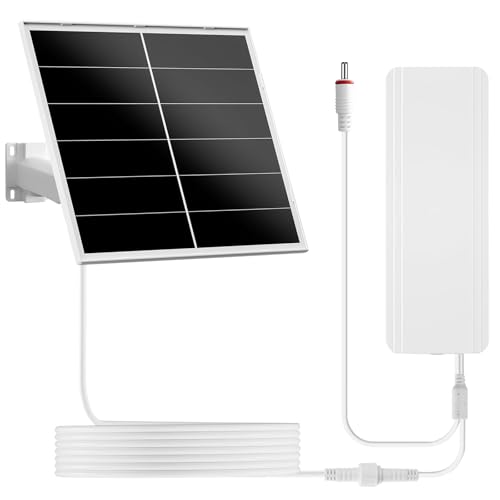
This kit sits in the middle ground between a tiny panel and a full portable station. The built-in 24000mAh battery, which is a compact measure of stored charge, gives you buffer power for small loads without dragging in a bigger box of gear.
The 5V and 12V adjustable output is the useful detail here, since it broadens compatibility with different devices and small systems. In a shed, camper, or backup bin, that flexibility is handy, though you’ll want to match your device needs closely because the setup is still aimed at modest power jobs.
Best Bits
- Built-in battery adds storage instead of relying only on live sunlight.
- Adjustable 5V and 12V output broadens device compatibility.
- USB-C and DC plugs make connection choices more flexible.
- 360-degree mount helps placement in tighter outdoor spots.
Honest Caveats
- Small-scale output keeps it in the support-role category.
- More device compatibility still depends on the gear you connect.
- The mount and panel need thoughtful placement for steady use.
Technical Sheet
Perfect Match For
Compact campers, tool sheds, and low-draw backup setups are the clearest fit for this kit.
A Better Fit Elsewhere
SUNER POWER 30W 12V Solar Battery Charger Maintainer suits you better for vehicle storage because it focuses on battery maintenance rather than mixed-output convenience.
This one makes the most sense around cameras, lights, and remote monitoring gear, where a compact panel with its own battery backup can reduce daily fuss. The built-in 26000mAh pack gives you stored power on top of live charging, which is useful during cloudy stretches or overnight use.
The 5V USB-C output keeps the connection side simple for compatible devices. One thing worth considering is that this style of product tends to work best when the panel stays clean and well aimed, so a little maintenance pays off in steadier charging.
Standout Traits
- Built-in battery backup adds a second layer of stored power.
- 20W panel suits small monitoring and lighting jobs.
- USB-C output keeps connections straightforward for modern gear.
- IP65 protection helps with outdoor placement.
Room For Improvement
- Best suited to small loads rather than large electronics.
- Panel upkeep matters, especially in dusty or pollen-heavy areas.
- Placement affects how much value you get from the backup battery.
Details At A Glance
Whose Shelf It Belongs On
Homeowners with outdoor cameras or remote lights will get the cleanest fit from this setup.
Where A Sibling Pick Shines
20W Solar Panel Kit with 24000mAh Battery is a better fit for you when you want adjustable 5V and 12V outputs for more mixed small-device use.
Fixed installations need panels that can pull more from the environment, and this bifacial design aims at exactly that. Bifacial means it can gather light from both sides, which matters on reflective surfaces, rooftop arrays, and open ground setups where bounce light is part of the picture.
The anti-shading approach is useful too, because a partly shaded panel can lose more than you might expect. For off-grid homes, boats, or RV rooftops, that extra resilience is attractive, though this is less of a grab-and-go choice and more of a panel for people who already have a proper mounting plan.
Positives
- Bifacial layout can make good use of reflected light.
- 250W output suits larger arrays and more serious charging plans.
- Anti-shading design helps reduce performance loss from partial shade.
- N-Type cell construction is aimed at higher-efficiency operation.
- IP68 rating supports tougher outdoor placement than lighter portable panels.
Minor Gripes
- This panel makes more sense in a mounted system than in casual travel use.
- Installation planning matters more than it does with foldable panels.
- Fixed-location gear needs a cleaner setup and more permanent space.
Quick Facts
Made For
Home arrays, RV roof installs, marine setups, and off-grid builds are the clearest match.
Reach For A Different Pick When
Renogy 200W Portable Solar Panel suits you better for folding portability, easier storage, and temporary camp setups.
This ZeroKor bundle keeps the idea simple, a portable station paired with a modest solar panel for basic backup and outdoor use. The 280Wh battery gives you enough stored energy for smaller electronics, which is often the right scale for weekend trips or a van that only needs light support.
The pure sine wave AC outlet is the key detail, because some devices prefer steadier power rather than a rougher output shape. That said, the 300W ceiling keeps the whole setup in the compact camp, so this is best for charging routines, not appliance-heavy living.
Positives
- Compact battery size keeps the unit easier to stow.
- Pure sine wave AC is friendlier to sensitive electronics.
- USB QC3.0 adds a quick-charge option for supported devices.
- Portable panel pairing makes the kit useful outdoors.
Softer Spots
- 280Wh is enough for small jobs, not extended household backup.
- Limited output means careful device matching matters.
- Like most compact stations, outlet planning helps avoid clutter.
Feature Card
Best Suited To
Weekend campers, van travelers, and anyone building a modest portable backup kit will find the fit cleanest here.
Look Elsewhere When
Jackery Solar Generator 300 and 40W Solar Panel suits you better if you want a lighter carry and a more familiar compact travel profile.
For longer outages or RV living, this bundle sits at the more serious end of the group. The 1070Wh battery gives you a generous reserve, and the 1500W AC output adds far more usable headroom than the smaller Jackery 300 bundle earlier in the list.
The 1-hour fast charge claim speaks to convenience, while the 100W USB-C port helps with modern devices that like higher-watt charging. That bigger capability usually brings a bigger physical commitment too, so it fits people who value capacity first and portability second.
What We Like
- 1070Wh storage gives you a larger backup reserve.
- 1500W AC output supports more demanding gear.
- 100W USB-C is useful for fast modern device charging.
- LiFePO4 battery chemistry is a strong fit for repeated use patterns.
- The fast-charge focus reduces wait time between runs.
Trade Offs
- Higher-capacity systems usually take up more room.
- More capability also means less grab-and-go convenience.
- Travelers who only need light backup may find it more than necessary.
Core Details
Who Should Grab It
RV owners, long-stay travelers, and households planning around outage backup will get the best use from this bundle.
Where Shoppers Go Wrong
ZeroKor Portable Solar Generator 300W with 60W Solar Panel suits you better when the target is smaller storage, lighter transport, and simpler weekend use.
How To Choose The Right Solar Panel Battery
Match Output To The Job
Start with what you want to power, not with the biggest number on the page. A 20W maintainer makes sense for parked vehicles and camera backups, while 200W and 250W panels fit camping stations and fixed arrays with more energy demand.
Battery capacity works the same way. A 280Wh or 292Wh station handles phones, lights, and small electronics, while 1024Wh and 1070Wh options give you a longer cushion for outages, laptops, and heavier routines.
Look At Port Shape And Power Type
USB-C, USB-A, DC, AC, and car ports each solve a different problem. USB-C helps modern devices, DC keeps some outdoor gear simple, and AC matters when you need household-style outlets.
Pure sine wave AC is worth noticing because it offers a cleaner output shape for sensitive electronics. That detail is common on the travel and portable-station side of this category, and it can make a setup feel less fussy.
Think About Where It Lives
Foldable panels and compact stations suit trunks, vans, and weekend storage bins. Bifacial rigid panels make more sense on roofs, walls, or array frames where you can leave them in place.
Weather resistance matters too, especially for gear that sits outside through dust, drizzle, or long sunny stretches. IP65, IP66, and IP68 ratings point to different levels of protection, so the right match depends on how exposed your setup will be.
Don’t Ignore Mounting And Maintenance
A panel that aims easily is often more useful than a fancier one that never gets positioned well. Kickstands, adjustable brackets, and 360-degree mounts help you get steadier charging with less hassle.
Cleaning and storage also matter in real life. Dust, pollen, and bad packing habits can chip away at performance, so the cleaner and more deliberate your routine, the longer the setup tends to stay useful.
Things Worth Knowing First
Mistakes Worth Dodging
Many people oversize or undersize the setup because they focus on one number. A big battery with a tiny panel can feel slow to recover, while a small battery can run out faster than expected during a cloudy weekend.
Another common miss is ignoring port compatibility. A strong panel still falls short when your camera, laptop, or controller needs a different connector or voltage.
The Upgrade Payoff
Higher-tier setups usually cost more because they bundle larger batteries, faster refill paths, and stronger output stages. LiFePO4 chemistry, UPS support, or bifacial panel design all add parts and engineering that smaller kits skip.
That extra spend tends to make sense for outage planning, RV living, and frequent use. For occasional camping or battery maintenance, simpler gear often covers the job without bringing extra bulk.
Frequently Asked Questions
What size solar panel battery fits camping?
A compact station around 280Wh to 300Wh works for phones, lights, and small electronics. For longer stays or more devices, a larger battery and a 200W panel make the setup easier to live with.
What does MPPT mean on a solar charger?
MPPT stands for maximum power point tracking. It helps the charger respond more intelligently as sunlight changes.
Do bifacial panels help in real use?
Bifacial panels can collect light from both sides, so they can benefit from reflective surroundings. They make the most sense in fixed installs or open setups rather than crowded storage spaces.
Is a 12V battery maintainer the same as a power station?
No, a maintainer is made to keep a battery topped up, not to run lots of electronics. A power station stores usable energy for appliances and devices.
What matters more, panel watts or battery capacity?
Both matter, but they solve different parts of the job. Panel watts influence how quickly sunlight can refill the system, while battery capacity tells you how much power you can use before recharging.
Closing Thoughts
Your best match depends on the kind of backup you actually need, not the biggest number in the catalog. A compact maintainer handles parked vehicles, a travel bundle suits weekend movement, and a larger station feels right for outages or RV life. Once you line up output, ports, and storage with your routine, the right choice becomes much easier to spot. Pick the setup that fits your space first, then let the rest follow.
