

Solar backup gear has a way of looking simple until you need it in a garage, camper, utility room, or closet with barely enough space to turn around. This roundup helps you sort through carrying cases, battery enclosures, charge controllers, and full home-backup units by how they fit real routines, not by buzzwords.
You’ll find options for travel, storage, off-grid power, and home resilience, plus a few purpose-built choices that make maintenance less awkward. The mix leans practical, so you can match size, capacity, and build style to the way your setup actually lives day to day.
Quick Look At The Shortlist
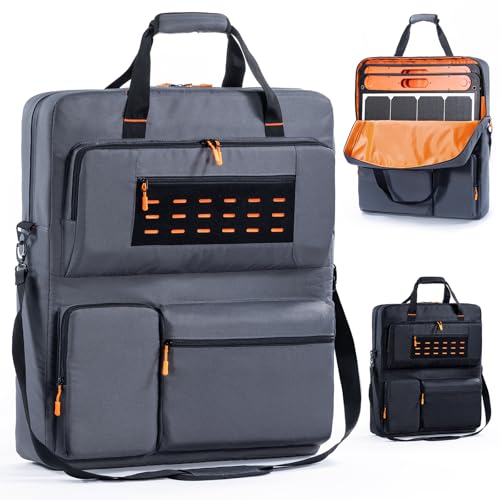
Jackery SolarSaga Carrying Case for 2 Panels

Jackery HomePower 3600 Plus Portable Power Station

SunnyLith 12V 200Ah LiFePO4 Fireproof Safe Bag

ZeroKor R100 Portable Power Station Carrying Case

ZOOPIP Lithium Battery Storage Organizer

XBERSTAR 12V100Ah Battery Case Without LCD Display
ZINIKIF Solar Energy Storage Charging Controller
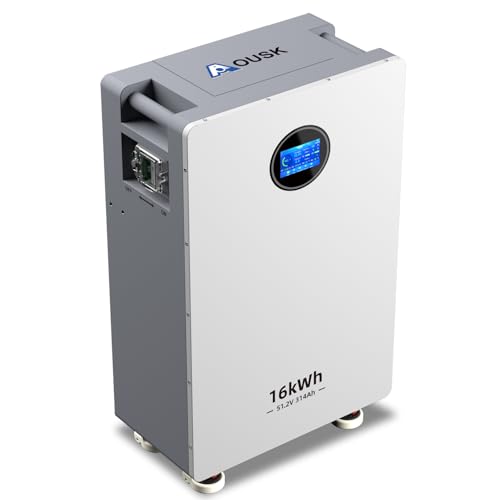
AOUSK 48V 314Ah Lifepo4 16.07kWh Lithium Battery

XBERSTAR 12V100Ah Battery Case With LCD Display
A panel bag like this matters most once your setup leaves the garage and starts riding in a trunk or trailer. The fit is aimed at Jackery SolarSaga 100W, 100X, and 200W panels, so you’re looking at protection and carry convenience rather than general-purpose storage.
That narrower fit is the upside, because the bag can stay focused on one job instead of acting loose around the panels. The trade-off is obvious, though, since it won’t help much outside that ecosystem, and folks with mixed-panel gear will want a broader case.
Strong Points
- Shaped around a specific panel family
- Helps keep two panels together in transit
- Multiple pockets support cords and small accessories
- Simplifies loading before road trips or storage days
Points To Note
- Only useful for the listed Jackery panel sizes
- Not a universal solar gear organizer
- Bulk inside the bag depends on how many extras you carry
Feature Snapshot
Who It Suits Best
You get the most out of this case when your solar panels already live in the Jackery SolarSaga line and you travel often enough to want a dedicated carry layer.
Where A Sibling Pick Shines
ZOOPIP Lithium Battery Storage Organizer fits better for hobby benches or mixed battery storage, since it’s made for organizing cells rather than panel transport.
This is the heavy lifter in the group, and the numbers tell you why. You get 3600W AC output, 3584Wh of LFP battery storage, and an expansion path up to 21kWh, so it’s aimed at serious home backup rather than light weekend use.
LFP means lithium iron phosphate, a battery chemistry known for stability and long cycle life, and that matters in a backup unit that may sit ready for long stretches. For homes, RVs, or emergency kits, the scale is generous, but the footprint and cost expectations rise with it.
What We Like
- Large base storage for longer outages
- High AC output supports demanding appliances
- Expandable capacity leaves room for future growth
- Solar-panel pairing keeps the system practical for off-grid planning
- Matches home backup and RV use well
Small Caveats
- Size and weight expectations are higher than portable camp units
- Overkill for short trips or light charging
- Expansion planning takes a little setup thinking
Core Details
Built With In Mind
You’ll get the most value from this unit in a home that needs real backup capacity, or in an RV setup where a stronger solar generator matters more than portability.
Swap It Out When
ZeroKor R100 Portable Power Station Carrying Case fits better for campers who only need a smaller travel case, not a whole-home power system.
This one is built for the part of solar ownership that feels a little less polished, the charging corner or storage shelf where batteries wait between uses. The listed 22 x 9 x 9.5 inch size gives you a sense of the footprint, and the bag style is aimed at keeping that space more contained.
The waterproof-box wording also suggests a broad storage role for documents and valuables, so the shape leans toward protective containment rather than a soft travel pouch. For garages, workshops, or utility rooms, that sort of tougher staging can be more useful than a lighter bag, though it will take more room than a slim sleeve.
Highlights
- Large internal size suits substantial battery storage needs
- Fire-resistant and explosion-resistant positioning adds peace of mind in storage areas
- Useful for charging stations that need a more contained setup
- Waterproof box framing broadens storage use beyond batteries alone
Areas To Watch
- Dimensions may feel bulky on crowded shelves
- More storage-focused than travel-friendly
- Cleaning and placement matter more in dusty utility spaces
Details At A Glance
Whose Shelf It Belongs On
You’ll appreciate this most in a workshop, garage, or off-grid utility area where battery storage needs a more serious enclosure.
A Better Fit Elsewhere
Jackery SolarSaga Carrying Case for 2 Panels is a cleaner match for portable solar panels, since its shape follows a transport-first use case.
Smaller portable stations are easier to carry, and they still deserve a case that keeps cords and scuffs in check. This ZeroKor option is built around the R100 portable solar generator, so it makes sense for camping kits or emergency closets where the unit moves around more than it sits still.
The trade-off is focus, not flexibility. That narrow fit is good news for R100 owners, but anyone running multiple power stations or changing gear often will probably want something more universal, like the ZOOPIP organizer or a broader carry solution.
Reasons To Buy
- Tailored fit for the R100 unit
- Simple way to keep a small power station together with accessories
- Well suited to outdoor packing and trunk storage
- Less cumbersome than larger battery cases
Worth Noting
- Only makes sense for the R100 form factor
- Not a broad storage system for mixed gear
- Owners of larger stations will outgrow it quickly
Quick Facts
Right Fit For
You’ll like this most if you keep an R100 in the car, take it camping, or store it with a few related accessories instead of a whole rack of gear.
Look Elsewhere When
Jackery HomePower 3600 Plus Portable Power Station fits better for households that need an actual backup power source instead of a simple carrying case.
This organizer reads like a cleaner answer for the bench, shelf, or charging nook where loose batteries tend to pile up. At 13.5 x 9.8 x 10.4 inches, it gives you a defined container, and the dual-handle layout makes the box easier to shift around than a rigid bin with awkward grip points.
The sortable placement angle is the useful part here, because cell storage often gets messy long before it gets full. Compared with the SunnyLith bag, this one looks more like a tidy organizer for repeated access, which is a better fit for hobby spaces and maintenance routines.
Best Bits
- Organized storage suits small parts and battery cells
- Dual handles improve day-to-day moving
- Defined footprint helps on shelves and worktops
- Large capacity suits growing battery collections
Honest Caveats
- Best use is storage, not carrying over distance
- Silver finish may show dust in busy work areas
- Large size asks for dedicated shelf space
Core Details
Made For
You’ll get the most out of this organizer in a workshop, garage, or desk-side charging area where you want batteries kept sorted and easy to grab.
Another Choice May Suit
SunnyLith 12V 200Ah LiFePO4 Fireproof Safe Bag suits owners who need a tougher, more enclosed storage approach for larger battery gear.
Some solar builds work better with a plain, no-frills housing, and this XBERSTAR case fits that mindset. The listing points to LiFePO4 cells in several common formats, plus 12V, 12.8V, 100Ah, 120Ah, and 150Ah use cases, so it’s aimed at DIY system assembly rather than decorative storage.
Without an LCD display, you give up a bit of at-a-glance monitoring, but you also get a simpler layout with less to puzzle over. That works well for hands-on builders who already monitor their system elsewhere, though newer tinkerers may prefer the sibling version with the display.
Upsides
- Flexible fit across several common LiFePO4 cell sizes
- Useful for custom 12V solar system builds
- Simpler housing keeps the design straightforward
- Good match for builders who already track status separately
Room For Improvement
- No LCD display for quick status checks
- Less friendly for beginners who want visible feedback
- DIY assembly still calls for careful setup and planning
Feature Rundown
Who Should Grab It
You’ll get the most from this case if you build your own 12V solar battery pack and already know the rest of the system layout.
Skip It When
XBERSTAR 12V100Ah Battery Case With LCD Display makes more sense for anyone who wants a quick readout built into the enclosure.
This controller sits in a different lane from the big storage cases, because it’s about managing charging rather than boxing up hardware. The listing mentions AA NiMH batteries, a USB DC switch charging port, support for a solar fan, and charging 18650 batteries, so it’s clearly aimed at small, mixed-purpose solar projects.
That variety can be handy in a workshop or compact off-grid corner, especially where you want one controller handling several low-power tasks. The trade-off is focus again, since this is a controller, not a storage box, and it won’t replace the larger cases in the lineup.
Positives
- Handles more than one battery-related task
- Useful for small solar charging setups
- USB DC switch port adds flexibility
- Can support a solar fan alongside charging work
Points To Note
- Not a storage container
- Best suited to smaller electronics and battery jobs
- Less relevant for large home backup plans
Feature Card
The Right Fit
You’ll appreciate this if your solar setup includes small batteries, a fan, or another compact charging task that needs simple control.
Reach For A Different Pick When
AOUSK 48V 314Ah Lifepo4 16.07kWh Lithium Battery is the better match for full-scale storage in a home backup system.
This is the largest-capacity storage option in the group, and it’s clearly built for a dedicated system rather than casual backup. The listing calls out 48V, 314Ah, and 16.07kWh, which points toward a serious off-grid or home-support role where energy reserves matter more than portability.
There’s also a built-in 200A BMS, which stands for battery management system, the control layer that helps monitor and protect the battery pack’s operation. Add breakers, an LCD touchscreen, and RS485/CAN/RS232 communication support, and you get a unit that suits more advanced setups, though the hazardous-material shipping note means ownership is less casual than with a carry case.
Bright Spots
- Very large storage capacity for demanding systems
- 200A BMS adds a stronger control layer
- Breakers support a more organized installation
- LCD touchscreen makes status checks easier
- Communication ports help with advanced system integration
Softer Spots
- Too large for small or portable setups
- Shipping restrictions shape the buying experience
- Advanced features make it less beginner-friendly
Technical Sheet
Who Will Love This
You’ll appreciate this most in a fixed home backup or off-grid system where you want a large reserve and more control over how the battery communicates with the rest of the setup.
Where Shoppers Go Wrong
FRECOLSH Travel Carrying Case is the better fit for portable solar panel transport, because this AOUSK unit is about deep storage, not mobility.
This version of the XBERSTAR case keeps the same DIY-friendly battery housing idea, but the LCD display changes how you use it day to day. For builders who like visible status at a glance, that screen is the neat part, because it cuts down on guesswork once the case is wired into a solar storage setup.
The compatibility range is broad again, covering LiFePO4 32700, 26650, and 18650 cells with 12V, 12.8V, 100Ah, 120Ah, and 150Ah use cases. That breadth makes it a flexible shell for custom projects, though it still fits best in a hands-on build where you’re comfortable managing the rest of the system yourself.
Positives
- LCD display improves day-to-day visibility
- Broad compatibility supports several common cell formats
- Useful for custom solar energy storage builds
- Good fit for owners who want simple monitoring built in
Honest Caveats
- Still a DIY-style case, not a plug-and-play battery
- Display adds convenience, but also another component to maintain
- Best for builders who already know their setup plan
At A Glance
Perfect Match For
You’ll get the most value from this case if you build or maintain a 12V solar battery system and want an LCD readout in the enclosure.
Another Choice May Suit
XBERSTAR 12V100Ah Battery Case Without LCD Display makes more sense for minimalists who want the same housing idea without the screen.
How To Choose The Right Solar Battery Storages
Match The Format To The Job
The first choice is simple: decide whether you need a carrying case, a storage organizer, a battery enclosure, a controller, or a full power station. A travel case like the Jackery SolarSaga bag helps on the move, while a large unit like the AOUSK battery belongs in a fixed system with proper space and planning. That match matters more than any flashy label, because the wrong format turns into clutter fast.
Think in terms of where the gear sits most of the time. Garages and utility rooms suit enclosed organizers and battery boxes, while trunks and camp setups suit lighter transport cases. A full backup station makes sense only when you actually need household-level power, not just a place to store accessories.
Check Size, Fit, And Access
Dimensions matter because battery gear tends to grow around it. The ZOOPIP organizer’s 13.5 x 9.8 x 10.4 inch footprint, for example, tells you more than a vague capacity claim ever could, and the XBERSTAR cases show why compatibility lists are worth reading line by line.
Access matters too. Dual handles, clear compartments, or an LCD display can save time in a real setup, especially in a dim garage or a crowded van. The catch is that added convenience often means a little more bulk or a little more complexity.
Look For The Right Control Level
Some setups only need a shell around the battery, while others need a controller, display, or communication ports. The ZINIKIF controller suits small charging tasks, but the AOUSK battery adds a 200A BMS, breakers, and data ports for more technical systems. That difference tells you who each product serves, and it’s a big one.
For DIY solar work, simpler is often better until your system grows. Once you start tying in multiple loads, backup planning, or remote monitoring, the higher-spec unit earns its place. That’s where you want to spend a little more, rather than forcing a basic case to do a more advanced job.
Plan For Real Maintenance
Battery storage gear lives longer when you can clean it, move it, and inspect it without turning it into a project. A soft bag may be easy to carry, but a rigid organizer or case often handles shelf life better in a dusty workshop. The honest read is that convenience now usually pays off later in less fuss.
Also think about who will touch the setup after you. A home backup station may be used by several people in a stress-heavy moment, so the layout should stay obvious. A hobby battery box can be more technical, because the person using it is usually the one who built it.
A Quick Reality Check
Common Shopping Slip Ups
One common mistake is treating every solar storage product as though it serves the same job. A carrying case, a battery enclosure, and a charging controller solve different problems, so mixing them up usually leads to wasted space or missing functionality.
Another slip-up is ignoring dimensions and compatibility details. A case that sounds broad on paper can still be awkward in a small van, and a battery box that fits the wrong cell format turns into dead weight.
What The Higher Tier Buys
Higher-tier gear usually pays for stronger output, larger capacity, added control features, or a more polished enclosure. That shows up in the Jackery HomePower 3600 Plus and the AOUSK 48V battery, where the systems move beyond basic storage and into serious backup territory.
You’re also paying for usability in stressful moments. LCD screens, breakers, BMS integration, and expansion room can make the setup easier to live with, especially in a home backup system or a more advanced off-grid build.
Frequently Asked Questions
What’s the difference between a solar battery case and a power station?
A case stores or protects battery gear, while a power station actually delivers usable output. The difference matters because storage alone won’t run appliances.
Do LiFePO4 batteries make sense for home backup?
LiFePO4 is a strong fit for backup setups because it’s built around stable chemistry and repeated use. You still need enough capacity and the right inverter or station to make the system useful.
Why would you want an LCD display on a battery case?
An LCD display gives you a quick status readout without opening up the setup or guessing from other equipment. That helps in DIY systems where you want simpler checks during daily use.
Are carrying cases useful for solar gear that stays in one place?
They can be, especially when you still move the gear for cleaning, storage, or seasonal use. For fixed installs, a battery box or organizer usually makes more sense.
What size setup suits a portable camping kit?
Smaller carrying cases and compact power stations fit camping better than large home backup systems. You’ll want something easy to load, easy to reach, and not awkward in a car trunk.
Closing Thoughts
The right solar battery storage choice depends on where your gear lives and how often you move it. A travel case, a battery organizer, a controller, and a home backup battery all solve different problems, so the best match is the one that fits your routine without extra friction. For most households, the sweet spot sits between simple handling and enough capacity to matter. Choose the setup that makes your day easier, not the one that looks biggest on paper.
