

When the lights go out or a campsite sits far from a wall socket, a solid solar backup battery keeps your essentials moving. You want enough output for the gear you actually carry, enough storage for the outage pattern you live with, and a setup that does not feel clumsy to lift, charge, or stow. This roundup focuses on units that make sense for apartments, houses, RV trips, and off-grid weekends, with the trade-offs made plain.
The Shortlist At A Glance

Jackery Explorer 2000 v2 Portable Power Station 2042Wh 2200W AC Output

Anker SOLIX C300 Portable Power Station with 60W Solar Panel 288Wh 300W

Jackery HomePower 3000 and 2x200W Solar Panels 3072Wh 3600W AC Output

Jackery Solar Generator 300 and 40W Solar Panel 292Wh 300W AC

Anker SOLIX S2000 Portable Power Station 2,010Wh 1,500W Home Backup UPS

Jackery HomePower 3600 Plus Portable Power Station with 2X 200W Solar Panels
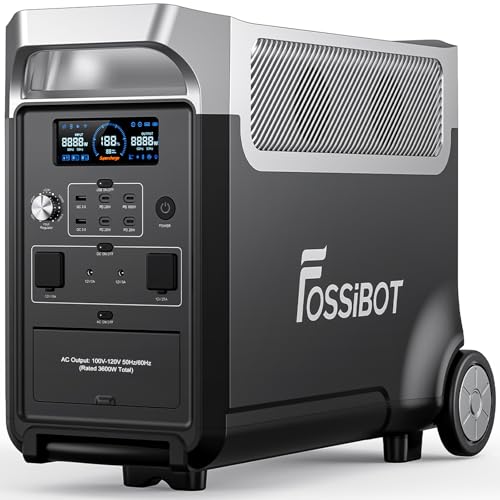
FOSSiBOT F3600 Portable Power Station 5x120V AC Output 3600W 3840Wh

Portable Solar Generator 300W Portable Power Station with 60W Solar Panel 280Wh

Jackery Solar Generator 1000 v2 and 200W Solar Panel 1070Wh 1500W AC
More Details On Our Top Picks
Jackery’s 2,042Wh capacity gives you room for real outages, not just phone charging, and the 2,200W AC output suits heavier household gear. The LiFePO4 battery, a lithium iron phosphate pack, points to long-cycle durability, while the 100W USB-C port fits modern laptops and larger devices without a bulky adapter.
For a family that wants a calm backup plan in the hallway or garage, this size lands in a useful middle zone between portable and home-ready. The trade-off is obvious, it’s still a substantial unit, so everyday carry is a stretch compared with the smaller Jackery Explorer 300.
Strong Points
- Large energy reserve for phones, routers, lights, and small appliances during a longer outage.
- 2,200W AC output supports more demanding gear than compact travel units.
- 100W USB-C PD helps modern laptops charge without a separate brick.
- LiFePO4 battery chemistry usually suits owners who plan to cycle the unit often.
- Good fit for keeping one dependable station in a home utility area.
Things To Consider
- Its size makes it less convenient for frequent lifting or trunk-to-tent movement.
- The solar panel is optional, so the full solar setup depends on what you add later.
- Storage space matters, especially in smaller apartments or crowded closets.
Feature Snapshot
Who It Suits Best
Households that want one larger backup station for outages, camping, and a garage shelf will get the most out of this size.
A Better Fit Elsewhere
Jackery Solar Generator 1000 v2 and 200W Solar Panel suits you better for RV travel or a lighter setup that still covers essential devices.
The C300 leans into portability, with 288Wh of storage and a 300W output that stays sensible for light backup, desk gear, and camp-side electronics. The included 60W solar panel and 140W two-way fast charging make it easier to top off from different sources, which helps on long weekends away from a plug.
You may find it especially handy in a small apartment, a dorm, or a car kit where every inch counts. Compared with the Jackery Explorer 2000 v2, it trades away long-run capacity for easier carry and a much smaller footprint.
What We Like
- Small enough to tuck into tight storage spaces without much planning.
- Solar panel inclusion helps you start with a simple off-grid setup.
- Two-way fast charging suits quick turnarounds between outings.
- Works well for phones, tablets, lights, and low-draw electronics.
Softer Spots
- 300W output leaves out heavier appliances and many kitchen loads.
- Battery size is modest for long outages or several days away from charging.
- Panel placement and cable storage take a bit of routine care.
Core Details
Who Should Grab It
Campers, commuters, and small-space dwellers who want a tidy backup unit will appreciate the size and included panel.
Look Elsewhere When
Jackery Explorer 2000 v2 fits you better for longer outages or anyone who wants a much larger reserve at home.
This setup sits in home-backup territory right away, with 3,072Wh of storage, 3,600W AC output, and two 200W solar panels in the box. The 7,200W surge figure matters for appliances that ask for a brief startup burst, which makes the unit feel closer to a prepared house system than a weekend gadget.
For most households that want power for critical circuits, this is the kind of unit that can live near a utility shelf and stay ready. The honest read is that the larger footprint and higher output class are better suited to people who will actually use the capacity, not just admire it.
Highlights
- Large battery reserve gives you more breathing room during extended outages.
- High AC output supports many household essentials with less compromise.
- Two solar panels are bundled, which simplifies the starting setup.
- Fits home-reserve planning better than the smaller Jackery Explorer 300.
Points To Note
- Size and weight make this a stationary-style choice for many homes.
- Panel layout and storage take more room than compact kit units.
- Maintenance tends to be easier when you dedicate a clear storage spot.
Details At A Glance
Built With In Mind
Homeowners who want a serious backup anchor for outages and RV use will make the most of this larger Jackery package.
Swap It Out When
Anker SOLIX S2000 is the better fit for you if you want a slightly smaller reserve that still feels practical for fridge duty.
At 7.5 pounds, this is the sort of power station you keep in a trunk, not a storage room, and the integrated handle makes that easier than it sounds. The 300W output and pure sine wave AC outlet suit laptops, cameras, and travel gear, while the six-device spread covers a useful range without getting fussy.
That lighter build matters most on trips where you move gear often, like RV stops, campsites, or day outings with kids and cameras in tow. Compared with the Jackery HomePower 3000, this unit is far easier to carry, but the smaller energy reserve is a real trade-off.
Best Bits
- Very light for a solar-ready station, which helps with frequent transport.
- Two AC outlets and several USB and car ports keep the layout flexible.
- Pure sine wave AC is a clean fit for sensitive electronics.
- Good for packing with camping gear without eating much space.
Areas To Watch
- 292Wh is modest for long power cuts or heavier household use.
- 300W output limits what you can run at once.
- The lighter shell is practical, though it still needs sensible handling in transit.
Quick Facts
Right Fit For
Travelers, campers, and anyone packing light will appreciate the easy carry and tidy port mix.
Where A Sibling Pick Shines
Jackery Solar Generator 1000 v2 suits you better for RV stays or longer weekends where the extra battery headroom matters.
With 2,010Wh of storage and 1,500W output, this Anker sits in the useful middle ground for fridge support, lights, and office essentials. The stated up-to-35-hour fridge backup claim gives you a sense of the kind of household planning this size aims to support, especially during short to medium outages.
The appeal is practical rather than flashy, which suits a unit that may live near a kitchen or utility corner most of the year. Compared with the bigger Jackery HomePower 3000, this one asks less in footprint and output, though it also leaves less headroom for larger appliances.
Upsides
- Good energy reserve for keeping core household items running.
- 1,500W output works for many everyday backup loads.
- Fridge-focused sizing makes the use case easy to understand.
- LiFePO4 battery chemistry suits regular cycling over time.
Worth Noting
- Still large enough that dedicated storage space makes sense.
- Heavy appliance users may need a higher-output station.
- Routine dusting and cable management help keep setup neat.
Spec Overview
Made For
Households that want a measured backup station for kitchen duties and short outages will find the size reassuring.
Another Choice May Suit
Jackery Explorer 2000 v2 is the better fit for you if you want a stronger AC output and a larger overall battery reserve.
This one pushes into heavier home-backup territory with 3,584Wh of storage, 3,600W AC output, and two 200W solar panels included. The expandable design, up to 21kWh, matters for households that want to scale from an outage kit into something closer to a long-range backup system.
The trade-off is that this is a planning-first product, not a casual grab-and-go station. For someone building a serious backup setup around a garage, basement, or RV bay, that extra capacity can make sense, especially beside the smaller Jackery Explorer 2000 v2.
Reasons To Buy
- Large battery capacity supports extended backup planning.
- High AC output makes it suitable for more demanding home loads.
- Two solar panels are included, which helps complete the setup.
- Expandable architecture gives you room to grow later.
- Good for users who want one station to anchor a larger system.
Small Caveats
- The size suits dedicated storage more than quick daily transport.
- Expansion planning can add complexity for a first-time setup.
- Keeping panels, cords, and the main unit organized takes space.
Feature Rundown
Who Will Love This
Homeowners building a larger solar backup system around steady outage coverage will get the most from this Jackery package.
Reach For A Different Pick When
Anker SOLIX S2000 makes more sense for you if your priority is fridge support with a smaller, simpler footprint.
Five AC outlets and 3,600W of output make this unit feel built for gear-heavy setups, from garage tools to off-grid living spaces. The 3,840Wh battery gives it enough reserve to handle real backup work, and the expandable path to 11,520Wh puts it in a more ambitious class than the portable Jackery Solar Generator 300.
For homes that need several powered stations at once, the outlet count matters just as much as the battery size. The honest caveat is that a setup this substantial deserves a clear, stable place to live, because it’s not the kind of unit you want to keep moving around casually.
Standout Traits
- Five AC outputs make multi-device setups easier to organize.
- Large battery reserve suits off-grid work and home reserve use.
- Expandable capacity gives you a path to a much larger system.
- Strong output matches appliances and tool-heavy environments well.
Honest Caveats
- The size and output class call for more permanent placement.
- Garage or shed storage should stay dry and uncluttered.
- New users may need extra time to map out outlet use.
Technical Sheet
Whose Shelf It Belongs On
Off-grid households and garage-based setups with multiple AC loads will make the best use of this FOSSiBOT station.
Skip It When
Jackery Explorer 300 is the more practical fit for light travel, compact packing, and easy carry by hand.
This ZeroKor package keeps the setup straightforward, with a 280Wh battery, 300W output, and a 60W solar panel included. The pure sine wave AC outlet matters for small electronics because it delivers cleaner power than many low-cost modified-wave units, and that can be reassuring for travel gear.
You may like it most as a starter solar kit for camping, van weekends, or a basic emergency drawer at home. Compared with the Anker SOLIX C300, it feels more like an entry path into solar backup use, while still staying useful for lighter jobs.
Positives
- Included panel gives you a simple starting point for solar charging.
- Pure sine wave AC suits more delicate electronics.
- Compact battery size keeps the kit easier to store.
- Good fit for phone charging, small lights, and similar loads.
Room For Improvement
- 300W output limits the station to lighter-use cases.
- Battery reserve is modest for longer outages.
- Panel, cable, and unit storage work best when organized carefully.
Feature Card
The Right Fit
Newcomers to portable solar who want an uncomplicated starter station will find this ZeroKor package approachable.
Where Shoppers Go Wrong
Anker SOLIX C300 is the better fit for you if you want faster charging and a more refined portable package for regular outings.
With 1,070Wh of storage and 1,500W AC output, this Jackery lands in the practical middle for RV life, light off-grid use, and common home backup chores. The 1-hour fast-charge note stands out because it helps shorten the waiting around that can make larger batteries feel inconvenient.
That combination makes it a nice fit for people who want meaningful reserve without moving all the way up to the heavier home-only units. Compared with the Jackery Explorer 2000 v2, it gives up battery headroom, but it can feel more manageable for regular travel and quicker resets.
Bright Spots
- Good mid-size reserve for RVs, trips, and backup basics.
- 1,500W output handles many common appliances and devices.
- Fast-charge feature helps reduce downtime between uses.
- LiFePO4 battery chemistry suits frequent cycling better than many older pack types.
Minor Gripes
- Not as roomy as the larger home-oriented Jackery units.
- Still big enough that storage planning matters.
- Solar panel handling and cable packing take a little attention.
Core Details
Perfect Match For
RV travelers and households that want a flexible mid-size station will get strong day-to-day value from this Jackery.
Not Your Match When
Jackery HomePower 3000 fits you better for broader household backup and a much larger solar-ready reserve.
How To Choose The Right Solar Backup Battery
Start With The Load, Not The Label
The first number to check is output, because wattage tells you what the station can actually run. A phone, lamp, and modem need far less than a fridge, a blender, or a power tool.
Storage, measured in watt-hours, tells you how long those devices can stay on. A 300Wh unit suits short charges and lights, while a 2,000Wh-plus station feels far more realistic for outage planning.
Match Size To Your Real Space
Garage storage, RV bays, and utility rooms can handle bulky units more easily than a closet shelf or apartment corner. Weight also matters more than many specs pages suggest, because you’ll notice it the first time you move the unit up stairs.
Portable models work best for travel gear and light backup. Larger units make sense when the station will stay near a wall, a fridge, or a designated emergency spot.
Think About Charging Paths
Solar input is useful, but it is only part of the picture. Wall charging, USB-C input, and included panels can change how quickly you get back to usable power after a storm or a long drive.
Two-way fast charging helps on shorter turnarounds, while larger solar panels help when you want more independence from the grid. The right mix depends on whether you mostly recharge at home or in motion.
Look At Battery Chemistry And Expansion
LiFePO4, short for lithium iron phosphate, is common in newer backup stations because it suits frequent cycling well. That matters for homes and work setups where the unit will be charged often instead of sitting idle.
Expandable systems suit households that expect their needs to grow, especially around outages or off-grid projects. Basic units keep things simpler, so the better choice depends on whether you want a starter station or a long-term backup anchor.
Things Worth Knowing First
Common Shopping Slip Ups
Many people focus on battery size and ignore output, then discover the station cannot support the appliance they had in mind. Matching the wattage to your actual loads avoids that mismatch.
Another miss is forgetting about space. A large home unit can be a pain to store neatly, especially in smaller homes or crowded garages.
What The Higher Tier Buys
Higher-end stations usually cost more because they bring bigger batteries, stronger output, more ports, and often better expandability. You also tend to see cleaner integration with solar panels and faster charge paths.
That upgrade pays off when your setup needs to cover more than phones and lights. A fridge, a CPAP-free household routine, or a multi-device RV layout usually benefits from the extra headroom.
Frequently Asked Questions
How large should a solar backup battery be for home use?
For light essentials like phones, routers, and lamps, a smaller unit can work fine. For fridge support or longer outages, a larger reserve makes more sense.
What does LiFePO4 mean?
LiFePO4 stands for lithium iron phosphate, a battery chemistry used in many modern power stations. It’s valued for regular cycling and steady everyday use.
Do you need solar panels with every station?
No, many units can charge from the wall as well. Solar panels help when you want a backup path away from grid power.
Is a bigger watt-hour rating always better?
Not always, because larger batteries also mean more size and weight. The right choice depends on how long you need power and how often you’ll move the unit.
Can a portable power station run a fridge?
Some larger models can, as long as output and reserve are high enough for the fridge’s startup and run needs. Smaller stations are usually better for lights, phones, and electronics.
Closing Thoughts
Your best solar backup battery depends less on a headline number and more on the life you want it to support. The compact picks suit travel and light emergencies, while the bigger Jackery and Anker units make more sense near a fridge, a garage, or a longer outage plan. Choose the station that fits your space, your loads, and the way you’ll actually store it. The right one feels useful before the first outage ever arrives.
