

Choosing the right residential solar panels usually comes down to roof space, shade, system voltage, and how much expansion you want later. Some homes need a high-output setup for a full rooftop array, while cabins, sheds, RV pads, and backup systems need panels that fit tighter layouts without wasting space.
This roundup keeps the focus on practical fit. You’ll see larger bifacial modules, compact 200W options, and shade-tolerant picks for spots where trees, roof edges, or seasonal snow can interfere with steady output.
Quick Shortlist for Different Solar Setups
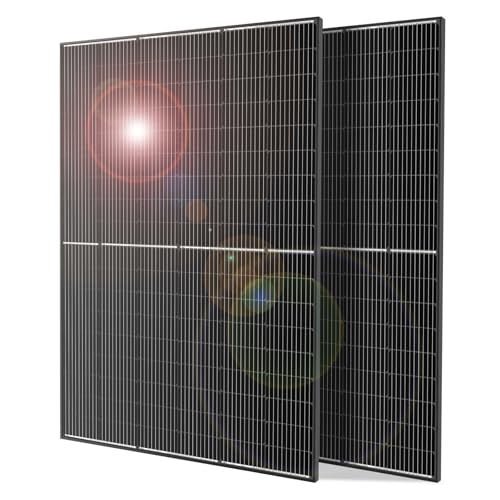
DOKIO 800W Solar Panel Set 2 x 400W 31V Panels

JJN Bifacial 425 Watt Solar Panel N-Type 16BB

Renogy ShadowFlux Solar Panel 400 Watt 2 x 200W

Renogy ShadowFlux Solar Panels 200W N-Type

N-Type 16BB 400W Bifacial Solar Panel 2 x 200W

Renogy Solar Panels 200 Watt N-Type 16BB
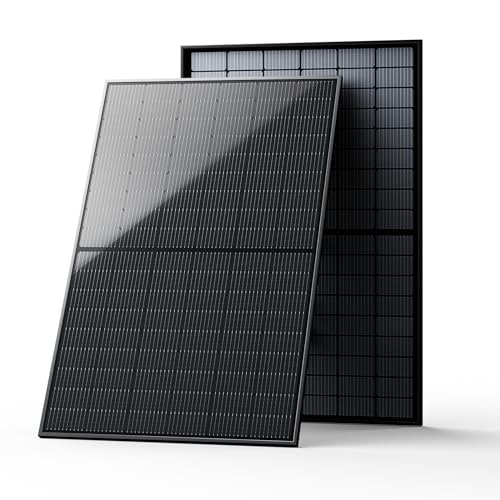
EPOCH 860W Bifacial Solar Panels N-Type Class A

430W 2 x 215W Anti-Shading Bifacial Solar Panels
More Details On Our Top Picks
The DOKIO set suits a straightforward off-grid build, especially where you want two large panels instead of piecing together a smaller array. The 31V rating points it toward 24V systems, and the included 9.84 ft cables give you a little breathing room during layout planning.
That mix works well for sheds, yard structures, and compact utility spaces where the mounting surface is already set. The aluminum frame and pre-drilled holes help with installation planning, though the larger format still asks for a solid mounting plan and enough roof or ground space.
Strong Points
- Two 400W panels give you a tidy high-output pair for a 24V setup.
- 9.84 ft cables make panel placement less cramped in real installations.
- Pre-drilled holes simplify mounting on sheds, racks, and similar surfaces.
- Aluminum framing adds a practical feel for outdoor use and long-term handling.
Things To Consider
- The size suits space-rich installs more than small rooftops.
- You may need extra planning for wire runs and mounting hardware.
- The pair format gives you less placement flexibility than smaller panels.
Feature Snapshot
Who It Suits Best
You benefit most from this set when you’re building a 24V off-grid system for a shed, cabin, or workshop with room for large panels.
Where A Sibling Pick Shines
JJN Bifacial 425 Watt Solar Panel fits better for a rooftop owner who wants a single higher-output module rather than a two-panel kit.
After the DOKIO pair, this JJN module shifts toward a single-panel strategy with more flexibility around system design. The bifacial format means it can collect light from both sides, which can matter on reflective surfaces, open farm setups, or roof mounts with good clearance.
The 12V, 24V, and 48V compatibility gives you room to grow the system without starting over. For homes, RV roofs, and off-grid spots, it makes sense for anyone who wants one module with a wider range of electrical layouts, though the larger format still needs solid mounting space.
What We Like
- Bifacial construction gives the panel more usable light exposure in the right setup.
- 16BB cell layout usually supports steady current flow across the module.
- Works across 12V, 24V, and 48V systems, which helps with future planning.
- The 425W rating fits larger rooftop or farm-style arrays without crowding the roof.
- Monocrystalline build keeps the profile focused on higher-efficiency panel design.
Worth Noting
- Bifacial gain depends on mounting height and surface reflectivity.
- One large panel gives you less layout flexibility than smaller modules.
- Heavy-duty mounting hardware often matters more with a higher-output unit like this.
At A Glance
Right Fit For
You get the most from this panel when you want a flexible single-module option for a home roof, farm outbuilding, or larger RV power system.
Look Elsewhere When
DOKIO 800W Solar Panel Set makes more sense for a shed or utility build that needs two matched panels and simpler pair-based placement.
This Renogy pair stands out because it focuses on partial shade, which is a real issue on rooftops with vents, chimneys, nearby trees, or winter snow patches. Two 200W panels also make handling easier than one oversized module, especially during a solo install.
That split-panel approach suits RV roofs and marine setups too, where surface shape matters just as much as output. The trade-off is simple: you get more placement freedom than with the JJN 425W module, but you still need enough total mounting area for two separate panels.
Upsides
- Partial-shade focus helps the array stay more useful in imperfect light.
- Two-panel format can be easier to carry and position than one large module.
- N-Type construction suits modern higher-efficiency solar setups.
- Works well on RV, marine, and rooftop builds where obstacles are common.
- The 400W combined output gives you a practical middle ground for many homes.
Small Caveats
- Two panels mean more mounting points and more planning.
- Shade tolerance helps, but it does not remove the need for good placement.
- Owners usually need to keep roof hardware and seals tidy over time.
Core Details
Best Suited To
You fit this set best when your roof line or campsite has interruptions and you want a pair that can be placed with more freedom.
A Better Fit Elsewhere
EPOCH 860W Bifacial Solar Panels suits a larger off-grid bank better when your priority is raw array capacity rather than shade handling.
Compared with the two-panel Renogy set above, this version keeps the same anti-shading idea in a single 200W module. That makes it easier to slot into a smaller 12V or 24V system without overcommitting roof space.
It suits a modest cabin, trailer, or backup setup where you want one panel now and room to expand later. You may find the single-panel format easier to maintain too, since fewer panels usually mean fewer brackets and fewer roof penetrations to plan around.
Best Bits
- Single-panel format works well in tighter spaces.
- Anti-shading design is a practical fit for imperfect light conditions.
- 12V and 24V compatibility keeps the panel broadly useful.
- 200W output makes it easier to scale a system step by step.
Areas To Watch
- One panel means less total output than the paired Renogy option.
- Maintenance still depends on keeping the panel clean and unobstructed.
- Smaller systems may outgrow it sooner than larger rooftops do.
Details At A Glance
Built With In Mind
You’ll appreciate this panel most in compact off-grid projects where you want a cleaner install and less physical bulk.
Swap It Out When
JJN Bifacial 425 Watt Solar Panel is the stronger choice for a single-module rooftop build that needs more output in one panel.
The Callsun set sits between the bigger DOKIO pair and the more shade-focused Renogy options. You get two 200W panels, so the install feels more flexible than a single large module, and the bifacial layout gives you extra usefulness in open mounting spots.
That makes it a sensible choice for vans, boats, rooftop projects, and home backup systems where balance matters more than chasing the biggest panel on the page. The honest read is that it’s not as specialized as the Renogy ShadowFlux models, but it is easier to adapt across different builds.
Highlights
- Two 200W panels give you easier handling and placement.
- Bifacial construction adds value in bright, open mounting conditions.
- 12V and 24V support keeps the set flexible for common builds.
- The format suits RV, van, marine, and home rooftop use.
- 16BB cell design points to a more modern internal layout.
Minor Gripes
- The dual-panel setup needs more planning than a single panel.
- Bifacial benefits vary a lot with mounting surface and clearance.
- It asks for decent upkeep around wiring and mounting points.
Feature Rundown
Whose Shelf It Belongs On
This set fits best for someone who wants a flexible two-panel system for a van, marine setup, or small roof with moderate space.
Reach For A Different Pick When
Renogy Solar Panels 200 Watt N-Type suits a tighter roof better when you want a single module instead of a paired layout.
This is the straightforward Renogy option in the group, and that simplicity matters more than it sounds. A 200W panel is easier to place on a class B van, cabin roof, farm shed, or small home system where you want dependable coverage without a large footprint.
Compared with the bifacial and anti-shading models above, this one leans into clean compatibility rather than specialized behavior. You may find that a plain, compact panel suits expansion planning better, especially when the rest of the array already handles shade or reflected light.
Positives
- Compact 200W size fits narrow roofs and smaller mounting zones.
- 12V and 24V support keeps the panel broadly useful.
- N-Type 16BB layout points to a modern cell architecture.
- Easy to build around when you want to add panels later.
Room For Improvement
- It lacks the bifacial angle that makes some other picks more versatile.
- Single-panel output stays modest beside the larger 400W and 425W options.
- Cleaning and angle choice still matter, especially on dusty rooftops.
Key Specs
The Right Fit
You get the most from this panel in smaller residential or mobile builds where simple compatibility matters more than specialty features.
Another Choice May Suit
Renogy ShadowFlux Solar Panel 400 Watt 2 x 200W fits better for a rooftop with shade interruptions and a need for more adaptive placement.
Where the earlier Renogy and Callsun picks lean into flexibility, this EPOCH set leans into capacity. Two 430W panels give you a serious amount of output for RV camping, boat power, marine use, or an off-grid bank that needs to keep up with a heavier load.
The waterproof module construction is a welcome detail for outdoor installations, though the size and output level mean you’ll want a mounting setup that can handle the weight and footprint. For larger builds, that trade-off is worth it because it can simplify array planning by giving you more power per panel.
Reasons To Buy
- Very high combined output supports larger power needs.
- Bifacial design can make open, reflective installations more productive.
- Waterproof module build suits exposed outdoor setups.
- N-Type Class A wording points to a more premium cell tier.
Points To Note
- The size can be overkill for compact roofs or small sheds.
- Installation planning matters more because each panel carries more weight and span.
- With higher-output modules, keeping mounting hardware secure becomes part of routine care.
Feature Card
Made For
You suit this pair best when your setup needs serious capacity and you already have the room to mount larger modules safely.
Skip It When
Renogy Solar Panels 200 Watt N-Type is the cleaner fit for a small roof, a starter build, or a system that needs gradual expansion.
This Callsun set lands in a useful middle ground, with enough output for serious off-grid work and a split design that gives you more installation flexibility. The anti-shading focus matters for roofs with tree cover, snow, or awkward trim lines, where a plain panel can lose too much useful surface.
Compared with the EPOCH pair, it gives up total capacity but asks for less room per module and often fits more cleanly around obstacles. The result is a sensible match for RV, marine, and mixed-shade rooftop projects where practical placement matters as much as power.
Bright Spots
- Split 2 x 215W layout gives you easier handling than one oversized panel.
- Anti-shading design suits roofs with trees, snow, and partial obstruction.
- Bifacial format can add value in brighter, open installations.
- 12V and 24V compatibility keeps it useful across common systems.
Honest Caveats
- The 430W total stays below the larger 860W EPOCH option.
- Two modules still mean more placement work than a single panel.
- Long-term upkeep comes down to keeping shade, dirt, and mounting hardware under control.
Core Details
Who Should Grab It
You benefit most when your roof or mounting area has partial shading and you want a two-module setup that stays manageable.
Where A Sibling Pick Shines
EPOCH 860W Bifacial Solar Panels suits a larger build better when you want more total output and have the room for it.
How To Choose The Right Residential Solar Panels
Match Output To The Load You Actually Run
Your first job is to line up panel output with the way you use power day to day. A cabin with LED lighting, a small fridge, and a laptop station needs less panel capacity than a rooftop system feeding heavier appliances or an RV with regular inverter use.
Bigger wattage can help, but it also asks for more roof space, sturdier mounting, and a controller that fits the array. That’s why a 200W panel makes sense for smaller builds, while 400W and above fits more serious off-grid plans.
Think About Shade Before You Think About Size
Shade changes everything. Trees, vents, chimneys, railings, snow patches, and even one awkward roof corner can cut a panel’s usefulness faster than many people expect.
That’s where bifacial and anti-shading designs become useful. Bifacial panels can make use of reflected light, while anti-shading layouts aim to keep more of the panel productive in uneven light, which matters on real rooftops more than it sounds on paper.
Voltage And System Fit Still Matter
Voltage should match the rest of your system, not just the panel you like best. The DOKIO set leans toward 24V systems, while several of the others work across 12V and 24V, and one JJN option also covers 48V layouts.
That flexibility matters for expansion. A panel that fits your controller, battery bank, and inverter plan reduces rework later, which is exactly what you want in a home build that may grow over time.
Installation Space And Handling Can Decide The Winner For You
Large panels can simplify the wiring side, but they also demand more room and more careful lifting. Two-panel kits can be easier to carry and position, yet they add brackets, wiring runs, and layout decisions.
For a shed, RV roof, or marine deck, easier handling often matters just as much as output. For a larger rooftop, a heavier module can be worth the space it saves, especially when you already know where the mounting points will go.
What To Weigh Before You Decide
Common Shopping Slip Ups
Many people focus on wattage alone and forget the roof geometry. A strong panel still needs the right mounting area, and a good-looking listing can fall short fast on a roof with vents, seams, or shallow angles.
Another common miss is overlooking system voltage. A panel can look like a fit on paper, yet still be awkward for the charge controller or battery setup already in place.
What The Higher Tier Buys
More expensive panels usually bring newer cell layouts, more useful shade behavior, or a more flexible module format. You’re often paying for better space efficiency, which matters when your roof or rack is already crowded.
That upgrade makes the most sense for larger homes, premium RV builds, and off-grid setups that need more output per square foot. For simple garage, shed, or starter installations, a more basic panel can still be the smarter call.
Frequently Asked Questions
How many residential solar panels do you need?
That depends on your daily power use, roof space, and system voltage. A small cabin or shed may only need a modest pair, while a larger home setup usually needs a wider array.
Are bifacial solar panels worth considering?
Bifacial panels can make sense on open mounts with reflective surfaces below them. Their extra value drops when the underside stays blocked or mounted too close to a dark roof.
What does N-Type mean in solar panels?
N-Type refers to a cell design that’s commonly used in newer, efficiency-focused modules. It matters because panel design can affect how much power you get from limited roof space.
Do anti-shading panels solve roof shade problems?
They help, but they do not erase shade completely. You still get the best result from smart placement and a roof plan that avoids heavy obstruction.
Should you choose one large panel or two smaller ones?
Two smaller panels often fit tighter roofs and odd-shaped spaces more easily. One larger panel can simplify the layout when you have room and want a cleaner single-module setup.
Closing Thoughts
The right residential solar panels depend less on hype and more on fit, shape, and where your roof throws shade. DOKIO suits a tidy 24V off-grid build, Renogy gives you stronger shade-aware options, and EPOCH steps up for bigger power needs. You can keep it simple with a compact 200W panel or go larger with a two-panel array, but the best choice is the one that matches your space without forcing awkward compromises. That’s the one that usually feels easiest to live with.
