

Choosing a lithium battery for solar setup usually comes down to fit, not hype. You want the right voltage, enough usable capacity, and a battery management system, or BMS, that matches your load without making wiring a headache. That matters whether you’re keeping lights on in a cabin, running gear in an RV, or building backup power for a home system. This roundup keeps the focus on practical capacity, protection features, and where each battery makes the most sense.
Quick Look At The Shortlist

dumfume 12V 150Ah Max LiFePO4 Battery, IP65 Waterproof 100A BMS
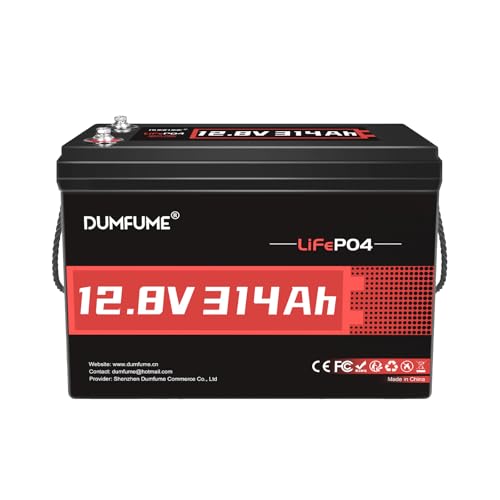
dumfume 12V 300Ah (314Ah) Lithium LiFePO4 Battery With 200A BMS

dumfume 12V 600Ah LiFePO4 Lithium Battery Built-in 200A BMS

dumfume 24V 100Ah LiFePO4 Battery Built-in 100A BMS

CHINS LiFePO4 Battery 12V 100AH Lithium Battery

ECO-WORTHY 12V 100AH LiFePO4 Lithium Battery with Bluetooth

dumfume 12V 600Ah LiFePO4 Lithium Battery with 200A BMS

Rvpozwer 12V 300Ah LiFePO4 Battery, 3840Wh Lithium Battery
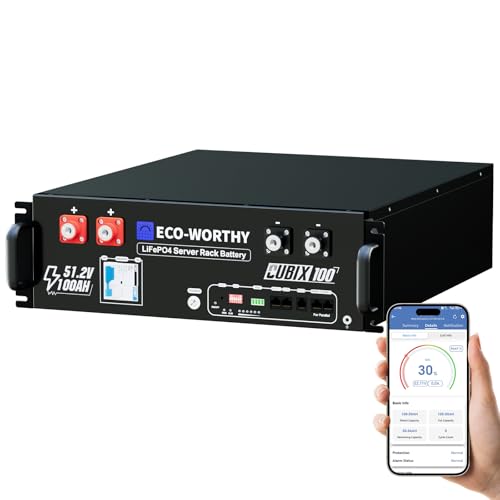
ECO-WORTHY Cubix100 48V 100Ah LiFePO4 Lithium Battery w/Bluetooth
More Details On Our Top Picks
The 12V, 150Ah format lands in a very workable middle zone for small solar banks, RV cabinets, and compact backup setups. The IP65 rating means the enclosure is built to resist dust and water spray, which matters in a garage, bay area, or outdoor battery box.
The 100A BMS helps manage charge and discharge behavior, so you get a cleaner match for modest inverters and everyday loads. Compared with the larger dumfume 300Ah and 600Ah options later in the list, this one feels easier to fit and easier to lift, though you give up a lot of stored energy.
Strong Points
- 150Ah capacity suits a weekend RV or a modest off-grid cabin bank.
- IP65 sealing adds useful protection for storage in less sheltered spaces.
- 100A BMS gives you a practical ceiling for common 12V loads.
- LiFePO4 chemistry usually brings steadier voltage than older lead-acid styles, which helps lights and electronics behave more consistently.
Things To Consider
- It sits below the higher-capacity picks, so long appliance runs need more planning.
- The listing does not give much detail on physical dimensions, which can complicate tight installations.
- For roof-heavy solar arrays, a larger bank may reduce how often you cycle through storage.
Feature Snapshot
Who It Suits Best
You get the most value from this one in a small RV, a weekend cabin, or a compact solar backup setup that does not need huge storage.
A Better Fit Elsewhere
dumfume 12V 300Ah (314Ah) Lithium LiFePO4 Battery With 200A BMS suits you better when your solar bank needs a much larger reserve for heavier daily use.
This 12V battery pushes much harder on storage, so it makes sense in a solar array that keeps a fridge, fans, lights, and electronics running for longer stretches. The 200A BMS is the part worth watching here, because a higher discharge ceiling helps the battery pair with larger inverters without feeling cramped.
Compared with the 150Ah dumfume pick, this one is the clearer step up for storage-heavy use, but the trade-off is size and weight. For most garages and RV basements, that means you need to think about placement before you think about output.
Highlights
- 314Ah-class capacity gives you a much deeper energy reserve than the smaller 12V options here.
- 4019Wh rating helps you size loads more confidently for longer runtime.
- 200A BMS suits larger inverters and heavier demand spikes.
- Low-temperature protection adds practical peace of mind in chilly storage spaces.
- IP65 construction fits outdoor-adjacent or dust-prone environments better than unsealed packs.
Minor Gripes
- The larger format can make installation tighter in enclosed battery trays.
- Heavy use systems usually need careful cable and fuse planning, which adds setup work.
- Owners with modest loads may find the capacity more than they need.
At A Glance
Built With In Mind
You get the best fit from this battery in a large RV, an off-grid storage bank, or a backup system that needs long runtime more than compact size.
Where A Sibling Pick Shines
CHINS LiFePO4 Battery 12V 100AH Lithium Battery suits smaller trolling-motor and weekend setups better, especially when you want simpler handling.
Once you move into 600Ah territory, the conversation shifts from backup to serious energy storage. That 7200Wh figure makes this a strong match for a home energy bank, a solar shed, or a large off-grid setup that needs a lot of reserve.
The built-in 200A BMS is important because high capacity without high current handling would feel lopsided. The honest trade-off is footprint and cost of system planning, so this makes the most sense where space and wiring can support the scale.
Upsides
- Huge storage capacity supports extended runtimes for larger homes or cabins.
- 7200Wh rating makes system planning more straightforward.
- 200A BMS helps it work with demanding inverter setups.
- 10,000+ cycle claim points to strong long-life expectations for regular cycling.
Worth Noting
- This is a large-format battery, so cabinet and floor space matter a lot.
- Heavy storage systems usually need more involved installation and protection hardware.
- Smaller RV or weekend systems may not use its full potential.
Details At A Glance
Whose Shelf It Belongs On
You get the most from this battery in a dedicated solar bank, a home storage project, or a large off-grid cabin with steady demand.
Swap It Out When
Rvpozwer 12V 300Ah LiFePO4 Battery, 3840Wh Lithium Battery fits better when you want serious capacity without jumping to this scale.
24V systems often make wiring feel cleaner because the same power can move with lower current than a 12V setup. That matters in medium solar builds, where cable size, voltage drop, and inverter pairing start to matter more than simple capacity alone.
Compared with the 12V picks above, this battery is a better fit for a purpose-built 24V system rather than a casual add-on. You may find it especially practical in RVs, marine installs, or off-grid arrays that already lean into higher voltage.
Reasons To Buy
- 24V format helps reduce current for the same power demand.
- 100Ah capacity suits medium-size solar and backup systems.
- 2560W power output gives you useful headroom for several common appliances.
- Low-temperature protection makes cold-weather use more manageable.
- 15,000+ cycle claim points to long service life expectations.
Points To Note
- You need a 24V system plan, so it is not the easiest drop-in choice for 12V gear.
- Setup planning matters more here because voltage matching is less forgiving.
- The listing leaves out some physical details that help with enclosure planning.
Core Details
The Right Fit
You benefit most from this battery in a 24V solar array, a marine install, or an RV build that already uses higher-voltage components.
Where Another Pick Suits Better
dumfume 12V 150Ah Max LiFePO4 Battery, IP65 Waterproof 100A BMS is the easier route for a simpler 12V system with lighter planning.
This one stays close to the classic 12V, 100Ah formula, which is why it feels familiar for trolling motors, compact RV use, and smaller solar banks. The 100A BMS and low-temperature protection make it a sensible fit for day-to-day use where you want straightforward battery behavior.
Compared with the ECO-WORTHY 100Ah pick, this CHINS option is less about app-based monitoring and more about a plain, practical battery that gets out of the way. For boat owners and casual off-grid setups, that simplicity can be the real selling point.
What We Like
- 12V, 100Ah sizing works with a lot of existing marine and RV gear.
- 100A BMS fits common loads without needing a complex power layout.
- Low-temperature protection makes cold-weather storage more forgiving.
- The cycle range points to solid repeat-use potential for regular trips.
Room For Improvement
- The listing is lighter on feature extras than the Bluetooth-equipped ECO-WORTHY battery.
- For bigger solar banks, the capacity may feel modest.
- You still need to handle basic battery mounting and cable management carefully.
Feature Rundown
Perfect Match For
You get the best fit from this battery in a trolling-motor boat, a small RV, or a modest off-grid power kit.
A Better Fit Elsewhere
ECO-WORTHY 12V 100AH LiFePO4 Lithium Battery with Bluetooth suits you better when phone-based monitoring matters more than a simpler battery layout.
The Bluetooth connection is the big difference here, because it gives you battery data on your phone instead of asking you to guess. Voltage, current, capacity, and remaining working life are all meant to be visible in real time, which is handy in a fishing boat, camper, or DIY solar cabinet.
Compared with the CHINS battery, this one is for you if monitoring matters as much as raw storage. The app also helps with troubleshooting in a multi-battery bank, so you can spot a weak unit sooner rather than later.
Bright Spots
- Bluetooth 5.1 supports phone-based monitoring without extra meters.
- Voltage, current, and capacity tracking helps you understand battery behavior at a glance.
- Group 24 sizing makes it easier to work into familiar battery compartments.
- 2S4P support gives you more room to scale a custom system.
- The mobile app can help narrow down trouble in a battery bank.
Areas To Watch
- App-based features add convenience, but they also add another thing to manage.
- The 100Ah size still sits below the large-storage picks in this roundup.
- DIY expansion takes planning, especially when mixing batteries in a bank.
Technical Sheet
Who Should Grab It
You get the most from this battery if you like app-based monitoring and want a 12V battery that fits a structured DIY system.
Where A Sibling Pick Shines
CHINS LiFePO4 Battery 12V 100AH Lithium Battery is the cleaner choice if you want the same general size without the monitoring layer.
The combination of 600Ah capacity and IP65 protection makes this one stand out for larger solar storage in less controlled environments. That sealed exterior matters in dusty spaces, utility sheds, or places where splash resistance is a real comfort, not just a spec line.
Compared with the other 600Ah dumfume model, this version adds the IP65 angle and a listed 7680Wh energy figure, which makes it easy to read as a protection-minded option. For storage-heavy setups that sit near weather and grime, that distinction is worth paying attention to.
Best Bits
- 600Ah capacity gives you a large reserve for extended off-grid use.
- 7680Wh energy rating helps with load planning.
- IP65 sealing adds practical protection in harsher storage areas.
- 200A BMS supports demanding inverter and load needs.
- Low-temperature cutoff makes cold weather behavior easier to manage.
Softer Spots
- This is a large, serious battery, so space and mounting matter.
- Daily-use systems with lighter demand may not need this much reserve.
- Big storage projects usually call for careful cabling and protection hardware.
Feature Card
Built With In Mind
You get the strongest fit from this battery in a roomy off-grid setup, a weather-adjacent shed, or a large solar storage bank.
Look Elsewhere When
dumfume 12V 150Ah Max LiFePO4 Battery, IP65 Waterproof 100A BMS is easier to place when you only need a simpler, lighter 12V pack.
For a 12V system that needs a lot of storage but not the massive footprint of the 600Ah class, this one lands in a comfortable middle. The 3840Wh figure gives you a more generous reserve for home backup, RV use, or a trolling motor setup that drains batteries fast.
It differs from the dumfume 300Ah battery mostly in branding and presentation, but the role is similar, a large 12V pack for practical energy storage. That makes it a sensible comparison point for anyone who wants size without jumping into the largest class here.
Standout Traits
- 300Ah capacity gives you meaningful storage for longer outings or outages.
- 3840Wh energy helps with better load estimation.
- 200A BMS suits more demanding 12V systems.
- Low-temperature protection adds useful cold-weather support.
Small Caveats
- The larger 12V body needs a proper mounting spot.
- High-capacity batteries usually ask for careful cabling and fuse choices.
- For compact carts or small boats, this may feel oversized.
Quick Facts
Right Fit
You get the strongest fit from this battery in a home backup project, an RV energy bank, or a larger marine setup.
Another Choice May Suit
CHINS LiFePO4 Battery 12V 100AH Lithium Battery is the better option when your space is tight and your loads are lighter.
This server-rack style battery shifts the list into a different class, because 48V systems are often chosen for larger solar storage and home backup planning. The rack format helps keep installation orderly, especially in a dedicated power room or equipment cabinet.
Compared with the 12V batteries above, the higher voltage can reduce current for the same power demand, which makes larger systems easier to organize. Bluetooth and WiFi support also give you monitoring options that suit a more structured setup, though the rack format is clearly less casual than a drop-in 12V battery.
Positives
- 48V format fits larger solar and backup systems very well.
- Server-rack layout keeps equipment tidy and easier to service.
- Bluetooth and WiFi support make system monitoring more convenient.
- 5120Wh storage helps with meaningful home-backup reserves.
- Listing references multiple recognized safety and listing marks.
Honest Caveats
- This is not a casual drop-in battery for a small RV or cart.
- Rack-style setup usually asks for a dedicated space and more deliberate planning.
- Higher-voltage systems may call for gear that already matches the design.
Core Details
Whose Shelf It Belongs On
You get the best fit from this battery in a dedicated home backup room, a rack-based solar build, or a larger off-grid power system.
Skip It When
dumfume 12V 150Ah Max LiFePO4 Battery, IP65 Waterproof 100A BMS makes more sense when you need a simple 12V battery rather than a rack unit.
How To Choose The Right Lithium Battery For Solar
Start With Voltage, Not Capacity
Voltage decides how the battery fits into your system, and that comes before storage size. A 12V battery works well for many RVs, boats, and compact solar kits, while 24V and 48V options make more sense for larger or cleaner-wired systems.
The trade-off is simple: lower-voltage setups are easier to understand, but higher-voltage systems often keep current lower for the same power demand. That can reduce cable stress and make bigger installations easier to manage.
Match Capacity To Your Daily Load
Ah, or amp-hours, tells you how much charge the battery can hold, but the real question is what you run every day. A 100Ah pack suits lights, fans, small electronics, and modest marine use, while 300Ah and above suits longer runtime or heavier backup needs.
Big numbers look reassuring, yet oversizing can create unnecessary cost and weight. A battery that matches your actual use usually feels easier to install and easier to live with.
Check The BMS And Protection Features
The BMS, short for battery management system, controls charging and discharge limits. A stronger BMS matters when you run inverters, power-hungry appliances, or a bank that gets cycled often.
Low-temperature protection also matters in cold garages, cabins, or shoulder-season travel. It does not make the battery invincible, but it does help it behave more predictably in cool conditions.
Think About Monitoring And Layout
Bluetooth can be genuinely useful in a DIY solar build because it lets you track voltage, current, and remaining capacity without opening up the system. Rack-style batteries, on the other hand, suit fixed installations where organization matters more than portability.
Your best choice depends on where the battery lives and how often you check it. A simple 12V drop-in battery is easier for casual use, while app-connected or rack-based models reward a more deliberate setup.
Things Worth Knowing First
Wrong Turns To Avoid
Many people focus on amp-hours and ignore system voltage, then discover the battery does not fit the inverter or controller they already own. Another common miss is forgetting about physical size, which turns a good battery into a poor fit for a cramped compartment.
Cold-weather use is another place where details matter. Low-temperature protection and cutoff behavior are worth checking before you place the battery in a shed, garage, or winter RV setup.
The Upgrade Payoff
Higher-tier batteries usually cost more because they support larger current loads, larger storage, and more protective design features. Bluetooth, WiFi, rack enclosures, and higher-rated BMS units all add convenience and capability.
That extra spend makes the most sense when your system runs daily or feeds a whole-house backup plan. For lighter weekend use, a simpler 12V battery often gives you enough without adding layers you won’t use.
Frequently Asked Questions
What does LiFePO4 mean?
LiFePO4 stands for lithium iron phosphate, a lithium battery chemistry common in solar storage. It is known for steady power delivery and strong cycle counts in many household and off-grid uses.
Is 12V enough for solar storage?
For small cabins, RVs, and modest backup kits, 12V is often enough. Larger homes or heavier inverter loads usually make 24V or 48V a better structural fit.
Why does the BMS matter so much?
The BMS helps manage charging and discharging so the battery stays within its designed limits. It becomes especially important when your system uses larger inverters or sees frequent cycling.
Do Bluetooth features help much?
Bluetooth helps most when you want quick status checks without opening panels or adding separate meters. It is handy for DIY solar owners who like to monitor voltage and current from a phone.
How do you choose between 100Ah and 300Ah?
Choose 100Ah for lighter daily loads, small boats, and compact RV systems. Choose 300Ah when you need longer runtime or want more reserve between charging sessions.
Final Thoughts
The right lithium battery for solar is the one that matches your voltage, your storage need, and your installation space without making the rest of the system awkward. Smaller 12V choices work well for straightforward setups, while 24V and 48V models suit larger, more structured power plans. The best fit comes from honest sizing, not the biggest number on the page. Start with how you actually use power, and the right pick usually becomes clear.
