

Lightweight solar panels make sense when you want backup power without turning your pack, van, or campsite into a burden. Some fold small for day hikes, some bend around curved surfaces, and others are built for steady use on RVs, boats, or power stations. The right pick depends on how much space you have, how often you move, and whether you need simple phone charging or a larger off-grid setup.
The Shortlist At A Glance

Renogy Flexible Solar Panel 100 Watt, 240° Ultra Flex Bendable

FlexSolar 100W Foldable Portable Solar Panel Charger IP67 Waterproof
[Upgraded] BigBlue Ultra-Light Portable 25W Solar Panel Charger

SOLUPUP Solar Panels 30W Portable Foldable Solar Charger
Renogy Flexible Solar Panel 100 Watt, 240° Ultra Flex Bendable

100W Portable Solar Panel CPC Material USB-C PD3.0 & 20V DC XT60 Anderson
Renogy 200W Portable Solar Panel for Power Stations, 25% High Efficiency
FlexSolar 25W Portable Solar Panel Charger Built-in USB-A & USB-C Ports
More Details On Our Top Picks
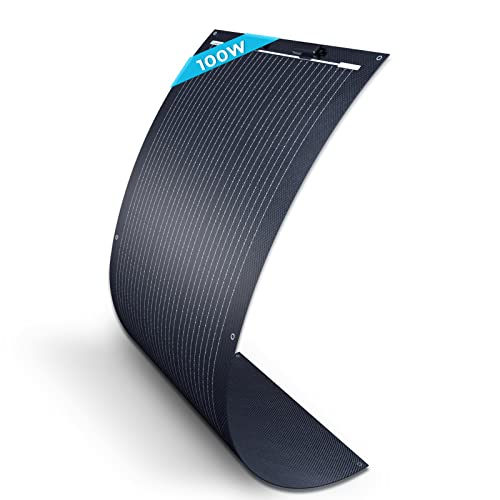
Curved roofs, van shells, and marine decks are where this Renogy panel makes the most sense. The 240-degree bend range gives you layout flexibility that rigid panels simply don’t offer, and the 0.1-inch profile keeps visual bulk down.
The trade-off is pretty clear, though: flexibility usually means you plan the install more carefully and accept a softer feel than a framed panel. For RV owners and boat setups, that compromise often feels worth it.
Strong Points
- Bends around curved surfaces with far less fuss than a rigid panel.
- Thin profile suits low-clearance installs and cleaner roof lines.
- IP68 rating gives you a very solid water-resistance spec for exposed placements.
- Good fit for marine, cabin, van, and off-grid rooftops where shape matters.
Things To Consider
- Flexible panels usually need a thoughtful mounting plan for long-term stability.
- The softer construction feels less protective than a framed travel panel.
- For quick campsite hand-carry use, a foldable panel may feel easier.
Feature Snapshot
Who It Suits Best
You benefit most if your setup lives on an RV, van, boat, or other curved surface and you want a permanent-looking install with less visual bulk.
A Better Fit Elsewhere
FlexSolar 100W Foldable Portable Solar Panel Charger IP67 Waterproof suits campers who want a panel they can pack and move more often.
Fold this one down, and you get the sort of travel-friendly shape that works well for campsites, tailgates, and emergency kits. The mix of USB-C, USB-A, and DC output gives you more connection options than the smaller BigBlue or FlexSolar 25W picks, which matters once you start charging multiple devices.
IP67 weather protection also makes it easier to trust around dust and wet ground, though you still need common sense about setup and storage. For power-station owners who want one panel to cover several devices, that flexibility is the main draw.
Highlights
- Foldable build packs away neatly in a vehicle or gear closet.
- USB-C, USB-A, and DC outputs cover a wide spread of gear.
- IP67 rating gives you a strong dust and water-resistance spec.
- Useful for charging phones, power banks, and a power station from one panel.
Worth Noting
- More connection options also mean a little more cable management.
- Folded panels still take more storage space than pocket-size models.
- For ultralight hikes, the 25W BigBlue and FlexSolar 25W feel easier to carry.
Details At A Glance
Made For
You get the most value from this panel if your trips involve power stations, phones, and a bit of everything else that needs charging on the road.
Another Choice May Suit
Renogy Flexible Solar Panel 100 Watt, 240° Ultra Flex Bendable fits better for van and marine owners who want a mounted panel instead of a packable one.
Small packs, day hikes, and emergency pockets are exactly where this BigBlue panel earns attention. At 0.84 pounds, it’s the lightest-feeling option in the group, and the USB-A plus USB-C ports keep the charging setup straightforward.
That tiny footprint has a catch, of course, since 25W is far more about topping up than running bigger gear. Still, for a phone, power bank, or camping light, the size-to-convenience ratio is hard to ignore.
Positives
- Very light carry weight makes it easy to slip into a daypack.
- Pocket-size format works well for travel, quick hikes, and backup kits.
- USB-A and USB-C ports keep device matching simple.
- IP68 weather protection is reassuring for outdoor use around dust and water.
Minor Gripes
- 25W output suits small electronics more than power-hungry setups.
- The compact size gives you less surface area than the 30W and 100W options.
- For long trips with several devices, a larger foldable panel may feel easier.
Quick Facts
Built With In Mind
You should gravitate toward this one if every ounce matters and your goal is simple backup charging for small devices on the move.
Look Elsewhere When
FlexSolar 100W Foldable Portable Solar Panel Charger IP67 Waterproof makes more sense for campers who need more output and more ports in a single kit.
This SOLUPUP panel sits in a useful middle zone, lighter and simpler than the 100W foldables, but more flexible than the tiny 25W options. The USB-A and USB-C ports, plus the smart chip, make it feel better suited to everyday phone-and-tablet charging.
That chip matters because it helps the panel recognize connected gear and adjust charging behavior, which is handy in a busy campsite or backyard setup. The honest read is that 30W still serves smaller loads best, yet it does that job without much fuss.
Upsides
- 30W output hits a comfortable middle ground for light travel use.
- USB-A and USB-C ports cover common mobile devices.
- Smart-chip behavior adds a more guided charging experience.
- IPX5 weather resistance helps around splashes and damp conditions.
Points To Note
- IPX5 is useful, but it sits below the stronger ratings on some other picks here.
- Charging speed depends on sun exposure and device demand, as with any panel.
- For power stations or larger gear, the 100W models are the better fit.
Feature Rundown
Perfect Match For
You fit this panel well if your trips center on phones, tablets, and compact power gear rather than larger battery systems.
Swap It Out When
FlexSolar 100W Foldable Portable Solar Panel Charger IP67 Waterproof is the stronger choice for shoppers who want more output and a wider port mix.
Same basic idea as the first Renogy panel, but the black finish changes the visual feel in a useful way. On darker van roofs, cabin tops, or boat surfaces, it tends to blend in more quietly than a brighter-looking panel would.
Because it uses the same flexible 100W format, you still get the same curved-surface appeal without the visual distraction. That makes this version attractive for owners who care as much about appearance as fit.
Bright Spots
- Black finish suits low-visibility installs on darker surfaces.
- Flexible 240-degree design helps around curved mounting areas.
- 0.1-inch profile keeps the setup slim and unobtrusive.
- Well suited to marine, van, and cabin applications.
Softer Spots
- The thin build still asks for thoughtful mounting and placement.
- It doesn’t give you the grab-and-go feel of a foldable camp panel.
- For bright, removable travel use, the FlexSolar 100W foldable option feels more versatile.
Core Details
The Right Fit
You get the most from this panel when you want flexible mounting and a darker look for a van, boat, or off-grid roof.
Where A Sibling Pick Shines
Renogy Flexible Solar Panel 100 Watt, 240° Ultra Flex Bendable in the earlier listing suits the same install style if you prefer a different finish reference for comparison shopping.
This Ecosonique panel leans practical, with a more connection-heavy setup than the compact models above. USB-C PD 3.0, 20V DC, XT60, and Anderson connectors give power-station users several ways to link into their gear, and the 3-meter cable adds welcome reach in awkward campsite layouts.
The CPC material and foldable build also point toward everyday transport, not just fixed mounting. The trade-off is that more connections and a longer cable can mean more planning, though that usually feels manageable for van or generator owners.
Reasons To Buy
- USB-C PD 3.0 gives you modern charging flexibility.
- DC, XT60, and Anderson connections suit many power-station setups.
- 3-meter cable helps when the panel sits farther from the device.
- Foldable format keeps it practical for transport and storage.
Areas To Watch
- More connector choices can make the setup feel busier at first.
- The longer cable is useful, but it adds another item to manage.
- For simple phone charging, the smaller 25W options may feel easier.
Feature Card
Who Should Grab It
You suit this panel best if you already use a power station and want a versatile connector set instead of a very simple phone-charging panel.
Reach For A Different Pick When
BigBlue Ultra-Light Portable 25W Solar Panel Charger works better for minimalist hikers who care more about carrying comfort than connector variety.
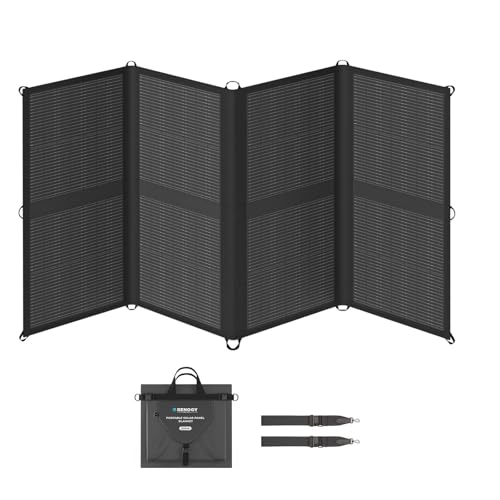
This is the pick for longer trips and heavier power needs, especially when a 100W panel starts feeling a little undersized. The 200W output and N-type solar blanket format point toward more serious off-grid support, while the backpack-size foldable shape still keeps it travel-ready.
The 25% efficiency figure stands out on paper, but the real-world benefit is simpler: you get more power from less roof or campsite space. That does make it a stronger fit for power-station owners, though it also means a larger, more substantial carry than the smaller options here.
Best Bits
- 200W output gives you more headroom for bigger setups.
- 25% efficiency is a strong spec for compact travel power.
- Backpack-size foldable format keeps storage easier than a rigid panel.
- USB-A and Type-C outputs add direct device charging options.
Trade Offs
- The higher output naturally brings more panel to carry.
- More power is useful, but only if your battery system can take it.
- For simple emergency phone charging, the 25W BigBlue or FlexSolar 25W is enough.
Technical Sheet
Whose Shelf It Belongs On
You belong here if your camping, SUV, RV, or marine setup needs more energy than a lightweight backup panel can deliver.
Skip It When
FlexSolar 100W Foldable Portable Solar Panel Charger IP67 Waterproof suits lighter packers who still want useful versatility without stepping up to 200W.
This FlexSolar panel lands in the same small-device lane as the BigBlue 25W, but it leans a little more toward simple everyday use. The built-in USB-A and USB-C ports keep the setup familiar, and the ultra-light build makes it easy to toss into a hiking pack.
That kind of convenience matters most on short trips, backpacking weekends, and emergency kits where you want a panel that doesn’t feel like a separate chore. The honest read is that 25W is modest, yet plenty of people only need enough sun to keep a phone or small accessory going.
Positives
- Ultra-light feel suits hiking and backpacking.
- USB-A and USB-C ports cover common charging needs.
- Compact size makes storage simple in a daypack or glove box.
- Good backup choice for phone-focused use.
Small Caveats
- 25W output is aimed at small electronics, not larger gear.
- You get less charging headroom than the 30W and 100W models.
- For extended van travel, a foldable 100W panel feels more capable.
Core Details
Made For
You fit this panel best if you want a lightweight emergency charger for hiking, backpacking, or short outdoor stays.
A Better Fit Elsewhere
SOLUPUP Solar Panels 30W Portable Foldable Solar Charger suits campers who want a little more output while staying portable.
How To Choose The Right Lightweight Solar Panels
Start With Your Power Goal
Lightweight solar panels fall into two broad camps: tiny charging panels for phones and compact foldables for power stations. The wattage number tells you the rough size of the panel’s output, and that matters because a 25W unit serves very different needs from a 200W blanket.
Phone charging, GPS units, and small lights fit the lower end well, while longer camping stays and RV use usually call for more headroom. The trade-off is simple, more output usually means more surface area and more to carry.
Match The Form To The Way You Travel
Foldable panels suit people who unpack at a campsite, then store everything back in the vehicle. Flexible panels make more sense for van roofs, marine decks, and other curved surfaces where a panel needs to sit close and low.
That shape choice changes daily ownership more than many shoppers expect. A flexible panel can look cleaner on a permanent setup, while a foldable panel usually feels easier to move, stow, and share between trips.
Check Ports And Connection Types
USB-A and USB-C are the most convenient direct-output options for smaller devices, while DC, XT60, and Anderson connectors help with power stations and larger battery systems. Each connector type points toward a different kind of setup, so the right match saves you adapter clutter.
In a busy campsite, a more flexible port mix can be the difference between a tidy setup and a pile of loose cables. For simple day trips, fewer ports may actually feel easier to manage.
Look At Weather Protection And Carry Comfort
Weather ratings matter because solar panels live outdoors, and small ratings differences can shape how carefully you store and place the panel. A higher dust-and-water rating gives more peace of mind around damp grass, dusty trails, or marine use.
Carry comfort matters just as much. A 0.84-pound panel is a very different proposition from a 200W travel blanket, and that difference shows up fast on longer walks from the car to the site.
What To Weigh Before You Decide
Wrong Turns To Avoid
One common miss is choosing wattage that looks attractive but doesn’t fit the devices you actually carry. Another is overlooking the connector side, then ending up with a panel that needs extra adapters before it can do its job.
Storage is the other easy trap. A panel that folds well or bends neatly will feel far less annoying once you’re packing for a trip or tucking gear into a small vehicle.
The Upgrade Payoff
Higher-tier panels usually cost more because they give you more output, more usable connectors, stronger weather protection, or more specialized construction. That’s the practical reason the 200W Renogy, the 100W FlexSolar, and the flexible Renogy options sit above the tiny emergency panels.
Paying up makes sense once your setup depends on that extra power every trip. For occasional phone charging, the smaller units are enough, but power-station users and long-stay campers usually feel the upgrade quickly.
Frequently Asked Questions
What wattage works best for casual camping?
30W to 100W covers most casual camping setups well. Smaller devices need less, while a power station or several gadgets usually benefits from the larger end.
Are flexible panels better than foldable ones?
Flexible panels fit curved or low-profile installs better. Foldable panels are easier to move, pack, and store between trips.
Do USB-C ports matter on a solar panel?
USB-C matters because it matches many current phones, power banks, and accessories. It also reduces the number of cables you need to keep in your kit.
What does a higher weather rating change?
A stronger dust-and-water rating gives you more confidence outdoors. It does not remove the need for sensible storage and placement.
Should you choose 25W for hiking?
Yes, 25W works well for phones, lights, and compact backup charging. For larger batteries or longer stays, a 30W or 100W option makes more sense.
Final Thoughts
You get the best results when the panel matches your travel style instead of chasing the biggest number on the page. For curved roofs and marine use, the Renogy flexible picks make a lot of sense. For packable campsite charging, the FlexSolar 100W and the lighter 25W panels cover very different needs without much confusion. Choose the shape, output, and connector set that fits your routine, and the panel should feel useful instead of fussy.
