

Outdoor motion lighting gets a lot easier once you know what matters, especially for driveways, side gates, sheds, and patios that need coverage without wired installation. The right pick balances sensor range, head layout, brightness, and how much control you want over modes or beam direction. You also want something that fits your space, because a narrow porch and a wide backyard ask for very different lighting behavior.
Quick Look At The Shortlist
CLAONER Solar Outdoor Lights Motion Sensor 2500LM 286 LED Security Flood Lights

SZPOWER 4500LM Solar Lights Outdoor Waterproof 254 LED Solar Flood Lights

kuyimy Solar Lights Outdoor 72 LED Motion Sensor Wall Light

YSEAGA Solar Lights Outdoor Waterproof 288 LED 2800LM Motion Sensor Outdoor Lights

SZPOWER 6000LM Solar Lights Outdoor Waterproof 6 Heads Solar Flood Lights
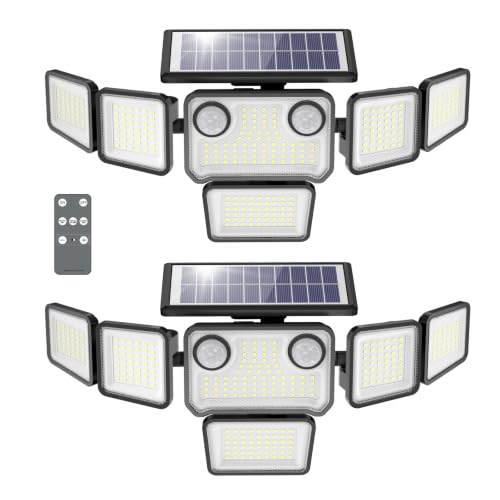
omibee Solar Lights Outdoor 6000LM 310 LEDs Dual Motion Sensor Solar Flood Lights
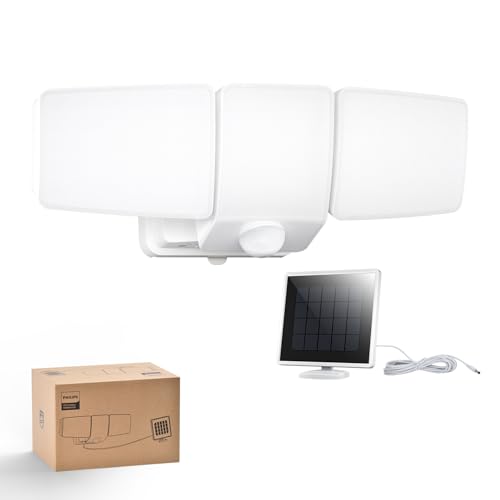
Philips 3600LM Solar Security Lights 5000K Waterproof Dimmable LED Motion Sensor Outdoor Lights
More Details On Our Top Picks
CLAONER gives you a useful mix of output and status feedback, with 286 LEDs, 2500LM, and a visual battery plus mode display that takes some guesswork out of setup. The three-head layout suits garage doors, side yards, and patio corners where a single flat beam often feels too narrow.
The honest read is that this one leans practical rather than flashy, which suits most homes that want clearer coverage without a complicated control setup. Compared with the wider, more aggressive shape of the SZPOWER picks later on, it feels a little more contained, which can be an advantage in tighter spaces.
Strong Points
- The display helps you see battery and mode status at a glance.
- Three adjustable heads spread light across more than one angle, which helps along fences or corners.
- 2500LM suits everyday security lighting without feeling overdone for a small yard.
- IP65 rating supports outdoor placement in exposed spots.
Things To Consider
- It gives you less raw output than the higher-lumen models in this roundup.
- The two-pack format may be more than you need for a single entry point.
- Owners commonly look for a clean mounting spot so the three heads can angle properly.
Feature Snapshot
Who It Suits Best
You suit this pick best if you want a straightforward motion light for a home entry, medium patio, or garage wall and prefer visible status cues over extra app-style complexity.
Where A Sibling Pick Shines
SZPOWER’s 4500LM model fits larger yards better, especially where stronger spread matters more than a display panel.
Two motion sensors and four heads give this SZPOWER set a broader security profile than CLAONER’s three-head layout, which matters around larger garages or side lots. The 4500LM output puts it in a stronger lighting band for open yards, where you want the beam to reach past the first few feet.
For most backyards, that extra spread is the point, though the larger frame can feel like more hardware than you need on a narrow porch. It suits you best when coverage matters more than keeping the fixture visually small.
What We Like
- Two sensors help catch movement from more than one direction.
- Four heads widen the light pattern for driveways and larger wall runs.
- 4500LM gives you a stronger presence than the 2500LM CLAONER option.
- The two-pack format works well for covering separate zones around a property.
- IP65 protection supports outdoor use through ordinary weather exposure.
Minor Gripes
- The larger head arrangement asks for a bit more mounting space.
- Some homes will not need this much output for a small entrance.
- As with many multi-head lights, angle setup matters for even coverage.
Core Details
Built With In Mind
You fit this set well if your property has a broader perimeter, a double garage, or a yard that needs more than basic doorway lighting.
Another Choice May Suit
kuyimy’s 72 LED wall light makes more sense for porches, fences, and smaller side entrances where a compact body feels easier to place.
kuyimy keeps things simple, and that simplicity is useful on porches, fences, and front doors where a smaller body can fit more neatly than the bulkier four- and six-head lights above it. The 72 LED setup is modest, but it can feel perfectly sensible for tight spots that only need a clear burst of light near the entry.
The trade-off shows up in larger driveways, where this compact frame will not replace the more forceful coverage of the SZPOWER or omibee units. For apartments, narrow gates, and smaller garden paths, though, it stays easy to place and easy to live with.
Highlights
- Small wall-mounted body suits tighter exterior spaces.
- Three lighting modes help you match the light to different evening routines.
- IP65 protection makes it a sensible outdoor fixture for ordinary exposure.
- Two-pack coverage works well for a front and back entry.
Small Caveats
- 72 LEDs keep the output modest compared with larger flood styles.
- It is less suited to wide yards or long driveways.
- Smaller lights often need careful placement to avoid shadows near the sensor zone.
Details At A Glance
Whose Shelf It Belongs On
You suit this one best if you want a small motion light for a porch, doorway, or fence line and care more about neat placement than maximum spread.
Swap It Out When
CLAONER’s 2500LM three-head light fits better for garage walls and larger patios where you want more reach from a single fixture.
Remote control adds a layer of convenience here, and that makes a difference for wall-mounted lights that sit a little high or awkwardly off to the side. The 288 LED count and 2800LM output place it between the compact kuyimy pick and the heavier SZPOWER options, which gives you a middle ground for patio edges and garage walls.
You may find that balance appealing if you want control without jumping straight to the largest six-head units. The honest read is that the remote is the standout, while the 2800LM output keeps the light in a practical everyday zone rather than a stadium-bright one.
Upsides
- The remote makes mode changes easier from ground level.
- Four heads help direct light across more than one exterior surface.
- 288 LEDs give the fixture a dense lighting layout.
- 2800LM works well for porches, garages, and patio walls.
- IP65 protection keeps it suited to outdoor mounting.
Areas To Watch
- The remote is useful, though it adds one more item to keep track of.
- It is not as strong as the 4500LM and 6000LM units above it.
- Four heads need a little patience during initial aiming.
Feature Rundown
Right Fit For
You fit this option well if you want a controllable wall light for a garage, patio, or side yard and like the idea of adjusting settings without climbing back to the fixture.
A Better Fit Elsewhere
omibee’s 6000LM dual-sensor light makes more sense for broader backyard security zones where stronger spread matters more than remote convenience.
Six heads and 6000LM put this SZPOWER set in a more aggressive lighting class than the 2800LM YSEAGA light above it. That matters for larger yards, side runs, or outbuildings where you want the lit area to reach farther from the wall.
The two-sensor layout gives it a broader detection approach, which feels well matched to a busier outdoor perimeter. The trade-off is size, because a six-head body takes more planning than a compact wall light and looks more substantial once mounted.
Reasons To Buy
- 6000LM gives you strong coverage for broad outdoor areas.
- Six heads help shape the light across multiple angles.
- Two motion sensors increase the chance of catching movement from different approaches.
- The two-pack setup works for front and rear zones.
- Remote control adds easier day-to-day mode handling.
Points To Note
- The larger footprint needs a wall or eave with enough room.
- It can be more fixture than a small porch requires.
- Multi-head units usually reward careful installation and aiming.
Quick Facts
Best Suited To
You suit this model best if you need broad perimeter lighting for a larger yard, driveway edge, or detached garage and want fewer dark corners.
Look Elsewhere When
kuyimy’s compact 72 LED wall light is easier to place on narrow porches or smaller fences where a six-head body would feel oversized.
omibee follows the same high-output formula as the SZPOWER six-head set, but it leans into dual motion sensing and a security-wall-light framing that suits backyards and side passages. For a home that needs broad coverage without looking under-lit, that combination is sensible.
Compared with the CLAONER and kuyimy picks, this one aims higher on reach and detection, which is useful around larger outdoor zones. You may still want to think carefully about placement, because a stronger multi-head light tends to work best when the mounting point is already well chosen.
Bright Spots
- 6000LM gives the light serious reach for outdoor security use.
- 310 LEDs support a full, wide flood pattern.
- Dual motion sensors improve movement coverage around busy access areas.
- Six heads help aim light across yards, fences, and wall sections.
- The two-pack format is useful for covering two sides of a property.
Worth Noting
- The larger housing asks for more thoughtful installation than a small wall light.
- It can be more output than a simple front step needs.
- Cleaning and dusting the heads matters a bit more on multi-head units.
At A Glance
The Right Fit
You suit this pick best if your backyard or side yard needs wide-area coverage and you want a light that feels more security-focused than decorative.
Where Another Pick Suits Better
YSEAGA’s 2800LM model is easier to manage on a patio or garage wall where you want remote control and less fixture bulk.
This Philips setup stands apart for its separate solar panel and 16ft cable, which give you more freedom in where the light sits and where the panel catches sun. That matters on garages, sheds, and shaded walls, where a fixed all-in-one panel can be awkward or less effective.
The 5000K color temperature means a cooler white tone, and the dimmable output gives you more control than the simpler on-off style seen in the lower-cost options. For installations that need tidy routing and a more adjustable feel, it earns its place near the top of the list.
Positives
- Separate panel placement helps you work around shade and awkward wall angles.
- The 16ft cable gives you useful install flexibility.
- Three adjustable heads help cover a broader area.
- Dimmable lighting offers more control over how much light you want at night.
- 5000K light has a cleaner, cooler look for security use.
Softer Spots
- The split-panel layout asks for a little more planning during installation.
- It focuses more on flexibility than sheer output.
- Some homes will prefer a simpler one-piece light for quick mounting.
Technical Sheet
Perfect Match For
You suit this model best if your wall space is shaded, your roofline is awkward, or you want the panel mounted in a sunnier spot than the lamp itself.
A Better Fit Elsewhere
CLAONER’s 2500LM three-head light suits simpler garage and patio installs better when you want a more compact all-in-one shape.
How To Choose The Right Led Solar Outdoor Lights Motion Sensors
Match The Beam To The Space
Brightness matters, but beam shape matters just as much. A three-head wall light works well for porches and garage doors, while four- and six-head designs cover wider walls, driveways, and side yards with less shadowing.
Motion sensor layout matters too. A dual-sensor setup can catch movement from more than one direction, which helps around larger entries or L-shaped paths.
Look At Mounting And Power Layout
A separate solar panel with a long cable gives you more freedom in shaded areas. That setup works well on garages, sheds, and fences where the light sits in one spot and the sun hits another.
All-in-one fixtures are simpler to mount, though. For smaller homes and fast installs, that can be the cleaner route.
Think About Control And Daily Use
Remote controls, dimming, and multiple modes change how comfortable the light feels over time. They matter most on walls that sit high up or in areas you use in different ways during the week.
A visual battery or mode display also helps, because it tells you what the fixture is doing without guesswork. That kind of feedback is handy for anyone who wants a low-fuss setup.
A Quick Reality Check
Common Shopping Slip Ups
Shoppers often focus on LED count and skip the actual shape of the light. A dense head layout still needs the right mounting space, or the coverage gets messy.
Another common miss is underestimating how much shade hits the panel location. A solar light only works smoothly when the panel has a fair shot at daylight.
The Upgrade Payoff
Higher-tier models usually cost more because they add more heads, stronger output, better sensor coverage, or a split-panel design. Those upgrades matter on larger properties, darker perimeters, and awkward mounting spots.
You feel the difference most when the fixture needs to do more than light a doorway. On a garage, long driveway, or wide backyard, the extra flexibility is easier to justify.
Frequently Asked Questions
How bright should motion solar outdoor lights be?
For small porches and steps, lower output can be enough. Wider yards and garages usually benefit from stronger lumen ratings and more heads.
Do dual motion sensors help?
They help when movement comes from more than one direction. That setup works well near side yards, corner lots, and broader driveways.
Are split solar panel lights harder to install?
They take more planning than one-piece lights. The payoff is better panel placement in shaded or awkward spots.
What lighting modes matter most?
Motion-only and dim-to-bright modes cover most home use. A mode display or remote control makes those settings easier to manage after mounting.
Which style suits a small porch?
A compact wall light with three modes usually fits small entryways best. Larger six-head flood lights are more than most narrow porches need.
Closing Thoughts
You get the best results by matching the light to the space, not by chasing the biggest number on the box. Small porches usually suit compact wall fixtures, while garages and wide yards need more heads, more reach, or a separate panel for better placement. Philips stands out for flexible mounting, CLAONER feels easy to live with, and the two SZPOWER options cover larger zones with confidence. Choose the shape that fits your wall, and the rest gets simpler.
