

Home backup power looks different depending on the space you’re trying to keep alive. A compact power station suits apartment essentials and short outages, while a full-house standby setup makes more sense for larger properties with critical circuits, refrigeration, and climate control. The right choice comes down to runtime, fuel source, output, noise, and how much install work you’re willing to take on.
Below, you’ll find a mix of portable inverter units, solar-capable stations, and whole-home systems. That spread matters, because a camping-friendly unit and a permanently installed standby generator solve very different problems. You’ll see where each one fits, what it gives up, and which type of home it matches best.
Quick Look At The Shortlist

Jackery Explorer 2000 v2 Portable Power Station 2042Wh

Oxseryn Power Equipment 4400 Watts Inverter Generator

AIVOLT 1600W Super Quiet Inverter Generator 28lbs

Oxseryn 4400-Watts Inverter Generator 30A Outlet

ERAYAK 4500W Portable Inverter Generator for Home Use

Jackery HomePower 3000 and 2x200W Solar Panels 3072Wh
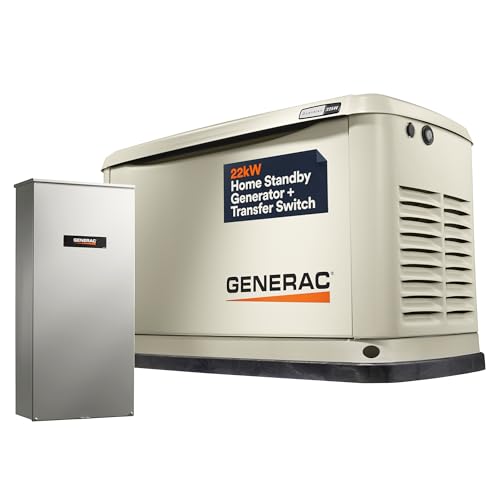
Generac Guardian 22kW Home Generator

DuroStar DS13000MX 13,000-Watt 500cc Dual Fuel Portable Generator
More Details On Our Top Picks
Backup power gets a lot easier to live with when the unit stays quiet, charges fast, and has enough output for the basics. This Jackery uses a LiFePO4 battery, which is a lithium iron phosphate cell type known for long cycle life, so it fits homes that want a steadier long-term setup than a small emergency pack. The 100W USB-C port is especially handy for laptops and newer phones, and the 2200W AC output gives you room for everyday household essentials.
Compared with the fuel-burning picks in this roundup, it feels cleaner and simpler to keep indoors during an outage. The trade-off is that battery capacity still limits runtime, so this suits short to medium interruptions better than multi-day whole-home use. For apartments, townhomes, and households that want a low-fuss backup station, that balance makes sense.
Strong Points
- 2042Wh capacity gives you solid headroom for routers, lighting, and small appliances.
- 2200W AC output covers a useful spread of household devices without feeling cramped.
- USB-C PD at 100W helps charge modern laptops without an extra power brick.
- LiFePO4 battery chemistry is a strong fit for long-term ownership planning.
- Silent charging mode stays quiet enough for bedrooms and late-night workspaces.
Things To Consider
- Battery runtime is finite, so heavy appliance loads drain it faster than a fuel model.
- Solar panels are optional, which means the full setup can take more planning.
- Best suited to backup essentials, not a whole-house load center.
Feature Snapshot
Who It Suits Best
Urban households, remote workers, and anyone wanting a quiet backup source for essentials will get the most from this layout.
Another Choice May Suit
Generac Guardian 22kW Home Generator fits larger homes that want automatic whole-house coverage rather than portable battery storage.
This Oxseryn lands in the middle ground between a compact battery station and a full standby system. It runs on gas and uses an open-frame layout, which usually keeps weight and cost in a more practical range for portable backup. ECO mode trims engine load during lighter use, so you’re not forcing full output all the time.
For RV trips, tailgates, or a garage-based emergency kit, that mix is appealing. The honest read is that open-frame gas units ask more from you on storage, fuel handling, and maintenance than the Jackery battery models, so convenience is not the headline here. You’re buying straightforward output and flexibility, not silent indoor friendliness.
What We Like
- 4400 watts gives you more breathing room for heavier portable loads.
- ECO mode helps match output to demand during lighter use.
- Open-frame construction tends to keep the footprint manageable for storage.
- RV-ready design makes it easier to slot into travel use.
Worth Noting
- Gas storage and routine upkeep matter more than they do with battery stations.
- Open-frame designs are usually less suited to tight indoor-adjacent spaces.
- You’ll want to plan fuel access before extended outages.
Core Details
Built With In Mind
RV owners, garage users, and homes that want a portable gas option will find the shape of this generator easy to understand.
Swap It Out When
Jackery Explorer 2000 v2 Portable Power Station 2042Wh is a better fit for quiet indoor backup and device charging.
The AIVOLT is the lightest-feeling option in this set, and that shows in the way it targets camping and quick backup rather than broad home coverage. At 28 pounds, it’s the sort of unit you can move without turning setup into a chore. The 57dBA noise level is still audible, but it’s clearly aimed at keeping conversation and campsite life from getting overwhelmed.
Pure sine wave output means the electrical waveform is shaped for sensitive electronics, which matters for devices that dislike rough power. Compare that with the larger Oxseryn and ERAYAK models, and you can see the trade-off: less capacity, less load headroom, but far easier carrying and storage. For solo travelers or small households wanting a portable emergency layer, that’s a smart compromise.
Highlights
- 28-pound weight keeps moving and storage simple.
- 1260W running output covers modest essentials with less bulk.
- Pure sine wave power is a better match for sensitive electronics.
- 8-hour ECO mode supports lighter-duty use without constant refueling.
- 57dBA is more manageable than many larger gas generators.
Small Caveats
- Running output is modest, so it’s not built for heavier appliances.
- Gas-powered upkeep still applies, including fuel and storage care.
- The lighter build trades away the bigger reserve you get from larger units.
Details At A Glance
Who Should Grab It
Weekend campers, van setups, and small households that want a light generator for short interruptions will get the most from this pick.
Where A Sibling Pick Shines
ERAYAK 4500W Portable Inverter Generator for Home Use suits you better when you need more output for household backup.
This Oxseryn is cut from the same basic cloth as the prior 4400-watt entry, but the 30A outlet gives it a more obvious role in RV and backup setups. A 30-amp outlet is the kind of connection that matters when your gear expects a sturdier dedicated plug rather than a loose collection of adapters. That makes the unit feel more purpose-built for planned use, not just emergency improvisation.
You’ll still deal with the realities of gas operation, storage, and routine care, so this isn’t the effortless path. The upside is practical power in a format that can pull double duty between home backup and travel. For owners who want one machine to cover both, the fit is straightforward.
Best Bits
- 4400 watts gives you a useful cushion for portable backup loads.
- 30A outlet supports RV and transfer-style setups more cleanly.
- Open-frame layout keeps the format familiar and easier to stage.
- Gas power extends runtime beyond what a battery pack can offer.
Points To Note
- Gas upkeep and storage planning remain part of ownership.
- Open-frame construction is more workhorse than polished centerpiece.
- Noise and exhaust make outdoor placement the sensible choice.
Quick Facts
The Right Fit
Travel-oriented households and owners who want a backup generator with an RV-friendly plug will find this one easy to slot in.
Look Elsewhere When
Jackery HomePower 3000 and 2x200W Solar Panels 3072Wh makes more sense for quieter solar-backed home use.
The ERAYAK sits in a practical sweet spot for households that want more output than a tiny travel unit, but not the bulk of a full standby machine. Its 4500W rating and eco mode make it suitable for a mix of home backup and outdoor use, especially where a moderate portable generator is easier to store than a bigger open-frame model. In most garages, that kind of middle-ground size feels easier to live with.
Compared with the AIVOLT, you get a noticeable step up in headroom, which helps when you want to run more than one essential at a time. The trade-off is that it stays a portable gas generator, so it still asks for fuel management and outdoor placement. For many households, that combination is exactly the point.
Reasons To Buy
- 4500W output gives you more room for mixed household loads.
- ECO mode helps keep lighter use from feeling wasteful.
- Portable design makes it easier to store than a permanent standby unit.
- Good bridge option between tiny camping units and larger home generators.
Areas To Watch
- Gas-powered care still applies, including fuel rotation and storage.
- Portable format means setup is manual during outages.
- Noise control depends on outdoor placement and distance from living spaces.
Spec Overview
Whose Shelf It Belongs On
Households wanting a portable generator for both emergency basics and casual outdoor use will get the clearest value here.
A Better Fit Elsewhere
AIVOLT 1600W Super Quiet Inverter Generator 28lbs fits better for lightweight camping and easier carrying.
Jackery moves up a level here, and the extra solar panels change the ownership story. You’re not just storing power, you’re also collecting it, which is a more useful setup for outages that stretch beyond a night or two. The 3072Wh battery and 3600W AC output make this a serious backup station for larger homes that want more than a phone-and-router safety net.
The 7200W surge rating gives heavy startup loads more breathing room, which matters for appliances that pull harder at startup than they do in steady use. Compared with the smaller Explorer 2000 v2, this is the step-up model for families who need longer coverage and a broader appliance list. The catch is simple, this is more system than convenience toy, so storage and placement take planning.
Upsides
- 3072Wh capacity gives you a larger reserve for longer interruptions.
- 3600W AC output supports more demanding household essentials.
- 7200W surge capacity helps handle startup spikes from tougher equipment.
- Two 200W solar panels add a meaningful recharge path.
- LFP battery chemistry points toward longer-service ownership.
Trade Offs
- The larger setup asks for more storage room than compact battery units.
- Solar use depends on panel placement and weather conditions.
- It’s more system-oriented than a simple grab-and-go power station.
Core Details
Made For
Families wanting a large solar-capable backup system for outages, RV use, or a dedicated emergency room will see the most value here.
Skip It When
Jackery Explorer 2000 v2 Portable Power Station 2042Wh suits smaller spaces and lighter backup needs more cleanly.
This is the category’s clear standby-style option, built for homes that want automatic backup rather than a machine you wheel out and start by hand. The 22kW class is aimed at whole-house coverage, and the transfer switch plus WiFi monitoring make it feel more like part of the home’s power system than a stand-alone appliance. For larger properties, that kind of integration is a major practical difference.
Natural gas or propane support gives you fuel flexibility, and automatic transfer means the generator can take over without the same level of manual intervention as portable units. Compare it with the Jackery systems, and the trade-off is obvious, more coverage and automation here, much more installation and permanent commitment there. That’s the right direction for homeowners who want a true standby setup.
Bright Spots
- 22kW output supports whole-house backup use.
- Automatic transfer reduces the need for manual outage response.
- WiFi monitoring adds remote visibility into system status.
- Natural gas or propane support adds fuel flexibility.
- Transfer switch inclusion makes the setup more complete for home integration.
Room For Improvement
- Permanent installation is a much bigger project than portable placement.
- Best suited to homes with the space and infrastructure for standby hardware.
- More system complexity means more planning before installation.
Technical Sheet
Best Suited To
Homeowners wanting whole-house standby coverage, especially in storm-prone areas, will get the clearest fit from this generator.
Reach For A Different Pick When
DuroStar DS13000MX 13,000-Watt 500cc Dual Fuel Portable Generator makes more sense for portable whole-home backup on a tighter setup path.
The DuroStar is the brute-force portable in this lineup. Dual fuel support gives you a choice between gas and propane, which matters during longer outages or when one fuel source is easier to store than the other. Remote electric start also lowers the friction of getting it running, which is a meaningful quality-of-life detail on a generator this size.
For whole-home backup, this type of portable unit sits between small inverter models and a fixed standby system. You give up the hands-off convenience of the Generac Guardian, but you gain portability and a simpler path for households that don’t want a permanent install. That makes it a strong match for larger loads, transfer-switch-ready setups, and practical emergency planning.
Positives
- 13,000 watts gives you substantial headroom for heavier household demand.
- Dual fuel support adds flexibility around fuel storage and availability.
- 500cc engine size suggests the muscle needed for bigger backup jobs.
- Remote electric start keeps startup less cumbersome.
- Transfer-switch-ready design suits planned home backup setups.
Honest Caveats
- Size and fuel use make this a serious storage and placement consideration.
- Portable does not mean lightweight, so moving it takes planning.
- Noise and exhaust keep it firmly in outdoor territory.
Feature Card
Who Will Love This
Homeowners wanting portable high-output backup for large loads, workshops, or transfer-switch setups will get the clearest value here.
Where Shoppers Go Wrong
Generac Guardian 22kW Home Generator is the better path for anyone who wants automatic whole-house standby instead of a portable solution.
How To Choose The Right Home Generator Systems
Match Output To The Loads You Actually Keep Running
Start with the things that matter during an outage, not the entire appliance wish list. A power station like the Jackery Explorer 2000 v2 suits lighting, networking gear, and small appliances, while a 22kW standby unit from Generac can support a far broader household load. The useful number is output in watts, because that tells you how much demand the unit can carry at once.
Surge output matters too, since motors and compressors draw extra power at startup. That’s why the Jackery HomePower 3000 and DuroStar DS13000MX look very different on paper, even though both aim at backup use. For homes with refrigerators, sump pumps, or other startup-heavy devices, surge headroom is not a side note.
Choose The Fuel And Noise Profile That Fits The Setting
Battery stations are the cleanest fit for apartments, attached garages, and rooms where noise has to stay low. Gas generators bring longer runtime and faster refueling, but they also bring exhaust, fuel storage, and more upkeep. The AIVOLT and the portable Oxseryn units sit on that gas side of the line, so outdoor placement is part of the plan.
Noise also changes the ownership experience. A sub-30dB silent charging mode feels almost invisible compared with an open-frame generator, and that matters in a home where outages can stretch into the evening. Quiet matters less in a detached garage, but it becomes a real quality-of-life factor in dense neighborhoods.
Think About Installation, Storage, And Routine Care
Portable units need a place to live, a fuel plan, and periodic maintenance. That sounds basic, but it’s where many households get caught off guard, especially with larger open-frame generators that take more room than they first appear to. A permanent standby system asks for even more planning up front, because transfer equipment and installation space become part of ownership.
Solar-capable stations sit in a different category. They reduce dependence on refueling, yet they also ask you to think about panel placement, sun exposure, and where the battery system will sit between uses. For many homes, that middle path works well, especially where outages are occasional and the goal is keeping essentials alive without turning the garage into a fuel depot.
What To Weigh Before You Buy
Mistakes Worth Dodging
Many shoppers fixate on wattage and miss the rest of the setup. That leads to awkward choices, like buying a large gas generator for a quiet indoor space or choosing a small battery station for a house that needs refrigerator and pump support.
Another common miss is ignoring storage and maintenance. Portable generators need fuel care, and standby systems need room and installation planning, so the unit has to fit your property as well as your load list.
The Upgrade Payoff
Higher-tier models cost more because they often bring more output, longer runtime, better battery chemistry, or more complete home integration. The Generac Guardian’s automatic transfer setup and the DuroStar’s 13,000-watt dual-fuel format both add capability that smaller units simply don’t have.
That extra money makes sense when you want fewer compromises during long outages or when your home has heavier electrical demand. For lighter backup needs, a well-sized portable inverter or solar station often keeps the budget and the use case in better balance.
Frequently Asked Questions
What size generator works for a typical home?
A small home often does well with a portable inverter or battery station for essentials only. Larger homes with more circuits usually need a higher-output portable unit or a standby system.
Are solar generator systems enough for outages?
They work well for essentials, especially when quiet operation matters. They are less suited to long, heavy-load outages unless you pair them with enough stored capacity and solar recharge.
What is the difference between inverter and standby models?
Inverter generators regulate power more cleanly and usually fit portable use. Standby models are permanently installed and can switch on automatically for whole-house backup.
Does fuel type change ownership much?
Yes, because gas and propane require storage and routine handling, while battery systems skip fuel entirely. The trade-off is runtime, since battery units depend on stored capacity and recharge access.
Which option is easiest to live with during short outages?
A quiet battery station is often the least disruptive for short interruptions. It is especially practical in apartments, townhomes, and homes where indoor use matters.
Final Verdict
Your best match depends on how much of the home you want to keep running and how hands-on you want the setup to be. The Jackery units suit quiet, battery-based backup, the portable gas generators cover broader loads with more upkeep, and the Generac Guardian delivers the most complete whole-house standby path. The right choice is the one that fits your space, your storage habits, and the kind of outage you actually face. Pick for your home, not for the spec sheet, and you’ll end up with a much better backup setup.
