

Power cuts expose the gap between convenience and readiness fast. You need enough output for the essentials, a charging path that fits your setup, and a form factor you can actually live with during storms, travel, or a long weekend without grid power.
This roundup covers portable power stations, inverter generators, and larger dual-fuel units so you can match capacity to your home and your tolerance for fuel, noise, and maintenance. Some are compact enough for apartments and garages, while others are built to carry more of the house.
Quick Shortlist For Backup Power

Jackery Explorer 2000 v2 Portable Power Station 2042Wh 2200W AC Output
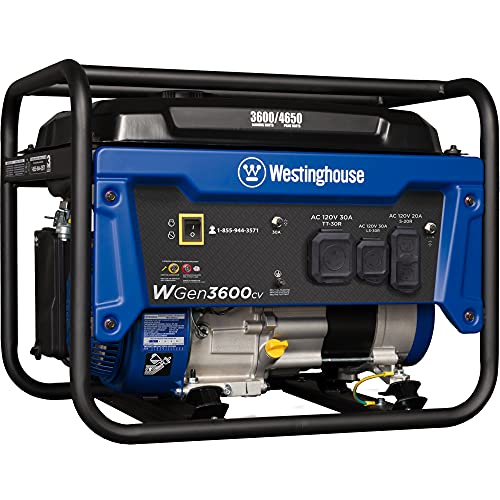
Westinghouse 4650 Peak Watt Portable Generator

Oxseryn Power Equipment 4400 Watts Inverter Generator Gas Powered

Westinghouse 12000 Peak Watt Dual Fuel Portable Inverter Generator

Oxseryn 4400-Watts Inverter Generator

Champion Power Equipment 4000-Watt Dual Fuel RV Ready Portable Inverter Generator

DuroStar DS13000MX 13,000-Watt 500cc Dual Fuel Portable Generator

Westinghouse 9500 Peak Watt Home Backup Portable Generator
More Details On Our Top Picks
The Jackery lands in a different lane from the gas units below, because it leans on battery power instead of fuel. For a condo, a home office, or a storm kit that stays indoors, that matters more than raw noise or runtime.
Its 2042Wh capacity and 2200W AC output give you room for a modem, lights, a fan, and other modest household loads without the smell and upkeep of combustion. The trade-off is simple, battery stations still need planning around recharge time and total load, so this fits best as a clean backup, not a whole-house substitute.
Strong Points
- Three AC outlets spread the load across several devices instead of forcing you to rely on a single socket.
- USB-C PD at 100W helps charge laptops and newer gear directly, which cuts down on adapter clutter during outages.
- LiFePO4 chemistry, a lithium iron phosphate battery type, usually brings longer service life than older battery designs, which helps for frequent outage seasons.
- Silent Charging mode is rated under 30dB, so it suits bedrooms, shared spaces, and overnight use better than a fuel generator.
Worth Noting
- The battery capacity still has limits, so high-draw appliances are outside its comfort zone.
- Solar charging depends on panel setup, which adds cost and space even though the unit supports it.
- The app-based super charging route is handy, but that style of control can feel unnecessary for shoppers who want a simpler button-and-cord routine.
Feature Rundown
Who It Suits Best
You fit this best if you want quiet indoor backup for essential electronics and light household use.
A Better Fit Elsewhere
Westinghouse 12000 Peak Watt Dual Fuel Portable Inverter Generator suits you better if you need fuel-powered support for much larger home loads.
Compared with the Jackery, this Westinghouse moves back to gasoline and gives you a more familiar backup pattern for outages. The RV-ready 30A outlet is the standout detail, because that single connection supports trailer use and makes the unit feel less niche.
For a garage or yard setup, the gas format gives you a straightforward way to cover refrigerators, sump pumps, or a few core circuits through an outage. The trade-off is upkeep, fuel storage, and the usual outdoor placement rules that come with combustion equipment.
What We Like
- 4650 peak watts gives you a practical step up from compact battery stations.
- The 30A RV outlet broadens its use beyond the home, which helps for travel and campsite backup.
- Its portable format stays easier to store than the larger whole-home style units farther down the list.
- The CO sensor adds a useful safety layer for outdoor operation near living spaces, though placement still matters.
Points To Note
- Gas units need fuel rotation and routine attention, so they suit hands-on owners more than set-it-and-forget-it households.
- It is not as quiet or indoor-friendly as the Jackery power station.
- Coverage add-ons appear in the source data, but the generator itself still depends on your own maintenance habits.
Details At A Glance
Made For
You fit this well if you want a portable gas generator for smaller homes, RV use, and backup basics.
Another Choice May Suit
Westinghouse 9500 Peak Watt Home Backup Portable Generator suits you better if you want a stronger home-backup focus with transfer-switch readiness.
This Oxseryn sits close to the Westinghouse 4650 in power class, but its open-frame inverter layout changes the feel of the category. Inverter generators condition electricity to be steadier for electronics, so the setup makes more sense for mixed loads than a bare-bones construction unit.
Eco mode helps the engine ease back under lighter demand, which is useful during overnight backup or a quiet camping setup near the house. The honest read is that the open-frame format is still more about function than polish, so it suits practical storage and occasional outage use better than indoor-facing comfort.
Highlights
- 4400 watts gives you a usable middle ground between small portable stations and much larger home-backup units.
- ECO mode can reduce fuel use under lighter demand, which matters during long outages with modest loads.
- The inverter design is friendlier to electronics than a basic non-inverter generator.
- RV-ready output extends its usefulness beyond home backup alone.
Small Caveats
- Open-frame designs usually feel less sheltered than enclosed units, so placement and storage need more care.
- Gas upkeep remains part of ownership, from refueling to periodic maintenance.
- It still sits outside the indoor, low-noise niche that battery stations cover more cleanly.
Core Details
Whose Shelf It Belongs On
You fit this if you want an economical middleweight generator for backup basics, RV power, and occasional travel use.
Where A Sibling Pick Shines
Champion Power Equipment 4000-Watt Dual Fuel RV Ready Portable Inverter Generator is the better fit for you if you want the flexibility of two fuel sources in a similarly compact class.
Compared with the smaller gas models, this Westinghouse moves firmly into serious home-backup territory. Dual fuel means it can run on gas or propane, which gives you more flexibility during storage-heavy outage planning and less dependence on one fuel type.
Remote electric start, transfer-switch readiness, and parallel capability all point toward easier home integration, especially for owners who expect to use a few circuits through an outage. Low THD, or low total harmonic distortion, is the detail that matters for electronics, because cleaner output reduces the chance of sensitive gear seeing rough power.
Upsides
- Dual fuel operation gives you fuel-choice flexibility that the single-fuel picks above do not offer.
- Remote electric start reduces the hassle of walking back and forth during bad weather.
- Transfer-switch readiness helps it fit a more organized home-backup setup.
- Parallel capability gives you room to expand output with another compatible unit.
- Low THD makes the output friendlier for electronics-heavy household use.
Areas To Watch
- Size and weight generally rise with this output class, so storage and placement matter more.
- More capability usually means more complexity in setup and routine maintenance.
- It sits above the needs of smaller apartments or minimalist backup kits.
Feature Snapshot
Built With In Mind
You fit this if you want a high-output backup generator for a house with multiple critical circuits and a more formal installation path.
Skip It When
Jackery Explorer 2000 v2 Portable Power Station suits you better if your backup needs stay indoors and you value silent, fuel-free operation over raw wattage.
This second Oxseryn is close to Item 3 on raw output, but the source framing pushes it more toward straightforward emergency backup than mixed-use versatility. The RV-ready 30A outlet makes that clear, because you get a simple path for trailer power and portable home backup without added complication.
The EPA-compliant note points to emissions-related conformity in the product framing, while the rest of the spec set keeps the focus on practical fuel-powered use. In a busy garage, that kind of no-frills layout can be useful, though it still asks you to handle fuel, oil, and storage with the usual generator discipline.
Best Bits
- 4400-watt output lands in a very workable backup range for common household needs.
- The 30A RV outlet broadens the unit’s purpose beyond home outage duty.
- Open-frame construction usually keeps access and maintenance simple.
- Gas power gives you runtime that stretches beyond short battery reserves.
Minor Gripes
- The open-frame format is less enclosed than the closed-body styles some homeowners prefer.
- Fuel storage and routine upkeep remain part of ownership.
- It does not bring the cleaner indoor profile of a battery power station.
Core Details
Right Fit For
You fit this if you want an uncomplicated gas generator for backup essentials, with RV compatibility built in.
Look Elsewhere When
Westinghouse 4650 Peak Watt Portable Generator suits you better if you want a similar output range with a more established home-and-RV crossover profile.
The Champion sits just below the 4400-watt units, but dual fuel changes the value equation more than the raw watt gap does. That flexibility helps during fuel shortages or storage planning, and the RV-ready format keeps it practical for travel as well as emergency backup.
Quiet technology is the detail that will matter most to you in a neighborhood setting, because lower operating noise helps make a generator easier to live beside. The trade-off is obvious enough, dual fuel and quieter operation often raise the cost and add a little more complexity than the plainest gas-only units.
Positives
- Dual fuel gives you choice between two common fuel types.
- RV readiness makes it easy to fold into travel and home-backup plans.
- Quiet technology suits campgrounds, shared driveways, and close-set homes better than louder open-frame options.
- Inverter output is a sensible match for electronics you want to keep running during outages.
Room For Improvement
- Dual-fuel convenience can add setup steps compared with a simpler gas-only generator.
- It is still a portable unit, so it will not cover the biggest whole-home loads.
- Maintenance and fuel storage still matter, especially in seasonal outage areas.
At A Glance
The Right Fit
You fit this if you want portable, dual-fuel backup for a small home, RV, or cabin setup.
Reach For A Different Pick When
Westinghouse 12000 Peak Watt Dual Fuel Portable Inverter Generator suits you better if your outage plan includes more demanding household circuits and transfer-switch use.
The DuroStar is the biggest unit in this lineup by a clear margin, and its 500cc engine points straight at heavy outage coverage rather than everyday portability. That scale matters most for larger homes, because you can support more circuits and larger start-up loads without treating the generator like a temporary convenience item.
Remote electric start, transfer-switch readiness, and propane plus gas operation make it feel built for planned emergency use, not just occasional tailgating or camping. The trade-off is size, storage space, and the fact that a generator this large belongs to households that can handle a more demanding ownership routine.
Reasons To Buy
- 13,000 peak watts gives you serious overhead for larger backup plans.
- Dual fuel support gives you a backup fuel path during supply changes.
- Remote electric start simplifies operation in rough weather.
- Transfer-switch readiness makes it a more natural fit for home integration.
- The 500cc engine size signals a platform built for heavier demand.
Softer Spots
- Its scale asks for more storage room than the midrange choices above.
- Large-capacity generators usually need more attention to maintenance and fuel management.
- It is more machine than casual backup tool, so it suits prepared households better than minimalist setups.
Technical Sheet
Whose Shelf It Belongs On
You fit this if your home backup plan needs a large portable generator with room for several critical circuits.
Swap It Out When
Westinghouse 9500 Peak Watt Home Backup Portable Generator is the better fit for you if your backup needs are smaller and you want a step down in size.
This Westinghouse sits in the middle of the serious home-backup crowd, and the transfer-switch-ready setup gives it a more integrated feel than the lighter portable options. Auto choke and remote electric start are practical touches, because they reduce the friction that often shows up during an outage or a cold morning start.
For a mid-size house, this is the kind of generator that makes sense when you want more than essentials but do not want to jump all the way to the DuroStar class. The gas engine keeps runtime flexible, and the CO sensor adds an extra layer of operational awareness for outdoor placement.
Highlights
- 9500 peak watts gives you a strong home-backup step without moving into the largest footprint here.
- Remote electric start keeps operation straightforward.
- Auto choke helps simplify cold starts and seasonal use.
- Transfer-switch readiness makes it a more natural home-backup candidate than basic portable units.
- The CO sensor is a useful detail for outdoor generator placement.
Things To Consider
- It still runs on gas, so fuel handling and maintenance stay part of ownership.
- It does not offer the dual-fuel flexibility that some higher-tier units provide.
- Its output is strong, though households with very heavy loads may outgrow it.
Feature Card
Perfect Match For
You fit this if you want a mid-size home backup generator with easy starting and transfer-switch support.
Not Your Match When
Jackery Explorer 2000 v2 Portable Power Station suits you better if you need quiet indoor backup and want to avoid fuel handling entirely.
How To Choose The Right Home Generators For Power Outages
Start With The Load You Actually Need
Your first decision is not brand, it’s load. List the devices that matter most during an outage, then separate essentials like refrigeration, lighting, internet gear, and medical equipment from everything else you can live without for a day.
Battery stations suit lighter household needs and indoor use, while gas generators cover larger start-up loads and longer runtime. The gap between those two categories is the whole decision, not a small detail.
Match Fuel Style To Your Routine
Portable power stations suit homes that want quiet operation, simpler storage, and no fuel management. Gas and dual-fuel generators make more sense for outage-prone areas, detached garages, and homes that need long runtime without constant recharging.
Dual fuel adds flexibility because propane stores differently from gasoline and often fits seasonal planning better. The trade-off is more complexity, so the upgrade only pays off when you will actually use that second fuel path.
Look At Noise, Placement, And Maintenance
A power station can sit inside a living space or close to it because it doesn’t burn fuel. A generator belongs outdoors, and that means you need storage room, a stable setup, and a habit of checking oil, fuel, or battery state before storm season arrives.
Noise matters more than many shoppers expect, especially in dense neighborhoods or on long outages that stretch into the evening. A quieter unit is easier to live with, even if it gives up some output or costs more to get there.
Think Beyond The First Outage
Short blackouts reward compact gear, but longer outages expose weak capacity and awkward charging plans. You may find that a slightly larger generator or a power station with faster recharge makes ownership feel much less stressful.
Transfer-switch readiness, RV outlets, remote start, and clean inverter output are not just nice extras. They change how smoothly the unit fits your house, your travel setup, and your day-to-day habits.
Things Worth Knowing Before You Decide
Where Shoppers Go Wrong
The most common mistake is buying for total wattage and forgetting the start-up surge of compressors, pumps, and similar loads. Another miss is choosing a fuel type that doesn’t fit your storage space or the way you plan to keep the unit ready.
Size can also fool you. A compact-looking generator may still need outdoor clearance, fuel, and routine attention that a battery station never asks for.
When Paying More Pays Off
Higher-tier units usually cost more because they bring larger output, cleaner inverter power, dual-fuel support, remote start, or easier home integration. Those extras are worth it when you want the unit to live in your emergency plan instead of sitting unused until the next storm.
For smaller apartments or light backup duty, extra capability can be wasted capacity. For mid-size homes with refrigerators, internet equipment, and a few critical circuits, the upgrade often saves stress when the lights go out.
Frequently Asked Questions
What size generator suits a small home during an outage?
A compact inverter generator or a high-capacity power station usually covers the essentials in a small home. Your actual load matters more than the label on the box.
Do dual-fuel generators make sense for most households?
They make sense when you want fuel flexibility and better storage planning. They are less compelling for homes that only want a simple gas backup routine.
Can a portable power station handle a refrigerator?
Some can, depending on the refrigerator’s draw and the station’s output and capacity. Battery size and the appliance’s start-up demand both matter.
Why choose an inverter generator over a basic generator?
Inverter models usually provide steadier power for electronics. That makes them a better fit for computers, routers, and sensitive household gear.
What matters most for long outages?
Runtime planning matters most, followed by fuel storage or recharge access. A generator only helps as long as you can keep it supplied and maintained.
Final Thoughts
Your best match depends on what you want to keep running, how much storage you have, and whether you prefer fuel-free convenience or longer runtime from gas. The Jackery handles quiet indoor backup well, while the larger Westinghouse and DuroStar units make more sense once your outage plan starts covering multiple circuits. Keep the load list honest, and the right choice becomes much easier. That usually saves more trouble than chasing the biggest watt number.
