

Power cuts expose the difference between a convenience appliance and a serious backup plan. Some homes need silent, battery-based coverage for routers, lights, and medical-free essentials, while others need fuel-powered output for fridges, sump pumps, and bigger circuits. This roundup focuses on that split, so you can match capacity, runtime, noise, and startup style to the way your home actually runs.
You’ll see compact power stations beside full-size inverter and dual-fuel generators, because the right choice depends on more than wattage alone. A calm apartment setup, a suburban kitchen during a storm, and a whole-home transfer-switch setup all call for different hardware. The items below give you a clean comparison without the fluff.
Quick Look At The Shortlist

Jackery Explorer 2000 v2 Portable Power Station 2042Wh 2200W
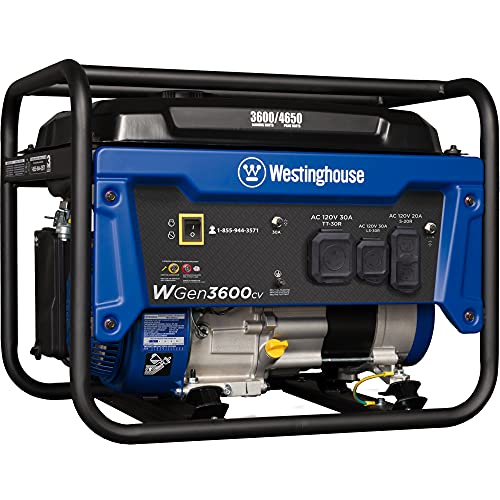
Westinghouse 4650 Peak Watt Portable Generator

Oxseryn Power Equipment 4400 Watts Inverter Generator

Oxseryn 4400-Watts Inverter Generator

Champion Power Equipment 4000-Watt Dual Fuel Portable Inverter Generator

DuroStar DS13000MX 13,000-Watt 500cc Dual Fuel Portable Generator

LIBRIDS Portable Power Station C600 640Wh LiFePO4 Battery

Champion Power Equipment 11,000-Watt Wireless Remote Start Home Backup Portable Inverter Generator
More Details On Our Top Picks
Battery backup makes the most sense where exhaust fumes and noise are a bad fit, and this Jackery leans hard into that use case. The 2042Wh battery capacity gives you room for lights, networking gear, and small appliances, while the 2200W AC output covers a stronger load than many compact stations. For apartment halls, townhomes, or a garage setup with sensitive electronics, that balance is hard to ignore.
The USB-C PD 100W port is a useful touch because it cuts out extra adapters for modern laptops and tablets. Compared with fuel units like the Westinghouse and DuroStar picks, this one is about calm, indoor-friendly backup rather than raw runtime from a tank. The honest trade-off is straightforward, battery stations need planning around charging, so the fit is best for households that can recharge from wall power or solar.
What We Like
- Large 2042Wh capacity gives you more breathing room for essential devices during a long outage.
- 2200W AC output handles a stronger mix of appliances than many smaller portable stations.
- USB-C PD 100W charging reduces the need for extra adapters with newer laptops and tablets.
- LiFePO4 chemistry is built for long service life and tends to suit frequent backup use.
- Silent charging mode keeps noise down, which matters in bedrooms or shared spaces.
Things To Consider
- Battery capacity is finite, so larger appliances can drain it faster than a fuel generator would.
- Wall, solar, or app-based charging all need a plan before storm season arrives.
- At this size, it still takes up real shelf or floor space in a closet, utility room, or trunk.
Feature Snapshot
Who It Suits Best
You’ll get the most from this in a home that values quiet operation and indoor use over fuel-based runtime.
Where A Sibling Pick Shines
DuroStar DS13000MX is the stronger fit for a whole-house setup that needs heavy appliance coverage and fuel flexibility.
Gas power keeps this Westinghouse in a very different lane from the Jackery above. The 4650 peak watt figure gives you a practical step up for fridge duty, tool charging, and RV-style hookups through the 30A outlet, so it fits more demanding outage scenarios than a small battery station. For a detached home with a driveway, that extra reach matters.
The CO sensor is a safety-minded feature that belongs on any generator intended for real home use, because placement and ventilation still matter a lot. The trade-off is noise and fuel handling, both of which are part of owning a portable gas generator. Compared with the Oxseryn pair, this one reads like the steadier middle lane for a first serious backup setup.
Strong Points
- 4650 peak watts give you more headroom than compact backup units.
- RV-ready 30A outlet broadens the ways you can connect it.
- Gas operation works well for longer outages where refill access is practical.
- CO sensor adds a useful layer of awareness for home and driveway use.
Small Caveats
- Gas storage and refueling add a layer of upkeep you won’t have with a battery station.
- It takes more outdoor space than the compact power-station options in this list.
- Noise and exhaust make siting it away from windows and doors a real consideration.
Core Details
Made For
Households that want a straightforward fuel generator for outages, RV use, or driveway placement will get the most from it.
A Better Fit Elsewhere
Champion Power Equipment 4000-Watt Dual Fuel Portable Inverter Generator suits shoppers who want quieter operation and the option to choose fuel type.
This Oxseryn sits between the quieter battery route and the heavier whole-home class. The 4400-watt inverter setup points to a more controlled power delivery than a plain open-frame unit, which helps when you’re running electronics alongside basic appliances. For a garage, workshop, or RV pad, that middle-ground shape makes sense.
ECO mode usually matters most on lighter loads, because the engine can ease off instead of staying fully engaged all the time. That helps with fuel use and noise, though you still need to manage fuel and outdoor placement. Compared with the Westinghouse, this feels a little more tuned toward efficient, flexible use rather than raw house coverage.
Highlights
- 4400 watts gives you a practical amount of backup power for mixed household tasks.
- Inverter design is a smart fit for electronics that prefer steadier output.
- ECO mode can help the generator feel less wasteful during lighter loads.
- Open-frame layout keeps the form factor familiar for emergency use and RV storage.
Worth Noting
- Fuel upkeep and outdoor placement still come with the territory.
- Open-frame generators are usually less discreet than enclosed inverter units.
- The fit is better for targeted backup than for running an entire home at once.
Details At A Glance
Best Suited To
You’ll appreciate this most in a setup where you want inverter-style output without moving all the way up to a large home-backup machine.
Another Choice May Suit
LIBRIDS Portable Power Station C600 works better for apartment backup or quieter indoor-friendly use with a smaller essential-load list.
Compared with the Oxseryn above, this version keeps the same 4400-watt class but leans harder into the home-backup role. The RV-ready 30A outlet makes it a sensible fit for a campsite or an emergency connection point, and the open-frame format keeps the package straightforward. That kind of setup suits a garage, shed, or utility area where portability matters more than refinement.
The EPA note signals a compliance-oriented design, though you still need to check local rules and placement needs before running any fuel generator. For households building a backup plan on a tighter budget, the appeal is in its no-nonsense shape. The trade-off is the same one you see with most open-frame units, more noise and less polish than a fully enclosed inverter model.
Best Bits
- 4400-watt output fits a realistic mix of emergency household loads.
- RV-ready 30A outlet broadens hookup flexibility.
- Open-frame build keeps setup straightforward and familiar.
- Good fit for storage in a garage or utility space.
Areas To Watch
- Open-frame design usually means more sound than an enclosed alternative.
- Fuel handling and outdoor siting remain part of ownership.
- It lacks the calm, indoor-friendly feel of the Jackery power station.
Feature Rundown
Right Fit For
Shoppers who want a practical gas generator for outage support, RV use, and utility-room storage will find the shape easy to live with.
Where A Sibling Pick Shines
Champion Power Equipment 11,000-Watt Wireless Remote Start Home Backup Portable Inverter Generator suits larger homes that want more output and remote-start convenience.
Dual fuel changes the conversation fast in an outage, because you get more than one path to keep the lights on. This Champion’s 4000-watt class is a useful middle ground, and the quiet-technology angle makes it easier to live with near a driveway, campsite, or shared outdoor area. The 3-year warranty line in the title also signals a more long-view ownership style than the bare-bones generators around it.
Compared with the Westinghouse, this one gives you fuel flexibility rather than a single-fuel setup. That matters most for households that like having propane on hand or want a cleaner storage routine than gasoline alone usually offers. The trade-off is simple, dual-fuel convenience is useful, but you still need to manage fuel selection and the usual generator upkeep.
Positives
- Dual fuel design gives you more flexibility during long outages.
- 4000-watt class is a solid fit for essential household gear.
- Quiet-technology focus makes it easier to place in a lived-in setting.
- RV-ready design broadens its use beyond emergency home backup.
- Portable inverter format is better suited to electronics than a basic generator.
Points To Note
- Fuel switching adds a little planning to everyday ownership.
- It still needs outdoor operation and sensible placement.
- 4000 watts is useful, but not enough for a larger whole-home load.
Quick Facts
The Right Fit
This suits you best when fuel flexibility matters just as much as portability and noise control.
Look Elsewhere When
DuroStar DS13000MX is the smarter move for a much larger home load that needs stronger output and whole-home backup scope.
This is the large-scale option in the list, and the 13,000-watt class tells you immediately that it targets much bigger backup demands. Dual fuel support gives you gas and propane flexibility, while remote electric start reduces the hassle of getting it running in bad weather or during a late-night outage. For homes with transfer-switch readiness in mind, that combination is close to the center of the conversation.
Compared with every smaller pick here, the DuroStar is about running more of the house, not just the basics. The 500cc engine size hints at the power plant behind that output, though the trade-off is obvious, this is bigger, louder, and more storage-hungry than the compact models. For a dedicated garage or utility area, that’s acceptable, and for smaller homes it’s probably too much machine.
Upsides
- 13,000 watts gives you serious room for larger backup loads.
- Dual fuel support adds real flexibility for extended outages.
- Remote electric start is a practical convenience in rough weather.
- Transfer-switch readiness aligns with more serious home backup planning.
- RV and emergency readiness widen the ways you can use it.
Room For Improvement
- The size makes it a poor fit for tight storage spaces.
- Fuel use, maintenance, and placement are part of a larger ownership commitment.
- It’s more machine than many households need for short outages.
Spec Overview
Whose Shelf It Belongs On
You should look here for large homes, storm-prone properties, or backup plans that need more than essentials.
Swap It Out When
Jackery Explorer 2000 v2 Portable Power Station is the better fit for quieter indoor-friendly backup and smaller loads.
The C600 looks built for people who want a smaller, quieter backup box rather than a heavy generator footprint. With 640Wh of storage and a 600W output rating, it sits in the essentials-only lane, which is often enough for routers, lighting, and a few charge cycles during shorter outages. The 8-port layout, including 4 AC outlets, makes the station feel thoughtfully arranged for real life.
Its 10ms UPS function is the detail that stands out for home electronics, because that kind of quick transfer matters around devices that don’t like interruption. The fast-charge claim also makes day-to-day readiness less annoying than on slower battery units. The limitation is clear, though, this is not the machine for big appliances, and the smaller size means you’ll need to keep expectations tight.
Bright Spots
- 640Wh size keeps it compact without feeling toy-like.
- 600W output is enough for a modest essentials list.
- 8 ports, including 4 AC outlets, add flexibility for several devices.
- 10ms UPS support is useful for equipment that dislikes downtime.
- LiFePO4 battery chemistry fits repeated backup and everyday charging.
Minor Gripes
- It won’t run larger appliances, so the load list has to stay modest.
- The smaller battery size means shorter runtime than the larger stations here.
- Fine for a shelf or closet, but still worth keeping charged and accessible.
Core Details
Built With In Mind
You’ll get the best fit from this in small homes, apartments, and tight backup setups where silence and portability matter.
Reach For A Different Pick When
Champion Power Equipment 11,000-Watt Wireless Remote Start Home Backup Portable Inverter Generator is the stronger move for larger homes that need more output and easier start control.
This Champion is built for a more comfortable home-backup routine than a plain pull-start machine. Wireless remote start matters most when the generator sits outside in bad weather or across the driveway, because you don’t have to walk back and forth just to get it going. At 11,000 watts, it has the scale for a much bigger backup load than the compact battery units in this list.
Compared with the DuroStar, it gives up the dual-fuel path but keeps the convenience angle front and center. The quiet-technology wording suggests a more civilized experience than an open-frame generator, though it’s still a fuel machine that needs outdoor placement and routine upkeep. For households that want power plus convenience, this is the polished step up.
Reasons To Buy
- Wireless remote start makes operation easier from the house or porch.
- 11,000 watts gives you strong headroom for home backup loads.
- Portable inverter design is better for mixed household electronics.
- Quiet technology keeps it more manageable than a basic open-frame unit.
- Home-backup focus suits more structured emergency planning.
Softer Spots
- It still needs fuel management and a proper outdoor location.
- Dual-fuel flexibility is missing, unlike the DuroStar and Champion 4000-watt pick.
- The larger output makes it more generator than casual portable gear.
Technical Sheet
Perfect Match For
This suits you best when you want a larger backup machine with a convenience-first start method.
Skip It When
LIBRIDS Portable Power Station C600 is the better call for apartment-friendly backup and quieter indoor-use needs.
How To Choose The Right Home Generators For Power Outage
Start With The Load You Actually Need
Begin with the devices you truly want running, not the dream list. A router, a few lights, and phone charging sit in a very different power class than a fridge, freezer, and well pump.
Battery stations like the Jackery and LIBRIDS fit lighter essentials, while gas units such as the Westinghouse and DuroStar handle much bigger appetite. That split matters more than brand name, because wattage and runtime decide what stays on and what goes dark.
Match Fuel Style To Your Space
Battery backup is cleaner, quieter, and easier to place indoors, which helps in apartments, townhomes, and enclosed garages with proper ventilation planning. Fuel generators need outdoor placement, storage for gas or propane, and a little more routine care.
For a busy household, the practical question is not just output, it’s where the unit will live between storms. A compact station can sit in a closet or utility shelf, while a bigger generator wants floor space, airflow, and a clear path for maintenance.
Think About Noise, Start Method, And Convenience
Quiet charging and inverter design matter most near sleeping areas or shared walls. Remote start also changes the daily experience, because it saves you from wrestling with a pull cord in bad weather.
That’s why the Champion remote-start model feels more refined than the open-frame Oxseryn units, even though both can help during outages. Small convenience details often decide whether backup power feels manageable or annoying.
Plan For The Type Of Outage You Expect
Short, local outages usually reward a battery station with quick access and low noise. Longer storm-driven outages call for fuel backup, transfer-switch readiness, or dual-fuel flexibility.
Homes with bigger electrical needs should lean toward the DuroStar or the 11,000-watt Champion. Smaller spaces do better with the Jackery or LIBRIDS, because they keep the backup plan simple and easier to live with.
A Quick Reality Check
Common Shopping Slip Ups
People often shop by watt number alone and miss the shape of the setup. A generator that sounds large on paper can still be wrong for a small home, a tight porch, or a unit that has to live indoors.
Another common miss is ignoring fuel and storage. A fuel generator with no clear place to sit, refuel, or cool down becomes more of a chore than a backup tool.
Why Top Tier Costs More
Higher-tier models usually add stronger output, better start convenience, and more flexible fuel options. Those parts cost more because they are doing more work behind the scenes.
That upgrade makes sense when outages are frequent, the home is larger, or you want easier operation during bad weather. For occasional light outages, a simpler battery station often makes more sense.
Frequently Asked Questions
What size generator works for a basic home outage?
A compact battery station can cover lights, phones, and networking gear. Larger homes usually need a fuel generator with more output headroom.
Are battery stations better than gas generators?
Battery stations are quieter and easier to place near living spaces. Gas generators last longer through extended outages and handle heavier loads.
What does inverter mean in a generator?
An inverter generator conditions power so it is better suited to electronics. That matters for laptops, routers, and mixed household loads.
Does dual fuel actually help?
Dual fuel gives you two ways to keep the generator running. That flexibility helps when one fuel is harder to store or source.
What matters most for indoor-friendly backup?
Low noise and no exhaust are the biggest advantages for indoor-friendly setups. That is where battery stations clearly stand apart from fuel models.
Closing Thoughts
You have a fairly clear split here, quiet battery backup for essentials on one side, and fuel-powered muscle for bigger outage jobs on the other. Jackery and LIBRIDS make the most sense for smaller spaces or simpler backup plans, while Westinghouse, Champion, Oxseryn, and DuroStar cover the heavier end of the job. The right choice comes down to how much of your home you want to keep running, and how much storage and upkeep you’re willing to handle. Pick the shape that fits your house first, then the power number.
