

Foldable Portable Solar Panels make sense when you want power that travels with you, not a setup that stays parked at home. The right panel can help on a campsite, in an RV, on a long drive, or during a home outage, but size, port mix, and waterproofing change the experience a lot. This roundup keeps the focus on real use, so you can match wattage and portability to the way you actually charge phones, power banks, and stations.
The Shortlist At A Glance

Renogy 200W Portable Solar Panel, IP65 Waterproof Foldable Solar Panel Power Backup

FlexSolar 100W Foldable Portable Solar Panel Charger IP67 Waterproof

FlexSolar 60W Foldable Portable Solar Panel Charger IP67 Waterproof

Renogy 400W Portable Solar Panel, Premium Materials for Decades of Use

SOLUPUP Solar Panels 30W Portable Foldable Solar Charger
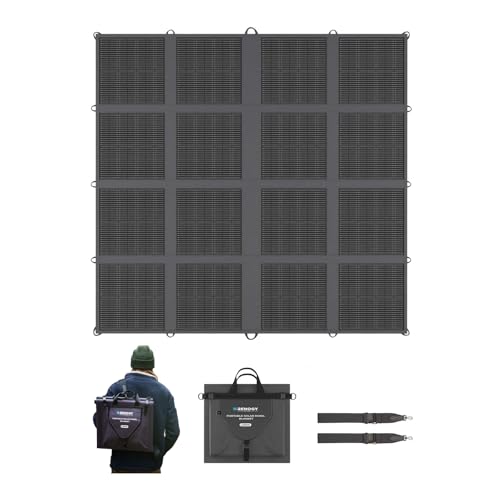
Renogy 400W Portable Solar Panel for Power Stations, 25% High Efficiency
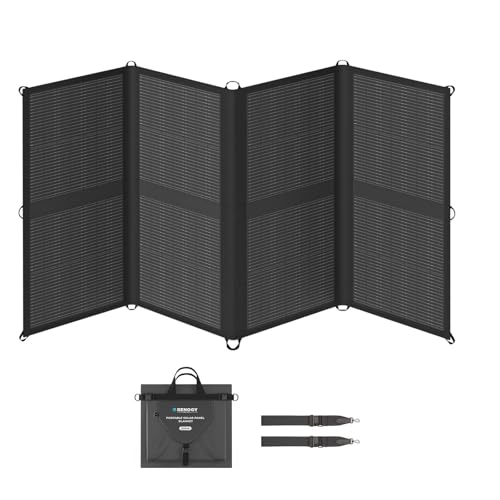
Renogy 200W Portable Solar Panel for Power Stations, 25% High Efficiency

40W Portable Solar Panel Charger with USB C, USB A and DC Outputs
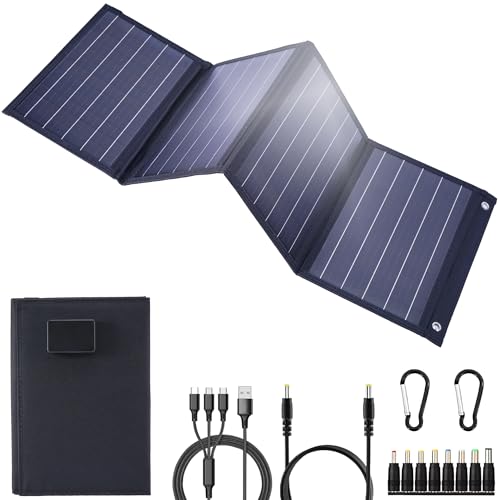
2026Upgrade 40W Foldable Solar Panel Charger, 25% High Efficiency Portable N Type Cell
More Details On Our Top Picks
Renogy’s 200W panel sits in the sweet spot for you when a single carryable setup needs to support more than just a phone. The foldable suitcase format and kickstand make it easier to aim at the sun from a campsite, driveway, or RV pad, while the USB-A and Type-C outputs add day-to-day convenience. IP65 protection means it’s built to handle dust and splashes better than bare-bones travel panels. The trade-off is obvious, though, because 200W still asks for more storage space than the smaller panels in this list.
That makes this a sensible middle ground for campers who want backup power without jumping straight to a larger 400W rig. The lightweight build helps with carry-in, but you still need enough surface area to set it out properly. In a blackout or on a long weekend trip, that balance tends to matter more than flashy extras.
Strong Points
- 200W output suits power stations and larger device loads better than the 30W and 40W picks.
- USB-A and Type-C outputs add direct charging for smaller electronics.
- The kickstand helps you angle the panel without fuss at camp or beside an RV.
- IP65 protection gives you more confidence around dust and light splashes.
- The folding format keeps storage simpler than a rigid panel of similar size.
Small Caveats
- It takes more room than the 60W and 100W options, so tight storage bins may feel cramped.
- Direct USB charging is useful, but full utility still depends on the gear you connect.
- Keeping the panels clean matters, since dust and grime can chip away at practical output.
Feature Rundown
Who It Suits Best
You benefit most here when you camp often, keep a power station in the truck, or want a practical backup panel for outage days.
Where A Sibling Pick Shines
Renogy 400W Portable Solar Panel for Power Stations, 25% High Efficiency suits you better when your station, RV routine, or off-grid setup needs much more output.
The FlexSolar 100W model looks aimed at the person who wants a useful middleweight panel without carrying the bulk of a larger suitcase setup. Its USB-C with PD 3.0 means the USB-C port follows the Power Delivery standard, which can speed up compatible devices, while QC 3.0 on USB-A and a DC port widen your charging options. IP67 protection is a step up from the more basic splash resistance found on many travel panels, so it suits damp campsites and dusty storage better. The catch is that 100W still sits below the Renogy 200W options for larger battery packs.
In everyday use, that makes it a tidy match for phones, power banks, and a modest power station. You may find it especially comfortable for weekend packing because the port mix reduces the need for extra cables. The honest read is that it works best as a flexible travel panel, not a whole-home backup tool.
What We Like
- 100W output gives you more headroom than the smaller 40W and 60W picks.
- USB-C PD 3.0, USB-A QC 3.0, and DC ports cover a wide spread of gear.
- IP67 protection helps it suit rougher outdoor conditions.
- The format stays easier to carry than the 200W and 400W suitcase-style choices.
Points To Note
- 100W can feel modest beside the 200W and 400W Renogy panels for larger stations.
- Port-heavy layouts still reward cable organization, or the setup can get messy in a hurry.
- Storing it dry and clean keeps the folding seams in better shape over time.
Details At A Glance
Who Should Grab It
You fit this panel well when you want one portable charger for trips, camping, and backup charging without a heavy carry.
Where A Sibling Pick Shines
Renogy 200W Portable Solar Panel, IP65 Waterproof Foldable Solar Panel Power Backup makes more sense for you when a power station needs more output than a 100W setup can comfortably provide.
That 60W rating puts this FlexSolar panel in a very portable lane, which is exactly why it stands out for short hikes, day trips, and lighter camp kits. USB-C with PD 3.0, USB-A with QC 3.0, and a DC port give it more usefulness than a plain single-port charger. IP67 protection also helps in rougher weather, so you’re not treating it like fragile gear. The trade-off is simple, because 60W is better for phones, tablets, and smaller banks than for hungry power stations.
Compared with the 100W FlexSolar, this one trims size and carry weight while giving up charging headroom. You may appreciate that trade more than the extra output, especially in a backpack or glove box. It feels like a sensible middle step before you move down to the 40W phone-focused models.
Bright Spots
- 60W keeps the panel easier to carry than the 100W and 200W picks.
- USB-C, USB-A, and DC outputs cover common small-device charging needs.
- IP67 protection suits damp, dusty, or unpredictable outdoor settings.
- The size makes it a friendlier travel companion than larger suitcase-style panels.
Areas To Watch
- 60W will feel light for larger battery stations.
- Small foldable panels can pick up grime quickly, so occasional cleaning helps.
- Output depends heavily on sun angle, so placement matters more than the spec sheet suggests.
Core Details
Whose Shelf It Belongs On
You fit this panel best when portability matters more than sheer wattage and you mostly charge smaller electronics.
Another Choice May Suit
MHPOWOS 40W Portable Solar Panel Charger with USB C, USB A and DC Outputs is the lighter-match option for phone-first packing and short outdoor outings.
For larger off-grid setups, this Renogy 400W panel moves into serious territory. The suitcase-style fold, sturdy kickstand, and IP67 weather protection make it better suited to repeated setup and takedown than a small travel panel. That higher output matters when your power station has real appetite, especially in an RV, at a remote cabin, or during longer outage routines. The trade-off is predictable, because a 400W panel is not something you casually toss into a daypack.
Compared with the 200W Renogy options, this one is built for people who would rather move more energy at once than carry less weight. The premium-material angle suggests better long-term durability expectations, though you still need sensible storage and a clean surface to keep it working well. It feels like the serious option in this list, just not the handiest one for light travel.
Reasons To Buy
- 400W output suits larger power stations and more demanding charging routines.
- The kickstand helps with sun positioning in camp or at a vehicle stop.
- IP67 protection gives stronger outdoor resilience than lighter splash-resistant designs.
- The suitcase format keeps deployment straightforward for a panel this size.
- Premium material wording points to a build intended for repeated use.
Room For Improvement
- It takes more storage space than the 100W and 60W options.
- Moving a panel this large around camp is a two-handed task, not a casual one.
- Regular cleaning matters, because large panel surfaces can lose effectiveness when dirt builds up.
Key Specs
Best Suited To
You benefit most here when your RV, power station, or backup system needs strong solar input and you have room to move a larger panel.
Look Elsewhere When
Renogy 200W Portable Solar Panel, IP65 Waterproof Foldable Solar Panel Power Backup suits you better when you want easier handling and less storage burden.
SOLUPUP keeps the focus narrow, and that makes sense for a 30W foldable panel. USB-A and USB-C fast charging support give it a practical role for iPhones, iPads, Samsung phones, and power banks, especially on hikes or light camping trips. The built-in smart chip is meant to recognize attached devices and help avoid overcurrent, overvoltage, and short-circuit problems, while the auto-reconnect behavior resumes charging after sunlight returns. The compromise is plain: 30W is for small electronics, not for larger power stations.
Compared with the 40W models, this one is a little less capable but still nicely portable. In a daypack, that smaller footprint can matter more than the extra ten watts elsewhere. The honest read is that it fits casual charging routines better than heavier off-grid expectations.
Highlights
- 30W output works well for phones, tablets, and power banks.
- USB-A and USB-C make it easier to connect common devices without extra adapters.
- The smart-chip control adds useful charging management for everyday gadget use.
- Auto-reconnect after sun returns is handy during shifting outdoor light.
- Its compact fold is easier to pack than the larger 60W and 100W panels.
Worth Noting
- 30W stays in the small-device lane and will feel limited for bigger battery packs.
- Keeping the panel surface clean helps maintain practical output outdoors.
- It makes the most sense when your charging list stays light.
Feature Card
Right Fit For
You suit this panel well when you want a simple travel charger for phones, tablets, and power banks.
Reach For A Different Pick When
FlexSolar 60W Foldable Portable Solar Panel Charger IP67 Waterproof makes more sense for you when you want a little more output and broader port support.
This Renogy 400W blanket-style panel is built for people who want strong output without giving up as much storage space as a rigid panel would demand. The N-type cell design and 25% efficiency point to a more advanced cell structure, and efficiency means how much of the sun’s energy the panel can turn into usable power. That matters when you’re working with limited sun windows, a pickup bed, or a marine setup where space is precious. The trade-off is that it still belongs in the high-output class, so casual carry use won’t feel especially light.
Compared with the suitcase-style 400W Renogy option, this one should appeal more to travelers who like a blanket form factor and less bulk in the pack. Backpack-size folding also helps for storage between trips, which is a real convenience in crowded garages or RV compartments. You may find it especially useful when your setup needs serious charging but not a bulky frame.
Best Bits
- 400W output gives you serious headroom for larger power stations.
- 25% efficiency is appealing in setups where space is tight.
- The blanket format stores more compactly than many larger suitcase-style designs.
- It fits camping, RV use, pickup travel, and marine setups.
- Renogy’s focus on higher-output portable gear makes this a confident upgrade path.
Minor Gripes
- Large-output gear still takes planning, especially for transport and setup.
- Fold-and-unfold routines can feel slower than tossing a small travel charger in a bag.
- Keeping the surface clean is part of getting the most from a panel like this.
Technical Sheet
The Right Fit
You fit this panel best when your power station, pickup setup, or marine gear needs serious solar output in a foldable layout.
Skip It When
FlexSolar 100W Foldable Portable Solar Panel Charger IP67 Waterproof is the easier carry when your trips stay lighter and your charging load is modest.
This Renogy 200W blanket-style panel trims bulk while keeping enough output for meaningful portable charging. The 25% efficiency figure and N-type cell design matter most when you want a more space-conscious setup in a vehicle, campsite, or marine compartment. USB-A and Type-C outputs also make it easier to top up smaller electronics without extra hardware. The trade-off shows up in the usual way, because compact foldable gear still needs good sun placement to earn its keep.
Compared with the 400W Renogy blanket, this one feels far easier to manage while giving up the larger panel’s heavy-duty output. That makes it a comfortable middle choice for trips where storage is limited but you still want more than a tiny charger. The honest read is that it suits practical travel better than large stationary backup plans.
Standout Traits
- 200W output gives you a solid step up from the 40W and 60W panels.
- 25% efficiency helps the panel make better use of available sun.
- USB-A and Type-C ports support common device charging without much fuss.
- The backpack-size fold improves portability for vehicle travel and camp use.
Honest Caveats
- It still needs some room to deploy, so tiny spaces may feel tight.
- Foldable panels reward careful storage, especially when you move them often.
- Sun exposure and angle still matter a lot, so placement is part of the routine.
Feature Snapshot
Built With In Mind
You fit this panel well when you want a portable 200W option that still packs more neatly than a larger suitcase setup.
A Better Fit Elsewhere
Renogy 400W Portable Solar Panel, Premium Materials for Decades of Use suits you better when your RV or power station needs a much larger energy intake.
This MHPOWOS panel keeps things lean, and that’s the point. The 40W output is aimed at phones, power banks, and other small gear, while USB-C, USB-A, and DC outputs give you flexible ways to plug in. IP65 waterproofing is helpful for outdoor use, especially on backpacks or short camping trips where light splashes and dust are part of the day. The trade-off is simple, because this is not the panel for a larger station or long off-grid stay.
Compared with the SOLUPUP 30W panel, this one adds a little more output while staying in a similarly carry-friendly size class. You may prefer it for shorter hikes and day trips where a small bump in capacity still matters. It feels like the straightforward pick in this list for lightweight phone charging.
Upsides
- 40W is a practical step up from the 30W SOLUPUP for small-device charging.
- USB-C, USB-A, and DC outputs give you broad compatibility.
- IP65 protection helps with dust and light moisture outdoors.
- The foldable format keeps it easy to carry in a pack.
Areas To Watch
- 40W stays in the phone-and-power-bank lane.
- Panels this small can be picky about placement and shade.
- Surface upkeep matters, because grime can affect output more than many expect.
Core Details
Made For
You fit this panel best when you want a light, simple solar charger for day hikes, backpacks, or quick weekend use.
Swap It Out When
Renogy 200W Portable Solar Panel, IP65 Waterproof Foldable Solar Panel Power Backup is the better match when you need enough output for a power station rather than just small electronics.
Dongindar gives this 40W panel a more feature-heavy profile than the basic small chargers in the list. The N-type cell design, 25% efficiency figure, MPPT charging, and DC12V output point to a panel aimed at users who want a more controlled charging setup. MPPT, or maximum power point tracking, is a charging method that helps the panel work closer to its useful output as conditions change, which matters in shifting light. The trade-off is that the panel still stays in the compact 40W class, so it’s more about smarter charging than bigger output.
The 24-month quality coverage language and online support add a bit of peace of mind, though the practical value still comes down to the panel’s fit for your routine. Compared with the simpler MHPOWOS 40W option, this one leans more technical and more organized for emergency kits or car travel. It feels like a compact panel for someone who likes a little more control in the setup.
Best Bits
- 40W keeps the panel small enough for travel and emergency bags.
- 25% efficiency helps the compact format pull more from available sun.
- MPPT charging adds smarter power handling than a basic fixed setup.
- USB-C, USB-A, and DC12V outputs widen device compatibility.
- The lightweight fold makes it easy to store between uses.
Softer Spots
- 40W still belongs to small electronics, not larger stations.
- More features can mean more cable planning for a clean setup.
- Keeping folds and ports clean helps the panel stay pleasant to use.
Quick Facts
Who Will Love This
You fit this panel best when you want a compact emergency charger with more control than the simplest 40W travel models.
Not Your Match When
FlexSolar 100W Foldable Portable Solar Panel Charger IP67 Waterproof is the smarter step up when your charging load moves beyond phones and power banks.
How To Choose The Right Foldable Portable Solar Panels
Match Wattage To Real Use
Wattage is the first number worth checking because it frames what the panel can realistically support. A 30W or 40W panel suits phones, power banks, and small tablets, while 60W to 100W gives you more breathing room for longer outings. The 200W and 400W choices belong in a different lane, especially for power stations, RV routines, or backup setups.
Storage space matters just as much as output. A panel that looks great on paper can become annoying in a crowded trunk or small RV compartment. The sweet spot is the one you can actually unfold and place correctly without making the whole trip feel clumsy.
Look Closely At Port Mix And Charging Style
USB-A still works for a lot of everyday gear, while USB-C is better for newer phones and devices that support modern charging standards. DC output matters for certain stations and accessories, so it’s worth checking before you assume anything. A panel with multiple outputs can save you from packing extra adapters, which helps on the road.
MPPT, or maximum power point tracking, is worth paying attention to in more advanced compact chargers. It helps the panel stay closer to its useful power range as light changes, which can matter on cloudy trails or during quick setup changes. That kind of control usually costs more, but it can feel smarter than buying wattage you won’t use.
Choose Weather Resistance For Your Setting
IP ratings tell you how well a panel stands up to dust and water exposure. IP67 is stronger than IP65, while IPX5 on a small charger is fine for lighter outdoor use but not the same thing as full weather toughness. For rainy campsites, boat use, or dusty roads, that difference matters more than a flashy port list.
Also think about how often you’ll pack and unpack the panel. Foldable gear lives a harder life than something that stays in a garage, so seams, hinges, and cords deserve real attention. A slightly more durable build is often worth it for frequent travelers.
Size The Panel To Your Energy Habit
The right panel depends on what you charge most days. If you mainly top up a phone and power bank, small and light is the right move. If you keep a station in the vehicle or want a backup source during outages, the larger Renogy panels make more sense.
That’s where the trade-off becomes clear. Smaller panels are easier to carry and store, while larger ones deliver more useful power once they’re deployed. The best choice is the one that fits your routine without asking you to compromise every time you pack.
Things Worth Knowing First
Mistakes Worth Dodging
Shoppers often focus on wattage and ignore size, which is how a panel ends up too awkward to carry or too big for the place it needs to fit. Port count is another common miss, because a useful panel still becomes frustrating when it doesn’t match your cables. Looking at both size and connections keeps the choice grounded.
Weather labels deserve the same attention. A panel with modest protection can still work fine on dry trips, but wet campsites and dusty roads call for stronger resistance. The right level of toughness depends on where you actually travel, not on a spec sheet alone.
Why Top Tier Costs More
Higher-tier foldable panels usually cost more because they use larger surface area, more advanced cell types, stronger weather sealing, or smarter charge control. A 400W unit also needs a sturdier folding frame and more material, which naturally adds complexity. Those parts show up in the price because they affect transport, output, and long-term usability.
The upgrade makes sense when your setup is used often or your charging demand is real. For lighter travel, a compact 40W or 60W model can be the calmer, more sensible choice. Bigger spending should solve a real bottleneck, not just feel impressive on paper.
Frequently Asked Questions
What size foldable solar panel works for phone charging?
A 30W or 40W panel is usually the most practical starting point for phones and power banks. Those sizes stay easier to pack and handle than larger panels.
Is IP67 worth paying attention to?
Yes, especially for camping, vehicle travel, or places with dust and wet conditions. It gives you stronger outdoor protection than lighter splash resistance.
Do USB-C and USB-A both matter?
Yes, because they cover different cables and devices. Having both reduces the chance that you need extra adapters in the bag.
What does MPPT do?
MPPT stands for maximum power point tracking. It helps the panel manage output more effectively as sunlight changes.
Which panel size suits a power station?
100W can work for lighter stations, but 200W and 400W options are more comfortable for larger setups. The right choice depends on how much input your station expects and how much room you have for the panel.
Closing Thoughts
Your best foldable solar panel depends on whether you want a pocket-friendly charger, a balanced travel unit, or a serious power source for a station or RV. The small 30W and 40W choices fit easy packing, the 60W to 100W range handles more mixed use, and the 200W to 400W panels bring real backup muscle. Once you match the panel to your space, your devices, and your routine, the choice gets much clearer. Pick the one that fits how you travel, not just how it looks on the page.
