

Getting the right bifacial panel is less about chasing flashy wattage and more about matching your roof, rack, battery bank, and space. That matters whether you’re building an off-grid cabin array, adding panels to an RV, or wiring a farm shed that needs steadier daytime output. The models below lean toward mono-crystalline construction, N-type cell layouts, and two-panel bundles, so you can compare footprint, mounting style, and use case without sorting through noisy marketing. You’ll also see where narrower frames, anti-shade layouts, and dual tempered glass may make daily ownership easier.
Quick Look At The Shortlist

JJN Bifacial 425 Watt Solar Panel, N-Type 16BB Solar Module

JJN Bifacial 2PCS 425 Watt Solar Panel, N-Type 16BB 850W Solar Panels

JJN Bifacial 400 Watt Solar Panel, 16BB N-Type 2 Pcs 200W 12V

N-Type 16BB 400W Bifacial Solar Panel, 2Pcs 200 Watt Solar Panel
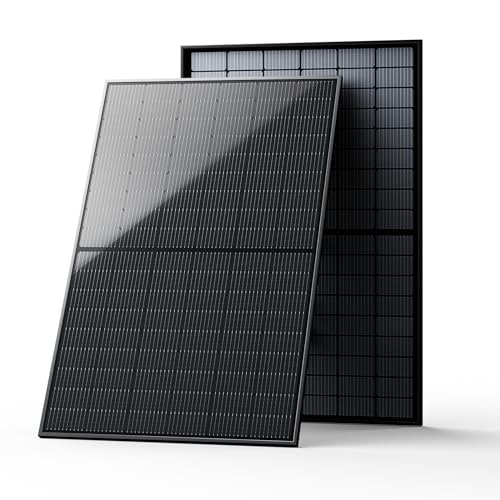
EPOCH 860W Bifacial Solar Panels, N-Type Class A 12/24 Volt

N-Type 16BB 400W Bifacial Solar Panel, 2×200W Solar Panels

Solar Panels, 200 watt Bifacial Solar Panel 12v N Type 18bb IP68

Narrow Bifacial Solar Panel N-Type 18BB 200W Dual Tempered Glass
For a home roof or an outbuilding, this JJN panel keeps the pitch simple, one panel, 425 watts, and an N-type 16BB layout that points to a modern cell design. That cell style matters because 16 busbars can help spread current more evenly across the module, which is useful in real installs where shade and heat are never perfectly tidy.
You may like the 12V, 24V, and 48V system compatibility because it opens the door to several battery and inverter setups. The trade-off is plain: a single high-output panel asks for enough roof or rack space to make the footprint worth it, so it suits larger mounting areas better than cramped vans.
What We Like
- Single-panel format keeps wiring straightforward.
- Works across 12V, 24V, and 48V systems.
- N-type 16BB construction suits demanding daily use.
- Good fit for roofs, farms, and stationary off-grid setups.
Things To Consider
- Large footprint can feel awkward on tighter RV roofs.
- One module limits layout flexibility compared with two-panel kits.
- Mounting hardware choice matters for long-term stability.
Feature Rundown
Who It Suits Best
Homeowners or landowners with room for one larger module will get the most out of this straightforward format.
Where A Sibling Pick Shines
JJN Bifacial 2PCS 425 Watt Solar Panel, N-Type 16BB 850W Solar Panels suits larger builds that benefit from spreading output across two panels.
This two-panel JJN set is the easiest way to think in terms of a larger array without jumping into a more complex bundle. At 425 watts per panel, the pair gives you more layout freedom than the single-panel JJN option above, which helps on broader roofs or a ground rack where spacing is less tight.
That flexibility matters for off-grid homes, workshops, and farm power where panel placement often has to work around vents, seams, or roof clutter. The honest read is that a pair needs a little more planning up front, but the split setup can make installation feel less boxed in once you start mapping the space.
Bright Spots
- Two-panel format makes array planning easier.
- 425-watt modules suit larger energy goals.
- N-type 16BB design fits long service life expectations.
- Good match for rooftops with obstacles.
- Helps spread output across more mounting area.
Softer Spots
- Two modules mean more mounting decisions.
- Bundled size may be too much for small vans.
- Panel spacing and cable routing take a little planning.
Core Details
Made For
Off-grid installers with generous roof or ground space will appreciate the extra planning room this pair gives you.
A Better Fit Elsewhere
JJN Bifacial 425 Watt Solar Panel, N-Type 16BB Solar Module suits simpler one-panel projects or smaller staged upgrades.
This JJN pair leans friendlier for campers, trailers, and marine setups because each panel is sized as a 200-watt module rather than one bigger slab. That split can make handling easier during installation, especially on a roof where you want to work around vents, rails, or curved edges.
Compared with the 425-watt JJN options, this one feels easier to stage in a compact system and less intimidating to mount. The trade-off is simple enough, you give up the bigger single-module punch in exchange for more manageable pieces and a setup that feels less heavy-handed.
Reasons To Buy
- Two 200-watt panels are easier to handle.
- Works well for RV and trailer builds.
- 12V emphasis fits many small battery systems.
- Better fit for tighter roof planning.
Room For Improvement
- Lower total output than the larger JJN pair.
- Two-panel setup still needs careful cable routing.
- Less suited to big stationary arrays.
Feature Card
Built With In Mind
RV, camper, and trailer owners who want a simpler two-panel layout will find this format easier to work with.
Another Choice May Suit
JJN Bifacial 2PCS 425 Watt Solar Panel, N-Type 16BB 850W Solar Panels suits larger roofs where output matters more than handling ease.
Callsun takes a more system-minded approach here, with a dual-module parallel anti-shade design that aims to keep one panel from dragging down the whole setup. In plain terms, parallel wiring gives each module its own path, which is useful on rooftops where vents, racks, or tree shadows can interrupt even sunlight.
That makes this a sensible fit for mixed-light conditions in RV, marine, and home installs. The trade-off is that more routing and planning can be involved than with a single-panel option, so this is better for you when you’re comfortable thinking through the wiring layout.
Standout Traits
- Parallel design helps in patchy light.
- Two 200-watt panels suit moderate systems.
- Works across 12V and 24V systems.
- Useful for RVs, rooftops, and boats.
Points To Note
- Parallel layout needs more planning than a simple single module.
- Owners may prefer cleaner roof access for installation.
Details At A Glance
Right Fit For
Hands-on installers working around shade, vents, or irregular roof lines will get the most from this layout.
Look Elsewhere When
JJN Bifacial 425 Watt Solar Panel, N-Type 16BB Solar Module suits simpler installs that only need one panel and less routing.
With 430-watt panels in a two-piece set, this EPOCH option is built for bigger projects that need more ceiling room in the energy budget. The waterproof module wording is useful for marine and camping use, where splash exposure and changing weather are part of normal ownership.
Compared with the JJN and Callsun pairs, this one leans more toward larger setups than compact roof work. You may find it more comfortable on a boat, a roomy RV roof, or an off-grid site where panel bulk is easier to manage than on a small van.
Best Bits
- High combined output suits larger electrical loads.
- Waterproof module wording fits damp environments.
- Two 430-watt panels simplify staged expansion.
- Works across 12V and 24V setups.
Trade Offs
- Panel size can overwhelm tight roofs.
- Marine and RV installs still need solid mounting plans.
- Higher-output layout makes shade management more important.
Quick Facts
Who Should Grab It
Boat owners and off-grid setups with room for larger modules will get the most from this high-output pair.
Swap It Out When
JJN Bifacial 400 Watt Solar Panel, 16BB N-Type 2 Pcs 200W 12V is the gentler choice for smaller roofs and simpler handling.
This Callsun pair lands in a useful middle zone, with 2 x 200-watt panels that feel easier to place than a single oversized module. The dual-module anti-shade design gives you a practical edge in real-world roof conditions, especially where one section of the array may see more shadow than another.
For battery-based RV, marine, and home systems, that balance is often the sweet spot. The compromise is that you still have two pieces to align, so installation is a little more involved than a one-panel setup, but the payoff is better layout control.
Upsides
- Two 200-watt modules are easier to position.
- Anti-shade design helps in uneven light.
- Good fit for 12V and 24V battery systems.
- Works for RV, marine, rooftop, and home use.
Minor Gripes
- Two-panel wiring takes more time than single-panel mounting.
- Roof cleanup and spacing matter for a neat install.
Feature Snapshot
The Right Fit
Battery-system owners who want balance between output and handling ease will find this pair a sensible fit.
Reach For A Different Pick When
EPOCH 860W Bifacial Solar Panels, N-Type Class A 12/24 Volt suits bigger power goals and roomier mounting areas.
This AeternaSol panel is the most compact-minded option in the list, with a 200-watt format that suits smaller off-grid builds and portable-style projects. The IP68 rating means the enclosure is built to handle dust and water ingress to a high level, which matters on boats, exposed rooftops, and dusty farm setups.
Compared with the larger JJN and EPOCH options, this one is easier to think about as a modular building block. The trade-off is obvious, you get less total output per panel, so it suits incremental systems better than a setup that needs a lot of charging muscle right away.
Highlights
- 200-watt size works well in compact arrays.
- IP68 protection suits harsher outdoor conditions.
- N-type 18BB layout fits modern panel construction.
- Good modular choice for staged system growth.
Areas To Watch
- Single-panel output stays modest.
- Less suited to large roof spans.
- Smaller output means more modules for bigger loads.
At A Glance
Who Will Love This
Compact off-grid systems and small marine or rooftop installs suit this panel especially well.
Where A Sibling Pick Shines
Narrow Bifacial Solar Panel N-Type 18BB 200W Dual Tempered Glass works better for buyers who want a more distinctive frame style in a similar power class.
The narrow frame is the hook here, and that matters more than it sounds like on cramped rooftops, charging stations, and mixed-use outbuildings. Dual tempered glass adds a tougher feel than a single-glass layout, and that usually appeals to installations where weather exposure and handling wear are part of everyday life.
Anti-PID technology is also listed, with PID meaning potential-induced degradation, a term for output loss linked to voltage stress across a panel. Compared with the more standard-looking AeternaSol panel, this MUGLARE option feels like the cleaner fit when width is the main constraint and you still want a 200-watt class module.
Best Bits
- Narrow profile suits tricky mounting spaces.
- Dual tempered glass adds a tougher structure.
- Anti-PID design may appeal in voltage-sensitive setups.
- 200-watt format keeps system planning manageable.
Small Caveats
- Narrow shape may not suit every rack pattern.
- More specialized design can narrow placement options.
- Installation feels more intentional than generic panels.
Core Details
Whose Shelf It Belongs On
Shoppers with a narrow mounting area or a more specialized roof layout will get the most out of this panel.
Consider Something Else When
Solar Panels, 200 watt Bifacial Solar Panel 12v N Type 18bb IP68 is a simpler fit for general-purpose compact installs.
How To Choose The Right Bifacial Solar Panels
Match Output To Real Space
Panel wattage tells you more than raw strength, it also hints at how much roof or rack room the module will claim. A 425-watt panel makes sense on a home roof or a broad ground mount, while a 200-watt unit fits a tighter RV roof, a trailer, or a staged build that grows over time.
Bifacial panels can collect light from both sides, so mounting height and surface reflectivity matter too. A bright ground surface, reflective roof, or open rack can help the rear side contribute more than a flat, shaded setup, though the gain depends on placement.
Pick The Cell Layout That Fits Your Use
N-type cells are common in this list, and the phrase points to a newer cell chemistry that many shoppers prefer for modern off-grid builds. 16BB or 18BB refers to busbars, the thin conductive lines that move current across the cell, and more busbars can help spread stress across the module.
That matters most in real life when heat, partial shade, or long cable runs are part of the picture. RV owners and farmhouse installers often benefit from layouts that keep performance steadier across imperfect conditions.
Think About Module Count And Handling
Single-panel options are simpler to mount, while two-piece kits give you more freedom with spacing and cable routing. A pair can help around vents, skylights, and roof seams, but it also means more hardware and more planning.
That trade-off shows up fast in day-to-day ownership. Compact rigs usually favor smaller panels, while larger off-grid homes and workshop systems can make good use of bigger or paired modules.
Look At Build Details, Not Just Wattage
Dual tempered glass, waterproof wording, and IP68 protection all point to how a panel is built for weather exposure. Those details matter for marine use, farm structures, and exposed roofs, where cleaning and upkeep are part of the routine.
Anti-shade layouts can also be worth a closer look. In a partly shaded install, those designs may help one section keep working without dragging down the whole array.
What To Weigh Before You Order
Mistakes Worth Dodging
One common miss is choosing a panel by wattage alone and ignoring footprint. A high-output module can still be awkward on a narrow RV roof or a crowded shed, so size and mounting shape deserve equal attention.
Another slip is overlooking system voltage. A 12V-friendly panel can fit very different setups than a 24V or 48V arrangement, so matching the panel to your battery plan saves grief later.
The Upgrade Payoff
Higher-tier panels usually cost more because of cell design, glass structure, and layout features that take more engineering. In this category, that can mean better shade handling, stronger construction, or a format that’s easier to place on a complicated roof.
Spending more makes sense when the install site is exposed, the roof is uneven, or you want fewer compromises in daily use. For a simple backup shed or a small trailer, a more modest panel often does the job without extra complexity.
Frequently Asked Questions
What makes a bifacial panel different?
A bifacial panel can capture light from both the front and rear sides. That can be useful on bright roofs, open racks, or reflective ground surfaces.
Are 200-watt panels too small for off-grid use?
Not necessarily, because multiple 200-watt modules can build a useful system step by step. They make the most sense on RVs, campers, and compact roof layouts.
Why do some panels mention 16BB or 18BB?
BB stands for busbars, the conductive strips that move current across the cell. More busbars can help distribute electrical stress more evenly.
Does dual tempered glass matter?
Dual tempered glass can add a sturdier feel and is useful in exposed environments. It also tends to suit installations where handling wear and weather are part of normal use.
Which panel style suits a cramped roof?
A narrower 200-watt design usually fits tighter spaces better than a large single module. The MUGLARE narrow panel is the clearest example in this roundup.
Closing Thoughts
The right bifacial panel depends on how much room you have and how much wiring patience you want to spend. Larger JJN and EPOCH options fit broader roofs and bigger energy plans, while the 200-watt models make more sense for compact, staged, or vehicle-based systems. For most setups, the smartest choice is the one that fits cleanly on your mounting surface and leaves enough room for maintenance. Pick the layout that feels easy to live with, not just easy to describe on a listing.
