

Battery Backup Solars make more sense once you’ve sat through a dark evening with a phone at 9 percent and no easy way to keep a router, fan, or laptop going. This roundup keeps the focus on real use, from apartment-friendly backup to heavier home coverage and lighter travel kits. You’ll see where a compact unit fits neatly on a shelf, and where a bigger box earns its keep during longer outages.
Each pick below is tied to a specific use case, so you can match capacity, output, and panel setup to your actual routine instead of guessing. That makes the trade-offs easier to see before you spend time comparing listings.
Quick Look At The Shortlist

Jackery Explorer 2000 v2 Portable Power Station 2042Wh

Anker SOLIX C300 Portable Power Station 60W Solar Panel

Jackery HomePower 3000 2x200W Solar Panels 3072Wh

Jackery HomePower 3600 Plus Portable Power Station 3584Wh

Jackery Solar Generator 300 and 40W Solar Panel 292Wh

Jackery HomePower 3600 Plus 2X 200W Solar Panels
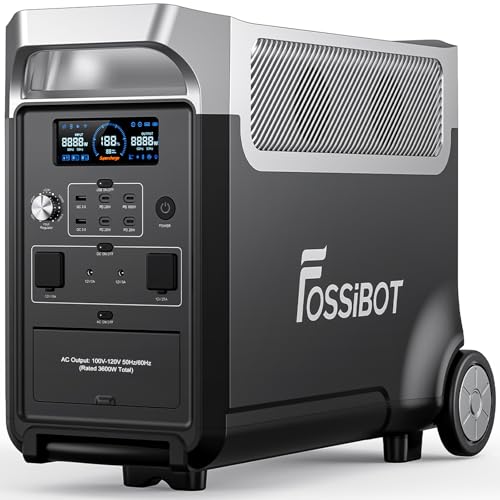
FOSSiBOT F3600 Portable Power Station 3840Wh

Portable Solar Generator 300W with 60W Solar Panel 280Wh
More Details On Our Top Picks
The Explorer 2000 v2 sits in that useful middle ground where a home user can keep a modem, lights, and a laptop moving without lugging around a floor-standing unit. Its 2042Wh battery, LiFePO4 chemistry, and 2200W AC output make it better suited to bigger loads than the smaller Anker C300, yet it stays more manageable than the larger HomePower options.
The 100W USB-C PD port matters too, because a modern laptop can charge without a separate brick. You may still find the cabinet size more than you want for casual travel, but for a garage shelf, outage kit, or car-camping setup, the balance feels sensible.
Strong Points
- 2042Wh capacity gives you room for several essentials instead of just phones and small gadgets.
- 2200W AC output supports heavier household electronics and appliances more comfortably than compact models.
- LiFePO4 battery chemistry usually appeals to long-term ownership because it’s built for repeated cycling.
- 100W USB-C PD can simplify charging for newer laptops and tablets.
Things To Consider
- It’s still a substantial unit, so storage and moving it around deserve some planning.
- Solar panel support is optional, so you’d need to plan that setup separately.
- For daypack travel or minimal camping, the capacity can feel like more than you need.
Feature Snapshot
Who It Suits Best
Homeowners and campers who want one power station that can handle real backup duties without jumping straight to the largest cabinet size will get the most from it.
Where A Sibling Pick Shines
Jackery HomePower 3000 is the better fit for someone who wants more solar panel coverage in the same family and expects longer household backup sessions.
The C300 makes sense for desk gear, weekend bags, and small emergency kits, not for whole-room backup. Its 288Wh battery and 300W output put it well below the Jackery Explorer 2000 v2, but the smaller footprint is exactly why some people will prefer it.
The included 60W solar panel gives you a tidy starter bundle, and the 140W two-way fast charging can help you recover the battery faster than many basic compact units. For most short trips, the honest trade-off is clear, less runtime in exchange for easier carry and simpler packing.
Highlights
- The 288Wh battery suits phones, tablets, cameras, and small laptops without adding much bulk.
- Peak output of 600W gives a bit of breathing room beyond the 300W rating.
- 140W two-way fast charging can shorten downtime between uses.
- The included solar panel gives you a ready-made off-grid starter setup.
Worth Noting
- Runtime is limited compared with the larger Jackery and FOSSiBOT units.
- You won’t want to use it as the main source for power-hungry appliances.
- The compact size helps portability, but it also narrows what you can run at once.
Feature Rundown
Who Will Love This
Travelers, dorm setups, and anyone building a compact emergency kit will get the most from this smaller bundle.
A Better Fit Elsewhere
Jackery Solar Generator 300 and 40W Solar Panel works better for someone who wants an even lighter carry with a very straightforward portable setup.
The HomePower 3000 feels aimed at homes that need more than a phone charger and a lamp during an outage. Its 3072Wh capacity, 3600W AC output, and 7200W surge rating place it a clear step up from the Explorer 2000 v2, especially for heavier appliances and longer backup windows.
The included two 200W panels add a useful solar starting point, which makes the package more practical for people who want backup plus recharge options. You may still need dedicated storage space, but for a garage, utility room, or RV storage bay, it lines up well.
Upsides
- The larger 3072Wh battery gives you more room for longer outage coverage.
- 3600W AC output supports demanding gear more comfortably than compact units.
- 7200W surge headroom helps with short startup spikes.
- Two 200W panels make the solar side feel more complete out of the box.
- It fits home backup, RV use, and emergency planning in one package.
Points To Note
- The package is large, so placement and moving it take planning.
- It’s not the most casual carry for small outings.
- Home users may need to think through where the solar panels will live between uses.
Core Details
Best Suited To
Homeowners who want a serious backup package for essentials, plus RV users who prefer a larger energy reserve, will feel at home with this one.
Another Choice May Suit
Jackery HomePower 3600 Plus is better for someone who wants expansion room beyond the bundled-panel setup and plans to scale capacity over time.
The 3600 Plus is the kind of unit you look at when a smaller power station starts feeling like a stopgap. Its 3584Wh battery, 3600W AC output, and expandable design reaching up to 21kWh point toward serious home backup planning rather than occasional weekend use.
Compared with the HomePower 3000, this version puts more emphasis on future growth. That makes it a sensible fit for households that expect to add solar or build a larger storage setup later, though the bigger footprint means you’ll want a real storage spot ready.
Reasons To Buy
- 3584Wh of storage gives you a strong base for household essentials.
- 3600W AC output supports a wide range of common backup loads.
- Expandable design up to 21kWh leaves room to build out later.
- It suits homes, RVs, and emergency kits that need more headroom.
Small Caveats
- The larger format asks for more storage and more thought about placement.
- Solar panels are optional here, so the setup can grow in stages.
- For casual outings, the capacity is far beyond what many people need.
Details At A Glance
Built With In Mind
Households that want a scalable backup platform, not just a portable battery, will get the most out of this model.
Where Shoppers Go Wrong
Jackery Explorer 2000 v2 is the better fit for someone who wants a smaller body and less commitment to storage space.
This bundle is built for people who want solar power without dragging around a heavy box. At 7.5 pounds, the Explorer 300 stays easy to carry, and the 292Wh battery with 300W AC output fits weekend travel, light outdoor charging, and short blackout support.
The pure sine wave AC outlet matters because it’s a cleaner output shape for many electronics, and the six-device mix keeps the setup flexible. Compared with the bigger Jackery stations above, this one is much less ambitious, but that simplicity is part of its appeal.
Bright Spots
- The 7.5-pound carry weight keeps it friendly for travel bags and campsite moves.
- Two AC outlets, a USB-C PD port, two USB-A ports, and a car port cover a lot of small gear.
- The pure sine wave outlet suits sensitive electronics more comfortably than rougher output shapes.
- The included 40W panel gives you a straightforward starter setup.
Areas To Watch
- Battery size is modest, so long outages are not its lane.
- It’s better for light electronics than for power-hungry appliances.
- You may need to think carefully about what stays plugged in at once.
Quick Facts
Who Should Grab It
Weekend campers, road-trippers, and anyone wanting a light backup kit for phones and small devices will appreciate this setup.
Look Elsewhere When
Anker SOLIX C300 makes more sense for someone who wants a similar compact profile but a stronger fast-charging focus.
This bundle leans into the solar side of the equation more than the bare station alone. With two 200W panels paired to the 3600W, 3584Wh HomePower platform, you’re looking at a setup that feels better prepared for prolonged home backup and repeated recharge cycles.
Compared with the standalone 3600 Plus, the appeal here is straightforward, you get the panel package in one step. That saves you from piecing together a match later, though you’ll still want room to store and move the panels between uses.
Best Bits
- The included panel pair gives the system a more complete solar story.
- 3600W AC output and 3584Wh storage suit demanding home-use scenarios.
- The bundle approach simplifies setup for someone who wants fewer moving parts.
- It works for home backup, emergencies, and RV stays with bigger power needs.
Softer Spots
- The panels add storage demands, so space planning matters.
- It’s a heavy-duty package, not a grab-and-go kit.
- People with light usage may not need this much kit in one bundle.
Feature Card
The Right Fit
Homeowners who want a bundled system rather than a pieced-together setup will get the most value from this version.
Swap It Out When
Jackery HomePower 3600 Plus fits better for someone who wants to choose panels separately and grow the setup in stages.
The F3600 is the rugged, higher-output style of backup unit that suits garages, off-grid cabins, and RV bases with real power demands. Its 3840Wh capacity, 3600W output, and five AC outlets make it stand apart from the more compact Jackery and Anker units right away.
Expandable capacity up to 11520Wh is the big headline here, because it changes the way you can plan a larger system. For households that expect growing energy needs, that flexibility is useful, although the larger footprint means this is not a casual shelf item.
Standout Traits
- 3840Wh storage gives you a bigger starting point than most of the smaller picks here.
- 3600W output supports serious electrical loads.
- Five AC outlets create room for more plugged-in gear at once.
- Expandable capacity up to 11520Wh gives the system real growth potential.
Room For Improvement
- The size and weight profile call for a dedicated storage spot.
- It’s more station than travel companion.
- People with lighter backup needs may find the capacity excessive.
Technical Sheet
Who Should Grab It
People setting up garage backup, off-grid power, or a more permanent RV system will get the most from this platform.
Consider Something Else When
Jackery Explorer 2000 v2 is the better fit for someone who wants a smaller body and less overall commitment.
This ZeroKor bundle is built for modest power needs, not big household backup. Its 280Wh battery, 300W output, pure sine wave AC, and included 60W panel make it a practical starter package for camping, van use, and light emergency charging.
Compared with the Jackery 300 bundle, it sits in a similar compact lane, but the real draw is the simple all-in-one setup. For short trips, that can be exactly enough, though you’ll want to keep expectations anchored to small electronics rather than full-size appliances.
What We Like
- The starter-friendly bundle keeps the setup simple for basic portable use.
- Pure sine wave AC output is a helpful touch for many small electronics.
- USB QC3.0, DC, and AC outlets give you several connection options.
- The 60W panel helps keep the kit aligned with light off-grid use.
Honest Caveats
- The 280Wh battery suits short sessions more than all-day backup.
- 300W output limits what you can run at once.
- For bigger campsites or home outage planning, the larger Jackery and FOSSiBOT units are stronger fits.
Core Details
Perfect Match For
Campers, van travelers, and first-time solar power station shoppers who only need light-duty backup will find this one easy to live with.
Where Another Pick Suits Better
Anker SOLIX C300 is the better choice for someone who wants a similarly compact footprint with stronger charging speed and a more refined battery package.
How To Choose The Right Battery Backup Solars
Capacity And Output Need To Match Your Routine
Battery capacity, measured in watt-hours, tells you how much stored energy the unit carries. Higher watt-hours matter for longer outages, while lower numbers suit phone charging, modem backup, and short camping stops.
AC output is the other half of the story, because it tells you what the station can run at once. A 300W class unit works for light electronics, while 3600W models are the ones that start feeling like household support gear.
Battery Chemistry And Refill Speed Matter More Than Fancy Labels
LiFePO4, short for lithium iron phosphate, is the battery chemistry used across several of these picks. It’s valued for repeat use and steadier long-term ownership, though the trade-off can be a larger, heavier shell than a tiny basic pack.
Fast charging is also worth paying attention to. A stronger input rate helps you recover between outages or recharges faster, which matters a lot after a long night with an appliance running.
Solar Panels Change How Self-Sufficient The Setup Feels
Panel bundles give you a ready starting point, while solar-panel-ready stations leave room for a later add-on. The first route is simpler; the second lets you tailor the setup to your roof space, storage room, or campsite layout.
Panel wattage should match your habits, not your wish list. A 40W or 60W panel keeps the kit portable, while 200W panels make more sense for people who expect to recharge a larger station more seriously.
Portability And Placement Deserve A Real Look
Weight and footprint become obvious the moment you need to move the unit up stairs or tuck it beside a pantry shelf. A 7.5-pound station and a 3840Wh cabinet serve very different lives, even before you plug anything in.
That’s why the best choice depends on where it will live. A travel kit wants easy carry, while home backup wants stable placement, room for cables, and enough clearance around the body.
Things Worth Knowing First
Where Shoppers Go Wrong
Many people focus on battery size and forget output limits, so the unit looks bigger than it really is in daily use. That mismatch shows up fast with appliances, space heaters, or anything with a strong startup draw.
Another common miss is buying a station without thinking through panel storage or recharge access. A compact bundle is easier to keep ready, while a larger one asks for a proper spot and a clear plan.
What The Higher Tier Buys
More expensive units usually bring larger batteries, stronger AC output, and better expansion options. You’re paying for a system that can support more equipment, run longer, and scale beyond a single small box.
Panel bundles also raise the price because you’re getting a more complete setup. For a home that sees outages or an RV that spends time off-grid, that extra spending can make practical sense instead of turning into unused capacity.
Frequently Asked Questions
What size Battery Backup Solars works for a short outage?
A compact station around 280Wh to 300Wh can handle phones, a router, and small lights for brief use. For a refrigerator or several household devices, you’ll want to look much higher.
Does LiFePO4 matter for everyday use?
Yes, because LiFePO4 is a battery chemistry commonly chosen for repeat cycling and steadier long-term use. It’s a sensible fit for a station you plan to keep in rotation rather than sit on a shelf.
Are bundled panels better than buying them later?
Bundled panels make setup easier because the pieces are already matched in the listing. Separate panel purchases give you more control, but they also require more comparison work.
Can a compact unit run kitchen appliances?
Some very small appliances may work, but output limits matter more than battery size here. A 300W class model is better thought of as a light-electronics backup than a kitchen anchor.
What matters more, watt-hours or AC output?
Both matter, but they answer different questions. Watt-hours tell you how long the station lasts, while AC output tells you what it can run at the same time.
Closing Thoughts
Battery Backup Solars work best when you match them to your real routine instead of chasing the biggest number on the page. A compact bundle handles trips and short outages with less fuss, while a 3000Wh-plus station starts looking like serious home support. The Jackery, Anker, FOSSiBOT, and ZeroKor picks here each serve a different kind of space, storage plan, and power need. Choose the one that fits how you actually live, and the setup will feel far easier to keep ready.
