

Solar lights, backup systems, and RV power setups all ask different things from a battery, so the right match matters more than the label on the box. You may need a small AA cell for porch lights, or a server-rack LiFePO4 pack for a whole-home system, and those are very different jobs. This roundup keeps the focus on fit, storage chemistry, capacity, and the kind of daily use each option handles best.
Quick Look At The Shortlist

JiajaX Ni-MH AA 600mAh Solar Batteries 4-Pack

Howardly Ni-MH AA 1.2V 900mAh Rechargeable Battery 12-Pack

Howardly Ni-MH AA 1.2V 600mAh Rechargeable Battery 12-Pack
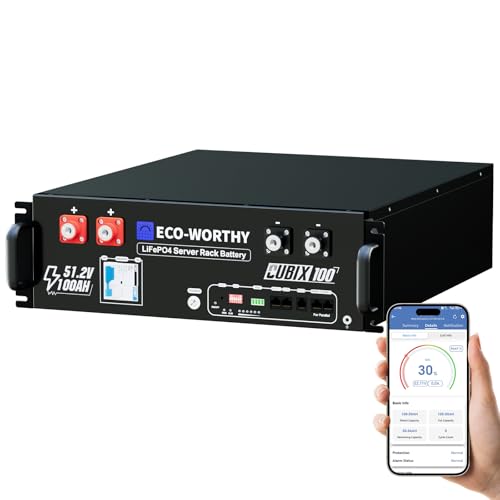
ECO-WORTHY Cubix100 48V 100Ah LiFePO4 Battery
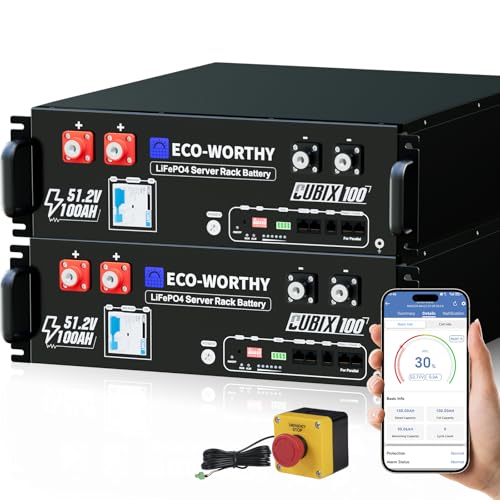
ECO-WORTHY Cubix100 48V 200Ah LiFePO4 Battery

ECO-Worthy Cubix100 48V 600Ah Server Rack Battery Kit

Dyness 12V 100Ah LiFePO4 Battery 2-Pack, Group 31

VEMDIA 12V 100Ah LiFePO4 Battery, Group 31
More Details On Our Top Picks
Porch lights and path markers usually need a battery that stays modest and predictable, not oversized. This JiajaX 4-pack fits that role with AA size and a 600mAh Ni-MH cell, which means rechargeable nickel-metal hydride power for small solar fixtures.
The compact 1.97-inch by 0.55-inch format makes it easier to match older outdoor light housings, though the lower capacity also means less reserve than the 900mAh option below. For short evening runs and low-draw lamps, that trade-off makes sense.
Strong Points
- AA sizing keeps compatibility simple for many solar light compartments.
- 600mAh capacity suits small fixtures that do not need a large reserve.
- Pre-charged cells save a first-round setup step.
- Rechargeable Ni-MH chemistry works well for recurring light duty.
Things To Consider
- Four cells is a small pack, so larger yards may need more than one box.
- Lower capacity can feel short in lights that stay on for long evenings.
- Outdoor battery contacts still need periodic cleaning, especially in damp fixtures.
Feature Snapshot
Who It Suits Best
Homeowners replacing a few porch or walkway light batteries will get the most from this compact set.
A Better Fit Elsewhere
Howardly Ni-MH AA 1.2V 900mAh Rechargeable Battery suits you better when your solar lights stay on longer each night and you want more reserve per cell.
Moving up from JiajaX’s 600mAh pack, this Howardly set gives you more stored energy per AA cell without changing the familiar format. That higher 900mAh rating matters in string lights, lawn lamps, and other fixtures that sit outside longer or cycle more often.
The 12-pack count makes sense for a full yard refresh, though it also means you’re buying more cells than a small porch setup needs. In practice, that is the trade-off: more run time per battery, plus enough spares to treat several lights at once.
What We Like
- 900mAh capacity gives each cell more reserve than the lower-capacity AA options here.
- AA form keeps it easy to match many solar fixtures and decorative lamps.
- 12-pack sizing supports larger maintenance jobs in one purchase.
- Pre-charged batteries reduce the wait before installation.
Room For Improvement
- The larger pack can be more than you need for a single small fixture.
- Higher capacity does not change the basic care routine, so contacts still need periodic attention.
- Some compact housings are picky about battery length, so measuring first is still smart.
Core Details
Who Will Love This
You get the most from this set when several outdoor lights need a full reset at once.
Where A Sibling Pick Shines
JiajaX Ni-MH AA 600mAh Solar Batteries 4-Pack suits smaller jobs better, especially for a single porch fixture or a few scattered lamps.
This Howardly 12-pack sits in the middle of the AA solar-battery range here, because it keeps the familiar 600mAh rating but gives you a larger replacement count. That combination works well for routine upkeep across ground lights, lawn lamps, and other modest outdoor fixtures.
The honest read is that it suits steady, low-drain lighting better than demanding setups. Compare it with the 900mAh Howardly pack above, and you can see the split clearly: this one gives you more pieces, while the other gives you more reserve per cell.
Highlights
- 12 batteries cover multiple fixtures without splitting into several orders.
- 600mAh fits light-duty solar products that do not need much runtime.
- AA size keeps replacement simple in many decorative fixtures.
- Pre-charged format helps with quick swaps during outdoor maintenance.
Points To Note
- Capacity stays modest, so long winter evenings can stretch it thin in some setups.
- Bulk packs are efficient, but they can be more than a small household needs.
- Outdoor storage and contact cleaning still matter for long-term reliability.
Details At A Glance
Who Should Grab It
You suit this pack best when several lower-drain lights need the same replacement at once.
Another Choice May Suit
Howardly Ni-MH AA 1.2V 900mAh Rechargeable Battery makes more sense for taller string-light runs or fixtures that stay lit longer each night.
Once you leave AA cells behind, the job shifts from patio lighting to real storage planning, and that’s where this ECO-WORTHY rack battery starts to matter. It uses LiFePO4, which is lithium iron phosphate, a chemistry known for its stable structure and strong cycle profile in stationary systems.
The 48V 100Ah format, 5,120Wh capacity, and Bluetooth support point to a system built for monitoring and organized home energy storage. For a garage, utility room, or rack-style install, the layout is tidy, though the scale and cost profile are clearly beyond small weekend-light setups.
Upsides
- Rack-style format suits dedicated storage rooms and organized power cabinets.
- 5,120Wh gives you meaningful backup capacity for larger household loads.
- Bluetooth adds monitoring convenience without opening the unit.
- The listed compliance marks help signal a more formal storage system.
- LiFePO4 chemistry is a good match for stationary energy projects.
Softer Spots
- Install planning matters more here than with the AA batteries above.
- The format is meant for dedicated storage spaces, not casual portability.
- Home backup setups usually need proper matching with the rest of the system.
Technical Sheet
Built With In Mind
You fit this pick best when you are planning a compact rack-based backup system for a home or workshop.
Look Elsewhere When
Dyness 12V 100Ah LiFePO4 Battery is the easier starting point for RV owners who want a simpler 12V layout and a smaller system footprint.
This ECO-WORTHY 2-pack follows the same rack-style logic as the 100Ah model, but it gives you more stored energy across the pair. The 10.24kWh figure makes it a stronger match for longer backup windows, especially in homes where you want more breathing room between charges.
That extra headroom comes with a bigger footprint in planning and a more serious role in the system, so it belongs in setups that are already past the casual stage. Compared with the 100Ah pick above, this one is the smoother move when you want more capacity without changing families or platform style.
Bright Spots
- Two-pack format increases total stored energy for larger backup plans.
- Bluetooth support keeps status checks practical during routine system use.
- Rack-oriented layout fits organized storage rooms and power cabinets.
- LiFePO4 chemistry suits stationary home energy work.
Areas To Watch
- The larger total capacity asks for more system planning and space.
- It suits serious backup builds more than casual installs.
- Owners usually need to think through maintenance access and rack placement.
Feature Rundown
The Right Fit
You fit this model best when a larger home backup system needs more reserve than a single rack battery can supply.
Skip It When
ECO-WORTHY Cubix100 48V 100Ah LiFePO4 Battery makes more sense for smaller installs that do not need the extra planning burden of a two-pack build.
After the two-pack model, this six-pack ECO-WORTHY kit moves into serious home-storage territory. The 30.72kWh figure points to a much larger energy bank, which is the kind of scale that starts making sense for fuller backup planning.
One thing worth considering is that the listing notes hazardous-material transport rules and says the item is non-returnable, so storage, delivery, and ownership planning matter more than they do with the smaller packs. For a dedicated backup project, that is not a flaw so much as a reminder that this is infrastructure, not a casual accessory.
Best Bits
- Six-pack sizing supports a very large storage build.
- 30.72kWh gives you substantial room for home backup planning.
- Server-rack format helps keep a big system organized.
- LiFePO4 chemistry fits stationary solar storage use.
Small Caveats
- Transport rules and non-returnable status ask for careful ordering.
- The kit is better suited to planned installs than quick upgrades.
- Large systems usually need more space and more thoughtful upkeep access.
Core Details
Whose Shelf It Belongs On
You fit this kit best when you are building a large, planned home backup system and want serious storage headroom.
Reach For A Different Pick When
ECO-WORTHY Cubix100 48V 200Ah LiFePO4 Battery is the easier step up for households that want more reserve without jumping straight to a six-pack layout.
Compared with the rack batteries above, this Dyness pair is much easier to place into RV and off-grid plans because it stays in the familiar 12V Group 31 format. The built-in 100A BMS, or battery management system, helps manage charging and discharge behavior, which matters a lot in compact mobile systems.
The low-temperature protection and A-grade cells make it a sensible fit for travel trailers, vans, or home-energy setups that see colder shoulder seasons. The trade-off is simple: it gives you a portable-friendly footprint, not the giant storage numbers of the ECO-WORTHY rack options.
Reasons To Buy
- Group 31 sizing makes installation easier in many RV and marine-style spaces.
- Low-temperature protection helps support colder-weather use scenarios.
- Built-in 100A BMS adds a useful layer of battery control.
- Two-pack format gives you more flexibility for paired setups.
Worth Noting
- 12V systems are simpler, but they also have less scale than the 48V rack choices.
- Mobile installs still need secure mounting and regular connection checks.
- The listing offers several pack styles, so you need to match the right one to your setup.
At A Glance
Made For
You suit this set best when your setup needs a 12V Group 31 battery with RV-friendly shape and colder-weather support.
Swap It Out When
VEMDIA 12V 100Ah LiFePO4 Battery is the better fit for you when long cycle count matters more than a paired 2-pack layout.
This VEMDIA pack keeps the 12V, Group 31 shape that RV and solar owners recognize, but the focus here is on cycle count and lifespan framing. The listing calls out 8,000-plus deep cycles and a 10-year lifespan, which tells you this battery is aimed at long-term use rather than short seasonal duty.
It also includes built-in BMS and low-temperature protection, so it suits a setup that lives through real weather and frequent charging. Compared with the Dyness 2-pack, this one is the cleaner single-battery route for people who want the same general footprint with a heavier emphasis on long use.
Standout Traits
- 8000-plus deep cycles suggest strong long-term use potential.
- Group 31 sizing keeps it familiar for many 12V installations.
- Built-in BMS helps manage system behavior during use.
- Low-temperature protection adds practical seasonal flexibility.
Minor Gripes
- The pack is still a 12V unit, so it is not built for rack-scale storage.
- Long-life claims make sense only when the rest of the system is matched well.
- Like other lithium packs, it still benefits from secure mounting and tidy wiring.
Feature Card
Perfect Match For
You fit this battery best when you want a 12V Group 31 pack for solar, RV, or off-grid use with a long-cycle focus.
Where Another Pick Suits Better
Dyness 12V 100Ah LiFePO4 Battery is the better fit for you when a paired 2-pack and low-temperature protection are more important than a single long-cycle pack.
How To Choose The Right Batteries For Solar
Start With The Load
Small solar lights usually need AA Ni-MH cells, while RVs and home backup setups need 12V or 48V lithium packs. The load, meaning the power demand of the device or system, tells you whether you need a tiny replacement cell or a larger storage unit.
Match the battery to the device first, then look at capacity. A 600mAh cell can make sense for a path light, but it will not do the same job as a 100Ah or 600Ah pack in a larger system.
Check Chemistry Before Anything Else
Ni-MH works well for common solar garden fixtures because it is rechargeable and easy to replace in AA form. LiFePO4, which stands for lithium iron phosphate, is the better fit for fixed storage, RV power, and off-grid projects where cycle life and steady performance matter more.
The trade-off is size and complexity. Ni-MH is simple and compact, while LiFePO4 asks for more planning, more careful matching, and a system that can support the voltage you choose.
Look Past Capacity Alone
Capacity numbers tell part of the story, but not the whole thing. AA batteries use mAh, while larger packs often use Ah and Wh, or watt-hours, which gives you a clearer view of total stored energy.
Two batteries with similar-looking labels can still behave differently in real use because voltage, chemistry, and pack size all change the result. For solar lights, a higher mAh figure often helps with longer evening run time, while for home backup, Wh is the more useful number to compare.
Think About Fit And Maintenance
Solar batteries live easier when the compartment, wiring, and charging system all suit them. Group 31 dimensions matter in RV trays, rack format matters in home storage, and AA length matters in sealed light housings.
Routine upkeep also helps, especially outdoors. Clean contacts, secure mounting, and a dry storage spot can extend usability in ways that raw capacity alone never will.
What To Weigh Before You Click Over
Common Shopping Slip Ups
Many mismatches start with size, not chemistry. An AA solar light battery and a 48V rack pack can both be called batteries for solar, but they solve completely different problems.
Another common miss is ignoring the voltage of the system. A battery that fits physically still has to belong in the right electrical setup.
What The Higher Tier Buys
Higher-tier packs usually cost more because of larger capacity, built-in battery management, monitoring features, and the hardware needed for organized storage. In this category, that extra money often buys longer service life, cleaner installation, and better fit for backup planning.
The upgrade makes sense when your setup runs daily or supports important loads. For occasional porch lights, the simpler AA options are easier to live with.
Frequently Asked Questions
What type of battery works best for solar lights?
AA Ni-MH batteries are the common fit for garden lights, string lights, and path markers. They are compact and easy to swap.
Why do some solar batteries use LiFePO4?
LiFePO4 is a lithium iron phosphate chemistry that suits larger solar storage and off-grid systems. It fits better where steady use and long-term planning matter.
What does mAh mean on solar batteries?
mAh means milliamp hours, a measure of how much charge a smaller battery can store. A higher number usually means more run time in the same size cell.
Do larger batteries always work better?
Not in this category, because fit and voltage matter just as much as capacity. A giant pack is the wrong tool for a small lamp.
How do you match a solar battery to your system?
Start with the device size, then match the voltage, chemistry, and physical form. After that, compare capacity to the amount of run time you want.
Closing Thoughts
Your best choice depends on the scale of the job in front of you. Small outdoor lights usually do well with the AA Ni-MH options, especially when you want an easy replacement path and a familiar form factor. RV, off-grid, and home backup setups belong in the LiFePO4 section, where voltage, capacity, and system fit matter much more. Pick the battery that matches your setup first, and the rest of the decision gets much simpler.
