

Backyard solar setups work best when the panel fits the space, the use case, and the amount of upkeep you actually want. You may be wiring a shed, keeping a power station topped up for outages, or building a steadier off-grid setup for a cabin, RV, or patio.
The mix below covers portable foldables, smaller fixed panels, and higher-output modules, so you can match your setup without overbuying or underbuilding. The honest read is simple, portable convenience and panel output solve different problems, and the right choice depends on how permanent your layout is.
The Shortlist At A Glance

Renogy 200W Portable Solar Panel

JJN Bifacial 425 Watt Solar Panel

DOKIO 800W Solar Panels 2-Pack of 400W

ECO-WORTHY 400W Solar Panels N-Type 4pcs 100 Watt

Callsun N-Type 16BB 400W Bifacial Solar Panel 2Pcs 200 Watt

Callsun N-Type 16BB 200 Watt Solar Panel 2×100W

Renogy 100W Solar Panel N-Type 12V 100 Watt
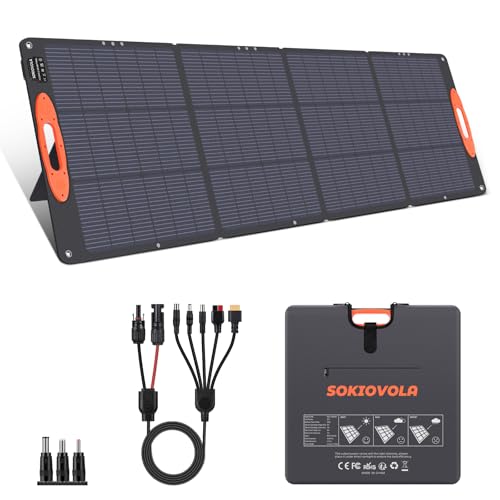
SOKIOVOLA N-Type 16BB 200W Portable Solar Panel
More Details On Our Top Picks
A foldable 200-watt panel like this makes the most sense when you want backup power without turning the yard into a permanent build site. The kickstand helps with quick placement, and the USB-A plus Type-C outputs add some flexibility for small gear alongside a power station.
IP65 water resistance means it’s built to shrug off dust and light splashes, though it still belongs in the portable camp rather than the leave-it-out-all-season camp. For camping trips, RV stops, and blackout prep, you get a setup that’s easier to move than a rigid rooftop module, which is exactly the trade-off.
Strong Points
- Foldable format stores neatly in tighter spaces.
- Kickstand support makes angle changes more practical.
- USB-A and Type-C outputs suit small devices.
- Portable shape helps you shift it between campsite, patio, and backup use.
Worth Noting
- Portable panels usually ask more from placement and setup than fixed modules.
- The lighter form factor is handy, but it is less like a permanent rooftop panel.
Feature Snapshot
Who It Suits Best
You’ll get the most from this pick as a camper, RV owner, or home user who wants a portable backup panel for short setups and power stations.
A Better Fit Elsewhere
JJN Bifacial 425 Watt Solar Panel suits you better for a fixed rooftop array where higher single-panel output matters more than foldable convenience.
This panel is aimed squarely at larger, more permanent systems, and that’s clear from the 425-watt output and bifacial design. Bifacial means the panel can use light from both front and back surfaces, which can help in open installs with reflective surroundings.
It also supports 12V, 24V, and 48V PV systems, so it slots into more elaborate home, farm, or RV builds than the smaller Renogy portable pick. The trade-off is straightforward, it rewards proper mounting and planning, so it’s not the casual grab-and-go choice.
What We Like
- Higher wattage suits bigger energy demands.
- Bifacial layout can make open installs more productive.
- Works across 12V, 24V, and 48V PV systems.
- Monocrystalline cell construction keeps the footprint efficient for the output.
Points To Note
- Best results depend on thoughtful mounting and placement.
- Less convenient than a foldable portable panel for short-term use.
Technical Sheet
Made For
You’re a strong match for this panel if you’re building a rooftop array, farm setup, or off-grid system that needs higher output from a single module.
Where A Sibling Pick Shines
Renogy 100W Solar Panel N-Type 12V 100 Watt fits better for smaller starter systems or add-on use where a lower single-panel footprint makes the layout easier.
Two 400-watt panels give this set a much larger footprint than the portable and midrange options above, so it makes sense for bigger backyard power plans. Each panel includes a 9.84-foot lead, which helps a little with placement around sheds, cabins, patios, or longer runs to an inverter or controller.
The 31V rating and 12V/24V system support make the pair feel like a serious building block rather than a casual accessory. The catch is that this kind of output usually asks for more mounting space and more planning, so it suits you best when the installation already has a defined home.
Upsides
- Large two-panel output suits higher-demand systems.
- Long leads help with layout flexibility.
- Works with 12V and 24V systems.
- Monocrystalline design keeps the focus on usable power in a clear footprint.
Areas To Watch
- Needs more room than compact panel sets.
- Installation planning matters more with higher-output equipment.
- Fixed placement is a better fit than frequent moving.
Core Details
Right Fit For
You’re the natural match for this pair if you’re building a backyard system for a shed, cabin, or larger off-grid setup and you have space to place two full-size modules.
Skip It When
SOKIOVOLA N-Type 16BB 200W Portable Solar Panel makes more sense for campers or power-station users who need something foldable and easier to store between trips.
This four-panel set gives you a modular way to build a 400-watt array, which can be easier to place around a mixed backyard layout. The 100-watt panel size works well for people who want to spread coverage across a roof, shed, or small off-grid structure instead of hanging all the power on one large board.
IP68 means a higher level of protection against dust and water ingress, so the set has a tougher outdoor posture than a plain indoor-focused module. The compromise is that four separate panels mean more parts to mount and wire, though that same modularity can help you fit awkward spaces more cleanly.
Reasons To Buy
- Four-panel layout gives you installation flexibility.
- 100-watt units are easier to place across varied spaces.
- IP68 rating suits more demanding outdoor exposure.
- Works for home, RV, shed, and farm use.
Softer Spots
- Four pieces mean more mounting work.
- Wiring needs more attention than with a single panel.
At A Glance
Built With In Mind
You’ll appreciate this set most in a backyard setup where modular placement matters, such as a shed roof, small farm structure, or an RV-oriented array.
Another Choice May Suit
DOKIO 800W Solar Panels 2-Pack of 400W works better for you when raw output and larger two-panel coverage matter more than a four-piece layout.
This bifacial pair is aimed at people who want more from a compact two-panel package than a standard flat module usually offers. The dual-module parallel anti-shade layout matters most in mixed-light backyard spaces, where partial shade from fences, trees, or equipment can make a plain panel feel less forgiving.
Because it supports 12V and 24V systems, the set fits nicely into RV, van, marine, home, and off-grid builds without forcing a single rigid path. The trade-off is that bifacial potential only helps when the installation and surroundings make room for rear-side light, so the setup matters almost as much as the panel itself.
Bright Spots
- Bifacial design can help in open, reflective settings.
- Anti-shade layout suits uneven light conditions.
- Two-panel format stays easier to manage than larger arrays.
- Fits several common system types.
Small Caveats
- Needs a setup that gives the rear side some room to benefit.
- Shade tolerance depends on placement, not just panel design.
Details At A Glance
The Right Fit
You’re a good match for this set if your backyard system sees partial shade and you want a two-panel layout that still feels manageable.
Look Elsewhere When
ECO-WORTHY 400W Solar Panels N-Type 4pcs 100 Watt suits you better when modular placement and four smaller panels matter more than bifacial behavior.
Smaller roofs and tighter backyard layouts tend to favor this two-panel 100-watt pairing, because it divides the load into pieces that are easier to place. That split matters in RV, van, marine, and cabin use, where every inch of mounting room seems to have a job already.
The 25% efficiency claim puts it in the more serious end of the compact category, though the real value here is the space-saving shape rather than raw scale. Compared with the larger DOKIO and JJN options, this one is easier to fit, but it won’t replace a bigger array for heavier household demand.
Best Bits
- Two smaller panels are easier to place on compact structures.
- Works well for RV, van, marine, and cabin use.
- Space-saving layout helps in narrow installation areas.
- Efficient cell design suits a tighter footprint.
Room For Improvement
- Lower total output than larger backyard array choices.
- Not a substitute for bigger home-scale installations.
- Planning still matters for cable routing and mounting.
Quick Facts
Who Should Grab It
You’ll like this set most for compact RV, van, or cabin work where fit matters more than building a large backyard solar field.
Where Another Pick Suits Better
DOKIO 800W Solar Panels 2-Pack of 400W is the stronger move for you when larger output and fewer overall limitations matter more than compact size.
This is the simplest panel in the group, and that makes it useful in a lot of real backyard jobs. A 100-watt module is easier to add to an existing setup, and it can make sense for RVs, boats, trailers, campers, rooftop builds, and smaller off-grid systems that need a measured step up.
The 12V compatibility keeps the installation path familiar for many basic systems, while the N-Type 16BB cell structure points toward efficient use of space. Compared with the larger JJN and DOKIO picks, it asks for less mounting area, but it also gives you less total power on its own.
Positives
- Easy starting point for small solar setups.
- 100-watt size works well as a single add-on module.
- Fits many common off-grid uses.
- Compact footprint helps in limited mounting spaces.
Minor Gripes
- Single-panel output stays modest for larger household demand.
- You may need expansion later as power needs grow.
Feature Rundown
Whose Shelf It Belongs On
You’re the right match for this panel if you want a straightforward 100-watt piece to start a small backyard or mobile solar setup.
Swap It Out When
JJN Bifacial 425 Watt Solar Panel is the better fit for you once a fixed, higher-output array starts making more sense than a single 100-watt module.
This foldable 200-watt option stands out most for power-station compatibility, since it’s built with EF, Jackery, Bluetti, and Anker systems in mind. That makes it a practical travel companion for outdoor trips, blackout prep, and off-grid use where plug-and-play style matching matters.
IP68 protection and the 25% efficiency claim give it a tougher outdoor profile than many soft portable panels, though portability still means you’ll store and set it up by hand. Compared with the Renogy portable model, this one leans harder into brand compatibility, so it suits you best when your power station ecosystem is already settled.
Highlights
- Foldable format suits travel and storage.
- Matches several major power station brands.
- IP68 rating supports harsher outdoor exposure.
- Strong fit for backup and trip-based use.
Trade Offs
- Portable format still needs setup and pack-away time.
- Best value shows up most clearly with a compatible power station.
Core Details
Perfect Match For
You’re the best fit for this panel if you already rely on a compatible power station and want a foldable solar panel for trips, backup use, or off-grid stops.
Look Elsewhere When
Renogy 200W Portable Solar Panel suits you better if you want the same general portable idea but with a different mix of outputs and panel styling.
How To Choose The Right Backyard Solar Panels
Start With The Shape Of Your Space
Backyard solar panels fall into two broad jobs, portable panels for movement and fixed panels for steadier output. Foldable models like Renogy 200W Portable Solar Panel and SOKIOVOLA N-Type 16BB 200W Portable Solar Panel suit camping, backup use, and power stations, while rigid panels like JJN Bifacial 425 Watt Solar Panel suit rooftops and longer-term mounts.
Space is the first filter because it changes everything else. A compact roof, shed, or van favors smaller modules, while a wide open run on a cabin or farm can support larger panels and wider spacing.
Match Output To The Job
Wattage tells you how much power the panel can support in theory, so it should line up with the gear you plan to run. A 100-watt panel works as a starter or add-on piece, 200-watt panels fit portable backup roles, and 400-watt-plus choices suit stronger home or outbuilding loads.
The trade-off is size and complexity. Higher output usually asks for more mounting room, stronger planning, and a cleaner path for wiring, so more wattage is not automatically better for a small yard setup.
Look Closely At System Compatibility
Voltage compatibility matters more than many people expect, especially in off-grid work. The DOKIO and Callsun options support 12V/24V systems, while the JJN panel extends to 48V PV systems, which opens the door to larger layouts.
Power station users should pay close attention to brand fit and connector needs. A panel that matches your equipment can save time and reduce awkward adapter work, while a mismatched piece turns a simple setup into a fiddly one.
Think About Weather Exposure And Maintenance
Water resistance and build style affect how relaxed you can be about placement. IP65 and IP68 ratings help explain how much dust and water exposure a panel is designed to tolerate, though you still get better long-term results when you store portable units inside and keep fixed ones clean.
For backyard use, maintenance usually comes down to dust, pollen, leaves, and wiring checks. A tougher panel can handle more exposure, but even a strong module performs better when the surface is clear and the mounting stays secure.
Things Worth Knowing First
Where Shoppers Go Wrong
A common mistake is choosing by wattage alone. Bigger numbers help only when the mounting space, voltage path, and controller or power station can actually use them.
Another slip-up is buying a fixed panel for a setup that really needs portability, or buying a portable foldable panel for a spot that will never move. That mismatch is where regret shows up fast.
The Upgrade Payoff
Higher-tier panels usually cost more because of cell design, bifacial construction, stronger weather resistance, and more specific compatibility. N-Type 16BB cells, bifacial layouts, and higher ingress protection all add engineering and material complexity.
The extra spend makes sense when your system is permanent, partially shaded, or expected to work across changing outdoor conditions. For a simple starter setup, the simpler Renogy 100W Solar Panel N-Type 12V 100 Watt often makes more sense than paying for features you will barely use.
Frequently Asked Questions
What size panel works best for a small backyard setup?
A 100-watt panel is a practical starting point for modest needs or a first add-on module. It leaves more room for expansion later.
Are portable panels worth it for backyard use?
Portable panels make sense for backup power, camping, and equipment that moves between spots. They are less convenient for permanent roof or shed installs.
Does bifacial design matter in a home setup?
Bifacial panels can help in open installs where light reaches the rear side too. They matter less in tight, dark mounting locations.
What does 12V, 24V, or 48V compatibility change?
It changes how the panel fits into your wider system design. Matching voltage keeps the setup simpler and more sensible.
How much upkeep do backyard solar panels need?
Usually, you only need to keep the surface clear and check cables and mounting hardware. Portable panels also need storage space that stays dry and easy to reach.
Closing Thoughts
The right backyard solar panel depends on how permanent your setup is and how much power you actually need. Portable foldables make sense for trips and backup use, while larger rigid panels belong in steadier backyard arrays, sheds, and cabins. Start with space, then match voltage and output to the job. That order keeps the setup practical, and that’s what usually matters most.
