

Home backup is rarely about drama, it’s about keeping the fridge cold, the Wi-Fi alive, and a few lights on when the grid quits. The right pick depends on whether you want quiet indoor-friendly support, a gas-powered unit for longer outages, or something small enough to move without a struggle. This roundup keeps the focus on real use, from apartments with essential electronics to houses that need heavier whole-home coverage.
The Shortlist At A Glance

Jackery Explorer 2000 v2 Portable Power Station 2042Wh
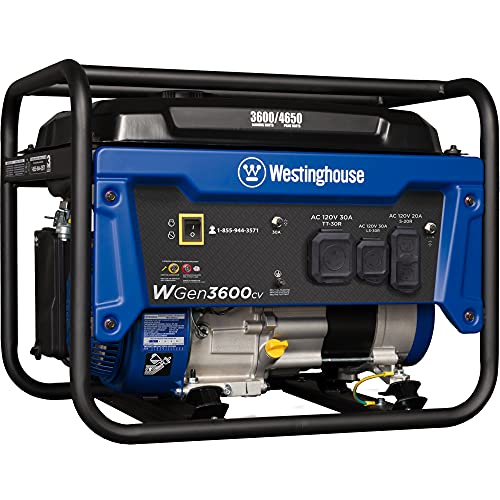
Westinghouse 4650 Peak Watt Portable Generator

AIVOLT 1600W Super Quiet Inverter Generator 28lbs

DuroStar DS13000MX 13,000-Watt 500cc Dual Fuel Generator

Anker SOLIX S2000 Portable Power Station 2,010Wh
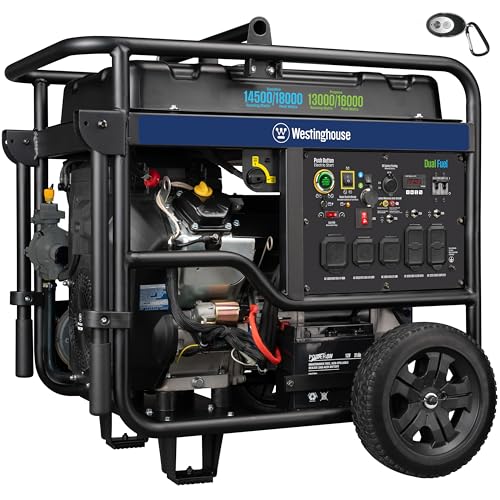
Westinghouse 18000 Peak Watt Dual Fuel Home Backup Generator

Champion Power Equipment 11,000-Watt Wireless Remote Start Generator
More Details On Our Top Picks
The Jackery makes sense for apartments, offices, and homes that want backup without fumes or engine noise. Its 2042Wh battery and 2200W AC output give you room for essentials, and the 100W USB-C PD port is handy for newer laptops and phones that charge best over USB-C.
Compared with the gas units below, it feels easier to place near living space, and the 20ms switch-over matters for sensitive electronics that hate a hard interruption. The trade-off is simple, it suits essential loads far better than a full-house setup, so you should match it to your actual outage routine rather than your wish list.
What We Like
- LiFePO4 battery chemistry is built for long service life and steady daily ownership.
- Silent charging mode stays quiet enough for a bedroom or study.
- The 2200W AC output covers a useful spread of household electronics.
- USB-C PD at 100W reduces the need for extra charging bricks.
- 20ms switchover helps keep sensitive gear from dropping offline.
Things To Consider
- It is a power station, so it is better for essentials than for large central loads.
- Solar charging depends on panel setup, which adds cost and planning.
- The battery format is clean and quiet, but heavier home coverage still belongs to gas units like the Westinghouse 18000 Peak Watt model.
Feature Snapshot
Who It Suits Best
You get the most value from this one as a homeowner or apartment dweller who wants quiet backup for essentials, especially for electronics, networking gear, and small appliances.
Where A Sibling Pick Shines
Choose the Westinghouse 18000 Peak Watt Dual Fuel Home Backup Generator instead when you need a much larger load footprint and transfer-switch style whole-home planning.
This Westinghouse lands in the middle ground that many households actually need, enough output for backup essentials without jumping straight to the biggest frame in the lineup. The RV-ready 30A outlet is a useful detail for travel trailers, and the gas setup keeps refueling familiar for storm prep and campsite use.
The built-in carbon monoxide sensor is a meaningful safety-minded feature for outdoor operation, though placement and ventilation still matter a lot. Compared with the Jackery and Anker power stations, this one gives you the familiar generator route, which suits longer outages where fuel is easier to replace than stored battery capacity.
Positives
- RV-ready 30A outlet supports trailer-style power needs.
- Gas operation suits longer outages where refueling is practical.
- Carbon monoxide sensor adds a useful layer for outdoor placement awareness.
- The size profile fits homes that want backup without going to a huge frame.
Areas To Watch
- Gas units bring routine upkeep, fuel storage, and more noise than battery models.
- It is less convenient indoors than the Jackery Explorer 2000 v2 or Anker SOLIX S2000.
- Trailer and home setup work best when you already know your outlet and load needs.
Core Details
Built With In Mind
You benefit most from this pick as a homeowner or RVer who wants a conventional portable generator with a practical outlet layout.
Another Choice May Suit
The AIVOLT 1600W Super Quiet Inverter Generator fits campers and light-duty users better, especially when portability matters more than RV-focused output.
The AIVOLT is the kind of generator you notice most when you have to move it, because 28 pounds keeps the carrying burden lower than the bigger home units here. Its inverter design, which means it produces cleaner power for electronics than many basic open-frame models, makes it a smarter fit for camping gear, small devices, and lighter backup use.
That quieter 57dBA level and 8-hour ECO mode make it easier to live with during a tailgate or overnight outage, though it is not built for the heavy-duty loads that the DuroStar and Westinghouse 18000 Peak Watt models can shoulder. The honest read is that it works best as a travel-friendly backup, not as a whole-house answer.
Bright Spots
- 28-pound weight keeps transport manageable for one person.
- Inverter output suits phones, laptops, and other sensitive gear.
- 57dBA is a considerate noise level for campsites and neighborhoods.
- ECO mode stretches runtime in lighter-use scenarios.
Small Caveats
- 1260W running output is modest beside the larger home backup units here.
- Gas operation still needs fuel handling and routine maintenance.
- It is a better companion for outings than for full-home coverage.
Quick Facts
Whose Shelf It Belongs On
You fit this generator best if your needs center on camping, tailgates, or light emergency support and you value portability over raw output.
Skip It When
The Westinghouse 18000 Peak Watt Dual Fuel Home Backup Generator makes more sense for larger homes that need a stronger whole-property backup plan.
This DuroStar sits in the heavy end of the group, and that matters the moment you start thinking about refrigerators, sump pumps, or multiple circuits at once. Dual-fuel support means you can use gas or propane, which gives you some flexibility during outages, and the remote electric start adds convenience when the unit is parked outside the house.
Transfer-switch readiness makes it feel like a real home backup option rather than a weekend toy. The trade-off is size, noise, and the kind of installation planning that comes with serious output, so it fits households that already know they want more than a portable battery station can offer.
Best Bits
- 13,000-watt class output gives you room for more demanding home loads.
- Dual-fuel setup lets you choose gas or propane.
- Remote electric start is easier to manage in bad weather.
- Transfer-switch readiness suits organized home backup planning.
- The 500cc engine points to a serious-duty build.
Worth Noting
- Big open-frame generators are louder and less discreet than inverter or battery options.
- Storage and placement demand more space than the Jackery or AIVOLT units.
- Maintenance and fuel handling are part of ownership.
Technical Sheet
Perfect Match For
You are in the right lane with this one if your home backup plan leans toward larger appliances, transfer-switch use, and a more traditional generator setup.
Look Elsewhere When
The Jackery Explorer 2000 v2 fits apartment dwellers and electronics-focused users better, especially where quiet operation matters more than engine power.
The Anker SOLIX S2000 looks like a sensible middle path for homes that want battery backup without jumping into a full generator setup. Its UPS function, meaning it can step in quickly for connected equipment, is a strong fit for networking gear, small office spaces, and refrigerator support that matters during a short outage.
The 2,010Wh LiFePO4 battery gives it the same long-life chemistry advantage as the Jackery, while the 1,500W output keeps it aimed at essentials rather than whole-home loads. Compared with the Jackery, it lands a little lower on output but still feels very practical for day-to-day emergency planning.
Standout Traits
- UPS support suits equipment that should stay powered through interruptions.
- 2,010Wh capacity gives you a solid reserve for essentials.
- LiFePO4 battery chemistry is a strong fit for repeated ownership cycles.
- Up to 35-hour fridge backup helps in realistic home scenarios.
Points To Note
- 1,500W output is well below the larger gas models here.
- Battery backup works best for select loads, not for every circuit in the house.
- You may find the fridge-time claim depends heavily on what else is connected.
Details At A Glance
Best Suited To
You get the most from this model if you want a battery backup for a home office, a fridge, or essential electronics with cleaner indoor-friendly operation.
Where Shoppers Go Wrong
The DuroStar DS13000MX is the stronger move for larger properties that need far more output and fuel flexibility from a traditional generator.
The Westinghouse 18000 Peak Watt unit is aimed at homes that want serious backup muscle, and that intent shows in the title alone. Dual fuel support, remote electric start, and transfer-switch readiness point to a setup that fits planned home backup rather than improvised emergency use.
Compared with the smaller Westinghouse 4650 model, this one is built for a very different scale of outage coverage, and it feels closer to a house-first solution than a campsite machine. The catch is that big capacity comes with bigger footprint, more maintenance, and the kind of installation thinking that makes sense for larger properties.
Positives
- 18,000 peak watts gives you room for more of the house.
- Dual fuel support adds practical flexibility.
- Remote electric start is convenient during bad weather.
- Transfer-switch readiness helps with a more permanent home backup plan.
Minor Gripes
- It demands more space and planning than compact battery models.
- Gas and propane ownership both involve storage and upkeep.
- It is overkill for small homes that only need a few essentials covered.
Feature Rundown
Who Should Grab It
You fit this generator best if you want a large-home backup plan and already expect to connect it through a transfer switch or similar setup.
Swap It Out When
The Anker SOLIX S2000 is the better fit for smaller spaces and quieter indoor-friendly support focused on essentials rather than full-house output.
Champion’s wireless remote start makes a real difference during messy weather, because starting the generator from a distance is a small convenience that feels larger in practice. The quiet-technology label suggests a more considerate noise profile than many open-frame units, while the 11,000-watt class keeps it relevant for home backup rather than just recreation.
It sits between the compact battery stations and the biggest dual-fuel machines, which makes it a sensible middle lane for homeowners who want substantial output without going to the top end of the size range. You may still prefer the Westinghouse 18000 Peak Watt model for larger properties, but this Champion keeps the setup more approachable.
Reasons To Buy
- Wireless remote start is genuinely convenient in poor weather.
- Quiet technology makes it easier to live with than many standard generators.
- 11,000-watt output works for serious home backup needs.
- The inverter format suits cleaner power expectations than basic open-frame units.
Room For Improvement
- It still needs fuel handling and routine care.
- Large-output generators are not as easy to move as compact inverter units.
- The Westinghouse 18000 Peak Watt model makes more sense for the biggest home loads.
Core Details
Made For
You are the right fit for this model if you want strong home backup with remote-start convenience and a quieter-feeling experience than many standard gas units.
Reach For A Different Pick When
The Jackery Explorer 2000 v2 is the better choice for indoor-friendly essentials, especially in homes that value silence and battery-based simplicity.
How To Choose The Right Backup Generators For Home
Match Output To Real Loads
Start with what you actually need to keep running, not the biggest number on the page. A refrigerator, router, a few lights, and phone charging point you toward a battery station like the Jackery Explorer 2000 v2 or Anker SOLIX S2000, while larger appliance coverage pushes you toward gas units such as the Westinghouse 18000 Peak Watt or DuroStar DS13000MX.
The useful number is running output, which means the power a unit can supply continuously. Peak wattage matters too, but it is the sustained figure that tells you whether your setup will feel steady or stretched.
Think About Noise, Fuel, And Placement
Battery-backed picks are easier near living spaces because they avoid exhaust and usually run more quietly. Gas and dual-fuel models make more sense outside, especially when you want longer runtime and easier refueling during a stretched outage.
That trade-off shows up fast in daily ownership. You get more raw endurance from the fuel units, yet you also take on storage, maintenance, and a louder footprint.
Check The Start Method And Connection Style
Remote start is not a luxury feature in rough weather, it just removes friction. Champion’s wireless start, the DuroStar remote electric start, and the Westinghouse models with electric start save you a trip into rain or cold, while the Jackery and Anker remove starting from the picture altogether.
Transfer-switch readiness matters for homeowners who want a more organized setup. That kind of connection suits larger houses far better than extension-cord improvisation.
Use Case Should Lead The Choice
Campers and weekend travelers usually care most about portability, quieter operation, and easier storage. Full-time homeowners usually care more about output, fuel flexibility, and how gracefully a unit can cover a long outage.
The honest read is that the right pick is usually the one that matches your most common outage scenario, not the most dramatic one. That keeps you from paying for capacity you will barely use.
Before You Click Buy
Wrong Turns To Avoid
One common mistake is choosing a generator only by peak wattage and ignoring continuous output. Another is skipping noise and fuel planning, which turns a promising pick into a poor fit for a small yard or tight storage area.
People also underestimate setup details. A transfer-switch-ready unit, a simple portable power station, and an open-frame gas generator solve different problems.
The Upgrade Payoff
Higher-tier models cost more because they usually bring larger batteries, stronger engines, cleaner power delivery, or easier starting systems. The Jackery and Anker battery stations spend more of the budget on LiFePO4 chemistry and quiet usability, while the DuroStar and Westinghouse heavy-duty units spend it on bigger engines and larger output.
Spending up makes sense when outages are frequent, your home has more critical loads, or you want a setup that feels less strained over time. For occasional short outages, a simpler midrange model is often enough.
Frequently Asked Questions
What size backup generator works for a home?
That depends on the loads you want to keep alive, from a few electronics to large appliances. Smaller battery stations suit essentials, while larger gas generators suit broader home coverage.
Is a portable power station enough for outage support?
It can be, for lights, internet gear, phones, and a refrigerator for a limited stretch. For whole-house needs, a gas or dual-fuel generator is the more practical path.
Why choose inverter generator technology?
Inverter designs tend to suit sensitive electronics better because they provide cleaner power. They also usually feel quieter and more refined than many basic open-frame units.
What does dual fuel add?
It gives you the option of running on gas or propane. That flexibility helps when one fuel is easier to store or source than the other.
Does remote start really matter?
It matters more than it sounds, especially in wet or cold conditions. Starting from a distance keeps setup less awkward and less exposed.
Closing Thoughts
The best backup generators for home are the ones that fit the way you actually live, not the most dramatic spec sheet on the list. A quiet battery station suits a condo or small house, while a dual-fuel generator suits a larger place with longer outage expectations. Match the output, noise level, and setup style to your own routine, and the choice gets much easier. That’s the kind of purchase that feels sensible long after the lights come back on.
