

Power cuts rarely arrive at a convenient hour. You want a backup setup that keeps lights on, food cold, and key devices running without turning your garage or patio into a headache zone.
This roundup focuses on home-use generators and power stations that make sense for outages, weekend projects, RV trips, and heavier-duty backup planning. You’ll see the trade-offs clearly, from quiet battery-powered options to larger fuel-powered machines built for longer run demands.
The Shortlist At A Glance

Jackery Explorer 2000 v2 Portable Power Station 2042Wh
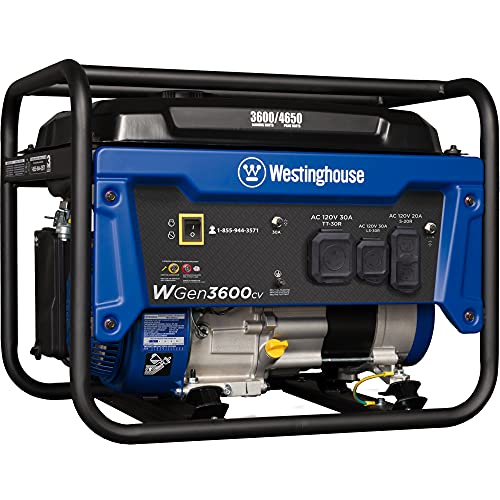
Westinghouse 4650 Peak Watt Portable Generator

Oxseryn Power Equipment 4400 Watts Inverter Generator

Oxseryn 4400-Watts Inverter Generator

AMERISUN 4500W Open Frame Gas Inverter Generator

DuroStar DS13000MX 13,000-Watt Portable Generator

Westinghouse 9500 Peak Watt Home Backup Portable Generator

Oxseryn 5000-Watts Portable Inverter Generator
More Details On Our Top Picks
For apartment backup, a power station like this avoids fumes and keeps the footprint easier to live with than a fuel model. The 2042Wh capacity, a battery size that stores a useful amount of energy for phones, routers, lights, and select appliances, makes more sense than a tiny emergency bank for longer outages.
The three AC outlets and 2200W combined output give you flexibility, while the 100W USB-C PD port matters for fast laptop and tablet charging without an extra adapter. You may find the silent charging mode especially useful in a bedroom or home office, though battery stations still need planning around runtime instead of refueling.
Strong Points
- LiFePO4 battery chemistry brings a long service-minded feel, which suits households planning beyond a single season.
- Three AC outlets help spread loads across small essentials instead of forcing everything onto one socket.
- USB-C PD at 100W keeps modern laptops and tablets simpler to manage during an outage.
- Silent charging mode keeps the sound profile low enough for overnight use in close quarters.
- Seamless switching in 20 milliseconds helps keep small electronics from dropping out during brief interruptions.
Points To Note
- Capacity still depends on what you plug in, so heavy appliances drain it much faster than phone charging.
- Solar panels are separate, so the setup cost rises once you build a more complete backup kit.
- The battery-first design fits cleaner indoor backup, but it does not replace the long run time of a fuel tank.
Feature Snapshot
Who It Suits Best
Households that want indoor-friendly backup for small electronics, routers, and lights will get the most from this Jackery.
A Better Fit Elsewhere
The DuroStar DS13000MX suits you better for a full-home transfer-switch setup that needs much more output and fuel flexibility.
Compared with the Jackery, this Westinghouse shifts you into fuel-powered backup with more run-focused practicality for outages and RV use. The RV-ready 30A outlet matters because it gives you a cleaner path for trailer or camper connections, and the carbon-monoxide sensor adds an important layer of awareness around exhaust risk.
That said, gas generators ask for outdoor placement, fuel storage, and a little more routine handling than a battery station. For a detached home, garage-adjacent setup, or camper site, that trade-off often makes sense, especially when you want longer-lasting power than a battery pack can usually provide.
What We Like
- The 30A RV outlet simplifies hookup for campers and travel trailers.
- Peak wattage in this range works well for essential household circuits during outages.
- CO sensor support adds a practical layer of awareness for outdoor operation.
- Gas fueling gives you a familiar, refillable backup path for longer interruptions.
Worth Noting
- Fuel storage and regular upkeep take more attention than a battery-based option.
- Noise and exhaust make placement more demanding than with a power station.
- The unit makes more sense outside or in well-separated setups than in tight patios.
Core Details
Who Should Grab It
Campers and homeowners who want a simple fuel-powered backup path with an RV outlet should look here first.
Swap It Out When
The Jackery Explorer 2000 v2 fits better for condo-style backup or indoor-adjacent use where you want quieter operation and no exhaust.
This Oxseryn sits in the middle ground between a compact battery station and a heavier whole-home generator. The inverter design means the output is shaped more cleanly for sensitive electronics than a basic open-frame machine, which matters in a house full of routers, chargers, and work gear.
The ECO mode is the useful detail here, because it adjusts engine effort to the load instead of running flat-out all the time. For overnight backup, RV hookups, or a workshop that needs sensible power without a huge machine, that balance tends to feel just right.
Highlights
- Inverter output better suits electronics than a plain open-frame generator.
- ECO mode helps the engine respond more naturally to lighter loads.
- The portable format makes it easier to move around a driveway or yard.
- RV-ready support broadens its use beyond home outages.
Small Caveats
- Open-frame generators are usually less compact than enclosed inverter designs.
- Gas upkeep still applies, including fuel handling and storage.
- Noise remains a factor, even with a lower-noise design approach.
Feature Rundown
Built With In Mind
This fits households that want a portable gas generator for mixed home and RV use without stepping up to a much larger machine.
A Better Fit Elsewhere
The Westinghouse 9500 Peak Watt Home Backup Portable Generator makes more sense for transfer-switch backup where a bigger output cushion matters.
At a glance, this Oxseryn looks close to the previous model, and that’s useful because the decision comes down to your setup rather than a dramatic spec gap. The RV-ready 30A outlet keeps it practical for trailer power, while the emergency backup angle makes sense for homes that need a middle-tier fuel generator.
One thing worth considering is how an open-frame design affects storage and placement. It’s easier to understand and move than a full standby unit, but it still asks for outdoor use, regular fuel attention, and a bit more noise than a closed inverter box.
Upsides
- Inverter architecture gives you a more electronics-friendly power profile.
- The 30A outlet helps tie into RV or backup setups more cleanly.
- Open-frame construction keeps the unit approachable for shorter-term storage.
- It covers the gap between light portable use and heavier home backup needs.
Areas To Watch
- Outdoor placement remains necessary because it’s a fuel-powered machine.
- The open frame leaves less separation from engine noise than enclosed models.
- For a bigger home panel plan, you may want a higher-output unit.
Details At A Glance
Perfect Match For
Homeowners who want a midrange portable generator with RV support and don’t need whole-house output should feel comfortable here.
Where A Sibling Pick Shines
The Jackery Explorer 2000 v2 suits quieter indoor-adjacent backup, especially for apartments or shared spaces where exhaust is a hard stop.
The AMERISUN leans into portability without giving up the backup features that matter for a house, RV, or jobsite. Parallel-ready support means you can pair it with another compatible unit later, which gives you a growth path that smaller standalone generators often skip.
The 30A RV outlet and ECO mode make it practical for mixed use, and the CO alert adds a useful awareness feature for outdoor operation. In most backyards, that combination will feel more flexible than a bare-bones frame generator, even though you still need to handle fuel and routine storage with care.
Reasons To Buy
- Parallel-ready support leaves room to expand output later.
- ECO mode helps the engine behave more politely under lighter loads.
- The 30A RV outlet adds straightforward trailer compatibility.
- The lighter build should be easier to move around than heavier home-backup machines.
Softer Spots
- Parallel use depends on matching gear, so expansion takes a little planning.
- Fuel-powered upkeep still belongs on your list of regular chores.
- Open-frame noise may be fine outdoors, but it’s not subtle.
Spec Overview
The Right Fit
You’ll like this most if you want a lighter portable generator that can grow with your needs over time.
Look Elsewhere When
The DuroStar DS13000MX makes more sense for a larger house where you want far more output in a single machine.
For whole-home backup, this DuroStar is in a different class from the smaller Oxseryn and Westinghouse picks. The 500cc engine and dual-fuel setup, meaning it can run on gas or propane, give you more flexibility during longer outages and a better fit for transfer-switch planning.
The remote electric start is the convenience detail that stands out in day-to-day ownership, especially when the unit sits farther from the back door or garage entry. It’s still a heavy-duty machine, so storage, fueling, and placement deserve more thought than they do with the Jackery or the lighter 4400W models.
Best Bits
- Dual-fuel capability gives you two backup fuel paths.
- Remote electric start makes first use easier from a distance.
- Transfer-switch readiness supports more serious home backup planning.
- The output level suits larger loads better than the midrange picks in this list.
Room For Improvement
- The size and weight call for a more permanent storage spot.
- Fuel management matters more because you’re dealing with a larger machine.
- It’s more generator than casual porch backup, so setup takes planning.
Core Details
Whose Shelf It Belongs On
This belongs with homeowners planning for larger backup loads, especially where a transfer switch is part of the setup.
Another Choice May Suit
The Westinghouse 9500 Peak Watt Home Backup Portable Generator is the easier step down for smaller homes that still want remote start and transfer-switch support.
This Westinghouse sits closer to serious home backup than the 4650W model, with enough headroom to feel more comfortable for larger appliances and circuit planning. Auto choke simplifies startup behavior, which helps on stressful outage days when you want the machine to get going without extra fiddling.
Transfer-switch readiness is the key reason to look here, because it lines up better with a house panel than a casual portable-only approach. You still need to store fuel and give the generator outdoor space, but for many homes that’s the practical middle ground between small portable power and a full standby system.
Positives
- Remote electric start reduces the hassle of getting power back on.
- Auto choke simplifies cold starts and routine use.
- Transfer-switch readiness suits more structured home backup setups.
- The higher output gives you more room for essential appliances.
Points To Note
- Fuel handling and outdoor placement still apply, so setup is more involved than battery backup.
- The unit is a better home backup fit than a grab-and-go portable.
- Maintenance expectations are closer to a traditional generator than a power station.
Technical Sheet
Made For
Homeowners who want a dependable portable backup machine for a transfer-switch setup should feel right at home with this one.
Where Shoppers Go Wrong
The Jackery Explorer 2000 v2 is the better route for apartment dwellers or anyone who needs quiet indoor-friendly backup for lighter loads.
This Oxseryn feels tuned for everyday backup rather than giant whole-house coverage. The inverter format helps it fit a more electronics-aware role, and the 30A outlet plus RV readiness make it useful for homes that also want trip support or utility power on demand.
At 60 pounds, it sits in a workable middle zone for portability, though it’s still not something you’ll want to move around casually all day. The ECO mode and gas engine combination make sense for a household that wants a sensible step above tiny emergency stations without jumping to a much larger frame generator.
Bright Spots
- The inverter design is a better match for electronics than a basic contractor-style unit.
- The 30A outlet expands its usefulness for home and RV needs.
- 60-pound weight keeps it more manageable than many larger backup machines.
- ECO mode supports lighter-duty operation with less engine strain.
Honest Caveats
- It still needs outdoor use and fuel handling, like any gas generator.
- For bigger homes, the output ceiling may feel more like a stepping stone than a final answer.
- Regular storage space matters because it’s portable, not tiny.
Quick Facts
Who Will Love This
You’ll appreciate this most if you want one portable generator that can cover home backup basics and RV duty without feeling oversized.
Skip It When
The DuroStar DS13000MX is the stronger match for a larger house that needs much more total power and a dual-fuel backup path.
How To Choose The Right Backup Generators For Home Use
Start With The Loads You Actually Need
Your first job is matching output to the appliances and devices you want to keep running. A power station like the Jackery handles smaller electronics and a few essentials, while the DuroStar and Westinghouse 9500 are built for more serious home backup plans.
Think in terms of circuits and habits, not just wattage on a label. A fridge, modem, some lights, and charging gear call for a different setup than a window AC unit, sump pump, or multiple rooms in use at once.
Match The Fuel Plan To Your Space
Battery power stations fit patios, condos, and noise-sensitive homes because they avoid exhaust and keep operation calmer. Gas generators suit detached homes, garages, and yards where outdoor placement is easier and fuel storage is already part of your routine.
That split matters more than many shoppers expect. The clean, quiet convenience of the Jackery can feel like a luxury in close quarters, while the bigger fuel models make sense once you need longer runtime or more output.
Look At Connection Types, Not Just Size
Outlet count, 30A RV support, transfer-switch readiness, and remote electric start all change daily use in real ways. A transfer-switch-ready generator, such as the DuroStar or Westinghouse 9500, fits a more structured home setup than a basic portable machine.
USB-C PD, ECO mode, and inverter output matter too, especially for laptops, tablets, and smaller electronics. Those details often decide whether the unit feels well matched or just technically large enough.
Plan For Storage And Maintenance
Large machines need a real parking spot, fuel rotation, and more attention between outages. Smaller inverter models and battery stations are easier to store, but they may ask you to think harder about runtime and expansion.
That’s the trade-off, and it’s a fair one. The right pick feels almost invisible during normal weeks, then ready when the lights go out.
A Quick Reality Check
Common Shopping Slip Ups
Many people focus on peak watt numbers and miss the outlet layout. A generator can look strong on paper and still feel awkward if it lacks the 30A connection, transfer-switch support, or USB-C port you actually need.
Another miss is ignoring storage and fuel handling. Gas models need a place to live and a plan for upkeep, while battery stations need charging strategy and realistic runtime expectations.
Where The Extra Money Goes
Higher-tier models usually pay for more output, easier starting, and better setup flexibility. Dual fuel, remote electric start, and transfer-switch readiness often sit in that upper band for a reason.
You also pay for convenience in the middle of a storm. That can mean less dragging, fewer workarounds, and a smoother handoff to the circuits that matter most.
Frequently Asked Questions
What size backup generator works for basic home essentials?
A smaller power station or midrange inverter generator can handle lights, charging gear, and a refrigerator. Bigger homes or more demanding appliances usually need a higher-output gas model.
Is a battery power station enough for outages?
It can be enough for electronics, lights, and short-term comfort in a smaller space. For longer runs or larger appliances, a fuel generator usually brings more staying power.
What does transfer-switch ready mean?
It means the generator is set up to connect more cleanly with a home transfer switch. That makes it more suitable for structured backup use than a loose extension-cord setup.
Why choose inverter output for home use?
Inverter generators shape power more cleanly, which helps sensitive electronics. They also tend to feel like a better fit when you want a more versatile portable setup.
Should you care about CO sensors or CO alerts?
Yes, because outdoor fuel equipment needs careful placement and awareness. A sensor or alert adds a useful reminder to keep operating conditions safe and sensible.
Closing Thoughts
You have a few clear paths here, and the right one depends on how much of the house you want to protect, how much noise you can live with, and how much setup effort feels reasonable. The Jackery Explorer 2000 v2 fits quiet, cleaner backup use, while the DuroStar DS13000MX is built for larger home demands. The middle options make sense for practical homes that want a solid step up without overcommitting. Pick the one that matches your space first, then your power needs, and the rest falls into place.
