

Power outages feel manageable until the fridge hum stops, the sump pump goes quiet, and the house starts getting uncomfortable fast. The right backup setup gives you breathing room, whether you want to keep essentials running through a storm or cover more of the home without constant fuss.
This roundup focuses on house-ready options with different power levels and fuel setups, from compact inverter styles to heavier dual-fuel units and a solar-powered station. You’ll see which picks suit tighter spaces, which ones fit transfer-switch setups, and which models make the most sense for longer outages.
Quick Look At The Shortlist

Oxseryn 4400 Watts Inverter Generator

Oxseryn 4400-Watts Inverter Generator

DuroStar DS13000MX 13,000-Watt 500cc Dual Fuel Portable Generator

Westinghouse 28000 Peak Watt Home Backup Portable Generator
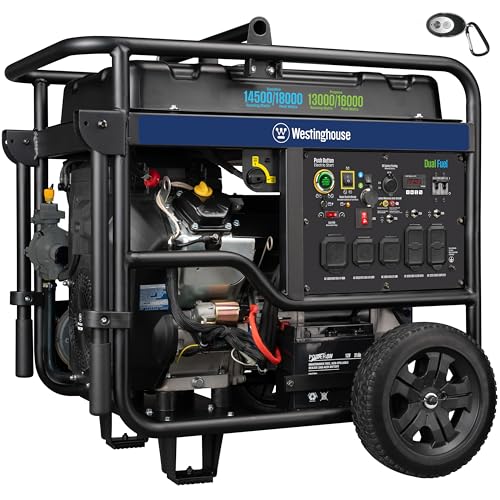
Westinghouse 18000 Peak Watt Dual Fuel Home Backup Portable Generator

Champion Power Equipment 11,000-Watt Wireless Remote Start Home Backup Portable Inverter Generator

Jackery HomePower 3600 Plus Portable Power Station
More Details On Our Top Picks
The open-frame build keeps this Oxseryn model straightforward, and the inverter design matters because it aims for steadier output than a basic contractor-style unit. That makes it a sensible fit for a home that wants essential circuits covered without jumping straight to a giant machine.
For most garages and side yards, the low-noise angle and ECO mode should feel more manageable than a louder fuel-hungry unit. The trade-off is simple: you get a more compact backup setup, not the muscle of the larger whole-home options later in this list.
What We Like
- Inverter output suits sensitive household electronics better than a bare-bones open-frame generator.
- ECO mode can help reduce fuel use during lighter loads.
- The RV-ready angle adds flexibility for weekend trips and emergency home use.
- Smaller footprint makes storage easier in a packed garage.
Points To Note
- Output sits below the heavy-duty machines in this roundup.
- Open-frame construction usually means less refined noise control than enclosed styles.
Feature Rundown
Whose Shelf It Belongs On
You’ll get the most out of this pick as a homeowner who wants a compact backup unit for basics, not a full-house standby feel.
A Better Fit Elsewhere
Westinghouse 18000 Peak Watt Dual Fuel Home Backup Portable Generator makes more sense for homes that need broader outage coverage and want gas plus propane flexibility.
This Oxseryn version keeps the same 4,400-watt class, but the 30A outlet gives it a clearer path for RV or home-backup hookup needs. That outlet rating, or 30 amps, matters because it supports heavier single-line connections than a light-duty plug setup.
It feels like the better match for someone who wants a direct connection point without stepping up to a much larger generator. The honest read is that it still lives in the smaller backup lane, so large households may outgrow it quickly.
Reasons To Buy
- 30A outlet supports more practical backup and RV connection options.
- Inverter design helps power feel cleaner for common household electronics.
- Open-frame build keeps the form factor relatively easy to manage.
- Strong fit for apartments with outdoor storage, smaller homes, or travel backup plans.
Minor Gripes
- Like the first Oxseryn pick, it does not reach the output scale of the larger home-backup machines.
- Open-frame generators usually need a bit more space and attention to placement.
Core Details
Who Should Grab It
You’ll like this more than the first Oxseryn if you want the same compact power class with a more connection-friendly outlet layout.
Swap It Out When
DuroStar DS13000MX 13,000-Watt 500cc Dual Fuel Portable Generator suits households that want a big jump in capacity and fuel flexibility.
The DuroStar jumps well past the smaller Oxseryn units, and that matters for homes that need to keep more than just a few essentials alive. Dual fuel means it can run on gas or propane, so you get a backup plan that feels less boxed in during an outage.
Remote electric start is a real convenience touch, especially when the unit sits outside and you don’t want a stubborn pull-start routine in bad weather. One thing worth considering is the size class, because this is the sort of machine that wants room, planning, and a serious use case.
Highlights
- Large 13,000-watt class suits broader household backup needs.
- Dual fuel flexibility gives you more control over fuel planning.
- Remote electric start is easier to live with during weather interruptions.
- Transfer-switch readiness helps it fit more organized home setups.
- 500cc engine size signals a strong-duty profile for extended outages.
Areas To Watch
- Its size and output level are more than many smaller homes need.
- Fuel storage and placement take a bit more planning than with lighter backup options.
- Maintenance and space requirements tend to be higher with larger dual-fuel units.
Feature Snapshot
The Right Fit
You’re in the sweet spot for this one if you want serious outage coverage and prefer the flexibility of running gas or propane.
Where A Sibling Pick Shines
Westinghouse 18000 Peak Watt Dual Fuel Home Backup Portable Generator suits homes that want a similarly flexible approach but with a different capacity tier and brand feel.
This Westinghouse sits in the larger backup class, and the 28,000 peak watt figure signals serious headroom for a house with multiple key circuits. Auto choke and remote electric start help make the unit easier to bring online, which matters when the weather is rough and you want less friction.
The 30A and 50A outlets make it more adaptable to different home hookup styles, so it can play nicely with a transfer switch setup. The catch is that this much capacity usually belongs to homes with a clear outage plan, not casual emergency backup.
Standout Traits
- Large peak output offers broad coverage for bigger home loads.
- Remote start reduces the hassle of startup in poor weather.
- Auto choke helps simplify the cold-start routine.
- 30A and 50A outlets support more connection flexibility.
- CO sensor adds an extra safety-oriented feature set.
Small Caveats
- This size class is best for homes that truly need the extra capacity.
- Large portable generators take more storage room and setup space.
- Heavier upkeep and transport needs come with bigger hardware.
Details At A Glance
Best Suited To
This works best for a larger home that wants a portable unit with enough output to cover more than a bare minimum during outages.
Look Elsewhere When
Champion Power Equipment 11,000-Watt Wireless Remote Start Home Backup Portable Inverter Generator suits smaller homes that want easier handling and a quieter operating profile.
Compared with the larger Westinghouse above, this one sits in a more balanced zone for homeowners who want serious backup without going all the way to the biggest frame in the list. Dual fuel support gives you gas or propane flexibility, which can be useful during longer outages or when fuel access is uneven.
Remote electric start keeps the day-to-day side of ownership less fiddly, and the transfer-switch-ready setup fits organized home backup plans. You may find it easier to place and live with than the heavier machines, though it still belongs in the substantial-generator camp.
Best Bits
- Dual fuel design gives you more fueling options.
- Remote electric start is convenient for routine use.
- Transfer-switch readiness fits a house-based backup plan well.
- Strong capacity for homes that need more than basic coverage.
Worth Noting
- It still needs meaningful storage room and a sensible placement plan.
- Like most larger portable generators, upkeep is more involved than with smaller inverter units.
Feature Card
Who Will Love This
This is a solid match for a household that wants a strong backup generator with less complexity than the biggest machines in the group.
Another Choice May Suit
DuroStar DS13000MX 13,000-Watt 500cc Dual Fuel Portable Generator fits homes that want a slightly different capacity tier with the same gas-and-propane flexibility.
The Champion brings a quieter inverter setup into the mix, and that matters a lot for suburban lots or homes where you do not want a loud machine running close to the fence line. Wireless remote start is the standout convenience, because it lets you bring the unit on without standing right beside it.
It sits between the compact Oxseryn options and the heavy Westinghouse units, so it feels like a practical middle path for many homes. The honest read is that its stronger value comes from comfort and usability, not from sheer size.
Upsides
- Wireless remote start adds real convenience during outages.
- Inverter design is a better fit for mixed home electronics.
- Quiet technology helps make it easier to live with near the house.
- Middle-ground output suits many households that need more than a small portable unit.
Room For Improvement
- It does not reach the heavy-duty output of the largest generators here.
- Quiet technology helps, but placement still matters for noise control and maintenance access.
- Some homes will want a larger fuel-and-output cushion for longer outages.
Core Details
Made For
You’ll appreciate this most in a family home where convenience and noise control matter as much as raw output.
Reach For A Different Pick When
Westinghouse 28000 Peak Watt Portable Generator is the better call for households that need a much larger power cushion and more outlet flexibility.
This Jackery changes the conversation because it’s a power station, not a fuel-burning generator. That means the 3,584Wh lithium iron phosphate battery, or LFP battery, brings a quieter and more indoor-friendly backup style for essentials like networking gear, lights, and small appliances.
The included 200W solar panels add another path for staying powered, and the expandable capacity up to 21kWh gives it room to grow into a bigger setup. The trade-off is obvious: it’s cleaner and quieter in day-to-day use, but it doesn’t replace the fuel-based muscle of the largest generators here.
Positives
- Battery-based design avoids fuel handling for home backup use.
- 3600W AC output covers a useful range of essentials.
- Expandable system gives the setup long-term flexibility.
- Included solar panels help support off-grid charging plans.
- LFP chemistry usually appeals to households that want a stable battery type for recurring use.
Honest Caveats
- It behaves differently from gas or dual-fuel generators, so long outage planning needs a closer look.
- Battery capacity is finite, so larger household loads need careful prioritizing.
Feature Card
Built With In Mind
This fits you best if you want quiet, fuel-free backup for essentials and value solar charging as part of the plan.
Skip It When
DuroStar DS13000MX 13,000-Watt 500cc Dual Fuel Portable Generator is the stronger choice for households that want traditional generator output and fuel flexibility.
How To Choose The Right Backup Generators For A House
Match Output To The Parts Of Your House That Matter Most
Start with the load you actually want covered, not the biggest number you can find. A fridge, lights, internet gear, and a sump pump need a very different level of support than a full-house plan with multiple large appliances.
Peak watts tell you how much short-term power the unit can deliver, while running output tells you what it can sustain. A stronger rating helps, but bigger output also usually means more weight, more fuel use, and more storage space.
Choose The Fuel Setup Around Real Outage Habits
Gas-powered units are common and easy to understand, but dual-fuel models give you propane as a second path. That matters during long outages, fuel shortages, or times when you want stored propane ready in the garage.
Battery-based stations change the equation again, because they skip fuel handling and often run more quietly. They work well for essentials and indoor-friendly use, though they need a careful plan for recharging and total runtime.
Think About The Start Method And Daily Handling
Remote electric start sounds like a small feature until the weather turns ugly and you want less hassle. Wireless start, auto choke, and easy controls can make a real difference for anyone setting up power alone.
Also look at the shape of the machine. Open-frame models are often easier to place and service, while enclosed or inverter-style units usually feel friendlier around a house where noise and storage both matter.
Keep Connections And Placement In View
Transfer-switch-ready models fit homes that already have a more organized backup plan. Outlet types matter too, because 30A and 50A options affect how the generator connects to your home setup or RV gear.
Placement is part of the decision, not an afterthought. Larger portable generators need room to breathe, space for fuel storage, and a spot that makes maintenance realistic rather than awkward.
Things Worth Knowing First
Mistakes Worth Dodging
One common slip is chasing wattage without checking what you actually need to run. That usually leads to overspending on capacity that sits unused most of the time.
Another is overlooking the connection method. A home backup plan works much better when the outlets, transfer switch, and fuel setup all fit the house rather than fighting it.
The Upgrade Payoff
Higher-tier models usually cost more because they bring larger engines, stronger output, remote start systems, dual-fuel flexibility, or battery expansion. Those parts add real usefulness, not just extra bulk.
The upgrade makes sense when outages last longer, the house has more essential loads, or convenience matters enough to justify easier startup and cleaner operation. For lighter backup needs, a smaller inverter or power station can be the smarter spend.
Frequently Asked Questions
How much power does a house backup generator need?
That depends on the parts of the house you want to keep running. Essentials need far less power than a whole-home setup with multiple large appliances.
Is dual fuel worth it for home backup?
Dual fuel helps because you can choose between gas and propane. That flexibility can be useful during longer outages or supply interruptions.
Are inverter generators better for home use?
Inverter models usually suit electronics and mixed household loads more comfortably. They also tend to feel easier to live with around a house than louder open-frame units.
Do portable power stations work for house backup?
Yes, for essentials and shorter backup plans. They are a better fit for quiet, fuel-free use than for very large household loads.
What matters more, outlets or wattage?
Both matter, because wattage sets capacity and outlets determine how you connect the unit. A strong generator with the wrong outlet layout can still be awkward to use.
Closing Thoughts
The right backup generator depends on how much of your house you want protected and how hands-on you want the setup to feel. Smaller inverter models suit basic outage coverage, while dual-fuel and high-output units fit homes that need broader support. Battery power stations bring a quieter, cleaner feel for essentials and lighter use. Choose the one that matches your space, your fuel plan, and the way you want to handle an outage, and the rest gets much easier.
