

Power outages are annoying at best and disruptive fast when you rely on a fridge, WiFi, medical devices, or a home office. This roundup focuses on automatic standby generators and close-fit backup options for homes, RV use, and tougher outage plans, so you can match the setup to your space and fuel source. Some picks are full house machines, while others are portable power stations that suit apartments, cabins, and smaller backup needs. The right choice depends on how much you want to keep running, how hands-off you want the setup to be, and how much installation you’re ready to take on.
Quick Look At The Shortlist

Jackery Explorer 2000 v2 Portable Power Station 2042Wh

WEN Quiet and Lightweight 3600-Watt Dual Fuel RV-Ready Portable Inverter Generator (DF360iX)
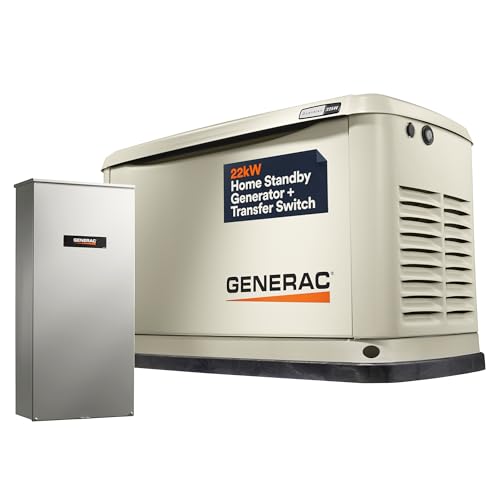
Generac Guardian 22kW Home Generator with Transfer Switch and WiFi Monitoring

DuroStar DS13000MX 13,000-Watt 500cc Dual Fuel Portable Generator

Jackery HomePower 3600 Plus Portable Power Station with 2X 200W Solar Panels
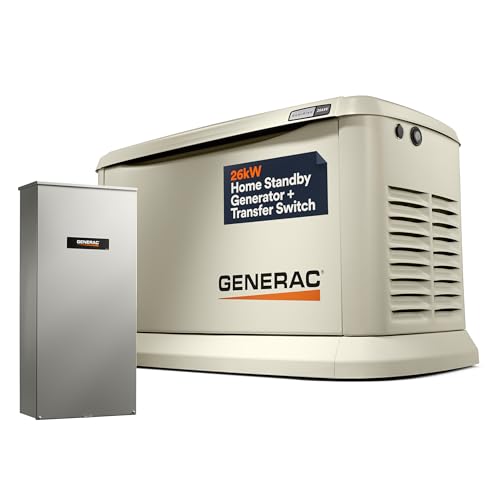
Generac Guardian 26kW Home Standby Generator with 200 Amp Transfer Switch
More Details On Our Top Picks
For apartment backup, campsite power, or a home office that needs a clean battery source, the Jackery Explorer 2000 v2 sits in a very workable middle ground. Its 2042Wh capacity gives you meaningful runtime for essentials, and the 2200W AC output is enough for a broad mix of household gear, though not a whole house.
The LiFePO4 battery type, which uses lithium iron phosphate cells, matters because it usually suits long-term ownership better than older battery chemistries. You also get USB-C PD up to 100W, so laptops and modern devices can charge without extra bricks, and that feels especially handy on travel days or during a short outage.
What We Like
- Large battery capacity helps keep core devices running through a blackout.
- Three AC outlets make it easier to split power across several appliances.
- USB-C PD 100W is a practical fit for newer laptops and tablets.
- Silent Charging mode keeps noise low for late-night or shared-space use.
- Solar and AC charging options give you more setup flexibility.
Room For Improvement
- It supports backup power, but it does not replace a wired whole-home standby unit.
- The unit still has to be managed like a large portable battery, so storage space matters.
- Solar charging depends on panel setup and weather, which can stretch real-world recharge time.
Feature Snapshot
Who Will Love This
You’ll get the most from this model if you want portable backup for essentials, travel, or a smaller living space without fuel handling.
Another Choice May Suit
Generac Guardian 22kW Home Generator with Transfer Switch and WiFi Monitoring suits homeowners who want automatic whole-house coverage instead of a movable power station.
RV owners and weekend backup users often want something that feels manageable, and this WEN model leans that way. Dual fuel means you can run it on gasoline or propane, which gives you some flexibility during storage or supply hiccups, though the exact fuel choice still shapes how you maintain it.
Compared with the Jackery portable power station, this is a different kind of backup tool, with a combustion engine and the usual upkeep that comes with it. The quieter inverter format should suit campsites and shared outdoor spaces better than a louder open-frame generator, which is the real draw here.
Bright Spots
- Dual-fuel operation gives you two fuel paths to work with.
- RV-ready design makes it a natural fit for travel trailers.
- Inverter output is a plus for devices that prefer steadier power.
- Compact, lightweight framing should make storage and moving easier than larger home units.
Softer Spots
- It still asks for fuel management, oil care, and routine engine attention.
- It handles backup for smaller needs better than for a full house load.
- Noise stays lower than many traditional generators, but it is still an engine-powered unit.
Core Details
Built With In Mind
This suits RV travelers, campers, and households that want a portable fuel-based backup option without stepping up to a large whole-home system.
Where A Sibling Pick Shines
Jackery Explorer 2000 v2 Portable Power Station 2042Wh works better for apartment dwellers or anyone who wants battery backup with no fuel storage.
For homeowners who want backup power to feel automatic instead of improvised, this Generac setup is the clear standby-style pick in the list. The 22kW rating points to serious home coverage, and the natural gas or propane fuel flexibility helps it fit different utility setups without forcing you into a battery-only approach.
WiFi monitoring adds day-to-day visibility, so you can keep an eye on the system without walking outside every time the weather turns ugly. Compared with the portable items above, this is the kind of unit you plan around rather than carry around, and that makes sense for a fixed house installation.
Highlights
- Whole-house orientation suits larger homes with heavier backup needs.
- Automatic transfer helps the switchover feel far less hands-on.
- WiFi monitoring is useful for checking status from inside the house.
- Natural gas or propane compatibility gives you more installation flexibility.
- The transfer switch is part of the setup, which helps simplify a proper standby install.
Areas To Watch
- Installation is more involved than plugging in a portable unit.
- The footprint and fixed placement make it a commitment, not a casual add-on.
- It makes sense for homeowners, not renters or short-term setups.
Details At A Glance
Made For
This fits homeowners who want a fixed standby system for outages and storm prep, especially in houses with enough load to justify whole-home backup.
Look Elsewhere When
DuroStar DS13000MX 13,000-Watt 500cc Dual Fuel Portable Generator suits people who want a movable, fuel-based option for job sites or emergency backup with less installation work.
This DuroStar sits closer to the heavy portable end of the backup spectrum than the battery models, and that matters for homes that need more muscle during outages. Dual fuel operation and remote electric start make day-to-day handling easier, especially when you do not want to wrestle with a pull-start unit in bad weather.
It also fits the people who want transfer-switch-ready hardware without jumping all the way to a fixed standby system. The trade-off is the usual one for fuel generators, including storage, maintenance, and the need to keep the machine in a dry, open spot.
Reasons To Buy
- High output supports a broader set of home backup tasks.
- Gasoline and propane fuel options add practical flexibility.
- Remote electric start is easier to live with during rough weather.
- Transfer-switch-ready design suits more serious emergency planning.
Small Caveats
- It still needs engine care, fuel rotation, and regular storage attention.
- The unit is more appropriate for outdoor placement than indoor convenience.
- It is powerful, but it still lacks the automatic house-integration of a true standby model.
Technical Sheet
Whose Shelf It Belongs On
This belongs with homeowners and rural property owners who want a portable fuel generator with serious capacity and easier starting.
Reach For A Different Pick When
Generac Guardian 26kW Home Standby Generator with 200 Amp Transfer Switch fits you better when automatic whole-house backup is the real goal.
The HomePower 3600 Plus pushes deeper into serious portable backup territory, especially for homes that need more headroom than a compact power station can offer. Its 3584Wh capacity and 3600W AC output matter because they let you cover more essentials at once, while the included 200W solar panels point toward more flexible recharging.
Expandable capacity up to 21kWh is the feature that changes the conversation most, because it gives you a path to scale over time instead of starting over with a different system. Compared with the smaller Jackery Explorer 2000 v2, this one suits longer outage planning and larger households that want more stored energy in reserve.
Standout Traits
- Large base capacity gives you a bigger reserve for outages.
- 3600W AC output supports more appliances and heavier household loads.
- Solar panels included, which can simplify the first setup.
- Expandable design gives you room to grow the system later.
- LFP battery chemistry is a solid match for long-term stationary use.
Worth Noting
- The unit is substantial, so storage and placement need planning.
- Scaling to higher capacity depends on expansion accessories and a broader setup.
- Solar gain still depends on sun exposure, panel placement, and weather.
Spec Overview
The Right Fit
This suits homeowners, RV users, and anyone building a larger battery-backed plan who wants more capacity from the start.
Skip It When
WEN Quiet and Lightweight 3600-Watt Dual Fuel RV-Ready Portable Inverter Generator (DF360iX) makes more sense for campers who want a smaller, fuel-based portable unit.
This is the most fully committed standby-style entry in the list, and the 26kW output makes that clear right away. For a large home with multiple major loads, automatic whole-house backup is the whole point, and the 200 amp transfer switch helps the setup line up with that goal.
Natural gas or liquid propane fuel gives the generator a fixed-home identity rather than a portable one, and WiFi support adds convenient status monitoring. Compared with the 22kW Generac above, this one is the stronger fit for homes that need extra capacity and want a little more breathing room during longer outages.
Best Bits
- 26kW output gives you a very capable home backup ceiling.
- Automatic whole-house operation reduces the need for manual intervention.
- 200 amp transfer switch fits a serious residential installation.
- WiFi connectivity makes it easier to keep tabs on status.
- Gas or propane fueling helps match different property setups.
Minor Gripes
- This is a fixed installation, so setup planning matters from the start.
- It suits larger homes more naturally than small properties.
- The installation commitment is higher than with a portable generator.
Core Details
Who Should Grab It
This belongs with homeowners who want a fixed backup system for a large house and prefer an automatic response during outages.
Swap It Out When
Jackery HomePower 3600 Plus Portable Power Station with 2X 200W Solar Panels fits you better when portability and solar-backed battery storage matter more than a permanent install.
How To Choose The Right Automatic Standby Generators
Start With The Loads You Need To Keep Alive
Your first job is naming the appliances and circuits that matter most. A fridge, modem, sump pump, furnace blower, and a few lights call for a very different setup than a whole house with central air.
Portable power stations work well for essentials and shorter outages, while fixed standby units make more sense for whole-home coverage. The honest read is that size matters more than shiny features here, because an undersized system feels limiting fast.
Match Fuel Type To Your Home Setup
Natural gas, propane, gasoline, and battery storage each change how the generator fits daily life. Natural gas and propane suit stationary backup plans, while battery units skip fuel storage and fit cleaner indoor-adjacent ownership.
The trade-off is simple, and it shows up during real outages. Fuel units can run longer with the right supply, while battery models are quieter and easier to live with, but they need thoughtful recharge planning.
Think About Noise, Storage, And Maintenance
A quieter unit helps a lot in dense neighborhoods, near bedrooms, or around campsites. Battery-powered picks stay calmer in use, while engine-based generators usually ask for more distance, more ventilation, and more routine upkeep.
Storage is the part many people underestimate. A portable generator needs a dry place, fuel care, and periodic attention, while a standby system asks for installation space and a more permanent commitment.
Decide How Hands-Off You Want The Backup To Be
Automatic transfer matters most for homes where power loss can’t wait for someone to wheel out equipment. That feature suits households that want the backup to switch over with minimal fuss.
Portable options still have a strong place, especially for renters, RV users, and households that need a flexible second layer of backup. The better pick is the one that matches how much manual work you’re willing to handle during a storm.
What To Weigh Before You Click
Hidden Buying Traps
A common mistake is focusing on wattage alone and ignoring installation, fuel, and storage. A big number looks reassuring, but a home standby unit only makes sense when your property, electrical panel, and fuel source line up.
Another slip-up is buying a fuel generator for a space that really needs a quieter battery setup. For small homes, apartments, and shared spaces, the practical side of ownership matters as much as raw output.
The Upgrade Payoff
Higher-tier models cost more because they usually bring larger output, automatic transfer, remote monitoring, and heavier-duty electrical hardware. Those extras do add convenience, but they also serve homes that truly need them.
The upgrade is worth it when outage tolerance is low and you want broader coverage without juggling cords or extension leads. For lighter use, a smaller portable unit often feels easier to own.
Frequently Asked Questions
What makes a generator truly automatic?
An automatic standby unit senses an outage and switches power with less manual work. Portable units can still serve as backup, but they usually need you to start them and connect loads yourself.
Is a battery power station the same as a standby generator?
No, the function overlaps, but the ownership experience is different. A battery power station is portable and quieter, while a standby generator is fixed in place and built for home integration.
How much power do you need for a house?
That depends on what you want to keep running, not just square footage. A refrigerator and a few essentials call for much less than central air and several large appliances.
What fuel setup works best for long outages?
Natural gas and propane suit fixed installations, while battery systems depend on stored charge and recharge options. The better fit comes down to your home’s infrastructure and how long outages usually last.
Do portable generators need regular upkeep?
Yes, fuel-based models need storage care, periodic checks, and attention to engine-related maintenance. Battery power stations are simpler in that respect, though they still need sensible charging and storage habits.
Final Thoughts
You get the cleanest result when the generator matches your outage pattern, your space, and how much setup work you’re willing to handle. For a fixed home with serious backup needs, a Generac standby unit makes a lot of sense. For lighter use, the Jackery and WEN options keep things more flexible and easier to live with. Choose the setup that fits your house, not the other way around.
