

Backup power feels a lot less stressful when the transfer switch matches your setup instead of forcing awkward workarounds. This roundup focuses on homes, workshops, and small outbuildings where a clean switch between utility and generator power matters most. You’ll see compact DIN rail units, service-entrance models, manual kits, and heavier 100-amp options, so the fit lines up with real wiring needs rather than guesswork.
Quick Look At The Shortlist

IGEYAPA 100Amp AC110V Automatic/Manual Transfer Switch 2P

MARSTEK 63A 110V Automatic/Manual Transfer Switch

HCDC AC120V 15Amp Automatic Transfer Switch (NEMA 5-15P/R)

JINDOUZI 100A Automatic Transfer Switch, 220V
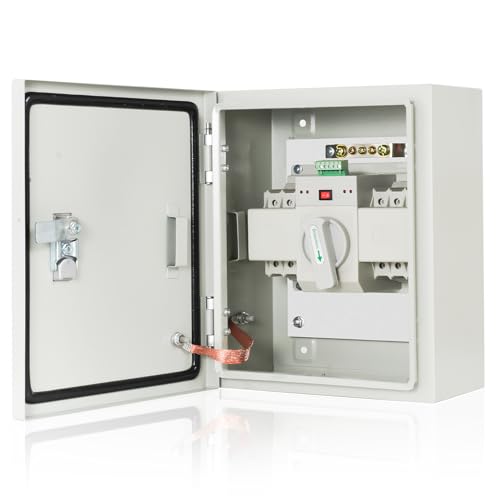
phabcf 100A 3P Automatic/Manual Generator Transfer Switch

Generac 100 Amp Legacy Automatic Generator Transfer Switch

Nature’s Generator Manual Transfer Switch 12-Circuits

RJSPHH 200 Amp Single Phase Generator Automatic Transfer Switch
More Details On Our Top Picks
IGEYAPA’s 100-amp rating gives this unit room to handle a more serious home setup than the smaller 15-amp option later in the list. The DIN rail mount matters because it keeps the install neat inside a panel or enclosure, and the automatic/manual switch mode gives you a fallback when you want direct control.
That mix makes sense for a garage, RV power bay, or compact backup system where space is tight but load demands are not tiny. The trade-off is straightforward, you need to match the 110V, 2-pole format to the rest of your wiring plan, so this is a fit-first choice rather than a casual add-on.
Strong Points
- 100-amp capacity supports larger backup circuits.
- DIN rail mounting keeps the install tidy.
- Automatic and manual modes add flexibility.
- 2-pole layout suits split-power setups.
- Works well for RV or home backup planning.
Things To Consider
- 110V and 2-pole wiring need a proper match with your system.
- The compact format still calls for careful panel planning.
- It’s not the simplest option for very small loads.
Feature Card
Who It Suits Best
Homeowners or RV owners with a 110V, 2-pole setup and a need for a stronger 100-amp transfer option will get the most from this model.
A Better Fit Elsewhere
MARSTEK 63A 110V Automatic/Manual Transfer Switch suits smaller backup loads better, especially for a furnace or a lighter panel arrangement.
MARSTEK lands in a narrower lane than IGEYAPA’s 100-amp unit, and that’s a good thing for smaller backup circuits. The 63A rating, DIN rail mount, and LED display make it feel organized rather than cluttered, which helps in a furnace room or a tidy utility enclosure.
It suits a setup where you want automatic changeover with the option to step in manually. The honest read is that the lower current rating keeps it from serving a full heavy-load panel, but for gas furnace backup or modest generator use, that restraint is part of the appeal.
What We Like
- 63A capacity fits lighter backup needs.
- DIN rail mounting keeps installation orderly.
- LED display adds quick status visibility.
- Automatic/manual switching gives you control options.
Worth Noting
- It’s better suited to smaller circuits than whole-home service.
- 110V compatibility still needs to match your wiring plan.
- The compact design leaves less room for error during installation.
Core Details
Who Should Grab It
Shoppers backing up a furnace or a smaller circuit panel will usually find this the most sensible match.
Another Choice May Suit
Generac 100 Amp Legacy Automatic Generator Transfer Switch is a stronger fit for larger service-entrance installations and outdoor placement.
HCDC keeps things simple, and that’s exactly why it stands out among the larger 63A and 100A models here. The NEMA 5-15P/R format points to a standard plug-in style used for light-duty AC120V connections, so you’re looking at a practical option for small backup tasks rather than a heavy panel job.
For a workshop corner, small appliance circuit, or basic generator handoff, that restraint is useful. The trade-off is obvious, the 15-amp ceiling limits scope, but you also get a cleaner fit for modest equipment without paying for more capacity than you’ll use.
Bright Spots
- 15A rating suits light-duty circuits well.
- NEMA 5-15P/R compatibility is familiar and easy to plan around.
- Compact size helps in cramped spaces.
- Automatic switching reduces manual swapping for small loads.
Small Caveats
- Not built for larger backup panels.
- Best suited to straightforward, low-load use.
- Standard plug format may feel limiting for more advanced setups.
Details At A Glance
Right Fit For
Small-circuit backup setups and simple generator handoff tasks suit this model best.
Where A Sibling Pick Shines
MARSTEK 63A 110V Automatic/Manual Transfer Switch is the smarter move for furnace backup or a broader utility-circuit load.
JINDOUZI shifts the focus from capacity alone to response speed, which matters in a home or workshop that hates long interruptions. The millisecond-level transfer claim points to very fast switching, and the included metal distribution box gives the install a more contained, cabinet-style feel than the bare-bones compact units above.
That combination makes sense for dual-power systems where steadiness matters as much as amperage. The catch is that the setup asks for careful planning around 220V, so this is less of a casual retrofit and more of a purpose-built choice for someone who already knows the panel layout.
Reasons To Buy
- 100A capacity supports substantial loads.
- Fast transfer timing helps reduce interruption gaps.
- Metal distribution box adds a protected housing.
- 220V compatibility suits higher-voltage setups.
Areas To Watch
- 220V wiring needs to line up with your system.
- The cabinet-style format may take more planning space.
- Better for existing dual-power plans than first-time experiments.
Feature Rundown
Built With In Mind
Homes or shops with a 220V dual-power setup and a need for faster switching will get the clearest benefit here.
Swap It Out When
IGEYAPA 100Amp AC110V Automatic/Manual Transfer Switch 2P is the better fit for a 110V DIN rail installation or an RV-style arrangement.
phabcf is the first pick here that clearly leans into whole-home territory, with 120/240V support and a 24,000W rating. The 3P layout, meaning three poles for switching, matters because it gives you a more substantial hardware base than the smaller single-purpose units in the group.
It also stands out for indoor or outdoor use, which broadens where the enclosure can live, and the automatic/manual mode gives you a way to keep control close at hand. The trade-off is size and complexity, so it makes the most sense where the generator and panel plan already justify a larger piece of hardware.
Upsides
- 120/240V support covers common home backup needs.
- 24,000W rating gives room for bigger loads.
- Indoor and outdoor use widens placement options.
- Automatic/manual switching keeps operation flexible.
- 3P design suits heavier-duty system planning.
Points To Note
- More involved than small plug-level transfer units.
- Best for homes with a properly sized panel and generator.
- Installation planning matters a lot here.
Technical Sheet
The Right Fit
Home backup projects that need a tougher, higher-capacity transfer switch fit this model best.
Look Elsewhere When
Nature’s Generator Manual Transfer Switch 12-Circuits 120/240V 50A makes more sense for indoor circuit-by-circuit control and a lighter installation.
Generac’s Legacy switch feels like the most installation-ready option for a service-entrance setup, and that’s the key difference from the DIN rail and plug-style picks above. SE rated means it’s intended for service entrance use, while the NEMA 3R enclosure is built for outdoor placement, which makes the hardware feel more like part of a permanent home power plan.
The non-integrated surge protection device note matters too, because it tells you this switch is not bundling that function into the unit. For a homeowner who wants an established outdoor enclosure and a 100-amp automatic path, this is a grounded, serious option, though it’s not the simplest or smallest piece on the list.
Best Bits
- 100A capacity suits larger residential systems.
- Service-entrance rating fits permanent home installs.
- NEMA 3R enclosure supports outdoor placement.
- Automatic switching keeps backup operation hands-free.
Room For Improvement
- Surge protection is not built into the unit.
- Permanent-install hardware usually needs more planning than compact models.
- Best for homeowners already set on a service-entrance layout.
Key Specs
Whose Shelf It Belongs On
Homeowners planning a permanent outdoor service-entrance transfer switch will get the most from this model.
Reach For A Different Pick When
phabcf 100A 3P Automatic/Manual Generator Transfer Switch is the better call for indoor or outdoor flexibility with a higher wattage figure.
This one steps away from automation entirely, and that changes the use case in a useful way. The 12-circuit layout gives you a more deliberate way to route power indoors, while the 120/240V, 50A setup keeps it in the neighborhood of a small-to-mid home backup plan rather than a tiny plug-in accessory.
Manual control suits people who want to decide exactly which circuits stay active, especially in an indoor utility space where the panel is easy to reach. The trade-off is obvious, you trade convenience for control, so the appeal sits with careful planners more than set-it-and-forget-it households.
Highlights
- 12-circuit layout gives you selective control.
- 120/240V support covers common residential needs.
- 50A rating fits moderate backup planning.
- Indoor format suits protected utility spaces.
Minor Gripes
- Manual switching means more involvement during use.
- Best suited to indoor placement.
- Not the right match for people wanting automatic changeover.
Spec Overview
Built For In Mind
Careful homeowners who want manual circuit control inside a utility area will appreciate this kit most.
Where Shoppers Go Wrong
RJSPHH 200 Amp Single Phase Generator Automatic Transfer Switch is the better path for anyone needing automatic switching and a much larger service-entrance style setup.
RJSPHH sits at the high-capacity end of this list, and the 200-amp, single-phase format makes that clear right away. The aluminum NEMA 3R enclosure gives it an outdoor-ready shell, while the service-entrance rating and power management replacement note point to a more advanced residential setup than the smaller transfer switches above.
It also stands apart because it’s described as a replacement for Generac RXSW200A3, which matters for homeowners matching an existing platform. That makes it a strong fit for a serious upgrade path, though the same detail means you should check compatibility carefully instead of treating it like a universal swap.
Plus Points
- 200A capacity suits larger residential systems.
- Single-phase design fits standard home power layouts.
- NEMA 3R aluminum enclosure supports outdoor placement.
- Service-entrance rating points to permanent-install use.
- Replacement fit for RXSW200A3 adds a clear use case.
Honest Caveats
- Compatibility deserves careful checking before purchase.
- Better suited to established home systems than small setups.
- Higher-capacity hardware brings more installation planning.
Core Details
Perfect Match For
Households with a larger service panel and a need for a 200-amp automatic replacement fit will benefit most here.
Not Your Match When
HCDC AC120V 15Amp Automatic Transfer Switch is a far better choice for small, light-duty circuits and simple plug-level backup.
How To Choose The Right Automatic Generator Transfer Switches
Match The Switch To The Load
Start with current rating, because amperage tells you how much electrical load the switch can handle. A 15A unit like HCDC fits a small circuit, while 100A and 200A models suit broader home backup plans.
Voltage matters just as much, since a 110V switch does not belong in every 120/240V setup. Think of the transfer switch as the gatekeeper for your power path, and the gate has to fit the fence.
Choose The Mounting Style That Fits Your Space
DIN rail units, such as IGEYAPA and MARSTEK, work neatly inside panels or enclosures. Service-entrance and NEMA 3R outdoor models, like Generac and RJSPHH, suit permanent installations where the switch lives outside or near the main service point.
Manual kits bring another layer of control, which can be useful in indoor utility spaces. The trade-off is convenience versus flexibility, so your space and your comfort with circuit control should lead the decision.
Think About Transfer Behavior And Control
Automatic switching helps keep backup power moving with less effort, which is useful during outages or when you want the changeover to happen smoothly. JINDOUZI’s millisecond-level transfer language points to a faster handoff than a plain manual kit.
Manual mode still has a place, especially for owners who want direct control over specific circuits. That’s why hybrid automatic/manual units can feel more useful than single-mode products for homes with changing needs.
Check Compatibility Before You Commit
Look closely at pole count, phase, and connector style before you match a switch to a generator or panel. A 2P, 3P, single-phase, or NEMA 5-15P/R design each serves a different electrical layout, so the label matters as much as the amperage.
This is the part that saves headaches later. A careful match at the start usually beats a clever workaround after installation.
What To Weigh Before You Click Through
Mistakes Worth Dodging
Shoppers often focus on amperage alone and ignore voltage or phase, which can leave a switch mismatched to the panel. Another common miss is choosing an indoor model for an outdoor location, or a small plug-style unit for a larger backup plan.
It also helps to think about maintenance access. A switch that looks tidy on paper can become awkward in a cramped utility corner, especially around wiring space and enclosure clearance.
The Upgrade Payoff
Higher-tier models usually cost more because they carry larger amperage, stronger enclosures, or service-entrance ratings. In this category, that extra spend often buys better fit for permanent installs and more confidence around bigger home loads.
The upgrade makes sense for a whole-home setup, a replacement part like RJSPHH, or a more established backup system. For smaller circuits, the added hardware can be more than you need, so the right spend is the one that matches your actual panel.
Frequently Asked Questions
What does a transfer switch do?
It moves your power source from utility to generator, or back again, in a controlled way. That keeps the system organized and helps avoid improvised switching.
What’s the difference between automatic and manual models?
Automatic models change over without your direct input. Manual models put you in charge of selecting the active circuits or source.
Why do amperage and voltage both matter?
Amperage tells you how much load the switch can handle. Voltage tells you whether the switch belongs in your electrical setup in the first place.
Is outdoor placement important?
Yes, because enclosure type affects where the switch belongs. NEMA 3R models are built for outdoor placement, while indoor kits should stay in protected spaces.
Can you use a small transfer switch for a whole home?
No, not safely or sensibly, because load capacity has limits. A 15A or 50A unit belongs to smaller circuit plans, while 100A and 200A models fit larger residential systems.
Final Thoughts
The right transfer switch makes backup power feel organized instead of improvised. For a small circuit, HCDC does the simple job well, while phabcf, Generac, and RJSPHH step into larger home territory with more serious hardware. MARSTEK and IGEYAPA sit in the middle for more selective installs, and JINDOUZI brings fast transfer into the mix. Match the rating, mounting style, and voltage to your own system, and the rest gets much easier.
