

That low-battery chirp at 2 a.m. is the part nobody warned me about. Smoke detectors only work when the cells inside are fresh, and alkaline cells are the everyday choice for most households because they hold charge well in storage and deliver steady voltage over years of standby duty. I put together this roundup for homeowners, renters, and anyone managing a mix of AA, AAA, and 9V units across a property. The picks below lean on brand reputation, shelf-life claims, and pack sizes that match how detectors actually consume power.
A Side-By-Side Look

Duracell Coppertop AA Batteries 24 + 16 Count Combo Pack
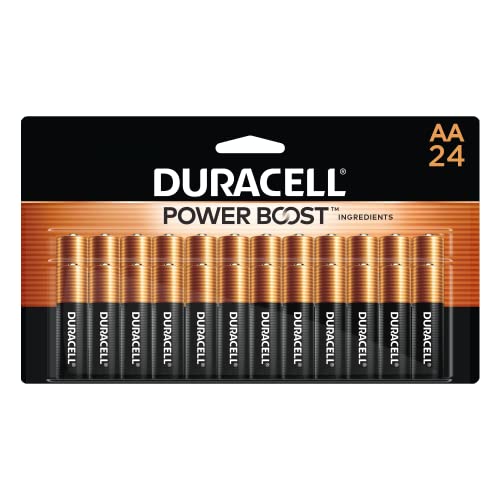
Duracell Coppertop AA Batteries, 24 Count

Energizer MAX 9V Batteries (4 Pack)

Energizer MAX AA Batteries (48 Pack)
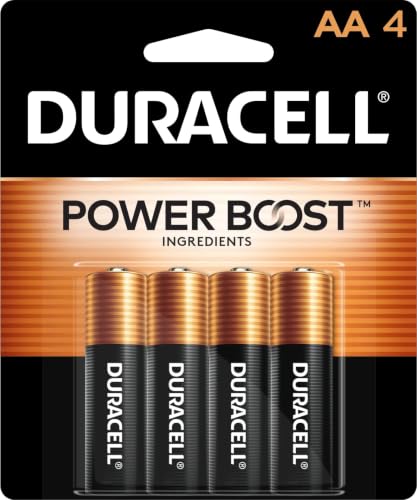
Duracell Alkaline Powerboost AA4 Battery, 4 Count

Tenergy 6LR61 9V Alkaline Battery, 24 Pack
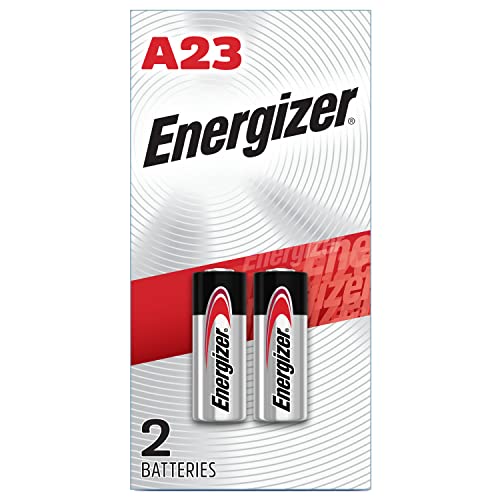
Energizer A23 Batteries (2 Pack)

Duracell Coppertop AAA Batteries, 16 Count
Meet The Standout Selections
Forty cells across two packs reads as overkill until you count the AA-powered alarms, remotes, and game controllers scattered through a typical home. Duracell builds these Coppertop cells with Power Boost Ingredients, a proprietary additive blend intended to stabilize output over the long stretches when detectors sit silent.
The combined 40-cell count makes this combo the practical answer for anyone replacing cells in several alarms at once or stocking a drawer for the next couple of years. Unlike the smaller Duracell 24-count that follows, this bundle spreads the cost per cell down, which matters more for whole-property refreshes than single-unit swaps.
Reasons It Performs
- Power Boost Ingredients help maintain voltage across months of low-draw standby use in smoke detectors.
- The 40-cell total covers every AA device in a typical home plus reserves for next round of replacements.
- Twelve-year storage guarantee means spares stay usable through long stretches between fire-drill season.
- Two-pack format lets you stash one set in a kitchen drawer and one in a hallway closet for fast access.
Worth Noting
- Storage guarantee assumes cells stay in original packaging at room temperature; a hot attic can shorten that window.
- Heft of 40 cells means you will not toss this in a travel bag, it is a pantry-and-shelf solution.
Who It Suits Best
Owners of multi-detector homes who want one purchase to handle every AA-powered alarm plus the remotes and toys scattered through daily life.
Swap It Out When
The Duracell Coppertop AA Batteries, 24 Count is a more sensible pick for renters with a single detector to maintain, since the smaller pack costs less up front.
The 24-count Coppertop is the middle child of the Duracell AA family, sized for households that run two or three smoke detectors plus a rotating cast of remotes and small electronics. CopperTop chemistry is alkaline, the workhorse cell chemistry for low-drain household devices.
Compared with the 40-cell combo I just covered, this pack trades bulk for a smaller footprint that fits inside a junk drawer. The manufacturer rates shelf life at twelve years, which lines up well with how often detectors actually need new cells.
What Pays Off
- Twelve-year storage guarantee covers the gap between battery-change day and the next time you grab the stepladder.
- Mid-size count is more approachable for first-time homeowners testing how often their detectors actually drain cells.
Small Caveats
- Lower per-cell count means a worse unit price than the 40-cell combo from the same brand.
- Alkaline cells can leak if left in a device for years past their useful life, so annual test-button checks remain important.
Made For
Smaller homes and apartments with two to four battery-powered detectors and a modest pile of remotes that share the same cell size.
Reach For A Different Pick When
Large households juggling eight or more AA devices should consider the Energizer MAX AA Batteries (48 Pack), which spreads investment further across the property.
Older smoke and carbon monoxide alarms still take a 9V cell, the rectangular battery with two snap terminals on top. Energizer’s MAX line is alkaline chemistry aimed at the slow, steady drain that detectors demand.
This four-pack covers the typical home that runs one or two legacy units alongside newer sealed-lithium alarms. The size fits in a drawer without dominating it, and it is the go-to format for households that want a small spare on hand for the next annual replacement cycle.
A Favorable Mix
- Alkaline chemistry suits the low-milliamp draw of ionization and photoelectric alarms.
- Four-pack format covers common one-or-two-detector layouts without leaving long-dormant extras.
- Trusted brand recognition in the safety-device category where replacement reliability matters.
Points To Note
- 9V alkaline cells should be replaced annually in most detectors; owners commonly report shorter real-world life in kitchens where cooking aerosols trigger more frequent self-tests.
- Four cells may not be enough for landlords managing multiple units at once.
Right Fit For
Households with one or two 9V-powered alarms looking for a small, dependable annual replacement pack.
A Better Fit Elsewhere
Property managers covering several apartments benefit from the Tenergy 6LR61 9V Alkaline Battery, 24 Pack, which offers more cells per dollar for multi-unit rotations.
Forty-eight AA cells is the answer when the question is “everything battery-powered in this house” rather than “just the detectors.” Energizer MAX uses PowerSeal Technology, a construction intended to protect against leaks during long storage stretches.
For families with several detectors plus game controllers, flashlights, and kitchen scales, this pack eliminates the mid-year run for replacements. It also signals a different ownership pattern: buy once, top off annually, rotate the drawer.
What Helps Most
- PowerSeal construction is the spec-side claim for leak resistance during multi-year storage in original packaging.
- Large count supports homes with mixed AA devices alongside detector swaps.
- Per-cell cost drops meaningfully against smaller 4-packs or 12-packs.
Practical Considerations
- Bulk packaging requires a dedicated shelf or drawer, not a kitchen counter.
- Real-world life depends heavily on which device pulls from the cell, so smoke-detector spares may sit for years before use.
Best Suited To
Large households running several battery-powered detectors plus a rotating inventory of AA toys, remotes, and small electronics.
Consider Something Else When
Studio dwellers with one detector and a handful of remotes will find the Duracell Alkaline Powerboost AA4 Battery, 4 Count easier to justify for a single swap.
Four cells is the smallest practical pack on this list, and that is exactly its appeal. For a single-detector swap, anything bigger risks old spares leaking in the back of a drawer before they see use.
The CopperTop line is rated for reliable operation in extremes from -4°F to 129°F, a useful spec for detectors mounted in unheated attics, basement ceilings, or garages where temperature swings are common.
Useful Strengths
- Temperature rating of -4°F to 129°F suits detectors in unconditioned spaces like garages or attics.
- Compact four-pack format minimizes stale-cell risk in long-stored spares.
Points To Keep In Mind
- Per-cell cost is the highest in the Duracell AA family because there is no bulk discount.
- Cells contain no added mercury, so disposal should still follow local household-battery recycling rules.
Who Should Grab It
Homeowners replacing cells in a single standalone alarm who do not want extras cluttering a drawer for years.
Not Your Match When
Anyone managing four or more detectors gets better value from the Duracell Coppertop AA Batteries, 24 Count, where the unit price drops noticeably.
Tenergy’s 9V cell, the 6LR61 designation referring to its IEC standard size, is built for high-volume buyers rather than single-unit swaps. The brand positions this alkaline 9V specifically for smoke alarms, making it a focused pick for property-wide rotations.
Twenty-four cells cover a small apartment building or several seasons of replacements for a busy household. The cells are date coded, a small but real detail that lets landlords confirm freshness before swapping cells in a tenant turnover.
Strong Points
- 24-pack format is the right shape for landlords, small offices, and multi-unit residential rotations.
- Operating range of -4°F to 129°F covers basement and attic installations.
- Per-cell pricing beats the four-pack format when several alarms share the cell size.
Where It May Fall Short
- Tenergy is a less familiar name than Energizer or Duracell, so brand-conscious homeowners may hesitate.
- Bulk count risks stale cells if rotation cycles stretch beyond a couple of years.
Perfect Match For
Landlords, property managers, and homeowners with multiple 9V-powered alarms who rotate cells on a set schedule.
Skip It When
Single-detector households that only need one or two replacements at a time should pick the Energizer MAX 9V Batteries (4 Pack) instead, since four fresh cells beat twenty-four aging ones in a closet.
The A23 is a small, cylindrical 12V cell, an unusual voltage in a tiny package, designed for specialty electronics rather than standard smoke alarms. Some compact detectors, key fobs, and garage door controls use this format, which is why it earns a place here.
Most homes will never need one, but for the slim alarms and specialty devices that do require it, the Energizer A23 is the recognized answer. Two cells cover a primary and a backup for the rare device that needs this format.
Features That Help
- 12V output in a compact cylindrical form factor fits specialty alarms and entry-system devices.
- Trusted Energizer branding in a category with few alternatives.
Honest Caveats
- This is not a general-purpose smoke-detector cell; most alarms run on AA, AAA, or 9V formats.
- Two-cell pack is pricey per cell because the niche audience is small.
Built With In Mind
Households with specialty 12V devices such as slim alarms or remote entry systems that use the A23 form factor.
Look Elsewhere When
Anyone with a standard residential alarm should default to the AA or 9V picks above, since the A23 simply does not fit those units.
AAA cells are smaller than AA but show up in slimmer modern smoke detectors, smart-home sensors, and the smaller remotes that share a junk drawer. The Duracell Coppertop AAA brings the same 12-year storage claim as the larger Coppertop AA.
Sixteen cells is a comfortable size for households running two or three AAA-powered detectors plus a few compact devices. Owners of newer photoelectric alarms sometimes find the AAA form factor inside, especially in combination units with smaller battery compartments.
A Strong Showing
- Twelve-year shelf-life claim matches the AA Coppertop line for predictable storage.
- Sixteen-cell pack fits slim modern alarms that take AAA rather than AA.
Factors To Consider
- AAA cells are not interchangeable with AA, so households running both formats need two separate packs on hand.
- Compact format can be easier to misplace between swaps, since fewer cells means a thinner pack.
Whose Shelf It Belongs On
Households with slim modern alarms or combination detectors that use AAA cells rather than the AA or 9V formats.
Where A Sibling Pick Shines
Most traditional smoke detectors still run on AA or 9V, so the Duracell Coppertop AA Batteries, 24 Count covers the more common household need at a familiar size.
What Matters Most Before Choosing Alkaline Battery For Smoke Detector
Cell Format Comes First
Confirm the battery size your detector actually takes before anything else. AA, AAA, and 9V are the three most common formats in residential alarms, and each looks different enough that mixing them up is unlikely once you pop the cover. Checking the existing cell or the manual removes any guesswork.
Shelf Life And Storage Habits
A 12-year storage claim is only as good as where you keep the spare pack. Heat and humidity shorten usable life, so a kitchen drawer beats a hot garage shelf for storing backup cells. For homes with multiple detectors, a single bulk pack stored indoors keeps every alarm on the same replacement schedule.
Pack Size Versus Replacement Cadence
Larger packs save money per cell, but only if you rotate through them before the oldest cells age out. Single-detector owners do well with small four-packs. Multi-unit households and landlords benefit from 24- or 48-cell formats that spread cost across the property.
Key Considerations Across These Picks
Where Shoppers Go Wrong
The most common slip is grabbing the wrong format. Smoke alarms accept only specific sizes, and a 9V will not seat in an AA compartment no matter how firmly you push. Another trap is buying bargain no-name cells without date codes; freshness matters because alkaline self-discharges slowly even in the package.
What Separates Premium From Basic
Premium alkaline cells add longer shelf-life guarantees, leak-resistant seals, and tighter date-code tracking. For most households, mid-tier packs offer the best balance, while bulk 24- or 48-cell formats favor people managing multiple units where convenience and per-cell cost matter more than brand cachet.
Frequently Asked Questions
How Often Should Alkaline Batteries Be Replaced In Smoke Detectors?
Most manufacturers recommend annual replacement for alkaline-powered smoke detectors, even if the test button still chirps. A fresh cell each year keeps voltage well above the low-battery threshold.
Can I Mix Battery Brands Inside One Detector?
It is better to use the same brand and age of cell within a single alarm. Mixing old and new cells or different brands can leave the weaker cell drained faster, leading to early low-battery chirps.
Are Expired Alkaline Batteries Safe To Use In Detectors?
Cells past their printed date may still hold a charge, but voltage drops over time. For safety equipment, fresh cells from a current production run are the safer choice.
Do Smoke Detectors Use AA Or 9V Batteries?
Many older ionization alarms use a single 9V cell, while newer photoelectric and combination units often run on two or three AA cells. Always check the existing battery or manual to confirm format.
Will Alkaline Batteries Leak Inside A Smoke Detector?
Alkaline cells can leak if left in a device past their useful life, especially in warm environments. Annual replacement and removal during long vacancies prevent most leak damage.
Bottom Line
Pick the cell format your detector actually uses first, then match pack size to how many alarms you maintain. For most homes, a Coppertop AA 24-count or Energizer MAX AA 48-pack covers every AA alarm with room to spare, while the Energizer MAX 9V 4-pack handles the legacy 9V units that still live in many bedrooms. Fresh cells, rotated annually, are what keep the chirp away and the safety net intact.
