

D cells aren’t as common as they used to be, but the gadgets that still need them tend to be the serious ones: heavy flashlights, weather radios, large toys, boomboxes, and lanterns. When the power goes out or you’re out at a campsite, the wrong battery choice leaves you fumbling in the dark. I put together this roundup to help anyone stocking a gear closet, emergency kit, or workshop pick the right D cell for their situation. Every option below is widely available, shelf-stable, and ready to perform when the lights go out.
A Quick View Of The Lineup

Energizer MAX C & D Batteries Combo Pack (16 Count)

Duracell Coppertop D Batteries, 4 Count

Energizer Alkaline Power D Batteries, 12 Count

Energizer D Batteries, 8 Pack Premium Alkaline

Energizer MAX 9V Batteries, 2 Pack

Energizer MAX D Batteries, 4 Pack
DURACELL CopperTop Alkaline D Batteries

Amazon Basics 12-Pack D Cell Alkaline Batteries
A Deeper Look At The Lineup
Most homes don’t run on D cells alone. This combo pack solves that by bundling eight D batteries with eight C cells in a single box, so you’re covered whether the kid’s toy is C-powered or the camping lantern takes D. Both cells use the same MAX alkaline chemistry, meaning consistent feel and discharge behavior across sizes.
For families with a mix of battery sizes scattered around the house, this is the kind of pack that ends the “where are the right batteries” hunt. I’ve seen it work well for people who rotate devices seasonally and want one reliable source for both formats.
Useful Strengths
- One purchase covers two common battery formats
- Storage life rated for up to a decade in the original packaging
- Same MAX line chemistry in both sizes means predictable performance
- Suited to high-drain gear like flashlights, radios, and large toys
Trade Offs
- Half the pack goes unused if your household only needs one size
- Loose cells can roll in a junk drawer over time; a small case helps
Best Suited To
Families and renters running a mix of C and D devices who want a single stockpile they can reach for without sorting.
Reach For A Different Pick When
Anyone whose home only uses D cells gets better value from the Energizer Alkaline Power 12 Count farther down this list.
The classic black-and-copper wrapper has earned its place in basement closets and storm kits for a reason. This four-pack delivers the recognizable Coppertop formulation, sized down for people who only need a few cells at a time. The stated 10-year shelf life matters most during power outages and camping weekends, when a dead lantern battery isn’t an option.
Heavy-duty flashlights, portable lanterns, and emergency radios are the natural fit. Owners commonly report that these cells feel slightly heavier in the hand than budget alternatives, which tends to track with capacity.
Well-Handled Touches
- 10-year storage claim makes it useful for staged emergency supplies
- Trusted brand recognition for household and weather-radio setups
- Strong fit with high-drain flashlights and lantern-style devices
Points To Keep In Mind
- Four-cell count means frequent replacements for multi-battery gear
- Single-use chemistry, so high-drain users may want to factor in cost over time
Quick Facts
Who It Suits Best
Anyone building a basic storm kit or prepping a weather radio and lantern for occasional outages.
Skip It When
Bulk shoppers stocking a workshop should pivot to the Amazon Basics 12-Pack for a lower per-cell cost.
Twelve cells is a serious haul, and that volume is exactly the point. The Alkaline Power line sits a notch below the MAX branding, with a focus on standard household devices and longer runtimes in low-drain gear. For a family running multiple toys, clocks, and a couple of flashlights, this is the kind of box that disappears into a closet and quietly does its job.
The 10-year shelf claim helps justify buying in bulk. Store the extras in a dry spot away from temperature swings, and you’ll have a reliable drawer stash for years.
Useful Touches
- Twelve-cell count spreads the per-battery cost lower
- Storage life up to a decade when kept sealed
- Long runtime ratings for clocks and low-drain electronics
- Works in toys, lanterns, and basic flashlights alike
Honest Caveats
- Bulk packaging takes more storage space in a small apartment
- Alkaline Power sits a tier below MAX for the toughest high-drain jobs
Right Fit For
Large households, garage workshops, and anyone tired of running out mid-project or mid-playdate.
Look Elsewhere When
Casual users who only replace one or two cells a year should look at the Energizer MAX D Batteries 4 Pack for a smaller commitment.
Eight cells splits the difference between the tiny four-packs and the dozen-count options, which is exactly why it lands well with weekend campers and garage tinkerers. The MAX line here is built for the demanding end of the spectrum: lanterns, high-power flashlights, and gear that chews through batteries fast.
Compared to the smaller 4-pack earlier in this list, this gives you the breathing room to run a multi-cell lantern through a long trip without a second thought. The same decade-long storage claim keeps unused cells usable when the next outing rolls around.
Practical Pluses
- MAX chemistry tuned for high-drain lanterns and flashlights
- Eight-pack count balances value and storage footprint
- Up to 10 years of usable charge when sealed
- Reliable for camping essentials and storm-shelf rotation
Some Limits To Know
- No bundled storage case in the packaging
- Single-use cells, so frequent campers may eventually want rechargeables
Feature Snapshot
Whose Shelf It Belongs On
Campers, preppers, and garage owners who rotate gear in and out but want one trusted cell ready.
Swap It Out When
Anyone stocking a full-house backup should move up to the Energizer Alkaline Power 12 Count instead.
This is technically a 9V rather than a D cell, and I included it for a specific reason. Anyone maintaining a household battery drawer knows that smoke detectors and weather radios usually run on 9V, while lanterns and flashlights take D. Pairing this 2-pack with any D-cell option above gives you a more complete safety-shelf rotation.
The POWERSEAL technology is Energizer’s way of locking in power between uses, which matters for smoke alarms that sit idle for months. Up to five years of storage life is the stated claim, shorter than D-cell rivals but plenty for safety devices that get tested twice a year.
Notable Gains
- Fills the 9V slot alongside D-cell stockpiles
- POWERSEAL construction locks in power between checks
- Suited to smoke alarms, weather radios, and digital gear
Where It Is Less Suited
- Not a D cell, so don’t grab it for a flashlight
- Two-pack count is small for multi-detector homes
Feature Card
Made For
Anyone rounding out a safety kit with both D cells for lanterns and 9V for detectors.
Consider Something Else When
Shoppers who only need D cells should stick with the Duracell Coppertop 4 Count for storm-specific use.
For people who only need a few D cells on standby, this is the smallest meaningful pack on the list. The MAX formulation with POWERSEAL technology handles high-drain flashlights and toys without falling behind during long sessions. It also keeps its charge for up to a decade in storage, so the four cells you tuck into a drawer today still work years from now.
Where this shines is single-flashlight owners or apartment dwellers who don’t want to commit to a bulkier 8 or 12-pack. The smaller footprint fits neatly inside a kitchen drawer or car glove box.
What Pays Off
- Compact pack size suits tight storage spaces
- POWERSEAL construction preserves charge during long idle periods
- Decade-long shelf life fits light-use households
- Strong output for high-drain flashlights and toys
Things To Consider
- Four cells run out fast in a multi-battery lantern
- Per-cell cost runs higher than the 12-count alternatives
Who Will Love This
Owners of a single high-power flashlight who want a small, dependable backup stash.
A Better Fit Elsewhere
Anyone running a household lantern and weather radio together should look at the Energizer D Batteries 8 Pack for more headroom.
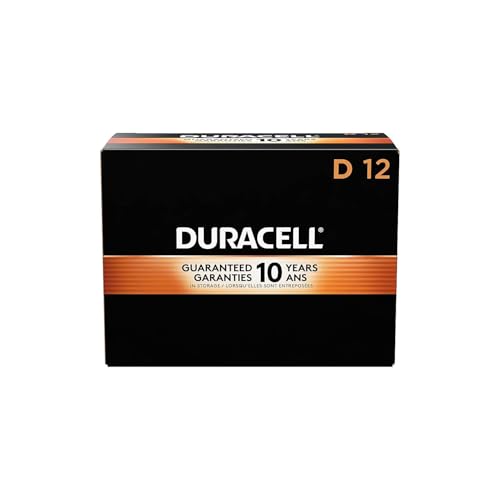
The CopperTop line is engineered for everyday household electronics rather than just emergencies, which makes it a steady workhorse for toys, clocks, and remote-control gadgets. Owners commonly report that these cells drop into kid’s toys and bedside clocks without fuss, holding voltage across long stretches of light use.
For households that cycle through D cells at a moderate clip, this is the kind of dependable option you don’t think about. It also covers storm-season needs thanks to the 10-year storage claim.
A Favorable Mix
- Tuned for toys, clocks, calculators, and remote controls
- Reliable long-term power for everyday electronics
- 10-year storage claim covers both daily and emergency roles
Small Caveats
- Less optimized for the most demanding high-drain lanterns
- Pack configuration varies by seller, so quantity at purchase may differ
Core Details
Perfect Match For
Families whose D-cell demand comes mostly from toys, clocks, and remotes rather than heavy-drain flashlights.
Not Your Match When
Anyone needing the toughest output for camping lanterns should pivot to the Energizer MAX D Batteries 4 Pack.
Amazon Basics aims at the practical shopper who needs a dozen D cells without paying for a brand name. The 5-year shelf life is shorter than the 10-year claims from the bigger brands here, so this is a better fit for actively used devices than for a long-dormant storm shelf. For clocks, toys, and flashlights that get replaced every year or two, the value math works out well.
Compared to the Energizer Alkaline Power 12 Count earlier, this is the budget-style alternative. It’s a sensible pick when you rotate batteries in and out and don’t expect any single cell to sit for a decade.
Notable Upsides
- Twelve-cell count at a competitive per-battery price point
- Reliable output for clocks, toys, and everyday flashlights
- Single-use design keeps replacement straightforward
Possible Compromises
- 5-year storage rating is shorter than the 10-year claims elsewhere on this list
- Less brand-specific testing pedigree for extreme high-drain devices
Who Should Grab It
Casual households replacing cells regularly in clocks, toys, and remotes who want solid value over brand prestige.
Where Another Pick Suits Better
Storm-prep builders who need decade-long standby cells should choose the Duracell Coppertop D Batteries 4 Count instead.
What To Weigh Before Picking Alkaline D Battery
Match The Cell To The Device
The first question isn’t brand, it’s workload. High-drain devices like heavy flashlights, lanterns, and portable radios pull current aggressively, so cells with strong steady output make sense. Low-drain clocks, remotes, and simple toys stretch alkaline life further, which means any decent alkaline cell does the job. Picking a cell tuned for a use case it doesn’t actually see is the most common waste of money in this category.
Storage Life Vs. Real Shelf Time
Most alkaline D batteries in this roundup quote 10 years of storage life, though Amazon Basics lists 5 years. The number is a manufacturer’s estimate under ideal conditions: cool, dry, sealed in original packaging. In a garage that swings through summer heat, you’ll see real shelf life shrink. Store extras indoors in a climate-controlled spot and rotate the oldest cells to active use first.
Pack Size And Replacement Rhythm
Pack count is a real budgeting tool. Smaller packs cost more per cell but commit less money upfront. Larger packs save per-cell cost but tie up storage space and budget. Frequent battery users lean toward 12-count boxes; occasional users do fine with 4-packs. The honest read is that pack size matters more than people expect when buying batteries in bulk.
Single-Use Vs. Rechargeable Thinking
Every pick here is single-use alkaline, which is fine for occasional devices but expensive for daily-use gear. If the D-cell device runs every day, rechargeable NiMH cells can pay back the higher upfront cost within months. For weekend lanterns and backup flashlights, alkaline still wins on convenience and shelf stability.
Key Considerations Across These Picks
Where Shoppers Go Wrong
The most common mistake is buying premium cells for low-drain toys, where budget alkaline would perform identically. The flip side is grabbing the cheapest bulk pack for a decade-long emergency shelf, then finding half the cells have lost capacity by the time you actually need them. Match the cell tier to the actual use, and rotate stock regularly rather than letting boxes sit for years.
When Paying More Pays Off
Higher-tier alkaline cells earn their price in two situations: heavy-drain flashlights that chew through budget batteries, and long-term storage for emergency kits. A name-brand 10-year-rated cell outperforms a generic in both cases, since voltage holds steadier under load and capacity survives longer on the shelf. For everyday toys and clocks, the savings on a budget pack are worth keeping.
Frequently Asked Questions
How long do alkaline D batteries really last in storage?
Most name-brand alkaline D cells are rated for up to 10 years when kept sealed in their original packaging at room temperature. Real-world shelf life shortens in hot garages, humid basements, or loose storage where terminals can leak residual charge. For the longest standby life, keep extras in a climate-controlled closet.
Are expensive alkaline D batteries worth the extra cost?
For everyday toys and clocks, the gap between budget and premium alkaline is small. For heavy-duty flashlights, lanterns, and emergency kits, premium cells tend to hold voltage better under load and survive longer on the shelf. The upgrade earns its price in those specific situations, not across the board.
Can I mix old and new D batteries in the same device?
Mixing fresh and partially used cells is generally discouraged, since the older battery drags down the voltage of the newer one and shortens the runtime of both. Stick with matched cells from the same package whenever possible, especially in multi-battery lanterns.
What’s the difference between alkaline and rechargeable D batteries?
Alkaline D cells are single-use and disposable, while rechargeable NiMH D cells can be reused hundreds of times. Rechargeables make sense for devices that drain batteries every week, while alkaline remains more convenient and shelf-stable for occasional-use gear.
How do I dispose of used D batteries safely?
Most municipalities accept alkaline batteries through household hazardous waste programs or designated drop-off points. Many retail battery-collection bins also accept alkaline cells. Avoid tossing them into regular trash where possible, since the residual chemicals can leach in landfills.
Closing Remarks
Any of the eight options here will keep your D-cell gear running, but the right pick depends on how often you cycle batteries and whether you’re stocking a drawer or a storm kit. Match the cell to the workload, store extras in a cool dry spot, and your flashlight will thank you the next time the lights go out.
